What is Carafe Temp on a Coffee Maker: Essential Guide Explained
Have you ever noticed the “Carafe Temp” setting on your coffee maker and wondered what it actually means? If you’re serious about enjoying a perfect cup of coffee, understanding this feature can make a big difference.
The carafe temperature controls how hot your coffee stays after brewing, which affects both the taste and how long your coffee stays fresh. If you want to avoid bitter, burnt coffee or lukewarm disappointment, knowing how to use the carafe temp setting is key.
Keep reading, and you’ll learn exactly what it is, why it matters, and how to get the best flavor from every pot you brew.
Carafe Temp Basics
Carafe temp means the temperature of coffee inside the carafe after brewing. It shows how warm the coffee stays.
This temperature is important because it affects coffee taste and freshness. Too hot can burn the coffee. Too cold can make it taste flat or bitter.
Many coffee makers have a carafe temp setting. This controls how warm the machine keeps the coffee after brewing. It helps keep coffee at the right drinking temperature.
Good carafe temp means coffee stays warm but not too hot for a longer time. It helps avoid reheating, which can spoil flavor.
Types Of Carafes
Glass carafes are common in many coffee makers. They are made of clear glass and usually come with a warming plate below. This plate keeps coffee warm but can cause a burnt taste if left too long. Glass carafes are easy to see through, so you know how much coffee is left. They are also simple to clean.
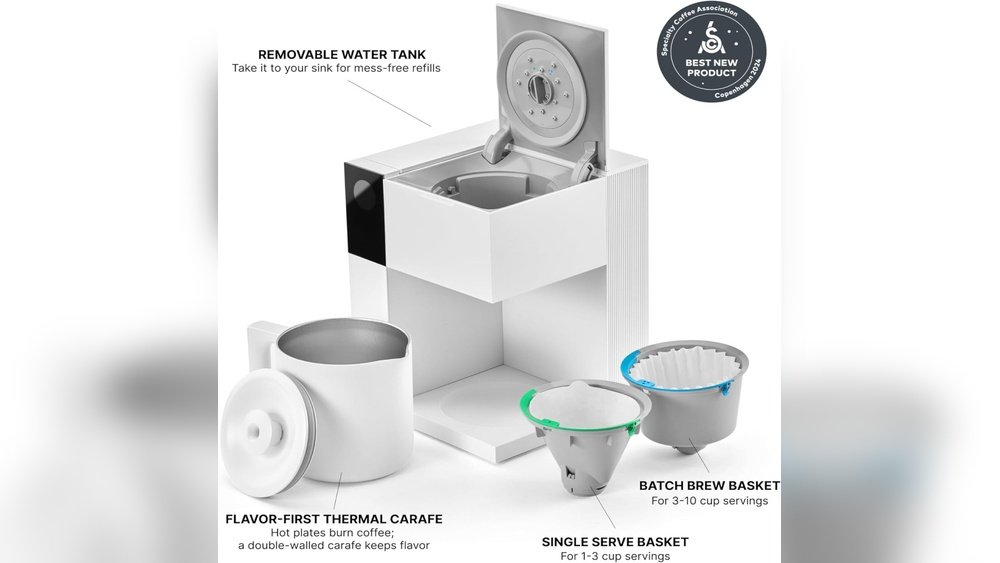
Thermal carafes are made with double walls and insulation. They keep coffee hot much longer without needing a warming plate. These carafes are often made of stainless steel. They keep coffee fresh and hot for hours. Thermal carafes are good for people who want to enjoy warm coffee over time.
Temperature retention depends on the carafe type. Glass carafes need a warming plate to stay hot but may lose heat quickly when removed. Thermal carafes hold heat well and keep coffee hot even without extra heat. Choosing the right carafe helps keep your coffee at the best drinking temperature.
Setting Carafe Temp On Coffee Makers
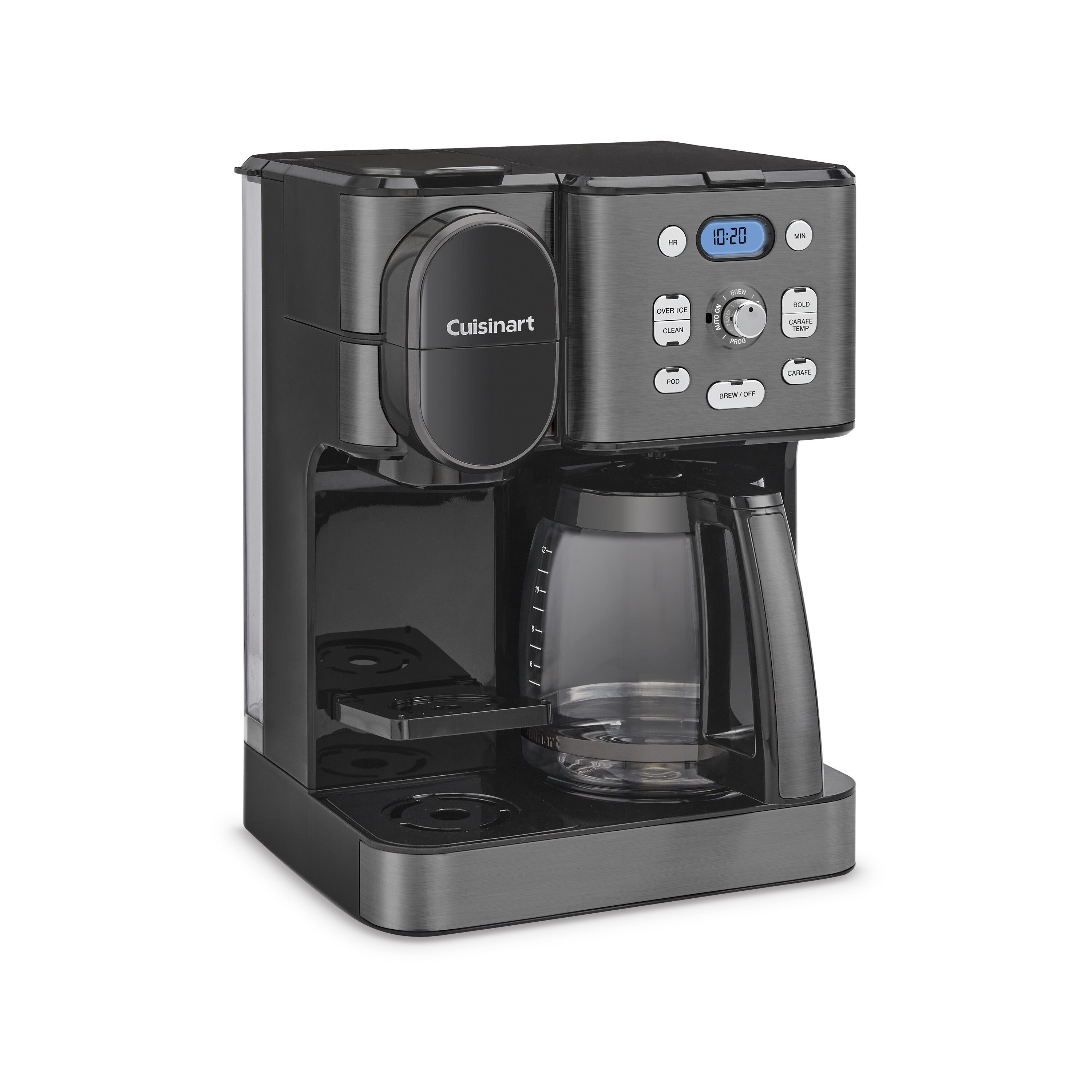
The Carafe Temp setting controls how warm your coffee stays after brewing. On the Cuisinart Coffee Maker, you can adjust this to keep coffee hot but not burnt. Most models offer low, medium, and high heat options.
Use the heat setting buttons to change the carafe temperature. Press once to cycle through the options. The medium setting is good for keeping coffee warm for about an hour without overcooking it.
| Heat Setting | Temperature Range | Best Use |
|---|---|---|
| Low | ~135°F | Keep coffee warm for short times |
| Medium | ~145°F | Maintain good flavor for up to an hour |
| High | ~165°F | Heat coffee quickly but may affect taste |
Common controls include buttons labeled “Carafe Temp” or icons showing heat waves. Some models have a digital display showing the current setting. Adjust these controls easily before or after brewing.
Ideal Coffee Temperature In Carafe
The best temperature range to keep coffee in a carafe is usually between 120°F and 140°F. This range keeps the coffee warm without making it taste burnt or bitter. Temperatures above 150°F can cause a burnt taste that spoils the flavor.
Keeping coffee too hot for a long time breaks down the delicate flavors. On the other hand, coffee that is too cool may taste flat and dull. A good carafe keeps the coffee at a steady temperature to preserve its freshness and aroma.
Avoiding a burnt taste means not letting the coffee sit on a hot plate for too long. Some coffee makers let you adjust the carafe temperature to prevent overheating. This helps maintain the ideal balance of warmth and flavor.
Heat Retention Tips
Pre-heating the carafe helps keep coffee hot longer. Pour hot water into the carafe before brewing. Let it sit for a minute, then empty it. This warms the carafe’s walls and reduces heat loss from fresh coffee.
Using thermal insulation also keeps coffee warm. Thermal carafes have double walls and special insulation. They trap heat inside, so coffee stays hot without a heating plate. This method prevents burnt taste from overheating.
Minimizing heat loss is key. Avoid lifting the carafe too often. Each time you open it, heat escapes quickly. Use a lid that fits tightly to keep heat inside. Placing the coffee maker away from cold drafts helps too.
Credit: www.lowes.com
Carafe Maintenance
Regular cleaning helps keep the carafe fresh and free from bad smells. Use warm water and mild soap for washing. Avoid harsh chemicals that may damage the carafe surface.
To prevent stains and odors, rinse the carafe right after use. Let it dry completely before storing. Wiping the lid and spout removes leftover coffee residue.
For stubborn stains, try a mixture of baking soda and water. Scrub gently with a soft brush or cloth. Rinse well to remove all cleaning agents.
Cleaning the carafe often keeps your coffee tasting better and your machine working well. It also helps avoid mold and bacteria growth inside the carafe.
Common Questions
Keep coffee on the warmer for about 30 to 60 minutes. After that, coffee can taste burnt or bitter. Glass carafes work well with warmers because they allow heat to pass through easily. Thermal carafes keep coffee hot without a warmer by using insulation. They preserve flavor longer but do not need a heating plate.
| Type of Carafe | Heat Retention | Use with Warmer |
|---|---|---|
| Glass | Low – loses heat quickly | Yes, good for warming plate |
| Thermal | High – insulated to keep heat | No, better without warmer |
The carafe’s purpose is to hold brewed coffee safely. It helps keep coffee warm and ready to serve. Some carafes add style to your kitchen too. The choice between glass and thermal affects taste and temperature over time.
:max_bytes(150000):strip_icc()/test-winning-coffee-maker-tout-d11a3e451b4843f687bbce7860b0746c.jpg)
Credit: www.foodandwine.com

Credit: www.youtube.com
Conclusion
Understanding carafe temperature helps keep your coffee hot and fresh. Setting the right heat prevents burnt or cold coffee. Different coffee makers offer various temperature options. Knowing how to adjust these settings improves your brewing experience. Always check your machine’s manual for specific instructions.
Enjoying coffee at the perfect temperature makes every cup better. Keep your coffee warm, but avoid overheating. Small changes can make a big taste difference. This knowledge helps you get the most from your coffee maker.
Hi, I’m Emma Carter, a passionate home cook with over 12 years of hands-on experience in home kitchens. I love testing kitchen tools, trying new recipes, and helping everyday cooks make smarter buying decisions. Every review and guide I write is based on real cooking experience, practical testing, and honest opinions, not marketing claims.