Best Treatment for Boiling Water Burns: Fast Relief Tips
Boiling water burns are more common than most people realize. These injuries can happen in the kitchen, bathroom, or even at work. When hot water touches skin, it damages tissue quickly. A burn can be painful, scary, and sometimes dangerous.
Knowing the best treatment for boiling water burns can make a big difference. Fast, correct action can ease pain and speed healing. This guide explains what you should do, what mistakes to avoid, and how to care for your skin after a burn.
You’ll also learn when to see a doctor and what treatments help most.
Understanding Boiling Water Burns
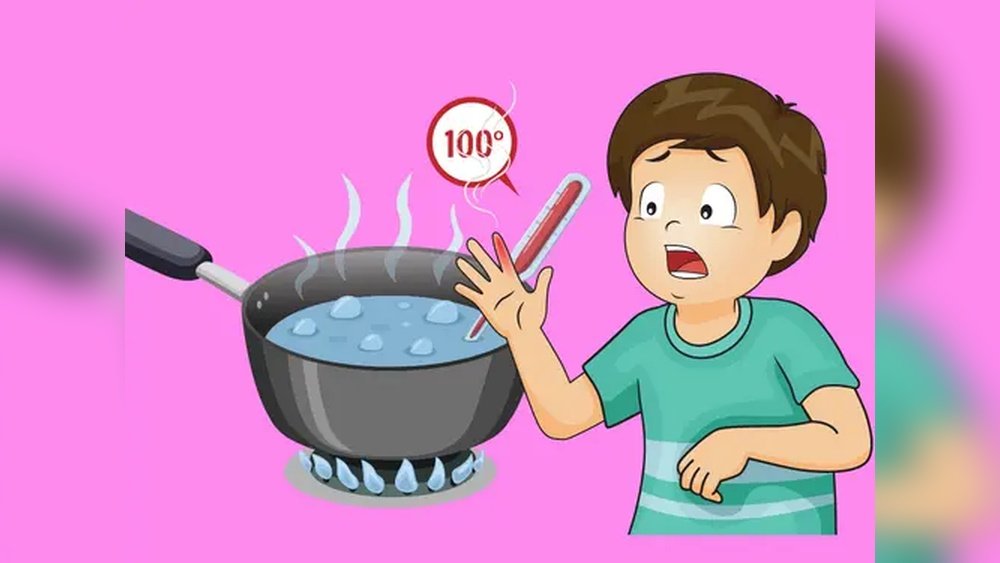
A boiling water burn is a type of scald. Scalds are caused by hot liquids, not flames. Boiling water burns happen when water at or near 212°F (100°C) touches the skin. These burns can be mild, moderate, or severe.
Burn Severity Levels
Doctors sort burns by how deep they go:
- First-degree burns: Affect only the top layer (epidermis). Skin looks red, feels sore, and may swell.
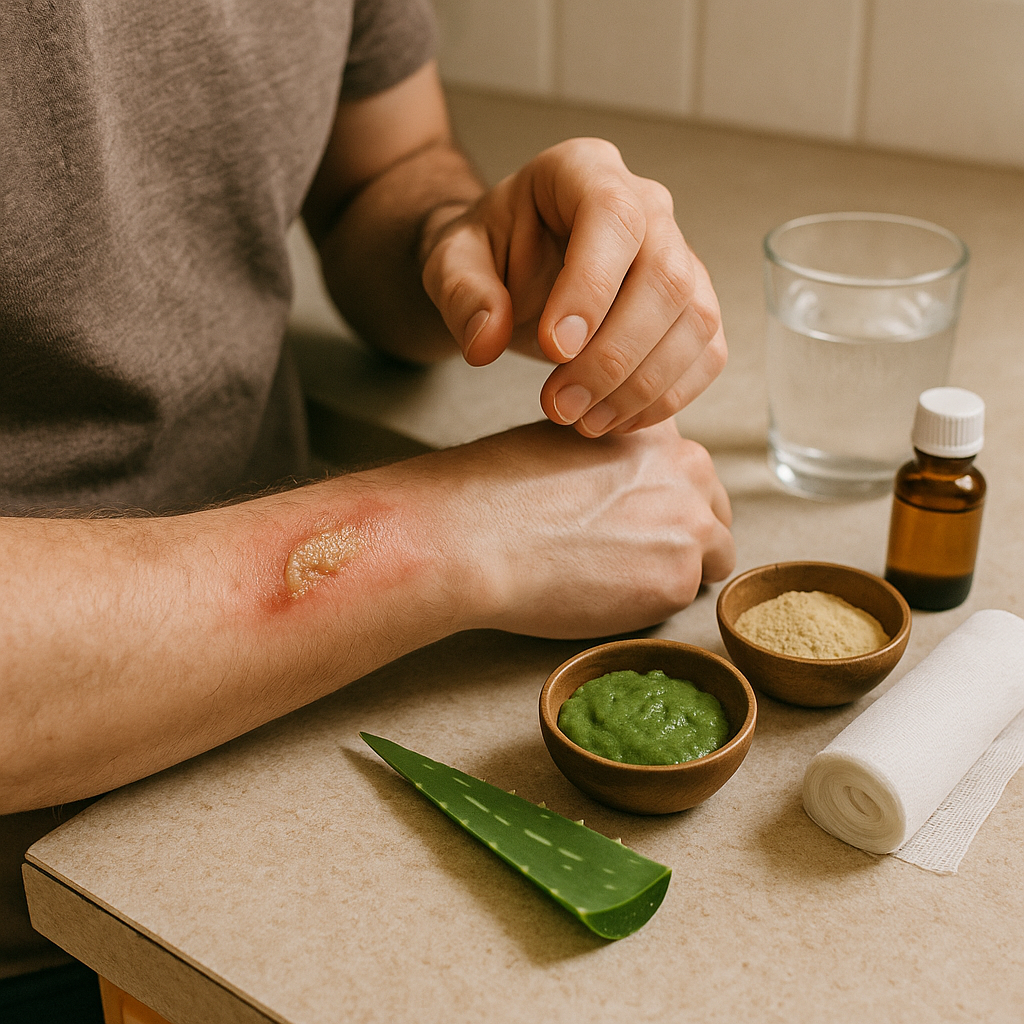
- Second-degree burns: Go deeper, damaging the second layer (dermis). Skin can blister, look wet, or be shiny.
- Third-degree burns: Damage all skin layers and sometimes nerves or tissue beneath. Skin may look white, brown, or charred. These burns can be painless at first because nerves are destroyed.
Most boiling water burns are first or second degree. Third-degree burns are rare, but they need urgent medical care.
Where And Why Boiling Water Burns Happen
In the US, about 500,000 people need medical care for burns each year. Children and older adults are most at risk. Kitchens and bathrooms are the most common places. Spilled coffee, cooking accidents, or tipping a kettle are typical causes.
Immediate Actions For Boiling Water Burns
Quick, correct first aid helps minimize damage. Here’s what to do right away:
Step-by-step First Aid
- Stop the burning process: Move away from the hot water. Remove wet clothing, jewelry, or shoes gently, unless stuck to the skin.
- Cool the burn: Run cool (not cold) water over the burn for 15-20 minutes. This reduces pain and prevents the burn from worsening. Do not use ice—it can cause more tissue damage.
- Protect the area: Cover with a clean, non-stick dressing or cloth. Avoid fluffy cotton, which can stick to wounds.
- Relieve pain: Use acetaminophen or ibuprofen if needed.
- Avoid home remedies: Don’t apply butter, oils, toothpaste, or ointments immediately. These can trap heat or cause infection.
Common Mistakes
Many people make errors in treating burns:
- Using ice or very cold water
- Applying creams before cooling the burn
- Breaking blisters
- Ignoring signs of infection
These mistakes can slow healing or make burns worse.

Credit: www.wikihow.com
When To Seek Medical Help
Not all burns need a doctor. Some can be treated at home. But certain signs mean you should get medical care right away:
- The burn is larger than your palm
- Blisters cover the burn
- Skin looks white, charred, or brown
- Pain is severe and doesn’t improve
- The burn is on the face, hands, feet, genitals, or major joints
- Signs of infection: Redness, pus, swelling, fever
Young children, older adults, and people with chronic illnesses are at higher risk. If you’re unsure, it’s safer to ask a doctor.
Best Treatment For Boiling Water Burns
Let’s look at the best ways to treat these burns, from simple steps to advanced care.
First-degree Burns
These are mild burns. Usually, you can treat them at home:
- Cool the area as explained earlier
- Keep the skin clean
- Use aloe vera gel or a mild moisturizer after cooling
- Protect from sun and friction
- Pain relief with over-the-counter medicine
Most first-degree burns heal in 3–7 days.
Second-degree Burns
These burns need more attention. Blisters are common, and infection risk is higher.
- Cool the burn for 15–20 minutes
- Do not pop blisters; they protect the skin underneath
- Cover with sterile, non-stick bandages
- Change dressings daily
- Use antibiotic ointment if advised by a doctor
- Keep the area clean and dry
Healing can take 2–3 weeks. If blisters break, watch for infection.
Third-degree Burns
If you suspect a third-degree burn, do not treat at home. Go to the hospital. These burns need special care, such as:
- IV fluids for hydration
- Advanced dressings or skin grafts
- Antibiotics to prevent infection
- Pain management
Comparison: Home Vs Hospital Treatment
Here’s a quick look at how home and hospital treatments differ:
| Type of Burn | Home Treatment | Hospital Treatment |
|---|---|---|
| First-degree | Cool water, moisturizers, pain relief | Rarely needed |
| Second-degree | Cool water, bandages, ointments | Advanced dressings, infection monitoring |
| Third-degree | Not safe | IV fluids, surgery, antibiotics |
Advanced Treatments
For larger or deeper burns, hospitals use special tools:
- Hydrotherapy: Cleaning wounds with water sprays
- Silver sulfadiazine cream: Prevents infection
- Skin grafts: Replaces damaged skin
- Compression garments: Reduces scarring
Doctors may also use burn centers for severe cases. These centers specialize in treating deep burns.
Preventing Infection
Burned skin is vulnerable to infection. Bacteria can enter through damaged tissue. Signs of infection include redness, swelling, pus, or fever.
Steps To Avoid Infection
- Wash hands before touching the wound
- Change dressings daily
- Use sterile materials
- Watch for signs of infection
If you see redness spreading, pus, or fever, contact a doctor.
Comparing Infection Risk By Burn Depth
| Burn Depth | Infection Risk |
|---|---|
| First-degree | Low |
| Second-degree | Medium |
| Third-degree | High |
Healing And Recovery
Burns heal at different speeds. Small, mild burns recover faster. Larger, deeper burns take longer.
Stages Of Healing
- Inflammation: First few days. Skin is red, sore, and swollen.
- Proliferation: New skin forms under scabs or blisters. This takes 1–3 weeks.
- Maturation: Skin strengthens and scars fade. This can last months.
Tips For Better Healing
- Keep the area clean and dry
- Avoid sun exposure
- Don’t scratch healing skin
- Use gentle moisturizers
- Eat healthy foods for skin repair
Protein, vitamin C, and zinc help skin heal. Staying hydrated is also important.

Credit: study.com
Reducing Scarring
Scars can form after burns, especially deeper ones. Early care can reduce scarring.
Scar Prevention Methods
- Keep skin moist with aloe vera or silicone gel
- Massage the area gently after healing
- Use sunscreen to protect new skin
- Wear compression garments for large burns
Doctors may suggest special treatments for bad scars. Sometimes, they use laser therapy or surgery.
Comparing Scar Risk By Burn Depth
| Burn Type | Scar Risk |
|---|---|
| First-degree | Very low |
| Second-degree | Medium |
| Third-degree | High |
What Not To Do After A Boiling Water Burn
Some actions can make burns worse. Avoid these:
- Using ice or cold packs
- Applying greasy creams before cooling
- Breaking blisters
- Ignoring signs of infection
- Scratching the healing skin
If you’re unsure about care, ask a doctor or pharmacist.
Credit: ask-ayurveda.com
Practical Examples And Insights
Here are examples of what often happens:
- Kitchen accident: Someone spills boiling water on their hand. They cool it under running water for 20 minutes, cover with a clean cloth, and take pain medicine. The burn heals in a week.
- Child scald: A toddler pulls a pot off the stove. Parents cool the skin, remove wet clothes, and call the doctor. The child needs hospital care for blisters, but recovers well.
- Older adult: Someone slips in the bathroom and gets burned by hot water. Because they have thin skin, healing is slower and infection risk is higher. Medical care is needed.
Two insights beginners often miss:
- Even small burns can become infected if not kept clean.
- First aid speed matters: Cooling right away makes healing faster and scars smaller.
How To Prevent Boiling Water Burns
Prevention is the best treatment. Here are proven ways to avoid burns:
- Keep hot liquids away from children
- Use pot handles turned inward on the stove
- Test bath water before entering
- Do not carry hot drinks near kids
- Install anti-scald devices in faucets
Safety in the kitchen and bathroom lowers risk for everyone.
When To Return To Normal Activities
After a burn, people wonder when they can cook, bathe, or exercise again. The answer depends on burn depth and healing speed.
- For first-degree burns, return to normal activity as soon as pain fades.
- For second-degree burns, wait until blisters heal and skin is strong.
- For third-degree burns, follow your doctor’s advice.
Always protect healing skin from sun and friction.
Trusted Resources For Burn Care
Many people want reliable information. The American Burn Association offers guidance for burn treatment and prevention. For more details, check their site: American Burn Association.
Final Thoughts
Boiling water burns are painful, but fast and smart treatment makes a big difference. Cooling the skin, using clean dressings, and avoiding mistakes help most burns heal well. Watch for signs of infection and ask for medical help when needed.
Preventing burns is always easier than treating them. With the right steps, you can protect yourself and your family from serious injury. Remember, caring for burns is about being careful and patient. Healing takes time, but the right treatment gives your skin the best chance to recover.

Hi, I’m Emma Carter, a passionate home cook with over 12 years of hands-on experience in home kitchens. I love testing kitchen tools, trying new recipes, and helping everyday cooks make smarter buying decisions. Every review and guide I write is based on real cooking experience, practical testing, and honest opinions, not marketing claims.