What Can I Use to Clean My Electric Kettle: Top Solutions
Many people use electric kettles daily for tea, coffee, or instant meals. Over time, limescale and stains build up inside, making your kettle less efficient and possibly affecting the taste of your drinks. If you’re asking, “What can I use to clean my electric kettle?” you have safe, effective options: white vinegar, lemon juice, and baking soda are the best choices. Commercial kettle cleaners are also available, but household items often work just as well. Below, you’ll find step-by-step advice, expert comparisons, safety notes, and pro tips to keep your kettle clean and long-lasting.
Why Cleaning Your Electric Kettle Matters
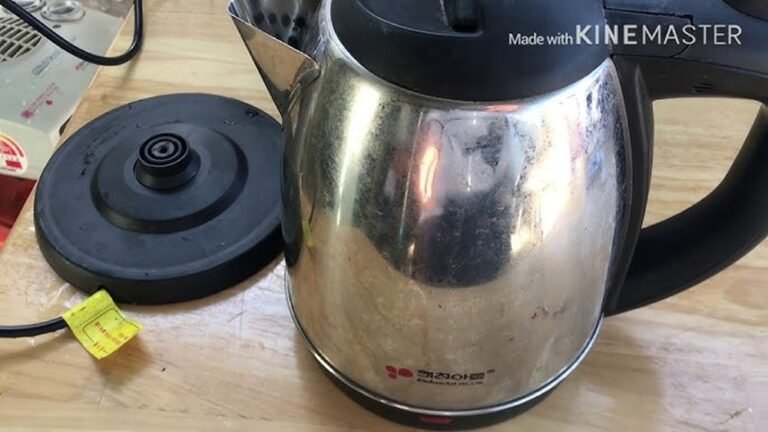
A clean kettle not only looks better but also boils water faster and uses less energy. Limescale (hard white or gray build-up) is a mix of calcium and minerals from tap water. If you live in a hard water area, you’ll see limescale sooner. Thick limescale can cause:
- Strange tastes in hot drinks
- Slower boiling times
- Higher energy bills
- Shorter kettle lifespan
Cleaning your kettle removes these problems. Regular care also prevents bacteria and mold, which can grow if you leave water sitting inside for days.
Top Methods To Clean An Electric Kettle
Let’s break down the most popular and effective ways to clean your kettle at home.
1. White Vinegar
White vinegar is a strong natural acid that dissolves mineral deposits. Here’s how to use it:
- Fill the kettle halfway with equal parts water and white vinegar.
- Boil the mixture.
- Let it sit for 15–20 minutes.
- Pour out the solution and scrub any leftover spots with a non-scratch sponge.
- Rinse well by boiling fresh water once or twice.
Pros: Cheap, natural, widely available
Cons: Strong smell (goes away after rinsing)
2. Lemon Juice
Lemon juice works like vinegar but smells fresher. It’s also acidic enough to dissolve limescale.
- Squeeze 1–2 lemons or use 1/4 cup of bottled lemon juice.
- Add to the kettle and fill halfway with water.
- Boil, let sit for 20 minutes.
- Pour, scrub, and rinse as above.
Pros: Pleasant smell, natural
Cons: Slightly less powerful than vinegar
3. Baking Soda
Baking soda is a gentle cleaner. It can remove stains and help with odors.
- Add one tablespoon of baking soda to the kettle.
- Fill halfway with water.
- Boil, let sit for 15–20 minutes.
- Pour, scrub gently, and rinse well.
Pros: Mild, safe for most kettles
Cons: Not as strong against heavy limescale
4. Commercial Kettle Descalers
These are powders or liquids made for kettles. Follow the instructions on the package.
Pros: Fast, designed for the job
Cons: Cost more, sometimes contain chemicals
5. Citric Acid
Citric acid powder is a strong, food-safe cleaner. It’s found in stores or online.
- Add 1–2 tablespoons of citric acid and fill with water.
- Boil, let sit, pour, and rinse.
Pros: Fast, no strong smell
Cons: May not be in every home
Comparing Cleaning Methods
Here’s a quick look at how the main cleaning methods stack up:
| Method | Strength | Smell | Price | Eco-Friendly |
|---|---|---|---|---|
| White Vinegar | High | Strong | Low | Yes |
| Lemon Juice | Medium | Pleasant | Low | Yes |
| Baking Soda | Low-Medium | Neutral | Low | Yes |
| Commercial Descaler | Very High | Varies | Medium-High | Sometimes |
| Citric Acid | High | Neutral | Low-Medium | Yes |
How Often Should You Clean Your Kettle?
For most people, cleaning every 1–2 months is enough. If you see limescale or live in a hard water area, clean once a month or more. Always empty and dry your kettle if you won’t use it for several days.
Step-by-step Guide: Deep Cleaning Your Kettle
Here’s a tried-and-true method using items you have at home:
- Choose your cleaner: Vinegar, lemon, or baking soda.
- Mix solution: Equal parts cleaner and water (see above for amounts).
- Boil: Turn the kettle on and let it boil.
- Soak: Let the hot solution sit for 15–30 minutes.
- Scrub: Use a non-abrasive sponge for stubborn spots.
- Rinse: Boil fresh water twice and pour it out to remove any taste or smell.
- Dry: Leave the lid open so the inside dries completely.
Expert tip: Don’t leave vinegar or acid solutions in your kettle overnight. This can damage metal parts or the heating element.
Cleaning The Exterior And Filter
Don’t forget the outside of your kettle and the mesh filter near the spout.
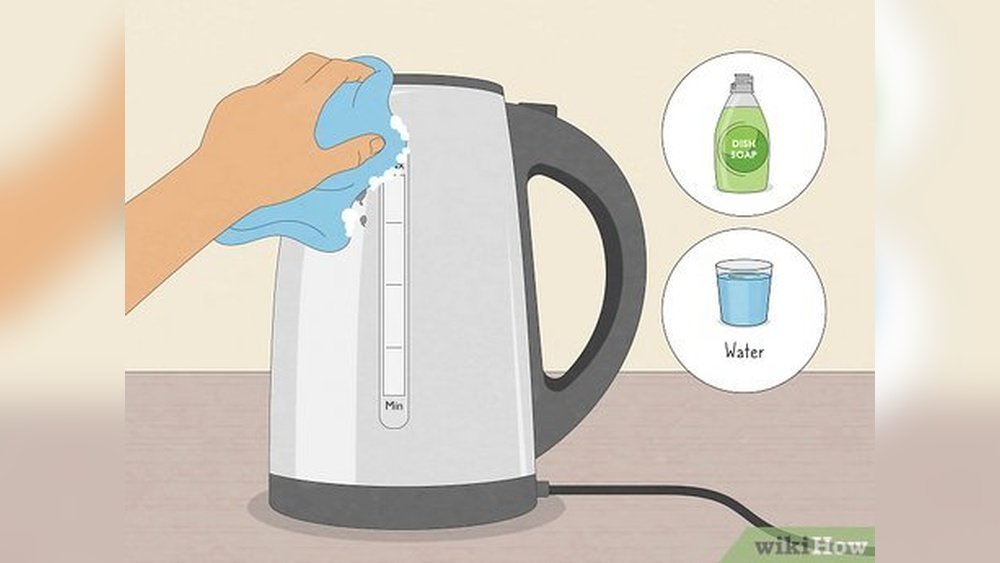
- Wipe the exterior with a damp cloth and mild dish soap. Dry well.
- For stainless steel, use a bit of baking soda on a damp sponge for shiny results.
- Remove the filter (if it’s removable) and soak in vinegar or lemon water for 10 minutes, then rinse.
Never submerge the whole kettle or get the electrical base wet.
What Not To Use For Cleaning
Some products and methods can ruin your kettle or even be unsafe:
- Bleach: Too harsh, can damage the metal and leave harmful residue.
- Abrasive pads: Scratch the surface, especially inside.
- Salt: Not effective for limescale, can corrode metal.
- Dishwasher: Most kettles are not dishwasher safe.
Always check your kettle’s manual for any special instructions.
Common Problems And How To Fix Them
Stubborn Limescale That Won’t Go Away
If you have thick, chalky deposits, repeat the vinegar or citric acid process twice. Scrape gently with a wooden or plastic spoon—never metal.
Bad Smells Or Tastes After Cleaning
Boil and discard clean water 2–3 times. Leave the lid open between uses for airflow.
Kettle Won’t Turn On After Cleaning
Make sure the base and kettle are both dry. Water in the wrong place can cause safety cut-offs. Wait an hour before trying again.
Safety Tips When Cleaning Electric Kettles
Unplug the kettle before you start. Let it cool down completely. Never soak the base or electrical parts. After cleaning, always rinse well to remove any cleaner taste.
If your kettle is old or very rusty, it may be safer to replace it. Damaged kettles can leak or cause electric shocks.
Kettle Cleaning By Material
Not all kettles are made the same. Here’s how materials matter:
| Material | Best Cleaner | Notes |
|---|---|---|
| Stainless Steel | Vinegar, Lemon, Baking Soda | Scratches easily—use soft sponges only |
| Glass | Vinegar, Lemon | Show limescale clearly—clean often |
| Plastic | Lemon, Baking Soda | Avoid vinegar—can damage plastic |
| Ceramic | Lemon, Baking Soda | Handle carefully—don’t knock or drop |
Expert tip: Always check the manual. Some kettles have coatings or filters that need special care.

Credit: www.infinibandta.org
Environmental And Health Considerations
Using natural cleaners like vinegar and lemon is better for the environment. They break down safely and don’t add chemicals to your water. If you want to avoid any residue, rinse the kettle well after cleaning.
If you have hard water, using a water filter can reduce limescale and help your kettle stay clean longer. This also improves the taste of tea and coffee.
When To Replace Your Electric Kettle
Even with good cleaning, kettles have a lifespan. If you notice:
- Rust that won’t scrub off
- Cracks or leaks
- Smell or taste that won’t go away after cleaning
- The kettle takes much longer to boil
…it’s probably time for a new one. Most kettles last 3–5 years with regular care.

Credit: www.infinibandta.org
Smart Maintenance: How To Keep Your Kettle Cleaner, Longer
- Use filtered or bottled water to reduce limescale
- Empty the kettle after each use—don’t leave water sitting
- Wipe the inside with a soft cloth every few days
- Leave the lid open after boiling to air out moisture
These habits can cut down your deep cleaning to just a few times a year.
Real-world Example: Cleaning Schedule
Here’s a sample cleaning routine for a busy family:
- Weekly: Quick rinse and dry; wipe outside
- Monthly: Deep clean with vinegar or lemon
- Every 3 months: Check filter, descale if needed
Staying on schedule means less build-up, better-tasting drinks, and a longer-lasting kettle.

Credit: www.infinibandta.org
Extra Benefits Of A Clean Kettle
A clean kettle isn’t just about looks. You’ll notice:
- Faster boiling (save time and energy)
- No strange flavors in tea or coffee
- Safer kitchen (less risk of electrical issues)
- Better performance from your appliance
Where To Learn More
For deeper information about limescale and water hardness, visit the Limescale Wikipedia page.
Frequently Asked Questions
How Do I Remove Heavy Limescale From My Kettle?
Use a strong vinegar or citric acid solution. Boil, let sit, and repeat if needed. For thick limescale, scrape gently with a plastic spoon. Always rinse well.
Can I Use Apple Cider Vinegar Instead Of White Vinegar?
Yes, but white vinegar is better. Apple cider vinegar works but may leave a smell or taste. Always rinse and boil fresh water after cleaning.
Is It Safe To Clean An Electric Kettle With Dish Soap?
You can use dish soap for the exterior, but avoid using it inside the kettle. Soap can leave residue and affect taste. Use vinegar, lemon, or baking soda for the inside.
Why Does My Kettle Smell After Cleaning?
If you smell vinegar or lemon, boil and pour out clean water once or twice. Leave the lid open to air out. Most smells will go away quickly.
Are Commercial Kettle Cleaners Safe?
Most are safe if used as directed. Always rinse the kettle after using any cleaner. If you have allergies or sensitivities, stick to natural options like lemon or baking soda.
Keeping your electric kettle clean is easy with the right method. Regular care means better drinks, a safer kitchen, and an appliance that lasts. Try these expert tips and enjoy fresh, hot water every time.

Hi, I’m Emma Carter, a passionate home cook with over 12 years of hands-on experience in home kitchens. I love testing kitchen tools, trying new recipes, and helping everyday cooks make smarter buying decisions. Every review and guide I write is based on real cooking experience, practical testing, and honest opinions, not marketing claims.