What Can You Cook in Electric Kettle: Quick Meal Ideas
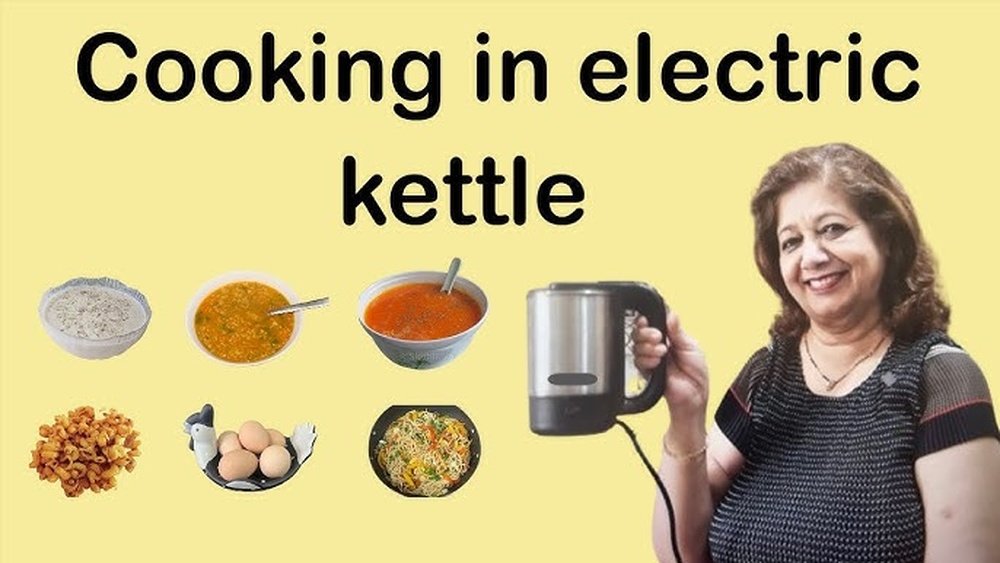
Many people think an electric kettle is only for boiling water. But as a home appliance expert, I can tell you that a good electric kettle is surprisingly versatile. If you live in a dorm, travel a lot, or want to save time in the kitchen, you can cook much more than tea or coffee. You can make instant noodles, boiled eggs, oatmeal, soup, and even cook pasta. In fact, with careful use, you can prepare a full meal using only your electric kettle.
Below, I’ll explain exactly what you can cook, how to do it safely, and share real tips from my years of hands-on experience.
Why Use An Electric Kettle For Cooking?
Many readers are students, busy workers, or travelers who have limited kitchen access. Others want fast, easy meals with less mess. Electric kettles are small, fast, and use less power than a stove or microwave. You don’t need fancy cooking skills—just water, ingredients, and a little patience.
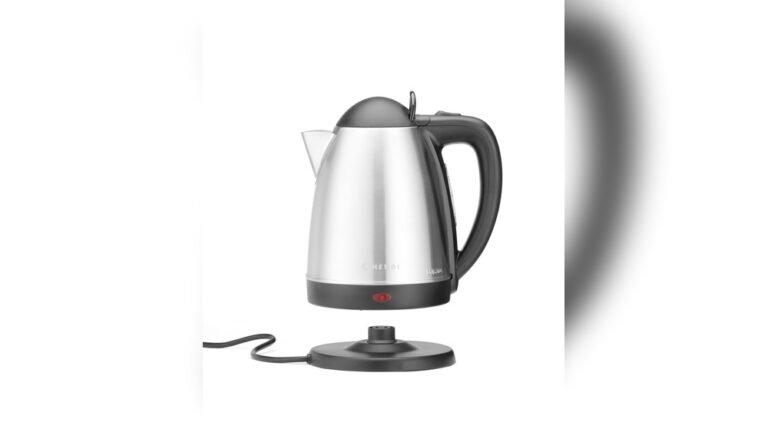
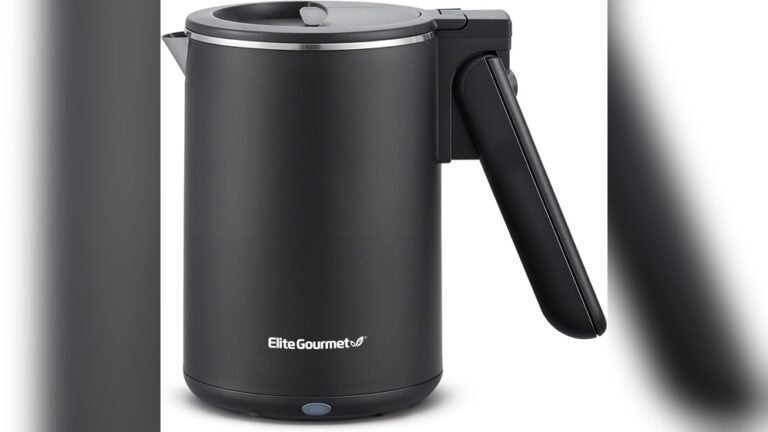
However, not all kettles are made for heavy cooking. Always check your kettle’s manual to avoid damaging it. Some models have exposed coils or plastic parts that can be hard to clean or hold food smells. Go for a stainless steel, wide-mouthed kettle if possible.
What You Can Safely Cook In An Electric Kettle
Here’s a list of foods you can cook in most electric kettles, with practical tips for each.
- Instant Noodles and Ramen: Add noodles and enough water to cover. Boil, then let sit for 2-3 minutes. Add seasoning last.
- Boiled Eggs: Place eggs carefully in the kettle. Fill with water. Boil and let stand for 8-10 minutes (soft or hard-boiled). Remove with tongs.
- Oatmeal or Porridge: Use quick-cook oats. Add oats and water, boil, then let soak a few minutes. Stir well.
- Soup (Instant or Fresh): Instant soup packets are simple—just add and boil. For fresh soup, use diced veggies and a soup cube. Boil for 5-10 minutes.
- Rice: Use pre-cooked or instant rice for best results. Add rice and water, boil, and let soak until soft.
- Pasta: Break spaghetti or use small shapes. Boil until soft. Drain carefully.
- Hot Dogs or Sausages: Add water and sausages, boil for 5-7 minutes.
- Vegetables: Cut into small pieces for faster cooking. Boil until soft.
- Tea, Coffee, Hot Chocolate: The basics! Boil water and mix with your favorite drinks.
- Ready-to-eat Meals (Cup Noodles, Mashed Potatoes, Couscous): Just add boiling water and let sit.
Cooking Methods: Direct Vs. Indirect
There are two main ways to cook in a kettle:
- Direct cooking: Put food straight into the kettle with water.
- Indirect cooking: Place food in a heat-safe container (like a metal bowl) inside the kettle.
Direct cooking is faster but can be messy. Food might stick or leave smells. Indirect cooking keeps your kettle cleaner and is better for foods that expand or stick, like oatmeal.
Comparison: Kettle Cooking Vs. Other Appliances
To help you decide if an electric kettle meets your needs, here’s a quick comparison:
| Appliance | Cooking Speed | Food Variety | Cleaning Ease | Power Use |
|---|---|---|---|---|
| Electric Kettle | Fast | Basic meals | Moderate | Low |
| Microwave | Fast | Wide | Easy | Moderate |
| Stove | Slow-Medium | Wide | Messy | High |
| Rice Cooker | Medium | Rice/grains | Easy | Low |
Insight: Kettles are best for speed and small spaces, but not for frying or baking.
Step-by-step: Cooking Common Foods In A Kettle
Cooking Instant Noodles
- Break noodles to fit inside the kettle.
- Add enough water to cover them.
- Turn on the kettle, let it boil, and then turn off.
- Let the noodles sit for 2-3 minutes. Add seasoning last.
- Stir and enjoy.
Tip: Avoid adding seasoning before boiling—it can stick to the heating coil.
Boiling Eggs
- Place eggs gently in the kettle. Add enough water to cover.
- Boil. Let eggs sit in hot water for 8-10 minutes.
- Use tongs or a spoon to remove eggs.
Non-obvious tip: Use older eggs—they peel easier than fresh eggs.
Cooking Oatmeal
- Add quick oats and water (ratio: 1 part oats, 2 parts water).
- Boil, then let sit for 2-3 minutes.
- Stir in sugar, honey, or fruit.
Expert advice: Clean the kettle right after eating. Oats dry and stick fast.
Heating Soup
- For instant soup, pour contents and water, then boil.
- For fresh soup, add diced vegetables, a soup cube, and water.
- Boil for 7-10 minutes. Stir and serve.
Caution: Don’t overload with veggies—small pieces cook best.
Foods To Avoid In An Electric Kettle
Not every food is safe to cook in a kettle. Here are foods to skip:
- Milk (can burn or overflow)
- Oily foods (stick and smell)
- Large pasta (clogs spout)
- Soups with cream (can burn)
- Rice from scratch (takes too long, sticky mess)
- Raw meat (unsafe, uneven cooking)
Boiling water is the main purpose. Anything that foams, burns, or is too sticky can ruin your kettle.

Credit: www.youtube.com
Table: Foods You Can And Can’t Cook
| Food | Cook in Kettle? | Notes |
|---|---|---|
| Instant Noodles | Yes | Simple and fast |
| Eggs | Yes | Boil, do not crack inside |
| Oatmeal | Yes | Clean kettle after use |
| Milk | No | May burn or overflow |
| Vegetables | Yes | Cut small for best results |
| Raw Meat | No | Unsafe to cook properly |
Safety Tips For Cooking In An Electric Kettle
Cooking in a kettle is safe if you follow some simple rules:
- Never fill above the max water line.
- Do not use for deep frying or with oil.
- Clean the kettle after each use to prevent smells and buildup.
- Avoid foods that foam or expand a lot.
- Unplug before cleaning or removing food.
Hidden risk: Many people forget that food pieces can block the spout and cause hot water to spill out. Always check before pouring.

Credit: www.onecreativecook.com
Cleaning And Maintenance
After cooking, always clean your kettle right away. If food dries inside, it is much harder to clean. Use a soft sponge and mild detergent. Never immerse your kettle in water—wipe the outside with a damp cloth.
For stuck-on food or smells, boil a mix of water and vinegar (1:1 ratio), then rinse well. This removes odors and limescale.
Expert tip: If your kettle has an exposed coil, avoid direct cooking. Food can get stuck and burn.
Advantages And Disadvantages Of Cooking In An Electric Kettle
Here’s a quick summary of the main pros and cons:
| Advantages | Disadvantages |
|---|---|
| Fast cooking | Limited types of food |
| Portable and compact | Harder to clean after heavy use |
| Low energy use | Can damage kettle if misused |
| Easy for students/travelers | Not for frying or baking |
Non-obvious insight: Some hotels do not allow cooking in kettles. Always check the rules if you travel.

Credit: www.netzwerkafrika.de
Choosing The Right Electric Kettle For Cooking
Not all kettles are equal. If you want to cook, look for:
- Wide opening for easy cleaning and adding food
- Stainless steel body (less smell, more durable)
- Hidden heating element for easier cleaning
- Auto shut-off to prevent accidents
- No plastic inside if possible (avoids taste and smell)
Common mistake: Many buy cheap plastic kettles and find they absorb food smells quickly.
Expert Tips For Better Results
- Use a timer: Many kettles turn off as soon as water boils. For foods needing longer cooking, restart the kettle or let food soak in hot water.
- Pre-cut ingredients: Smaller pieces cook much faster.
- Clean often: The more you cook, the more you need to clean.
- Try “steeping”: For foods like couscous or instant potatoes, boiling water and letting them sit works best.
- Check the warranty: Cooking in your kettle may void the warranty, so check before heavy use.
People Also Ask: Common Questions
Below are quick answers to questions people often search about electric kettle cooking.
Frequently Asked Questions
Can You Cook Rice From Scratch In An Electric Kettle?
It’s not recommended. Cooking raw rice takes a long time and may stick or burn. Use pre-cooked or instant rice for better results.
Is It Safe To Cook Eggs In A Kettle?
Yes, as long as you keep the shell on and don’t crack the egg inside. Always remove eggs gently to avoid burns.
Will Cooking In My Kettle Ruin The Taste Of Water Later?
If you cook strong-smelling foods (like soup or noodles), your kettle may keep some odor. Clean with vinegar and water to remove smells.
Can I Use Milk Instead Of Water In My Kettle?
No. Milk can burn, overflow, and is very hard to clean. Always use water in your kettle.
What Else Can I Cook In A Kettle For Variety?
You can try couscous, instant mashed potatoes, small pasta, steamed veggies, and even hot chocolate. Always avoid sticky, creamy, or oily foods.
For more creative cooking ideas and safety tips, you can check the Wikipedia electric kettle page.
Using an electric kettle for cooking is a smart solution for quick meals with minimal fuss. With careful use, you can enjoy hot, simple dishes almost anywhere. Just remember to clean your kettle, stay safe, and use it for foods it can handle.
A little creativity goes a long way!
Hi, I’m Emma Carter, a passionate home cook with over 12 years of hands-on experience in home kitchens. I love testing kitchen tools, trying new recipes, and helping everyday cooks make smarter buying decisions. Every review and guide I write is based on real cooking experience, practical testing, and honest opinions, not marketing claims.