
Is a Stovetop Or Electric Kettle Better? Pros, Cons & Verdict
Is A Stovetop Or Electric Kettle Better?
Many people wonder: Is a stovetop or electric kettle better for making hot drinks at home? The quick answer: For most people, an electric kettle is faster, safer, and more energy-efficient than a stovetop kettle. But if you love tradition or want to heat water over gas or fire, a stovetop kettle has its own charm. The best choice depends on your needs, kitchen setup, and what you value most—speed, style, cost, or safety.
If you want to make the right choice for your home, let’s break down the key differences, benefits, and drawbacks of both options. As someone who’s tested and used dozens of kettles, I’ll share expert advice, clear comparisons, and real-life tips to help you decide.
Who Is This Guide For?
This article is for anyone who:
- Drinks tea, coffee, or instant soup regularly
- Wants to buy their first kettle or upgrade from an old one
- Wonders if an electric kettle is worth the price
- Values safety, speed, and energy use in the kitchen
- Wants to avoid common mistakes when choosing a kettle
Let’s dive into what really matters when picking a kettle and answer some common questions along the way.
How Stovetop And Electric Kettles Work
Before we compare, it helps to know how each kettle type works.
Stovetop kettles are simple. You fill them with water, place them on a gas or electric stove, and wait for the whistle. The heat from the stove boils the water.
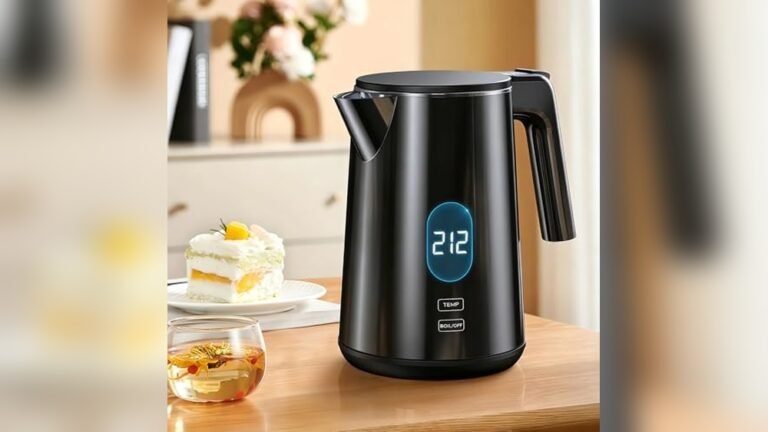
Electric kettles have a built-in heating element. Plug them into the wall, fill with water, press a button, and they heat up fast—some models even let you choose the exact temperature.
Both types can make hot water, but the way they work affects speed, energy use, and safety.
Main Differences At A Glance
Here’s a quick side-by-side look:
| Feature | Stovetop Kettle | Electric Kettle |
|---|---|---|
| Heat Source | Gas/Electric Stove | Built-in Electric Element |
| Speed | Slower (5–10 min) | Faster (2–5 min) |
| Temperature Control | No | Often Yes |
| Safety Auto-Off | No | Yes |
| Style | Classic/Retro | Modern/Varied |
| Price Range | Low-Mid | Low-High |
Electric Kettles: Fast, Safe, And Efficient
If you’re always in a hurry, an electric kettle is a game-changer. Most models boil water in 2–5 minutes. The heating element is in direct contact with the water, so there’s less energy loss. Some high-end electric kettles even let you set the temperature for green tea, coffee, or baby formula.
Key Benefits
- Speed: Most electric kettles boil a liter of water in under 4 minutes. A stovetop kettle usually takes 7–10 minutes for the same amount.
- Energy Efficiency: Electric kettles use about 80% of the energy to heat water. Stovetop kettles waste more heat into the air.
- Safety Features: Nearly all electric kettles have automatic shut-off and boil-dry protection. This means they turn off when water is ready or if the kettle is empty—helping to prevent accidents.
- Convenience: Just plug in, fill, and press a button. No need to watch the pot.
Common Electric Kettle Drawbacks
- More Expensive: Good electric kettles can cost more than basic stovetop ones, especially with features like temperature control or stainless steel bodies.
- Breakdown Risk: Electric parts can fail over time. Heating elements or switches may stop working.
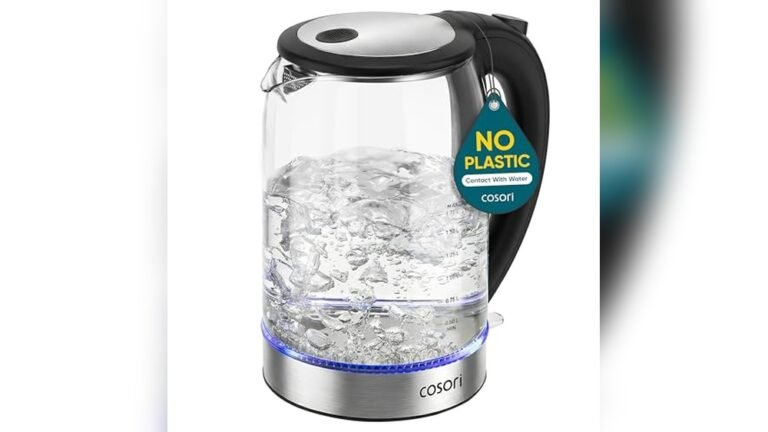
- Plastic Taste: Some cheaper models use plastic interiors, which can give water an off-taste, especially when new.
Who Should Choose An Electric Kettle?
- Busy families, students, and office workers
- People who want fast, safe boiling
- Tea and coffee lovers who need precise temperatures
- Homes with reliable electricity
Real-life Example
A college student with little time for breakfast can use an electric kettle to make oatmeal, tea, or instant noodles in minutes—saving time every morning.
Stovetop Kettles: Classic Design And Simplicity
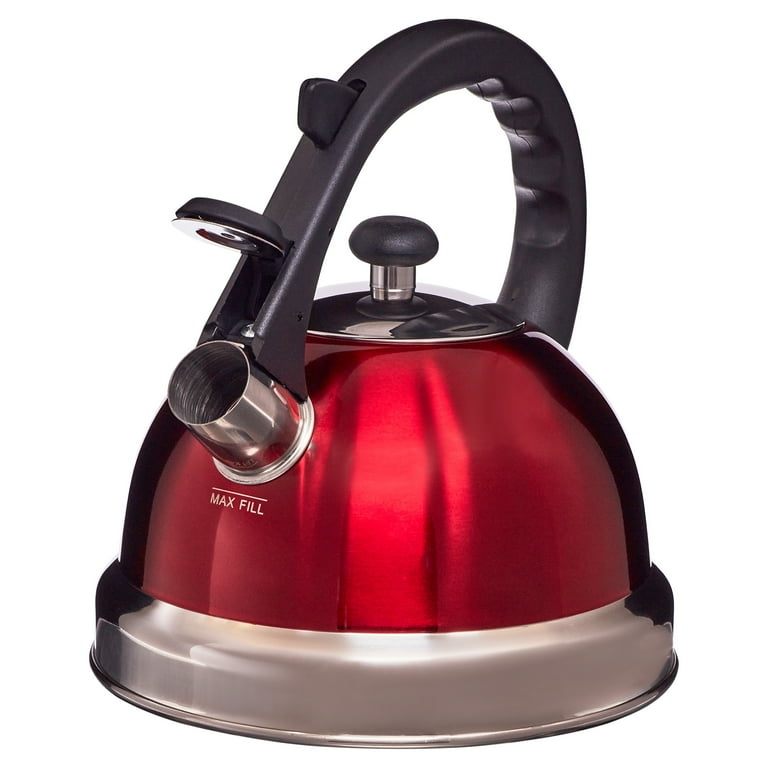
The stovetop kettle is a kitchen classic. You might remember the sound of a whistling kettle from your childhood. These kettles are simple, tough, and work on any stove—even a campfire.
Key Benefits
- Durability: No electronics to break. With care, a good stovetop kettle can last decades.
- Versatility: Works on gas, electric, or even induction stoves (if the base is magnetic). Some can be used on open flames during camping trips.
- Classic Style: Many people love the traditional look and feel of a stovetop kettle. It’s a kitchen centerpiece.
Common Stovetop Kettle Drawbacks
- Slower Heating: Takes longer to boil water—5 to 10 minutes, depending on stove type and kettle size.
- No Auto Shut-Off: If you forget, the kettle will keep boiling. Water can boil away and damage the kettle.
- Less Energy Efficient: More heat is lost to the kitchen air.
- Safety Risk: Handle and body can get very hot. Young children or distracted adults can get burned.
Who Should Choose A Stovetop Kettle?
- People who enjoy tradition or simple tools
- Campers or off-grid homes
- Kitchens with limited outlets or unreliable power
Real-life Example
A family who loves camping brings their stovetop kettle to heat water over a campfire—something an electric kettle can’t do.
Comparing Boiling Speed
Speed is one of the biggest reasons people pick an electric kettle. Let’s compare typical boil times for 1 liter (about 4 cups) of water:
| Kettle Type | Boil Time (1L) | Notes |
|---|---|---|
| Electric Kettle (1500W) | 2–4 min | Depends on wattage |
| Stovetop Kettle (Gas) | 5–7 min | Gas stoves heat faster than electric coils |
| Stovetop Kettle (Electric Coil) | 7–10 min | Old coil stoves are slowest |
This speed difference saves time, especially if you make multiple hot drinks a day.
Energy Use And Cost To Run
Many people ask: “Which kettle uses less energy and costs less to run?” The answer is usually the electric kettle—if you only heat the water you need.
- Electric kettle: About 0.05–0.1 kWh per boil (1L)
- Stovetop kettle: About 0.12–0.18 kWh per boil (1L, gas or electric stove)
If electricity costs $0. 15 per kWh, an electric kettle costs about $0. 007 per boil, while a stovetop kettle costs $0. 02. Over a year, the difference adds up, especially for heavy tea or coffee drinkers.
Expert tip: Only boil the amount of water you need. Overfilling wastes both time and energy.
Taste, Materials, And Build Quality
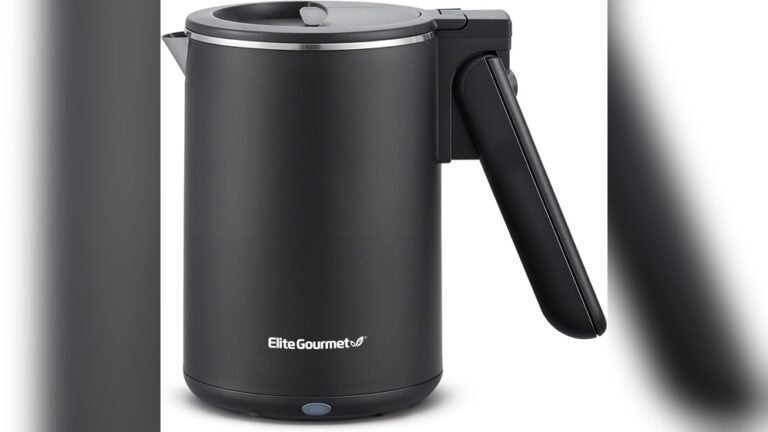
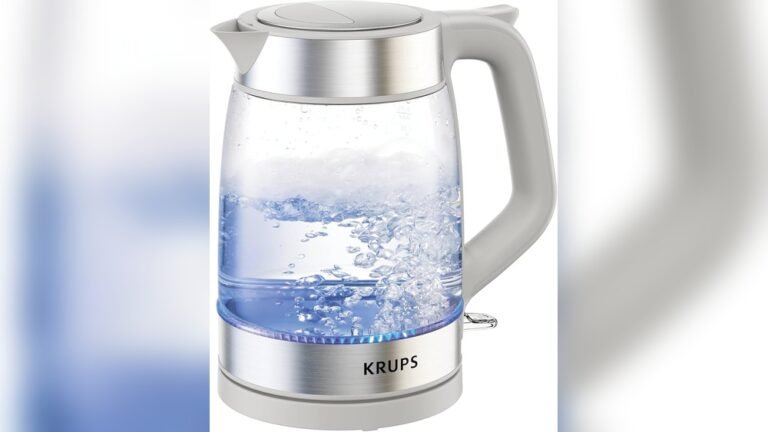
Does water taste different from each kettle? Sometimes. Electric kettles with plastic parts can give water a chemical taste, especially when new. Stainless steel or glass models avoid this problem.
Stovetop kettles made of stainless steel, glass, or enamel do not add taste to water. Some people say water boiled over a flame tastes better, but there’s little scientific proof.
Materials To Consider
- Stainless Steel: Durable, no taste added, easy to clean.
- Glass: Lets you see the water, but can break if dropped.
- Plastic: Cheaper, but may affect taste and safety.
- Enamel: Pretty and classic, but can chip if dropped.
For best taste, choose a kettle with a stainless steel or glass interior.
Credit: www.walmart.com
Safety Features And Common Mistakes
Electric kettles are generally safer because of auto shut-off. They turn off when water boils or if there’s no water inside. This reduces fire risk.
Stovetop kettles rely on you to notice when water is ready. If you forget, the kettle can boil dry, burn, or even melt (for some models).
Common Mistakes To Avoid
- Overfilling: Both types can spill hot water if filled past the max line.
- Leaving on Heat: With stovetop kettles, always stay nearby. Never leave them unattended.
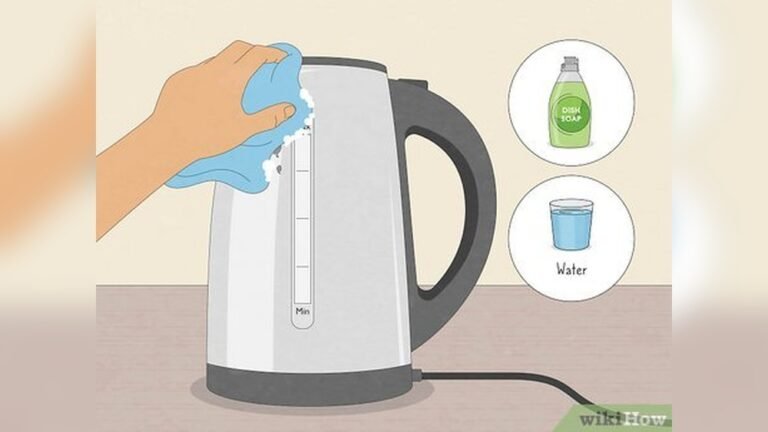
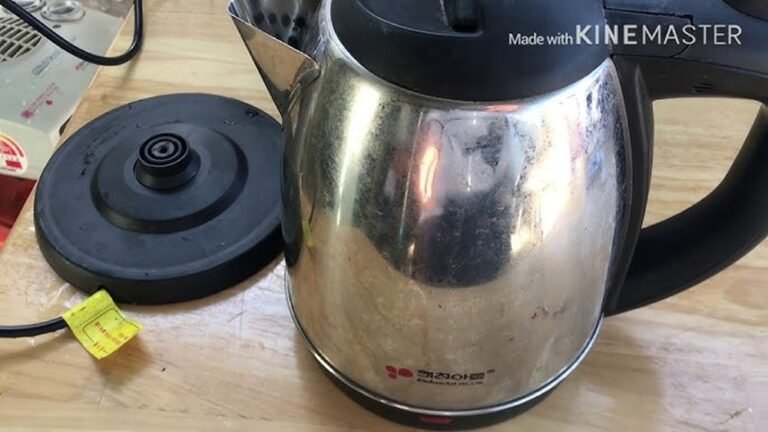
- Letting Scale Build Up: Hard water leaves mineral deposits. Clean your kettle monthly with vinegar or a descaler.
- Touching Hot Surfaces: Kettle bodies and handles can get hot. Use an oven mitt if unsure.
Special Features: What To Look For
Some electric kettles come with extra features that make life easier. Here’s what matters:
- Temperature Control: Lets you set water temperature for green tea, black tea, or coffee.
- Keep Warm: Holds water at your chosen temperature for 30–60 minutes.
- Cordless Base: Makes pouring and refilling easier.
- Quiet Boil: Some models are designed to reduce noise.
Stovetop kettles may have:
- Loud Whistle: Alerts you when water boils.
- Ergonomic Handle: Stays cooler for safe pouring.
- Wide Opening: Easier to fill and clean.

Credit: www.darkmattercoffee.com
Environmental Impact
Electric kettles are more energy-efficient but may break sooner, creating electronic waste. Stovetop kettles can last decades but use more daily energy. If you want to reduce your carbon footprint, buy only what you need, care for your kettle, and avoid overfilling.
Price Range And Value
A basic stovetop kettle costs $15–$40. High-end designer models can cost more. Electric kettles start around $20 for simple models. Premium kettles with features like temperature control or double-walled insulation can cost $60–$150.
If you drink tea or coffee daily, a good kettle is a smart investment. Avoid the cheapest plastic models—they often break or affect water taste.
Which Is Best For You? A Quick Guide
Choosing between a stovetop and electric kettle comes down to your needs:
- Want speed, safety, and convenience? Electric kettle
- Love classic style or need something for the stove or campfire? Stovetop kettle
- Need precise temperatures for tea or coffee? Electric kettle with temperature control
- On a tight budget or want something that lasts decades? Stovetop kettle
As a home appliance expert, I recommend an electric kettle for most modern kitchens. But if you love the ritual of a whistling kettle or need something for camping, stovetop kettles still have a place.
Frequently Asked Questions
Why Does My Electric Kettle Taste Like Plastic?
New electric kettles with plastic parts can release chemicals that affect water taste. To remove the taste, boil water and discard it 2–3 times before first use. Choose stainless steel or glass interiors for better taste and health.
Is Boiling Water In A Kettle Better Than A Microwave?
Yes, for most people. Kettles heat water more evenly and are safer. Microwaves can create superheated water, which is dangerous and can spill or explode.
Can I Use An Electric Kettle When Traveling Abroad?
Maybe. Check the voltage. US kettles use 110–120V. Many countries use 220–240V. Using the wrong voltage can break your kettle or cause safety hazards. Some travel kettles are dual voltage—always read the label.
How Often Should I Clean My Kettle?
Clean your kettle monthly if you have hard water. Use equal parts vinegar and water, boil, let sit, then rinse well. This removes mineral buildup (scale) and keeps your kettle working well.
Are Electric Kettles Safe To Leave Plugged In?
Yes, most are safe due to auto shut-off. However, unplugging when not in use saves a tiny bit of energy and avoids rare electrical faults. Always check the cord and plug for damage.

Credit: www.amazon.com
Final Thoughts
Both stovetop and electric kettles have strengths and weaknesses. For most people, an electric kettle is the best choice—faster, safer, and more energy-efficient. Stovetop kettles are perfect for those who love tradition, style, or need a versatile tool for the stove or outdoors.
The most important advice: Match your choice to your lifestyle. Think about how often you boil water, what features matter, and your kitchen’s setup. With the right kettle, you’ll enjoy every cup—whether it’s tea, coffee, or instant noodles.
For more on energy use and appliance efficiency, visit the U.S. Department of Energy.
Hi, I’m Emma Carter, a passionate home cook with over 12 years of hands-on experience in home kitchens. I love testing kitchen tools, trying new recipes, and helping everyday cooks make smarter buying decisions. Every review and guide I write is based on real cooking experience, practical testing, and honest opinions, not marketing claims.