Electric Kettle Not Heating But Light Is On? Fix It Now!
If you’re reading this, chances are your electric kettle is not heating but the light is on. You might be a student, a busy parent, or someone who enjoys tea or coffee every day. Your search is clear: You want to know why the kettle isn’t working even though it seems to have power, and how you can fix it, safely. As a home appliance expert who has repaired hundreds of kettles, I’ll walk you through the causes, solutions, safety checks, and a few smart tips. Let’s solve your problem so you can get back to boiling water quickly and safely.
Why Your Electric Kettle’s Light Is On But It’s Not Heating
When your kettle’s power light comes on but the water stays cold, this usually means electricity is reaching the base, but the heating element is not working. Most often, the issue is one of these:
- Burnt out heating element
- Faulty thermostat
- Loose or broken internal wiring
- Mineral buildup (limescale) blocking heat transfer
- Failed safety cut-off or thermal fuse
Let’s look at each cause, how to check for it, and what you can do. In many cases, you’ll need to decide if a repair is safe or if it’s time to replace the kettle.
Quick Troubleshooting Steps
Before you open the kettle or spend money, try these simple checks:
- Unplug and replug the kettle. Sometimes, the base isn’t connected well.
- Try another outlet to rule out a faulty socket.
- Check the lid and switches. If the lid isn’t closed or the switch is loose, the kettle might not heat.
If these steps don’t help, you’ll need a closer look.
How An Electric Kettle Works
Understanding the parts will help you spot problems. Here’s a basic overview:
- Heating element: This metal coil heats the water.
- Thermostat: It senses water temperature and turns off the kettle when boiling.
- Thermal fuse or cut-off: A safety device that stops overheating.
- Power indicator light: Shows that electricity is on.
If the light is on, power is reaching the kettle. The problem is likely between the heating element and the thermal fuse.
Common Causes And How To Diagnose Them
1. Burnt Out Heating Element
This is the most frequent cause. The element heats up every time you use the kettle. Over time, it can break.
How to check:
- Fill the kettle with water. Turn it on.
- If the light is on but the water stays cold, the element may be dead.
A failed element usually means the kettle is not repairable. Most kettles seal the element inside the base, and replacing it costs more than a new kettle.
2. Faulty Thermostat
The thermostat controls when the kettle shuts off. If it fails open, it won’t let power reach the element.
How to check:
- Listen for a clicking sound when you turn the kettle on. No sound could mean a stuck thermostat.
- If the kettle stays on but doesn’t heat, the thermostat may be faulty.
Some thermostats can be replaced, but for most home kettles, this is difficult and not recommended unless you’re experienced with electrical repairs.
3. Loose Or Broken Internal Wiring
Inside the kettle base, wires connect the plug, switch, light, and heating element. Over time, these can loosen, burn, or break.
How to check:
- Gently shake the kettle and base (while unplugged). If you hear rattling, something may be loose.
- If you see scorch marks or smell burning plastic, there’s likely a wiring problem.
Unless you have repair experience, do not open the kettle. Exposed wires are dangerous.
4. Mineral Buildup (limescale)
If you live in an area with hard water, minerals can build up on the heating element. This acts like insulation, blocking heat from moving into the water.
How to check:
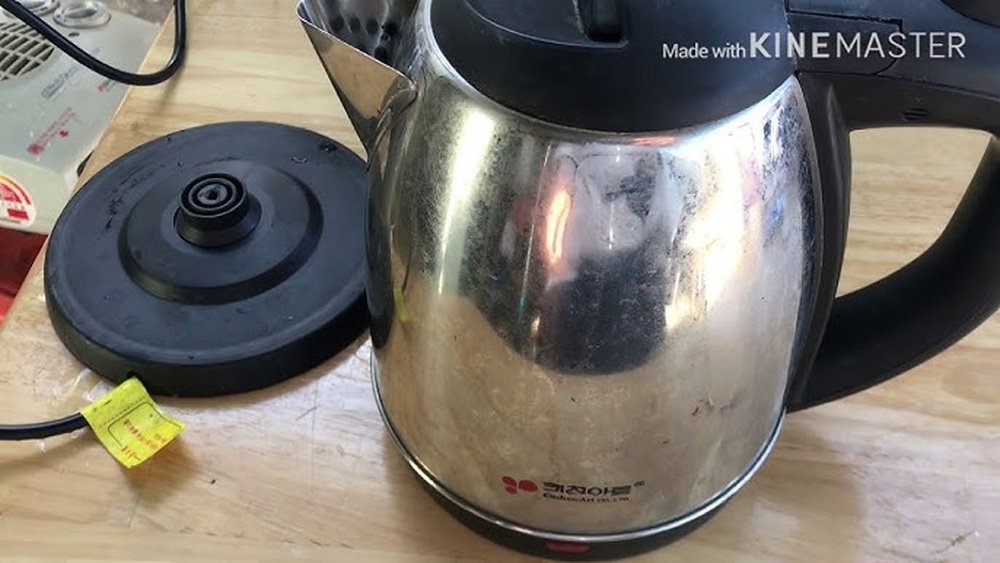
- Look inside the kettle. White or brown crusts around the element signal limescale.
- The element may get hot but not heat water efficiently.
Descaling with vinegar or a commercial descaler can often fix this problem.
5. Failed Safety Cut-off Or Thermal Fuse
Kettles include a thermal fuse—a small, hidden device that cuts power if the kettle overheats. Once it blows, the kettle will not heat, but the light can stay on.
How to check:
- If the kettle stopped working after boiling dry, the fuse may have blown.
- This part is not user-replaceable in most kettles.
If your kettle is still under warranty, contact the manufacturer.

Credit: www.youtube.com
Comparing Electric Kettle Faults
To help you see the differences between common faults, here’s a quick comparison:
| Problem | Light On? | Water Heats? | Repairable? |
|---|---|---|---|
| Burnt Heating Element | Yes | No | Rarely |
| Faulty Thermostat | Yes | No | Sometimes |
| Internal Wiring Issue | Yes | No | Sometimes |
| Limescale Buildup | Yes | Slow or No | Yes |
| Blown Thermal Fuse | Yes | No | No |
How To Safely Fix A Kettle That Won’t Heat
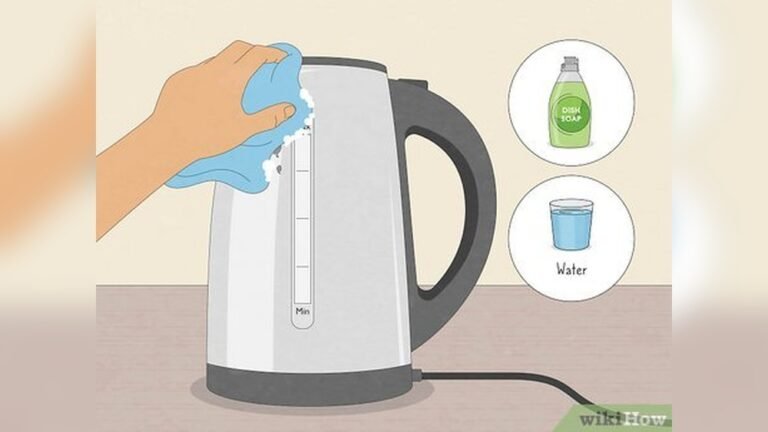
1. Descale The Kettle
If you see limescale, descale first. Here’s how:
- Fill with equal parts water and white vinegar.
- Boil (if possible). If not, let soak overnight.
- Rinse thoroughly and boil clean water before using again.
2. Check For Simple Fixes
- Make sure the kettle sits properly on its base.
- Check the power cord for breaks or damage.
- Try another appliance in the same outlet to rule out electrical issues.
3. When To Repair Or Replace
If the heating element or thermal fuse is faulty, replacement is usually better. Trying to repair these parts can be dangerous and is often more expensive than a new kettle.
4. Professional Repairs
Some high-end or commercial kettles have replaceable parts. If your kettle was expensive or has sentimental value, contact the manufacturer or a qualified appliance technician.
Credit: www.midea.com
Safety Warnings And Best Practices
- Never open a kettle while it’s plugged in.
- Water and electricity are a dangerous mix.
- If you see smoke, smell burning, or see melted plastic, unplug immediately.
- Don’t try to bypass safety cut-offs. They prevent fires.
- Only use replacement parts from the manufacturer.
When To Call Customer Service
If your kettle is under warranty, don’t open it. Most companies will replace or repair it for free. Have your purchase receipt ready, and write down the model number and problem before you call.
How To Prevent Future Kettle Problems
You can avoid most issues by:
- Descaling monthly if you have hard water.
- Never boiling the kettle dry.
- Filling only to the max line—overfilling can damage internal parts.
- Unplugging when not in use for safety.
It’s also smart to buy a kettle with a removable filter, as this makes cleaning easier.
Electric Kettle Types: Which Lasts Longer?
Let’s compare two popular types:
| Kettle Type | Heating Element Location | Common Problems | Durability |
|---|---|---|---|
| Concealed Element | Hidden under base plate | Limescale, wiring issues | High |
| Exposed Element | Visible coil in water | Limescale, element burns out | Medium |
Concealed element kettles are more common today. They’re easier to clean and less likely to burn out, but can be harder to repair.
Real-world Example
A client once brought in a two-year-old kettle that wouldn’t heat, but the light was on. The cause? Thick limescale covered the heating plate. After a simple vinegar soak, it worked perfectly again. In another case, the issue was a burnt-out element.
The cost of repair was more than a new model, so the client replaced the kettle.
Cost Comparison: Repair Or Replace?
Here’s a quick guide to help you decide:
| Issue | DIY Fix Cost | Professional Repair | New Kettle Price |
|---|---|---|---|
| Limescale | $1 (vinegar) | $0–$20 | $20–$60 |
| Heating Element | Rarely possible | $30–$60 | $20–$60 |
| Thermostat/Fuse | Not advised | $30–$80 | $20–$60 |
In most cases, replacing the kettle is the best value unless it’s a high-end model.

Credit: www.walmart.com
Non-obvious Insights Most People Miss
- Water Quality Matters: Using filtered or distilled water reduces limescale and extends the life of your kettle. Most people skip this, but it’s a simple way to avoid problems.
- Don’t Ignore the Filter: Many kettles have a small, removable filter near the spout. If clogged, it can cause slow heating and even trigger the safety cut-off.
- Power Surges: In areas with unstable electricity, surges can damage the kettle’s electronics even if the light still works. Using a surge protector helps.
Related Issues: What Else Can Go Wrong?
- Kettle leaks: Usually a seal or crack problem—replace the kettle.
- Switch won’t stay on: Could be a mechanical issue or faulty contacts.
- Strange noises: Often mean limescale or a loose part.
Final Thoughts
If your electric kettle is not heating but the light is on, don’t panic. Most often, the problem is limescale or a failed heating element. Start with simple cleaning and checks. If the kettle is old or damaged, replacing it is usually safest and cheapest. Remember, safety comes first—never take risks with electricity and water. If in doubt, ask a professional or use the warranty. For further guidance on safe home appliance use, check resources like Wikipedia.
Frequently Asked Questions
Why Does My Kettle’s Light Turn On But It Doesn’t Heat Water?
This means electricity is reaching the indicator, but the heating element is likely faulty, or there is a problem with the thermostat, wiring, or thermal fuse.
Can I Repair A Kettle With A Burnt-out Heating Element?
In most cases, no. Heating elements are not designed for home repair. It’s safer and usually cheaper to replace the kettle.
Is It Safe To Use Vinegar To Descale My Electric Kettle?
Yes, using a mix of white vinegar and water is safe and effective for removing limescale. Always rinse well after descaling.
How Can I Prevent My Kettle From Stopping Heating In The Future?
Descale regularly, never boil dry, and use filtered water if possible. These actions prevent most problems.
Does The Type Of Kettle Affect How Often It Breaks?
Yes. Concealed element kettles last longer and are easier to clean, while exposed element models are more affected by limescale and can burn out faster. Choose a quality model for best results.

Hi, I’m Emma Carter, a passionate home cook with over 12 years of hands-on experience in home kitchens. I love testing kitchen tools, trying new recipes, and helping everyday cooks make smarter buying decisions. Every review and guide I write is based on real cooking experience, practical testing, and honest opinions, not marketing claims.