In What Ways is an Electric Kettle Dangerous: Safety Risks Explained
Electric kettles are everywhere, in homes, offices, and dorm rooms. If you’re searching for “In What Ways is an Electric Kettle Dangerous,” you probably want to know the real risks before buying or using one. The main dangers with electric kettles are electric shock, fire hazard, burns, boiling dry, and material safety. These risks are often overlooked, especially by new users or people who don’t read safety instructions carefully. As a home appliance expert who has seen many kettle-related accidents, I’ll explain each danger, share how to avoid them, and offer practical tips for safe use.
Electric Shock Risk
Electric kettles run on high voltage. If water touches electrical parts, you can get a shock. This often happens when:
- The kettle is overfilled and water spills into the base.
- The cord or plug is damaged.
- The kettle is used near sinks or wet counters.
Even modern kettles with safety features can cause shocks if used carelessly. For example, I’ve seen people touch plugs with wet hands, leading to painful shocks. Always unplug the kettle before cleaning, and never fill it while it’s plugged in.
Common Mistakes That Cause Shocks
- Using the kettle with wet hands.
- Plugging in while standing in water.
- Ignoring frayed cords or loose plugs.
How To Prevent Electric Shocks
- Keep the kettle and plug dry.
- Inspect cords regularly for damage.
- Only use outlets with ground fault circuit interrupter (GFCI) protection, especially in kitchens.
Fire Hazard: Overheating And Short Circuits
Electric kettles heat water quickly. If left unattended or misused, they can start a fire. This is rare but possible, especially with old or cheap models.
How Fires Start
- Automatic shut-off fails, and kettle keeps heating after boiling dry.
- Faulty wiring causes a short circuit.
- The kettle is used with the wrong voltage.
Here’s a comparison of fire risk between electric kettles and other appliances:
| Appliance | Fire Risk Level | Common Cause |
|---|---|---|
| Electric Kettle | Medium | Boil-dry, wiring fault |
| Microwave | Low | Metal inside |
| Toaster | High | Crumbs, overheating |
| Coffee Maker | Low | Electrical fault |
Expert Tips For Fire Prevention
- Never leave a kettle unattended while boiling.
- Don’t use extension cords unless they’re rated for high wattage.
- Replace any kettle with a broken automatic shut-off.
Scalding And Burn Injuries
The water inside electric kettles can reach 212°F (100°C). Steam and boiling water can cause serious burns.
Real-life Examples
- Kids reaching for the kettle and spilling hot water.
- Pouring water too fast, causing splashes.
- Touching the metal body right after boiling.
These injuries can be severe, especially for children or the elderly. Always place kettles out of reach and use the handle, not the body, to pour.
Preventing Burns
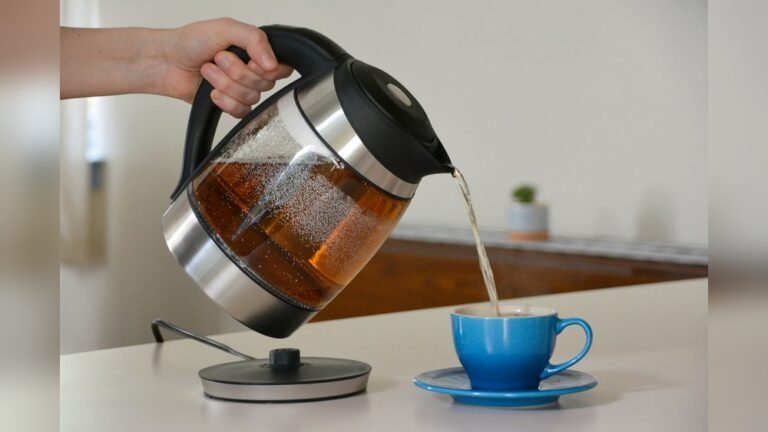
- Wait a few seconds after boiling before pouring.
- Use kettles with cool-touch exteriors.
- Teach children not to touch the kettle.
Boil-dry: What Happens If The Kettle Runs Empty
If you turn on an electric kettle with no water, it can overheat, damage itself, or even start a fire. Most modern kettles have boil-dry protection, but it can fail.
| Kettle Type | Boil-Dry Protection | Risk Level |
|---|---|---|
| Basic (no protection) | No | High |
| Modern (with protection) | Yes | Low |
| Smart Kettle | Advanced | Very Low |
Expert Advice
- Always check the water level before turning on.
- If the kettle switches off by itself, check for boil-dry before using again.
- Replace old kettles lacking this feature.
Credit: lifetips.alibaba.com
Material Safety: Plastic, Metal, And Chemicals
Not all kettles are made equal. Some use plastic that can leach chemicals into water, especially if boiling repeatedly. Metal kettles may rust, and old models sometimes contain unsafe materials.
Health Risks
- Bisphenol A (BPA) found in some plastics is linked to health problems.
- Metal kettles can release nickel or lead if poorly made.
Consider this data on material safety:
| Material | Safety Rating | Potential Risk |
|---|---|---|
| Stainless Steel | High | Low (unless damaged) |
| BPA-Free Plastic | Medium | Low (if certified) |
| Cheap Plastic | Low | High (chemical leaching) |
| Glass | High | Low (breakage risk) |
How To Choose A Safe Kettle
- Pick BPA-free or stainless steel models.
- Avoid old or damaged kettles.
- Check for certifications like UL or CE.
Steam And Lid Pressure
Steam builds up inside the kettle. If you open the lid too quickly, hot steam can burn your hands and face. Some kettles have tight lids that pop open, releasing steam suddenly.
Preventing Steam Injuries
- Open the lid slowly, away from your face.
- Let the kettle cool for a minute after boiling.
- Use models with steam vents.

Credit: www.guestsupply.com
Faulty Design And Manufacturing Defects
Some kettles have poor design or are made with cheap parts. This increases risk of malfunction, leaks, or even explosion in rare cases.
Signs Of Unsafe Kettles
- Loose handles or bases.
- Water leaking from seams.
- Strange noises during boiling.
If you notice any of these, stop using the kettle and contact the manufacturer. Poorly made kettles are often found in very cheap models or unbranded imports.
Environmental Hazards: Waste And Disposal
Electric kettles don’t last forever. If not disposed of properly, they can pollute the environment. Many contain plastics and metals that take years to break down.
Safe Disposal Tips
- Recycle through official e-waste programs.
- Don’t throw kettles in regular trash.
- Remove batteries from smart kettles before recycling.

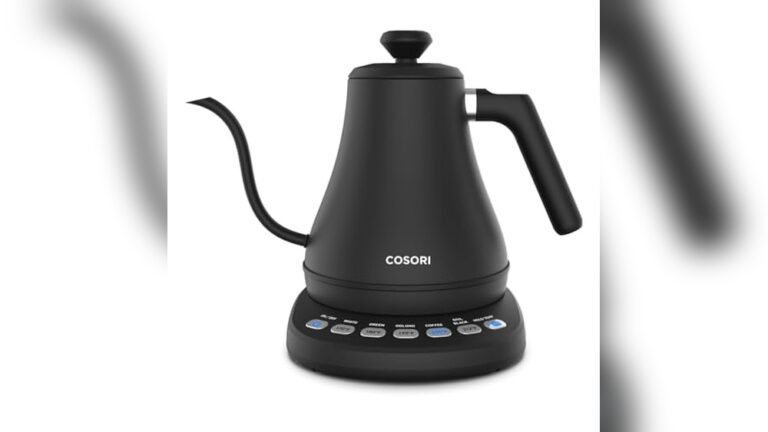
Credit: cosori.com
Comparing Electric Kettles To Other Heating Methods
Many people ask if electric kettles are safer than stovetop kettles or microwave heating. Here’s a comparison:
| Method | Burn Risk | Fire Risk | Material Safety |
|---|---|---|---|
| Electric Kettle | Medium | Medium | High (if BPA-free) |
| Stovetop Kettle | High | High | High (if stainless steel) |
| Microwave | Low | Low | Medium (depends on container) |
Electric kettles are safer than stovetop kettles because they have automatic shut-off. However, the risk of electric shock and material leaching is unique to electric models.
Expert Tips For Safe Use
After years of testing kettles, I recommend:
- Choose reputable brands with safety certifications.
- Check for automatic shut-off and boil-dry protection.
- Inspect your kettle monthly for cracks, leaks, or cord damage.
- Keep the kettle away from children and pets.
- Never immerse the kettle base in water.
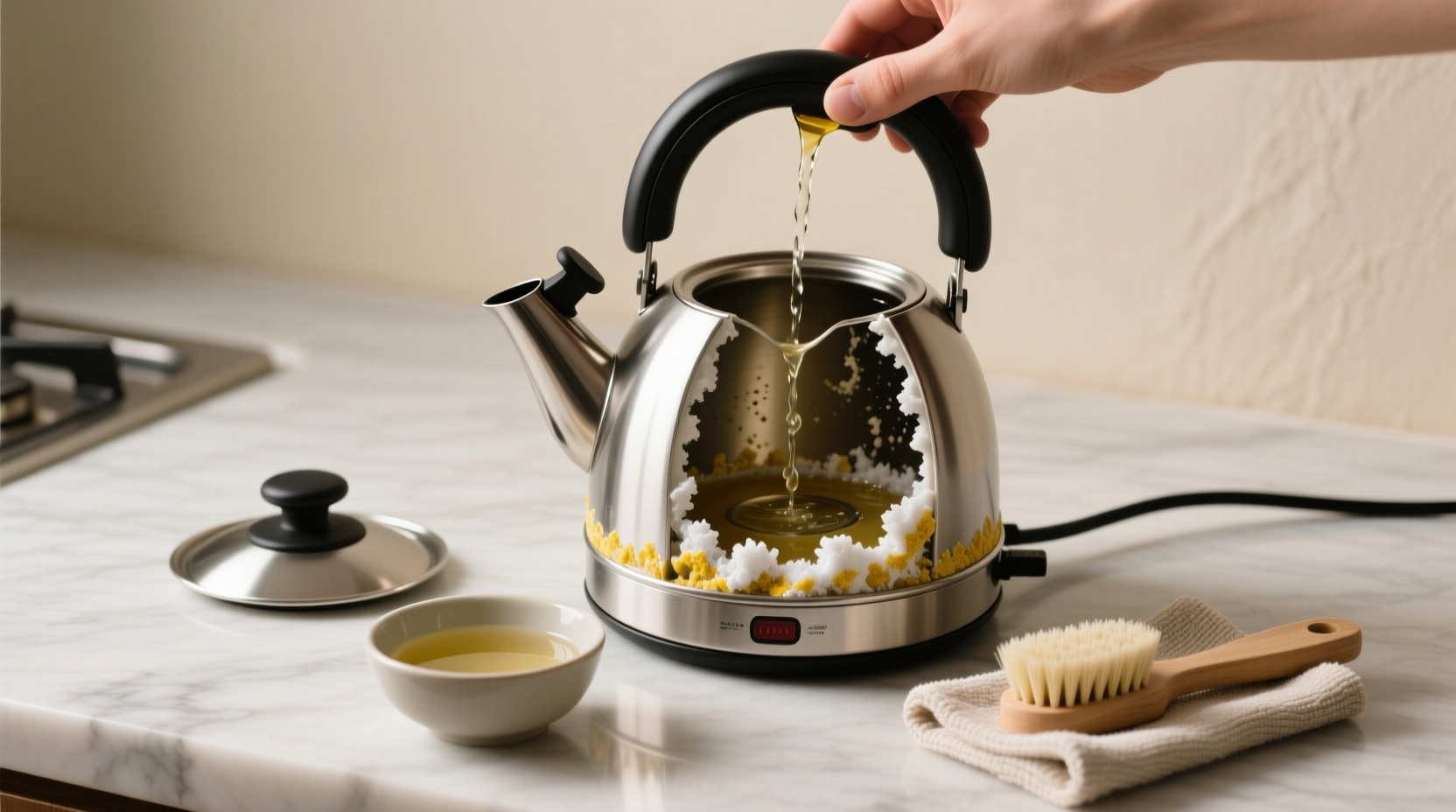
- Clean mineral deposits regularly, as buildup can affect sensors.
What Most Beginners Miss
Many people forget that:
- Even a cheap kettle can boil water faster, but it may lack safety features.
- Leaving water in the kettle overnight can cause bacteria growth.
- Using a kettle for soups or other liquids can damage sensors and void warranties.
These non-obvious risks are why reading the manual is so important.
Legal And Regulatory Standards
In the US and EU, kettles must meet strict electrical safety rules. Look for labels like UL, CE, or ETL on the packaging. Avoid unbranded imports that may not meet safety standards.
For more details on appliance safety regulations, see this Consumer Reports Guide.
Frequently Asked Questions
How Do I Know If My Electric Kettle Is Safe?
Check for certifications like UL or CE. Inspect the cord, plug, and body for any damage. Make sure it has automatic shut-off and boil-dry protection.
Can Boiling Water In Plastic Kettles Be Harmful?
If the plastic is not BPA-free, it can leach chemicals into your water. Always use BPA-free or stainless steel kettles.
What Should I Do If My Kettle Leaks?
Stop using the kettle right away. Leaks can cause electric shock or fire. Contact the manufacturer or replace the kettle.
Is It Safe To Leave Water In The Kettle Overnight?
It’s not recommended. Stale water can grow bacteria, and minerals may build up. Empty the kettle after each use for best safety.
What Is The Safest Way To Clean An Electric Kettle?
Unplug the kettle, let it cool, and use white vinegar or lemon to remove mineral deposits. Never immerse the base in water.
Electric kettles offer fast, easy boiling—but you need to understand their risks to use them safely. By following expert advice, inspecting your kettle often, and choosing quality brands, you can avoid most dangers. Stay aware of potential hazards, and enjoy hot drinks with confidence.

Hi, I’m Emma Carter, a passionate home cook with over 12 years of hands-on experience in home kitchens. I love testing kitchen tools, trying new recipes, and helping everyday cooks make smarter buying decisions. Every review and guide I write is based on real cooking experience, practical testing, and honest opinions, not marketing claims.