What is an Electric Kettle: Benefits, Uses, and Buying Guide
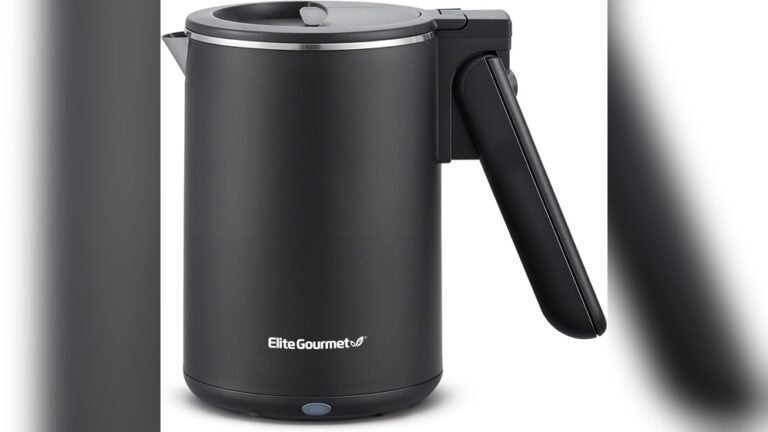
An electric kettle is a small kitchen appliance used to boil water quickly using electricity. Most people use it for making tea, coffee, instant noodles, or even for speeding up cooking. Unlike a stove-top kettle, an electric kettle heats water inside its own container using a built-in heating element. Just fill it, plug it in, press a button, and in a few minutes, you have hot water. If you’re new to electric kettles, you might wonder if they’re safe, how they work, and why so many homes worldwide rely on them. This article, written by a home appliance expert, explains everything you need to know in clear, simple English.
Who Needs An Electric Kettle And Why?
If you drink tea, coffee, or hot chocolate, or if you live in a place where people enjoy instant foods, an electric kettle can save you time and effort. It’s especially useful for students, busy parents, office workers, or anyone who wants hot water fast without waiting for a stove. People living in dorms, shared apartments, or small kitchens often choose electric kettles because they are compact and easy to use.
How Does An Electric Kettle Work?
An electric kettle has a heating element (usually metal) at its base. When you turn the kettle on, electricity flows into the heating element, which quickly gets hot and warms the water. Most kettles have an automatic shut-off feature, so when the water reaches boiling point (212°F or 100°C), the kettle turns itself off. This keeps the water from boiling away and prevents accidents.
Step-by-step: Using An Electric Kettle
- Fill the kettle with the amount of water you need.
- Place it on the base (for cordless models) or plug it in directly.
- Press the power switch—usually a lever or button.
- Wait a few minutes until the water boils and the kettle clicks off.
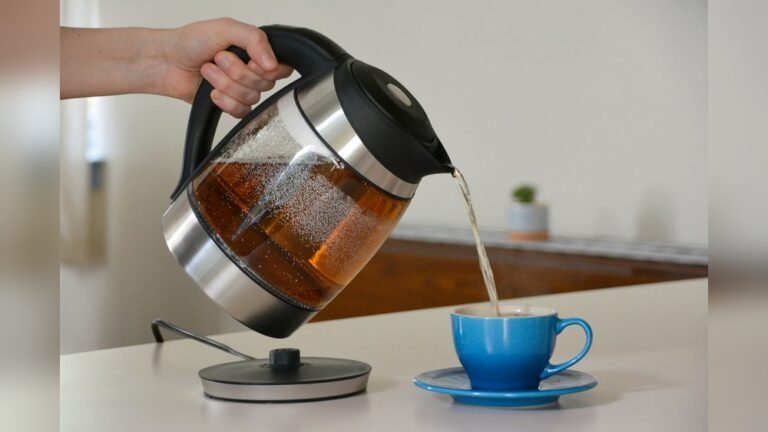
- Pour the hot water carefully.
Most electric kettles have safety features like auto shut-off and boil-dry protection (which stops the kettle if there’s no water inside).

Credit: www.nytimes.com
Main Types Of Electric Kettles
Electric kettles come in different shapes, sizes, and materials. Here are the main types:
By Material
- Plastic: Lightweight and often cheaper, but may absorb odors over time.
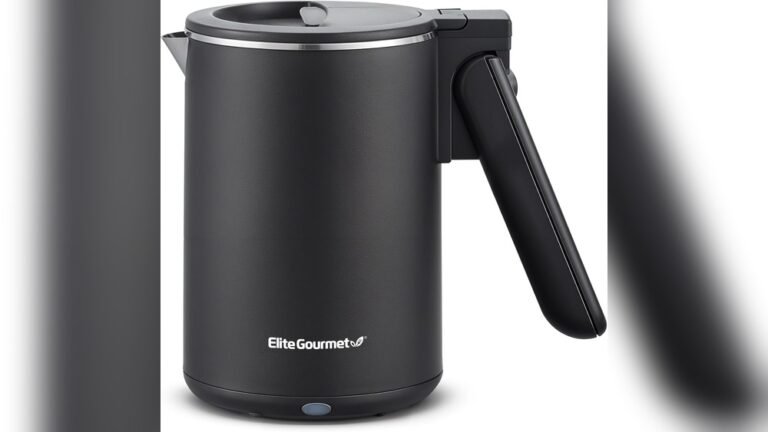
- Stainless Steel: Durable, keeps water hotter for longer, and looks modern.
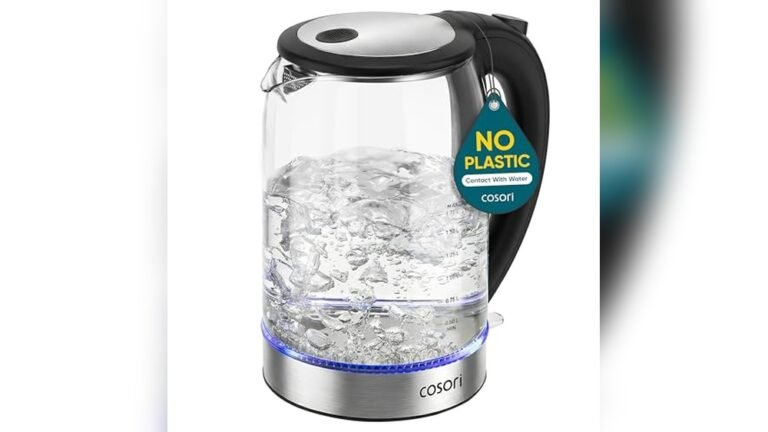
- Glass: Lets you see the water boiling, but can be heavier and breakable.
By Design
- Corded Kettles: The cord is attached directly to the kettle.
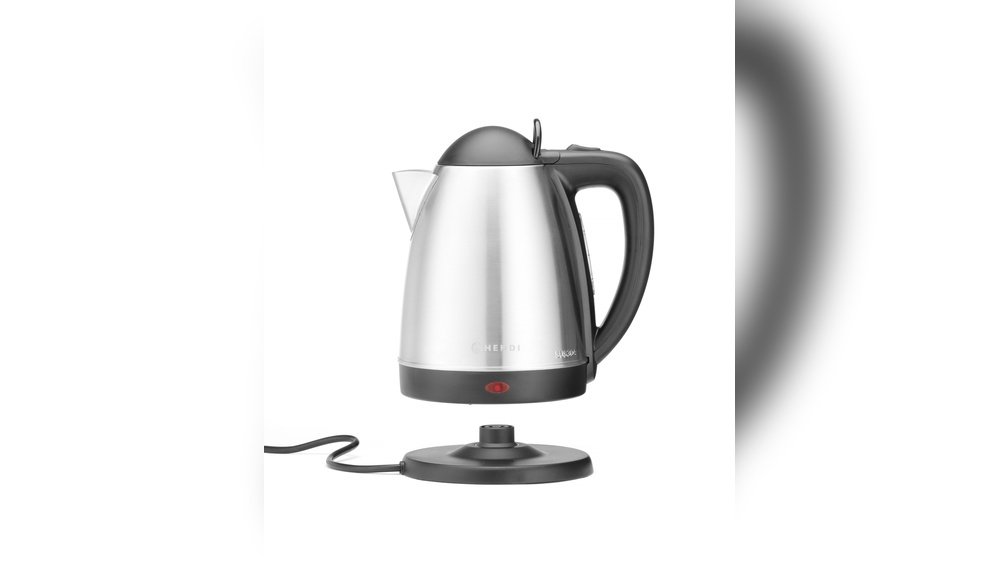
- Cordless Kettles: The kettle sits on a base that connects to power. You can lift the kettle off the base for pouring, which is more convenient.
By Capacity
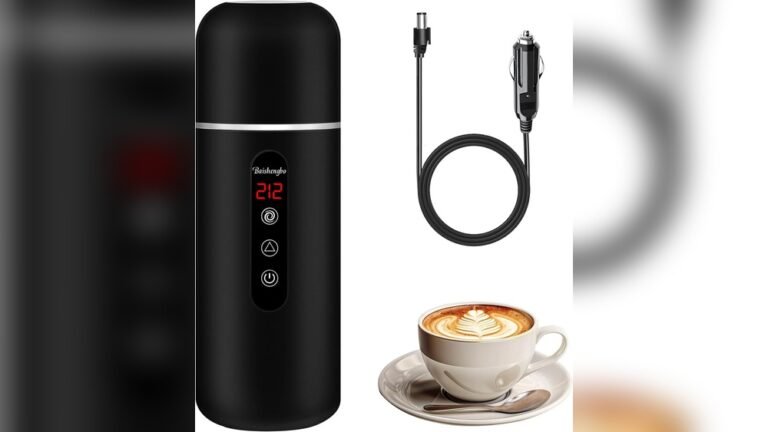
Most electric kettles hold between 1 to 2 liters (about 4 to 8 cups). Some travel kettles are smaller, holding 0.5 liters or less, perfect for one person or travel.
By Features
Some kettles offer temperature control, so you can heat water to the perfect temperature for green tea, coffee, or instant noodles. Others have keep-warm functions or special filters.
Main Features And Benefits
Electric kettles are popular because they offer many advantages:
- Speed: Boil water in 2–5 minutes, much faster than a microwave or stove.
- Energy Efficiency: Use less energy than heating water on a stove.
- Safety: Automatic shut-off and boil-dry protection reduce fire risk.
- Convenience: Just plug in and go—no need to watch the pot.
- Portability: Many are lightweight and easy to move or pack.
Feature Comparison Table
Here’s a quick comparison of common features in electric kettles by material:
| Material | Durability | Heat Retention | Weight | Price Range |
|---|---|---|---|---|
| Plastic | Medium | Low | Light | Low |
| Stainless Steel | High | High | Medium | Medium-High |
| Glass | Medium | Medium | Heavy | Medium |
:max_bytes(150000):strip_icc()/electric-tea-kettle-lead-gk-03edb0a024e84410b33e5e0467c624ab.jpg)
Credit: www.seriouseats.com
Electric Kettle Vs. Stove-top Kettle
Many people ask if electric kettles are better than traditional stove-top kettles. The answer depends on your needs.
Key Differences
- Speed: Electric kettles usually boil water in half the time.
- Safety: Electric models turn off automatically; stove-top kettles need watching.
- Energy Use: Electric kettles are more efficient, wasting less heat.
- Cost: Electric kettles may cost more upfront but save energy over time.
- Portability: Electric kettles can be used anywhere with a power outlet.
Comparison Table
| Feature | Electric Kettle | Stove-Top Kettle |
|---|---|---|
| Boiling Time (1L) | 2–5 minutes | 6–10 minutes |
| Automatic Shut-Off | Yes | No |
| Requires Stove | No | Yes |
| Energy Efficiency | High | Medium-Low |
| Cost (average) | $20–$70 | $10–$50 |
| Portability | High | Low |
Choosing The Right Electric Kettle
There are many electric kettles on the market. Here’s what really matters when choosing one:
- Capacity: Buy a kettle that fits your family size. For one or two people, 1 liter is enough. For larger families, choose 1.5–2 liters.
- Material: Stainless steel is best for durability. Glass looks stylish but is heavier. Avoid very cheap plastic models, as they may affect taste.
- Speed: Most kettles boil water in 2–5 minutes, but some high-powered models are even faster.
- Safety Features: Look for auto shut-off and boil-dry protection.
- Temperature Control: Useful if you make different types of tea or coffee.
- Ease of Cleaning: Removable lids and wide openings make cleaning easier.
- Noise Level: Some kettles are quieter than others.
- Cordless Design: Easier to pour and move around.
- Filter Quality: Fine mesh filters keep minerals and limescale out of your cup.
Common Mistakes When Buying
- Ignoring safety features: Always choose a model with auto shut-off.
- Choosing too large or small: Match the size to your real needs.
- Buying cheap plastic kettles: They can affect water taste and may not last.
- Not checking power rating: Higher wattage (1500–2000W) means faster boiling.
Maintenance And Cleaning Tips
To keep your electric kettle working well:
- Descale regularly: Minerals in water create white limescale inside. Use a mix of vinegar and water to clean it every 1–2 months.
- Rinse after use: Especially if you use it for drinks other than water.
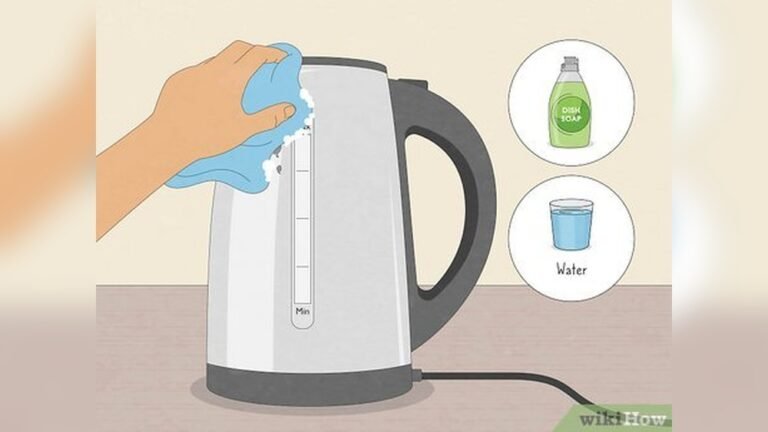
- Wipe the outside: Use a damp cloth to keep it clean and shiny.
- Never immerse in water: Only clean the inside and outside surfaces, not the electric base.
Cleaning Frequency Table
| Water Hardness | Descale Every | Recommended Cleaner |
|---|---|---|
| Soft | 3–4 months | Vinegar/Water |
| Medium | 2 months | Lemon Juice |
| Hard | 1 month | Commercial Descaler |
Safety Precautions
While electric kettles are safe, always follow these rules:
- Don’t overfill: Water can spill out when boiling.
- Keep away from children: The kettle and water get very hot.
- Use on flat surfaces: Prevents spills and accidents.
- Unplug when not in use: Reduces risk of electric shock.
- Check the cord: Replace if it’s damaged.
A common beginner mistake is using the kettle without enough water—this can damage the heating element. Always add at least the minimum amount marked inside.

Credit: www.amazon.com
Expert Tips For Best Results
- Use filtered water to reduce limescale and improve taste.
- For pour-over coffee or green tea, look for kettles with precise temperature control.
- If you need hot water often, choose a model with a keep-warm feature.
- If you travel, buy a compact, dual-voltage kettle to use worldwide.
- Store the kettle dry with the lid open to prevent odors and mold.
Many people forget to descale their kettle regularly, which can slow down boiling and even cause the kettle to stop working. Set a reminder on your phone or calendar.
Environmental Impact And Energy Usage
Electric kettles are more energy efficient than most stoves or microwaves for boiling water. According to the US Department of Energy, electric kettles can be up to 80% efficient, while stove-top kettles may only reach 70%. Using only the amount of water you need each time saves both water and energy.
Some advanced kettles have eco modes that use less power or heat only the amount of water you select. This is a good choice for environmentally conscious users.
For more details on energy efficiency and safe use, you can visit this Wikipedia page.
Frequently Asked Questions
What Is The Main Difference Between An Electric Kettle And A Stove-top Kettle?
The main difference is how they heat water. Electric kettles use a built-in heating element and plug into an outlet, boiling water faster and shutting off automatically. Stove-top kettles sit on a gas or electric stove and need you to turn off the heat yourself.
Can I Boil Milk Or Cook Food In An Electric Kettle?
It is not recommended to boil milk or cook food in most electric kettles. Milk can boil over, burn, or damage the heating element. Only use your kettle for boiling water unless the manual says it’s safe for other liquids.
How Long Does An Electric Kettle Last?
A good electric kettle can last 3–5 years with regular use and proper care. Cleaning and descaling often will help extend its life. Cheaper models may wear out sooner, especially if used heavily.
Is Drinking Water From An Electric Kettle Safe?
Yes, if you use a BPA-free or stainless steel kettle and keep it clean, boiled water is safe to drink. Always check for certifications and read reviews before buying to avoid low-quality products.
What Should I Do If My Electric Kettle Stops Working?
First, check if the kettle is plugged in and the power outlet works. Make sure you did not overfill or underfill the kettle. If it still does not work, read the user manual or contact the manufacturer. Often, problems are caused by limescale buildup or a faulty switch.
Electric kettles are one of the most useful small appliances for any modern kitchen. They save time, use less energy, and are easy to use. By choosing the right model, cleaning it well, and using it safely, you can enjoy hot drinks and quick meals every day.
Whether you are a student, a busy worker, or someone who loves tea, an electric kettle makes life simpler and more convenient.
Hi, I’m Emma Carter, a passionate home cook with over 12 years of hands-on experience in home kitchens. I love testing kitchen tools, trying new recipes, and helping everyday cooks make smarter buying decisions. Every review and guide I write is based on real cooking experience, practical testing, and honest opinions, not marketing claims.