What Are Paring Knives Used For? Best Kitchen Guide
What Are Paring Knives Used For
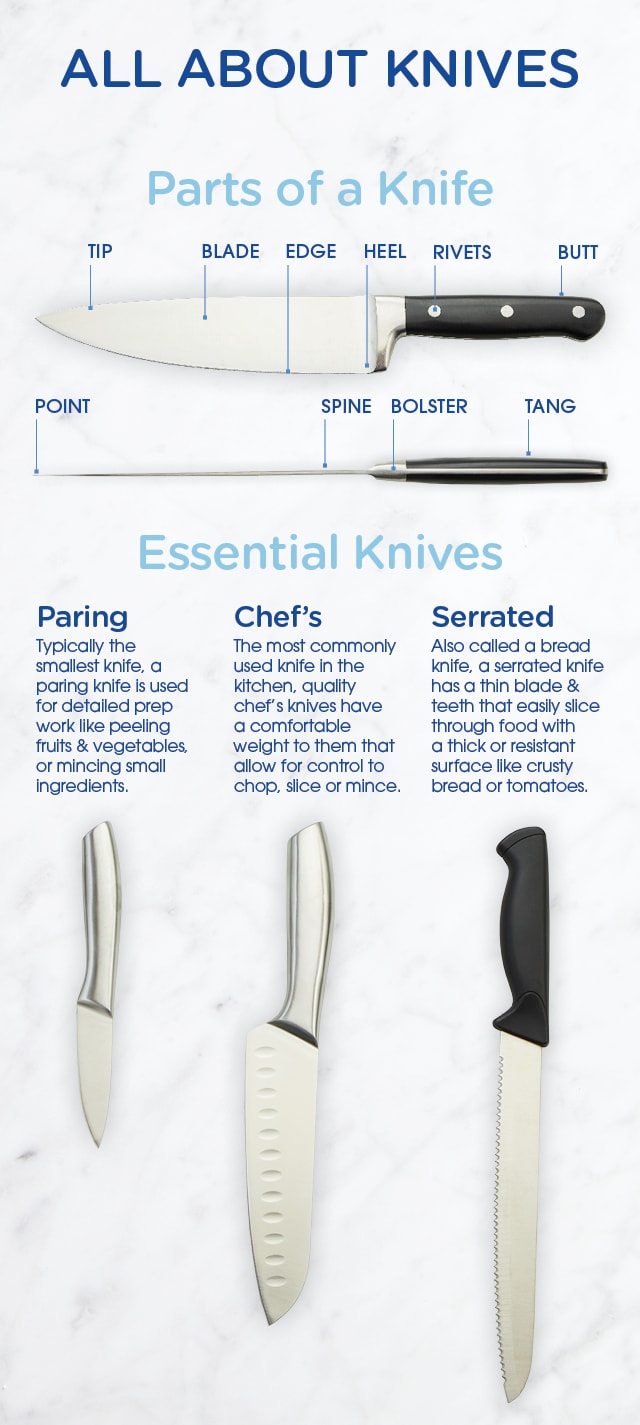
If you’re new to cooking or just starting your kitchen journey, you may wonder: What are paring knives used for? Simply put, a paring knife is a small, sharp knife used for detailed work, like peeling, trimming, and slicing small foods. It’s the tool you reach for when a big chef’s knife is too large or clumsy. Paring knives help you work with precision and control, especially for tasks that need careful hands. This article will guide you through their uses, features, and tips for choosing and caring for your paring knife.
Who Should Use A Paring Knife And Why
A paring knife is perfect for home cooks, beginners, and professionals alike. If you often prepare fruits, vegetables, or need to handle small foods, a paring knife makes your job much easier. Unlike bigger knives, the paring knife’s small size and pointed tip allow you to get close to the food and make exact cuts.
Search Intent And Pain Point
Most people searching this topic want to know:
- What a paring knife does
- How it’s different from other knives
- Which tasks require a paring knife
- How to use it safely and correctly
Beginners often struggle with peeling or slicing small items. Using the wrong knife can be dangerous and lead to poor results. A paring knife solves this by giving you control and safety, reducing waste, and helping you create better-looking dishes.
Key Features Of Paring Knives
Paring knives stand out for their simple yet efficient design. Let’s look at their unique traits.
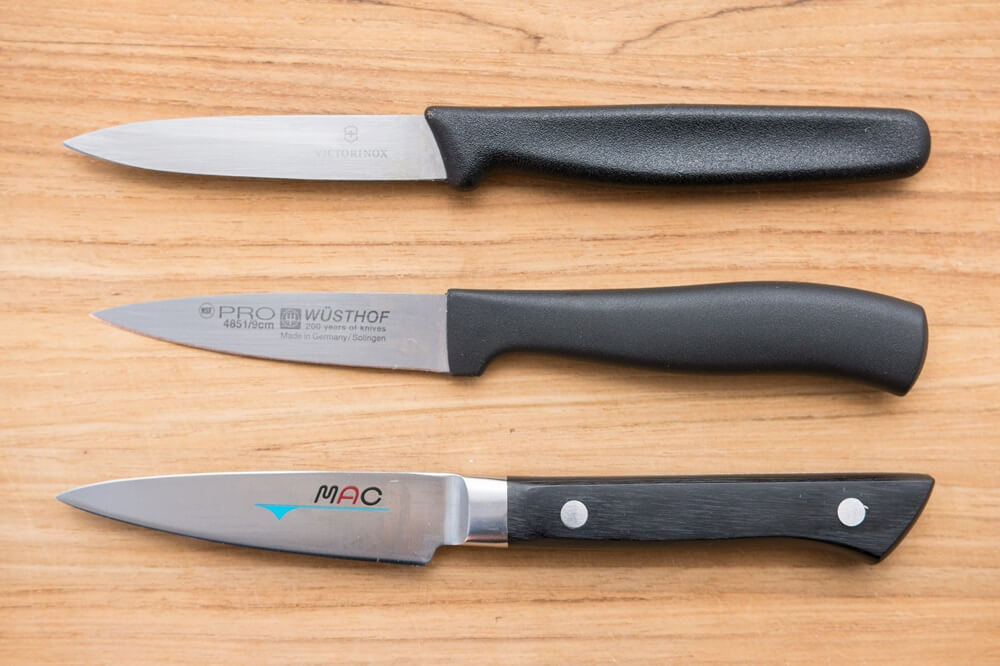
- Blade length: Usually 2.5–4 inches
- Blade shape: Straight, spear, or bird’s beak
- Edge: Fine, sharp, often single bevel
- Handle: Ergonomic, easy to grip
The short blade keeps your hand close to the food, increasing control. The sharp tip lets you pierce or carve with accuracy. Good paring knives use strong blade steel for edge retention and easy sharpening.
Paring Knife Vs. Chef’s Knife
To help you understand the difference, here’s a comparison:
| Feature | Paring Knife | Chef’s Knife |
|---|---|---|
| Blade Length | 2.5–4 inches | 6–12 inches |
| Best For | Small, detailed tasks | Large, general cutting |
| Control | High | Moderate |
| Edge Retention | Depends on steel | Depends on steel |
| Versatility | Limited | Very versatile |
Common Uses Of Paring Knives
Paring knives are the go-to tool for many kitchen jobs. Here are the main uses:
- Peeling fruits and vegetables: Apples, potatoes, carrots, and more.
- Trimming: Removing stems, eyes, or blemishes from produce.
- Slicing small foods: Garlic, strawberries, mushrooms.
- Deveining shrimp: Removing the dark vein with precision.
- Segmenting citrus: Cutting oranges or grapefruits into neat segments.
- Creating garnishes: Shaping lemon twists, vegetable flowers.
- Corer: Removing seeds from peppers or tomatoes.
- Scoring: Making shallow cuts in dough or meat for cooking.
Let’s dig deeper into some tasks with practical examples.
Example: Peeling An Apple
Hold the apple in your hand. Use the paring knife to gently cut away the skin, moving the blade in a circular motion. The small blade follows the apple’s shape, so you waste less fruit.
Example: Deveining Shrimp
Lay the shrimp flat. Use the tip of the paring knife to make a shallow cut along the back. Pull out the vein with the blade or your fingers.
Types Of Paring Knives And Blade Shapes
Paring knives come in different shapes, each suited for a specific job.
Straight Paring Knife
- Best for: Slicing, trimming, and peeling
- Shape: Straight edge, pointed tip
Spear Point Paring Knife
- Best for: Precision cutting, coring, and segmenting
- Shape: Narrow blade, sharp point
Bird’s Beak Paring Knife
- Best for: Decorative cuts, peeling round fruits
- Shape: Curved blade, resembles a bird’s beak
Here’s a quick comparison:
| Type | Blade Shape | Typical Use |
|---|---|---|
| Straight | Flat, pointed | Peeling, slicing |
| Spear Point | Narrow, sharp tip | Corer, segmenting |
| Bird’s Beak | Curved | Decorative work |
Choosing The Right Paring Knife
To pick a good paring knife, focus on:
- Blade steel: Look for stainless or high-carbon steel for sharpness and edge retention.
- Handle comfort: Choose a handle that fits your hand.
- Blade shape: Match the blade to your main tasks.
- Edge: A sharp, fine edge helps with precision.
Japanese Vs German Paring Knives
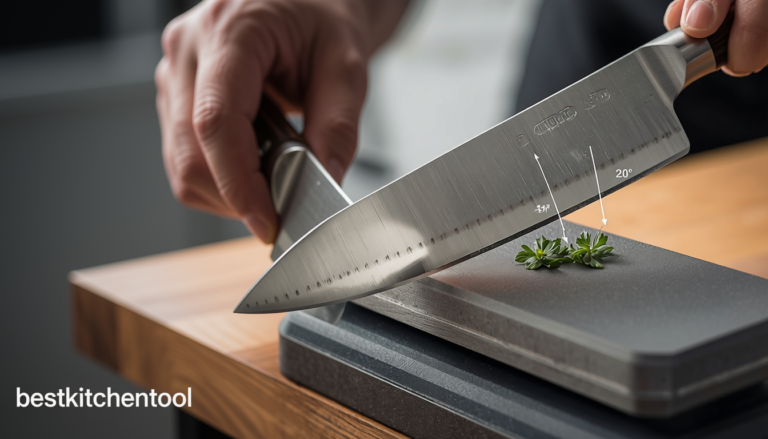
Japanese knives often have harder steel and a sharper bevel angle (around 15 degrees), leading to a finer edge. German knives usually have softer steel and a broader bevel (around 20 degrees), making them more durable but less sharp.
Here’s a comparison:
| Feature | Japanese Paring Knife | German Paring Knife |
|---|---|---|
| Blade Steel | Hard, high-carbon | Softer, stainless |
| Bevel Angle | 15° | 20° |
| Edge Retention | High | Moderate |
| Sharpness | Very sharp | Sharp |
| Maintenance | Needs careful sharpening | Easy to sharpen |
How To Use A Paring Knife Correctly
Using a paring knife safely is important. Here are basic steps:
- Hold the food in your non-dominant hand.
- Grip the knife firmly with your dominant hand.
- Keep fingers away from the blade.
- Work slowly for detailed cuts.
- Use the tip for piercing or coring.
- Follow the shape of the food for peeling or trimming.
Safety Tips
- Always cut away from your hand.
- Keep the blade sharp; dull knives slip and cause injuries.
- Don’t use a paring knife for hard or large foods.
- Store knives safely, away from children.
Sharpening And Maintenance
Keeping your paring knife sharp is vital. A dull knife is unsafe and makes tasks harder.
Sharpening Tools
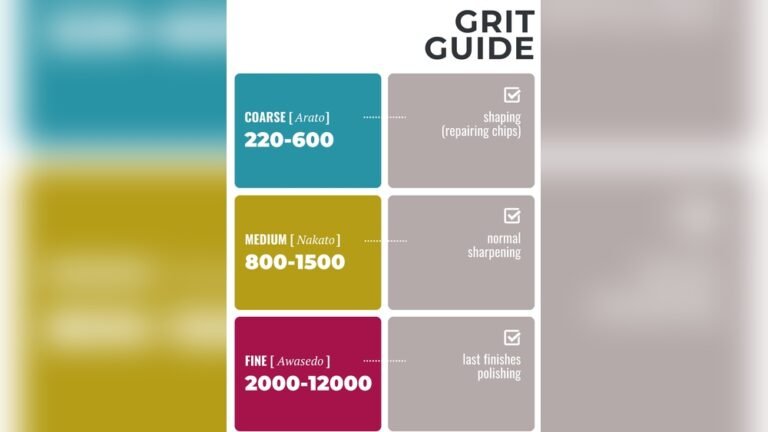
- Whetstone: For precise sharpening and control.
- Honing steel: For realigning the edge, not sharpening.
- Pull-through sharpener: Quick but less precise.
Sharpening Steps
- Use a whetstone at the correct bevel angle (15–20°).
- Move the blade smoothly across the stone.
- Test for sharpness by slicing paper or a tomato.
- Use honing steel regularly to keep the edge straight.
Edge Retention
Edge retention depends on blade steel and how you use the knife. Harder steel holds an edge longer but needs careful sharpening. Softer steel dulls faster but is easier to sharpen.
Cleaning And Storage
Proper cleaning keeps your knife safe and sharp.
- Wash by hand; avoid dishwashers.
- Dry immediately to prevent rust.
- Store in a knife block, sheath, or drawer organizer.
Common Mistakes
- Leaving knives wet causes rust.
- Using the wrong sharpener damages the edge.
- Storing loose in a drawer leads to chips and accidents.
Credit: infinityknifeco.com
Expert Advice: Improving Your Skills
As a professional kitchen knife expert, I recommend:
- Practice peeling and trimming with soft fruits first.
- Learn to control the blade with your fingers, not your wrist.
- Try different blade shapes to find what feels best.
- Keep your knife sharp for easier, safer work.
Non-obvious Insights
- Paring knives can help with pastry work, like cutting dough into shapes or scoring the top for decoration.
- Don’t use a paring knife for bones or frozen foods—it risks breaking the blade and can cause injuries.
When Not To Use A Paring Knife
Avoid using your paring knife for:
- Cutting large vegetables (like pumpkin)
- Chopping herbs in bulk
- Slicing bread
- Cutting through joints or bones
For these tasks, use a chef’s knife or a specialized blade.

Credit: yokashi.com
Paring Knife Care: Tips For Beginners
- Sharpen every few months, depending on use.
- Use a whetstone for best results.
- Clean and dry immediately after each use.
- Store safely, never loose in a drawer.
Real-life Examples From The Kitchen
Peeling Garlic
A paring knife makes peeling garlic easy. Place the blade under the skin and lift gently.
Removing Strawberry Stems
Pierce the stem with the tip and twist. The small blade removes the stem without wasting fruit.
Making Citrus Garnishes
Cut a lemon peel into strips. The knife’s sharp edge lets you create thin, neat garnishes for drinks.
Comparing Paring Knife Materials
Material affects sharpness, durability, and maintenance.
| Blade Material | Edge Retention | Rust Resistance | Sharpening Ease |
|---|---|---|---|
| Stainless Steel | Good | High | Easy |
| High-Carbon Steel | Excellent | Moderate | Moderate |
| Ceramic | Very High | Highest | Difficult |
Beginner Mistakes And How To Avoid Them
- Using a paring knife for large foods: Stick to small items.
- Not sharpening regularly: Sharp knives are safer.
- Improper grip: Hold the handle firmly, fingers away from the blade.
- Ignoring blade shape: Match the knife to the task.
- Overusing force: Let the sharp edge do the work.
Credit: www.bakersplus.com
How Paring Knives Fit Into Your Kitchen
A paring knife is not a replacement for a chef’s knife or other blades. It’s part of a set, each with a purpose. For detailed work, nothing beats a paring knife. For chopping, slicing, or dicing, reach for a bigger knife.
Professional Tips For Buying A Paring Knife
- Test the knife in your hand before buying.
- Check the balance between handle and blade.
- Choose quality blade steel for lasting sharpness.
- Don’t overspend; good knives are available at many price points.
- Consider a Japanese or German knife based on your needs.
If you want more details about knife materials and history, visit Wikipedia.
Frequently Asked Questions
What Foods Should I Use A Paring Knife For?
Use a paring knife for small foods like apples, potatoes, garlic, strawberries, and shrimp. It’s perfect for peeling, trimming, and slicing items that are too small for a chef’s knife.
How Do I Sharpen A Paring Knife?
Sharpen using a whetstone at the correct bevel angle (15–20 degrees). Move the blade smoothly and test for sharpness. Use honing steel to realign the edge between sharpenings.
What’s The Difference Between A Paring Knife And A Chef’s Knife?
A paring knife is small, usually 2.5–4 inches, and is made for detailed work. A chef’s knife is larger, 6–12 inches, and is used for general cutting, chopping, and slicing big foods.
Can I Use A Paring Knife For Meat?
Yes, but only for small tasks, like trimming fat or making shallow cuts. Never use a paring knife for cutting through bones or large pieces of meat.
Is A Bird’s Beak Paring Knife Better For Peeling?
A bird’s beak paring knife is excellent for peeling round fruits and vegetables. The curved blade follows the shape, making peeling easier and reducing waste.
Paring knives are a must for every kitchen, whether you’re a beginner or an expert. Their small size, sharp edge, and precision make them the best choice for detailed tasks. With the right knife and proper care, you can improve your cooking results and work safely.
Now you know what paring knives are used for, how to choose one, and how to keep it sharp and safe. Start practicing, and enjoy the control and accuracy a paring knife brings to your kitchen.

Hi, I’m Emma Carter, a passionate home cook with over 12 years of hands-on experience in home kitchens. I love testing kitchen tools, trying new recipes, and helping everyday cooks make smarter buying decisions. Every review and guide I write is based on real cooking experience, practical testing, and honest opinions, not marketing claims.