Avocado Slicer Not Cutting Evenly? Fix Uneven Slices Fast
If you’re new to the kitchen, you may have noticed that using an avocado slicer isn’t always as easy as the videos show. You cut open your avocado, grab your slicer, and… the slices come out uneven, messy, or even smashed. It’s frustrating, especially when you want those neat, pretty slices for toast or salad. Don’t worry! This guide will help you understand why your avocado slicer is not cutting evenly, what you can do about it, and when it might be time for a new tool. As someone who has spent years in home kitchens, I’ll share real tips and clear advice for beginners, so you can get perfect avocado slices every time.
Why Avocado Slicers Cut Unevenly
Most new cooks think an avocado slicer is foolproof. But uneven cuts are a common problem. Let’s look at what causes this:
1. Avocado Ripeness
If your avocado is too hard or too soft, the slicer won’t cut well. A firm avocado resists slicing, while an overripe one turns to mush.
2. Slicer Design
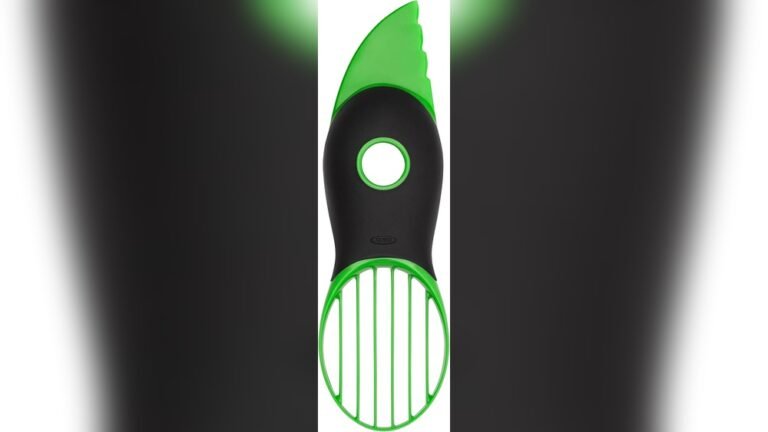
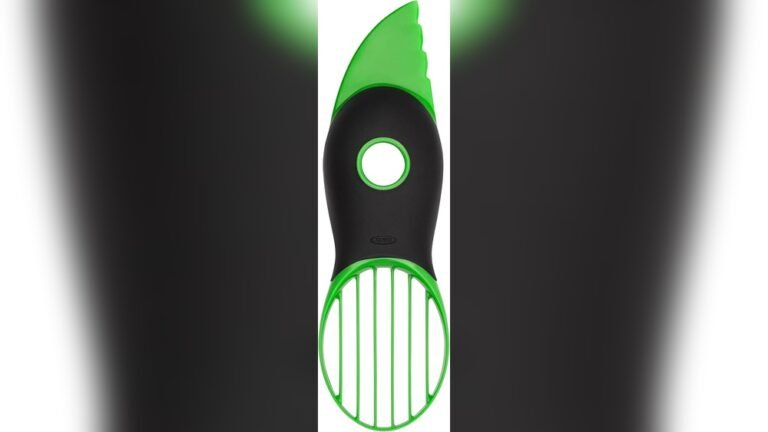
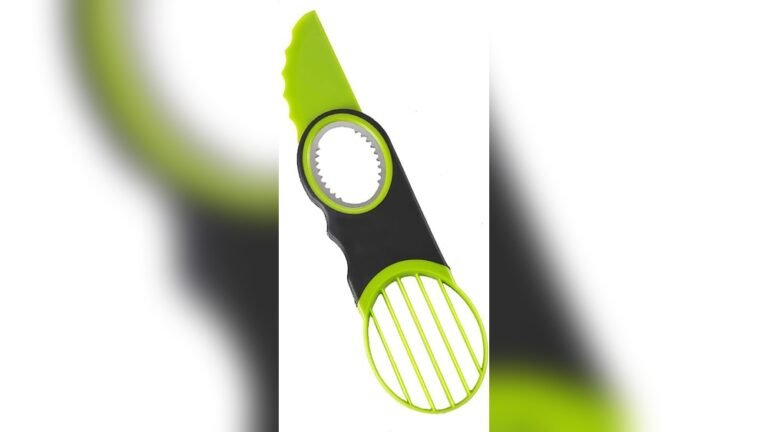
Not all slicers are equal. Some have thin wires; others have thick blades. Cheap slicers often have poor build quality and dull edges.
3. Slicing Technique
Using too much force or the wrong angle can make slices uneven. If you press down too hard, the slicer smashes the fruit instead of cutting.
4. Avocado Size And Shape
Avocados come in many sizes. Large avocados may not fit in small slicers, so you get uneven slices.
5. Dull Slicer Blades
Over time, slicers lose their edge. A dull blade can tear instead of slice.
6. Avocado Pit Left In
If you don’t remove the pit completely, the slicer hits it and slices unevenly.
Many beginners miss these points. For example, most don’t realize that the slicer’s wires can bend over time, making slices thicker or thinner than expected. Also, some avocados have stringy flesh, which catches on slicer blades.
Choosing The Right Avocado Slicer
Picking a good slicer can solve most problems. Here’s what to look for:
Key Features To Compare
| Feature | Why It Matters | What To Look For |
|---|---|---|
| Blade Material | Stainless steel stays sharp and doesn’t rust | Choose stainless steel over plastic |
| Handle Design | Comfortable grip reduces mistakes | Soft, non-slip handles |
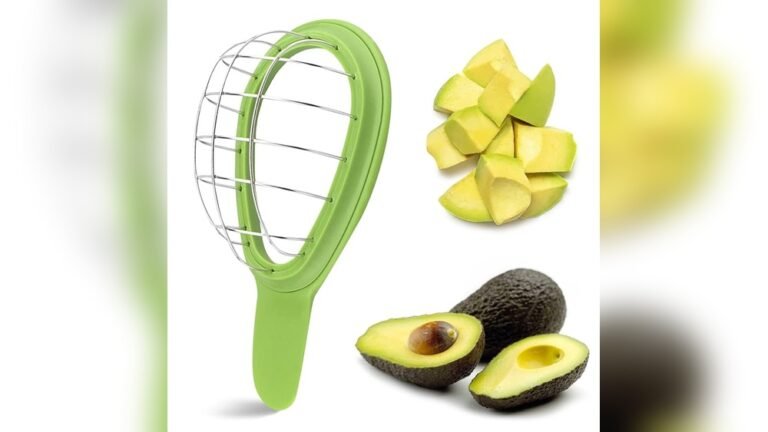
| Wire Thickness | Thin wires cut cleaner slices | Thin, sturdy wires or blades |
| Size Compatibility | Fits most avocado sizes | Wide enough for large avocados |
Popular Avocado Slicer Brands
You may have seen slicers from brands like OXO, Trudeau, or KitchenAid. Here’s a simple comparison:
| Brand | Blade Type | Ease of Use | Price Range |
|---|---|---|---|
| OXO | Stainless steel wires | Easy, reliable | $10–$15 |
| KitchenAid | Plastic blade | Decent, less sharp | $8–$12 |
| Trudeau | Stainless steel | Good for large avocados | $12–$18 |
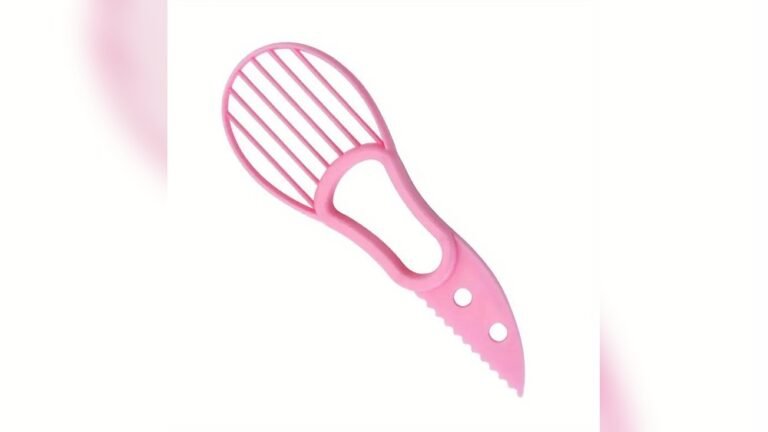
A slicer with a strong wire blade and a comfy handle is worth the small extra cost. Avoid all-plastic slicers—they often bend and break, leading to uneven slices.
Step-by-step: How To Get Even Avocado Slices
Getting perfect avocado slices is about more than just the tool. Follow these steps for best results:
1. Pick The Right Avocado
Check ripeness by gently pressing the avocado. It should feel firm but give a little. If it’s hard, wait a day or two. If it’s mushy, use it for guacamole instead.
2. Cut The Avocado Safely
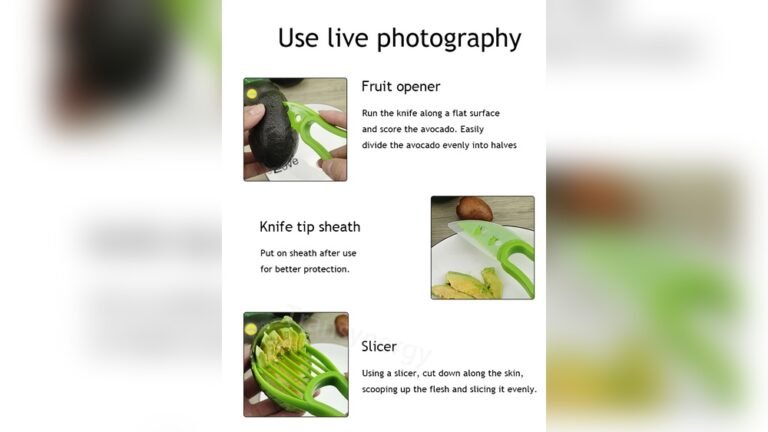
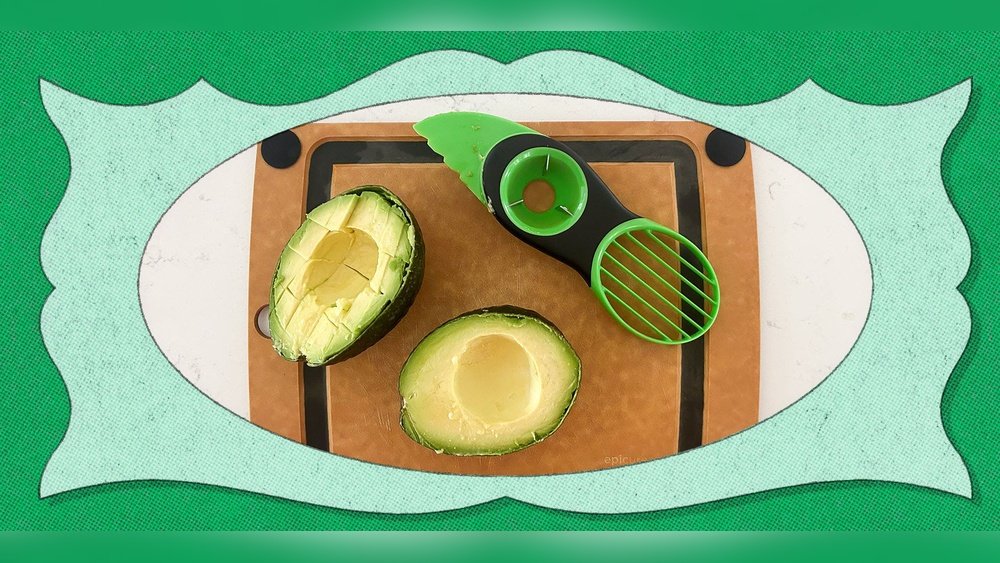
Use a sharp kitchen knife to slice the avocado lengthwise. Twist the halves apart. Remove the pit with a spoon or the slicer’s pit remover (if it has one).
3. Use The Slicer Properly
- Place the slicer at the top of the avocado half.
- Press gently and evenly, letting the wires do the work.
- Slide from top to bottom in one smooth motion.
If the slicer sticks or slices unevenly, stop and check for resistance. Don’t force it—forcing can squash the avocado.
4. Remove Slices Carefully
Use a spoon or your fingers to lift the slices out. If they stick, run the slicer again gently.
Common Mistakes Beginners Make
Many first-time users run into these issues:
1. Using A Dull Slicer
Dull blades tear the avocado instead of slicing.
2. Pressing Too Hard
Heavy pressure mashes the fruit.
3. Slicing Cold Avocados
Cold avocados are firmer and harder to slice evenly.
4. Leaving The Pit In
The slicer bumps into the pit, ruining slices.
5. Wrong Avocado Size
Trying to slice an extra-large avocado with a small slicer.
6. Not Cleaning The Slicer
Residue builds up, making future slices uneven.
7. Ignoring Damaged Slicers
Bent wires or cracks make slices messy.
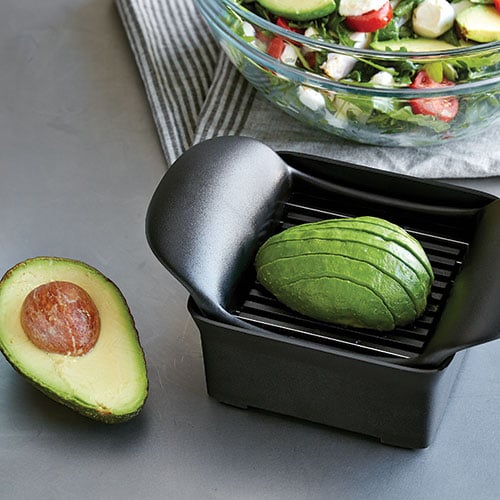
One trick: let your avocado reach room temperature before slicing. It’s softer and slices more evenly.
Credit: www.pamperedchef.com
Practical Tips For Better Slices
Here are some real kitchen tricks that work:
- Warm your avocado slightly if it’s been in the fridge. A few minutes on the counter is enough.
- Always clean your slicer after each use. Dried avocado sticks to the wires and makes the next slice uneven.
- Use a gentle rocking motion if your slicer stalls. Don’t force it.
- For very large avocados, cut them into quarters before slicing.
- If you want extra thin slices, use a sharp knife instead of the slicer.
- Check your slicer for bent wires and replace if needed.
Many new cooks overlook the importance of cleaning and drying the slicer. Moisture can make the blade rust, and leftover avocado dries hard, making the next slicing tough.
Safety Advice For Avocado Slicing
Avocado slicing can be risky. Every year, thousands of people get minor cuts from trying to pit or slice avocados. Here’s how to stay safe:
- Always cut avocados on a steady surface.
- Use the slicer, not your fingers, to remove the pit.
- Keep your hands away from the blade area.
- If your slicer is damaged, don’t use it—it can snap and hurt you.
- Don’t rush. Take your time for smooth, even slices.
If you’re unsure, use a spoon to scoop the flesh and slice with a knife.

Credit: www.nytimes.com
When To Replace Your Avocado Slicer
Sometimes, no amount of cleaning or technique can fix a bad slicer. Here’s when to buy a new one:
1. Blade Is Dull Or Rusty
Stainless steel lasts, but even it can dull after many uses.
2. Wires Are Bent
Bent wires make slices uneven and can break.
3. Handle Is Cracked
A cracked handle is unsafe and hard to use.
4. Slicer Doesn’t Fit Avocados
If your avocados are too big, upgrade to a wider slicer.
5. Slicer Feels Uncomfortable
If it slips or hurts your hand, get one with a better grip.
Replacing your slicer is a simple fix that can make your kitchen life easier. High-quality slicers last longer and work better.
Maintenance: Keeping Your Slicer Sharp And Clean
To get even slices every time, take care of your slicer:
- Wash it right after use, before the avocado dries.
- Use warm soapy water. If avocado sticks, soak for 10 minutes.
- Dry completely to prevent rust.
- Store in a safe place—avoid tossing it in a drawer where wires can bend.
- Check for damage regularly.
Some slicers are dishwasher-safe; check the package. Hand washing is best for keeping wires and blades sharp.
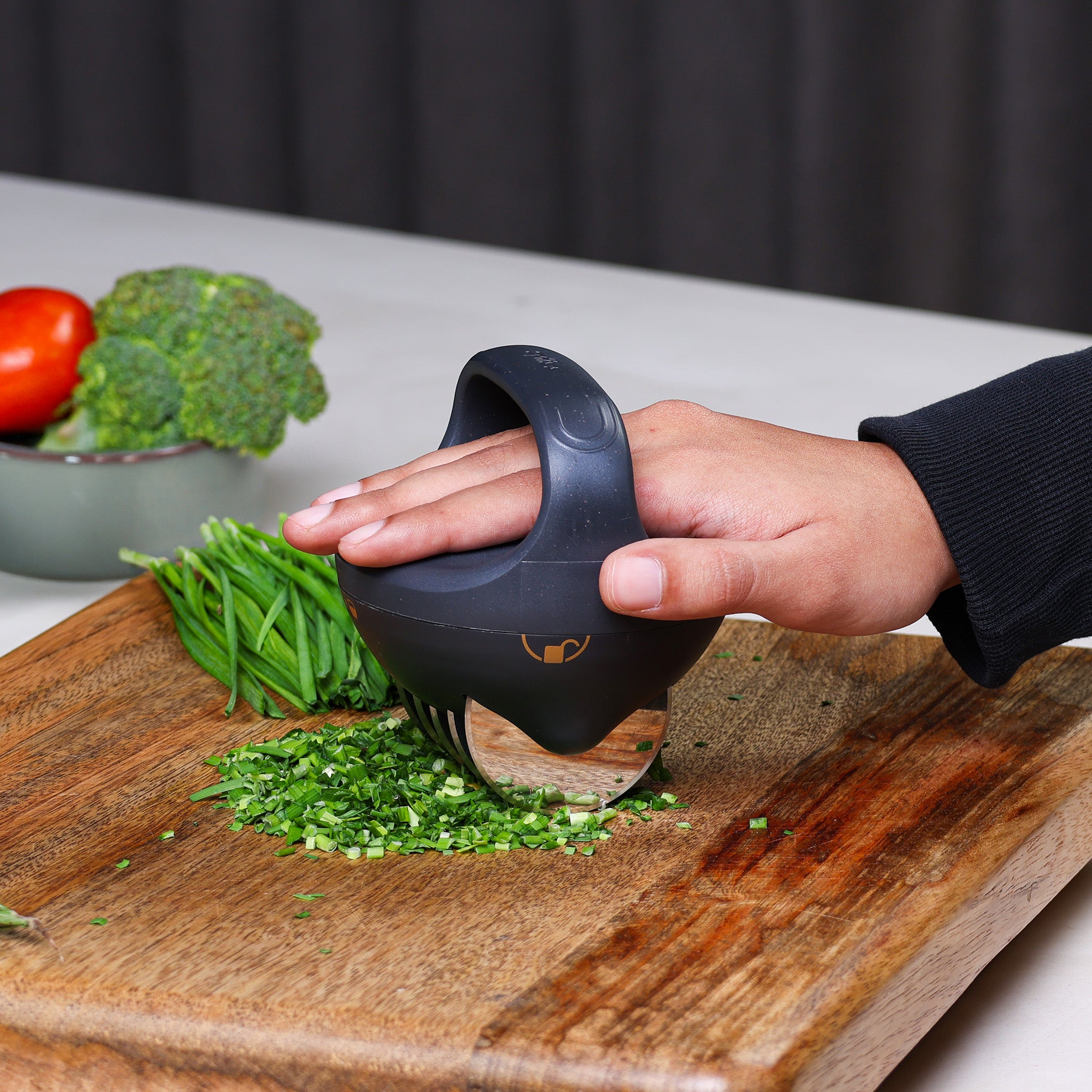
Credit: zyliss.co.uk
Avocado Slicer Vs Knife: Which Is Better For Even Slices?
Many home cooks wonder if a slicer is better than a kitchen knife. Here’s a clear comparison:
| Tool | Pros | Cons |
|---|---|---|
| Avocado Slicer | Fast, safe, easy for beginners | May not give perfect slices every time |
| Knife | Very precise, can cut thin or thick slices | Requires skill, risk of cuts |
If you want speed and safety, a slicer is best. For perfect presentation, a sharp knife is the winner. Many chefs use both—a slicer for quick meals, a knife for special dishes.
Real-life Examples: How Cooks Solve This Problem
Let’s look at some real situations:
- Maria, a new wife, bought a cheap plastic slicer. It bent after a few uses. She switched to a stainless steel slicer and got perfect slices.
- James, a home cook, used cold avocados from the fridge. The slicer tore them. He learned to let them warm up first.
- Rina, a first-time kitchen user, pressed too hard. Her slices came out mushy. She started slicing gently, and now her avocado toast looks great.
These stories show that most problems come from tool quality, technique, and avocado ripeness.
Frequently Asked Questions
Why Does My Avocado Slicer Leave Messy Slices?
Messy slices usually happen when the avocado is too ripe or the slicer is dull. Try using a firmer avocado and check your slicer for damage.
Can I Use An Avocado Slicer On Other Fruits?
Some slicers work for kiwis or mangoes, but they’re designed for avocados. Using on other fruits can bend the wires or damage the slicer.
How Do I Sharpen A Dull Avocado Slicer?
Most slicers can’t be sharpened like knives. If it’s dull, it’s better to buy a new one, especially if the blade is steel.
Is It Safe To Use A Slicer With Kids In The Kitchen?
Yes, if you supervise and show kids how to use it gently. Avoid sharp-bladed slicers with young children.
What Should I Do If My Slicer Rusts?
Clean it with vinegar and a brush. If rust remains, replace the slicer. Stainless steel slicers are less likely to rust.
Final Takeaway
Getting even avocado slices is simple when you choose the right slicer, use proper technique, and work with ripe fruit. If your slicer isn’t working, check for damage or dullness—it might be time for a new one. Take care of your slicer, slice gently, and you’ll get perfect avocados for toast, salad, and everything else. For more kitchen tips, check out America’s Test Kitchen. With the right knowledge, every home cook can master avocado slicing and enjoy neat, tasty slices every time.

Hi, I’m Emma Carter, a passionate home cook with over 12 years of hands-on experience in home kitchens. I love testing kitchen tools, trying new recipes, and helping everyday cooks make smarter buying decisions. Every review and guide I write is based on real cooking experience, practical testing, and honest opinions, not marketing claims.