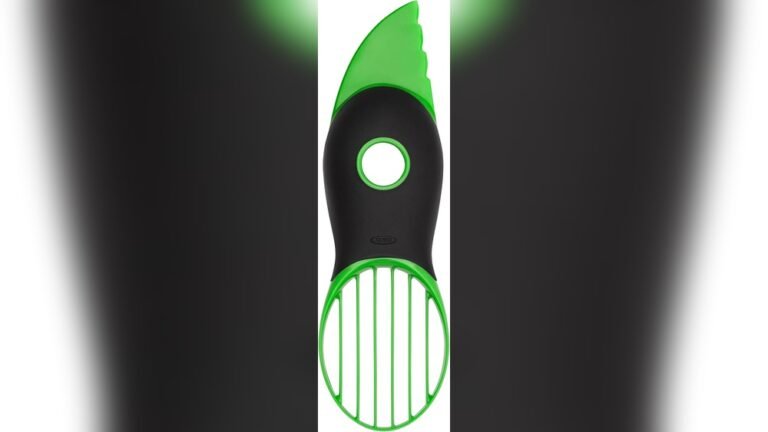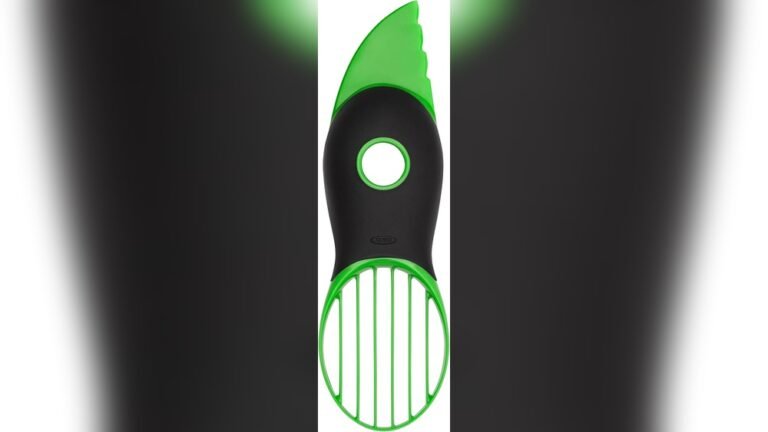
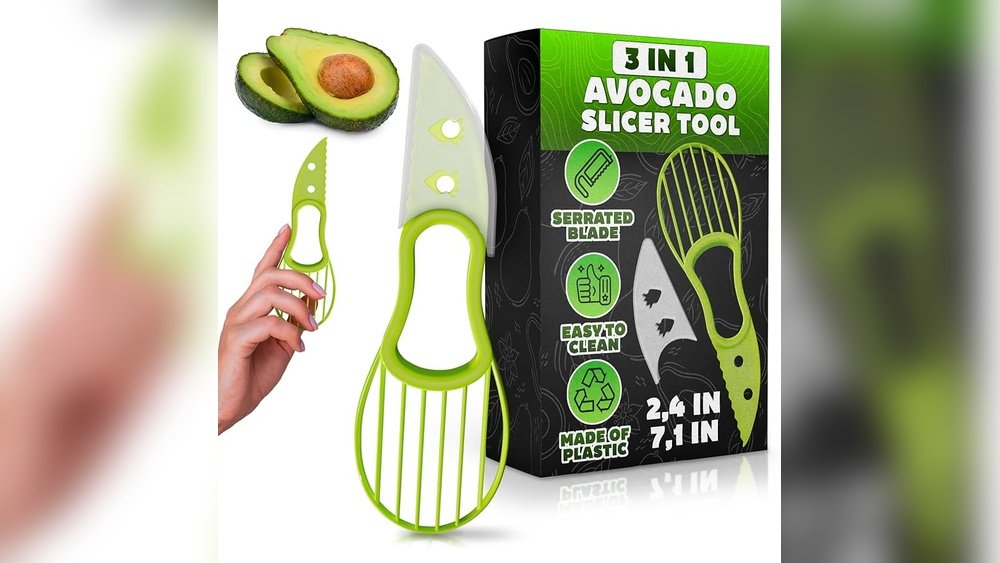
Avocado Slicer Too Small for Avocado: Solve Common Kitchen Frustrations
If you ever tried to slice an avocado with a tool that just feels too tiny, you know the frustration. The avocado slicer too small for avocado problem is more common than you think. For new wives, home cooks, and anyone stepping into the kitchen for the first time, this can turn a simple task into a messy challenge. Let’s break down why this happens, how to solve it, and what to do if your slicer keeps letting you down.
Why Avocado Slicers Are Sometimes Too Small
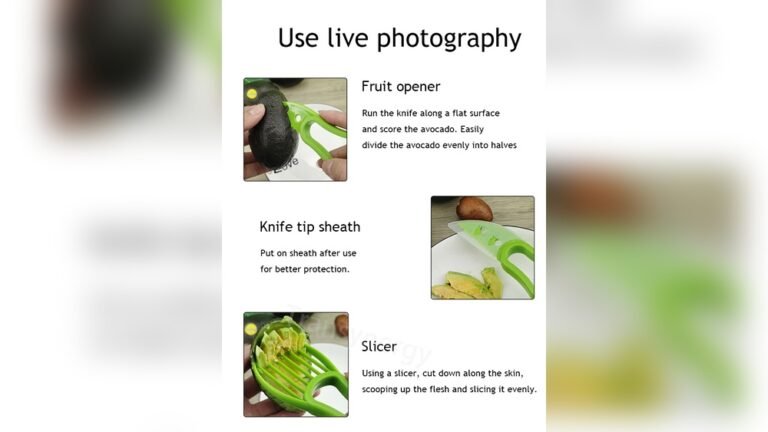
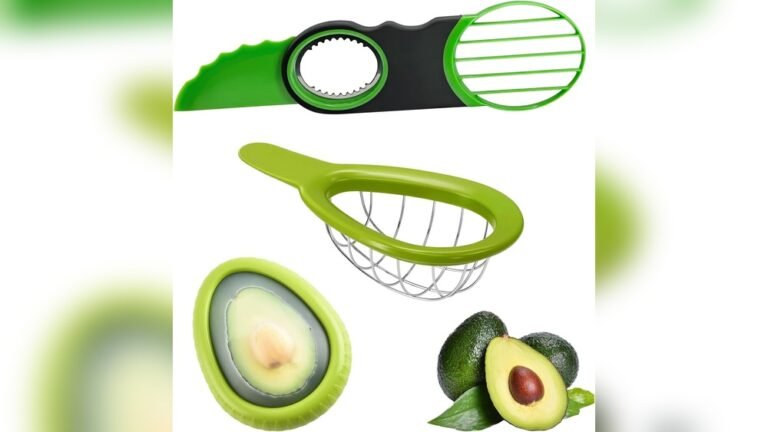
Avocado slicers are made to make life easier. They claim to slice, pit, and scoop all in one go. But in real kitchens, avocados don’t all look the same. Some are big and round, others are long and narrow. The slicers, though, are often designed for standard-sized avocados.
This mismatch is at the heart of the problem.
Common Avocado Sizes
You might be surprised by how much avocados can vary. Here’s a quick look at typical sizes compared to the average slicer:
| Avocado Type | Average Width (inches) | Average Weight (oz) | Fits Most Slicers? |
|---|---|---|---|
| Hass | 2.5-3 | 6-8 | Yes |
| Florida | 3.5-4 | 13-18 | No |
| Bacon | 3-3.5 | 8-12 | Sometimes |
Most slicers are made for the Hass type, which is smaller. If you buy larger avocados, the tool can’t slice all the flesh in one go.
Design Limitations
Manufacturers often stick to one size. This makes production cheaper, but leaves users with tools that don’t fit every fruit. Some slicers are just 2. 5 inches wide. If your avocado is bigger, you end up with wasted flesh or uneven slices.
What Happens When Your Slicer Is Too Small
If your avocado slicer is too small for your avocado, you may see these problems:
- Uneven slices: The tool leaves some flesh behind or slices only part of the avocado.
- Wasted avocado: You often have to use a spoon to scoop the rest, making the process messy.
- Damaged fruit: You might press too hard, causing the avocado to turn mushy or break.
Real-life Example
Imagine making guacamole for guests. You grab a large Florida avocado and your slicer. The tool only slices the center, leaving thick pieces at the sides. You then switch to a spoon, but the slices look messy. Your guacamole isn’t ruined, but it’s not as smooth as you hoped.
Solutions For A Too-small Avocado Slicer
Luckily, there are easy ways to handle this problem. As a chef who’s faced this issue many times, I’ve learned a few tricks.
Step-by-step Fixes
- Slice in Sections: Cut the avocado in half as usual. Use your small slicer for the middle part. Then, turn the avocado and use the slicer again on the sides. This creates more slices and gets more flesh.
- Use a Spoon After Slicing: After using the slicer, take a spoon and gently scoop the remaining flesh. Do this carefully to avoid mashing the avocado.
- Cut Avocado Before Slicing: If your avocado is very large, cut it into quarters instead of halves. This makes each section smaller and easier for the slicer to handle.
Practical Tips
- Warm avocados slice easier: If the fruit is too cold, the flesh is firm. Let it sit at room temperature for 10–15 minutes.
- Don’t force the slicer: Pressing too hard can break the tool or mush the fruit.
- Clean the slicer right away: Sticky avocado dries fast, making it hard to wash later.
Safety Advice
Never use a knife to force the slicer through the avocado. This can slip and cut your hand. If the tool doesn’t fit, stop and use a spoon or your hands.
Comparing Avocado Slicers And Alternative Tools
Not all avocado slicers are created equal. If your tool keeps failing, maybe it’s time to try something new.
Types Of Avocado Slicers
| Slicer Type | Size Range (inches) | Features | Best For |
|---|---|---|---|
| Fixed Width Slicer | 2.5-3 | Slices only | Small avocados |
| Adjustable Slicer | 2.5-4 | Expands to fit | All sizes |
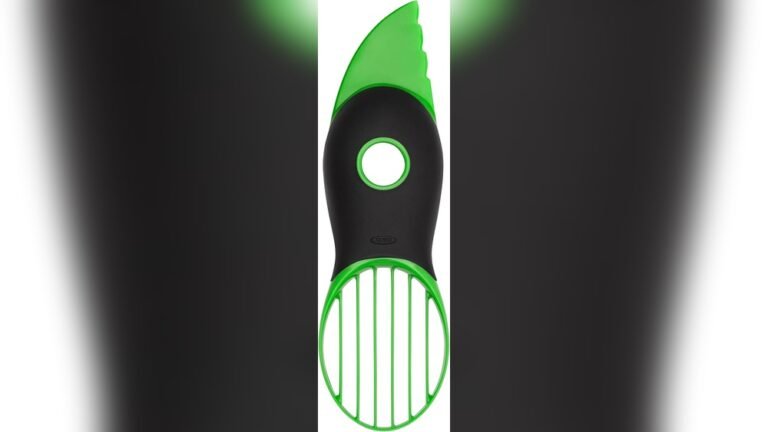
| Multi-tool Slicer | 2.5-3 | Pits, slices, scoops | Standard avocados |
Slicer Vs. Knife & Spoon
Some home cooks prefer the classic knife and spoon method. Here’s how it compares:
| Tool | Speed | Ease of Use | Waste | Safety |
|---|---|---|---|---|
| Slicer | Fast | Easy | Low (if fits) | Safe |
| Knife & Spoon | Medium | Needs skill | Low | Can be risky |
| Hands | Slow | Messy | Medium | Safe |
If your slicer is too small, you might need to use a knife and spoon, especially for big avocados.

Credit: www.nytimes.com
Common Mistakes Beginners Make
When using an avocado slicer too small for avocado, beginners often repeat the same errors:
- Trying to force the tool: This can break the slicer or hurt your hand.
- Not checking avocado size: Always measure your avocado before slicing, especially if you buy different types.
- Using dull slicers: Old slicers lose their edge, making slicing harder.
- Skipping cleaning: Avocado flesh sticks to the slicer and can grow bacteria if not cleaned well.
How To Avoid These Mistakes
- Buy the right tool: Look for slicers labeled for “large avocados” or “adjustable”.
- Use gentle pressure: Don’t push hard. If the tool isn’t moving, switch methods.
- Clean after every use: Rinse with hot water and use a brush if needed.
Maintenance Tips For Your Avocado Slicer
A well-maintained slicer lasts longer and works better. Here’s how to keep it in top shape:
Cleaning
- Wash after every use: Avocado dries fast. Don’t let it sit.
- Use warm, soapy water: This removes oils and sticky bits.
- Avoid dishwasher for some slicers: Check the label. Many plastic slicers warp in high heat.
Storage
- Keep slicer dry: Moisture can cause rust or mold, especially in metal slicers.
- Store away from sharp tools: Don’t let knives scratch your slicer.
Inspection
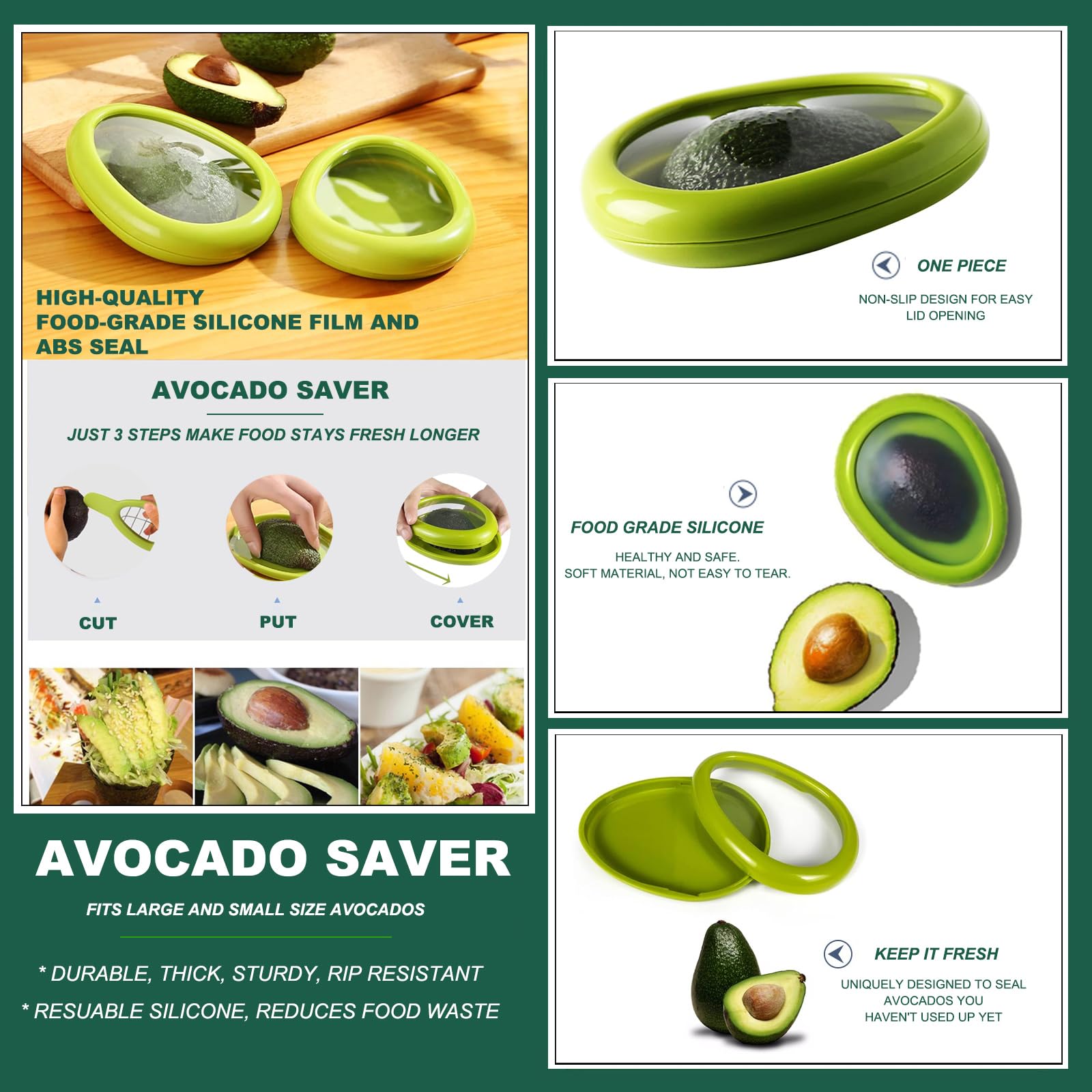
- Check for cracks: Plastic tools can crack after heavy use. Replace if you see damage.
- Test sharpness: If your slicer feels dull, consider buying a new one.
Credit: aperi.mx
When To Replace Your Avocado Slicer
Sometimes, fixing or maintaining isn’t enough. Here’s when you should consider a new slicer:
- Consistent sizing problems: If your tool is always too small, it’s not the right fit.
- Broken or cracked tool: Cracks can trap bacteria. Broken slicers are unsafe.
- Dull blades: If the slicer no longer cuts smoothly, it’s time to upgrade.
Look for slicers with a wider blade or adjustable width. Stainless steel options often work for bigger avocados. If you’re unsure, check product reviews or ask friends for recommendations.
Choosing The Best Slicer For Your Kitchen
Picking a new avocado slicer can feel confusing, but here’s what matters most:
- Size: Check the slicer’s width. Choose one that matches the avocados you buy most.
- Material: Stainless steel is stronger and lasts longer. Plastic is lighter but can crack.
- Features: Adjustable slicers are versatile. Some tools also pit and scoop.
- Ease of cleaning: Dishwasher-safe tools save time.
- Price: Good slicers cost between $8–$20. Don’t go for the cheapest if you want durability.
Buying the right tool saves time and keeps your kitchen safe. If you’re still unsure, check expert reviews at America’s Test Kitchen.
Frequently Asked Questions
What Should I Do If My Avocado Slicer Is Too Small?
Try slicing the avocado in sections, or use a spoon to scoop the rest. If this happens often, consider buying a larger or adjustable slicer.
Can I Use A Regular Kitchen Knife Instead Of A Slicer?
Yes, a sharp kitchen knife works well, but be careful when removing the pit. Always use a spoon for scooping to avoid accidents.
Are There Slicers Made For Large Avocados?
Some brands offer slicers for bigger avocados or adjustable tools. Check product descriptions for size details before buying.
Is It Safe To Force The Slicer Through A Big Avocado?
No. Forcing can break the tool and cause injury. If the slicer doesn’t fit, switch to a spoon or knife.
How Do I Keep My Avocado Slicer Clean?
Wash it right after use with warm, soapy water. If avocado dries on the slicer, use a brush to scrub it off. Avoid dishwashers unless the tool is labeled safe.
Takeaway
A small avocado slicer can turn a simple task into a kitchen headache. Knowing why the issue happens, and how to fix it, helps you work smarter—not harder. Choose tools that match your avocados, keep them clean, and don’t force a bad fit.
If you’re facing this problem often, investing in the right slicer is a smart move. Your kitchen will run smoother, your avocados will look better, and you’ll feel more confident every time you cook.

Credit: www.nytimes.com

Hi, I’m Emma Carter, a passionate home cook with over 12 years of hands-on experience in home kitchens. I love testing kitchen tools, trying new recipes, and helping everyday cooks make smarter buying decisions. Every review and guide I write is based on real cooking experience, practical testing, and honest opinions, not marketing claims.