
Benefits of a Zester for Fresh Flavor and Easy Cooking at Home
Imagine transforming your everyday meals into extraordinary culinary delights with just one simple tool. That’s exactly what a zester can do for you.
Whether you’re cooking for family, friends, or just yourself, a zester unlocks vibrant flavors hidden in citrus fruits, adding fresh zest and aroma that can elevate any dish. But the benefits don’t stop at taste—using a zester can save you time, reduce waste, and even boost your health with natural nutrients.
Ready to discover how this small kitchen gadget can make a big difference in your cooking and well-being? Keep reading to find out why a zester deserves a spot in your kitchen arsenal.
Fresh Flavor Boost
Using a zester adds a fresh flavor boost to many recipes. It extracts the colorful outer layer of citrus fruits, which holds natural oils full of taste and aroma. This simple tool brightens dishes, giving them a lively and fresh character. A zester turns ordinary meals into vibrant experiences without extra effort.
Enhancing Citrus Aroma
The zest contains essential oils that release a strong citrus aroma. This scent awakens the senses and enhances the overall taste of food. Adding zest to recipes brings a fresh and natural fragrance that no juice alone can provide. The aroma makes dishes feel lighter and more appetizing.
Adding Brightness To Dishes
Zest adds a bright, tangy flavor that lifts the taste of many foods. It works well in both sweet and savory dishes. The sharp, fresh notes from zest balance rich or heavy ingredients. A small amount can make a big difference in flavor depth and freshness.
Using Zest For Garnishes
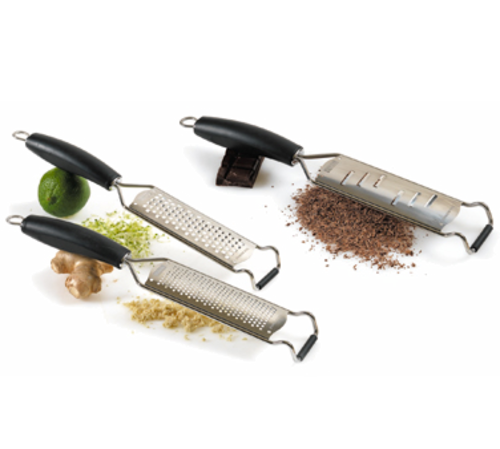
Zest makes an attractive, flavorful garnish for drinks and plates. Its fine strands add color and texture to presentations. Sprinkling zest over a dish adds a fresh finish and a burst of citrus taste. Garnishes with zest impress guests with their bright look and lively flavor.
Credit: www.brescoinc.com
Health Benefits
Using a zester does more than just add flavor to your meals. It offers real health benefits by letting you use the outer layer of fruits. This part contains many nutrients and compounds that support your body’s well-being. Incorporating zest into your diet can boost your health in simple, natural ways.
Nutrient Rich Outer Layer
The outer layer of citrus fruits holds vitamins and antioxidants. It is rich in vitamin C, which strengthens the immune system. It also contains fiber that helps digestion. Using a zester captures these nutrients without adding extra sugar or calories. This makes your meals healthier and more nutritious.
Antimicrobial Properties
Zest contains natural oils that fight harmful bacteria. These oils help reduce the risk of infections. Adding zest to food can improve food safety by slowing bacterial growth. These antimicrobial properties support your body’s defense against germs.
Promoting Oral Health
Citrus zest can help keep your mouth healthy. The natural oils in zest reduce bacteria that cause bad breath and gum problems. Using zest in your diet may support cleaner teeth and fresher breath. It is a simple way to promote oral hygiene naturally.
Zester Vs Grater
Understanding the difference between a zester and a grater helps you choose the right kitchen tool. Both tools break down foods but serve distinct purposes. Each has a unique design that suits specific tasks in cooking and baking.
Differences In Design
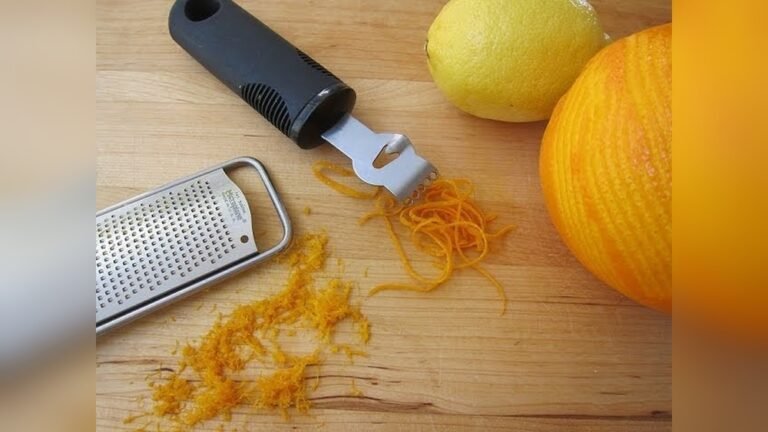
A zester has small, sharp holes that remove thin strips of citrus peel. It creates fine, delicate zest without the white pith. A grater has larger holes or blades to shred foods like cheese and vegetables. Graters often have multiple sides for different shredding sizes. The zester’s narrow shape focuses on zest, while graters offer versatility.
Best Uses For Each Tool
Use a zester to add bright citrus flavor to cakes, salads, and drinks. It works well for finely grating garlic, ginger, or nutmeg too. Graters are best for shredding cheese, carrots, or chocolate. They are great when recipes call for larger, coarser pieces. Zesters create subtle flavor bursts; graters add texture and volume.
Choosing The Right Tool
Pick a zester if you want clean, fine citrus zest or spices. Choose a grater for tasks needing shredded or grated food. Consider your cooking style and recipe needs. A zester suits delicate flavoring, while a grater handles tough shredding jobs. Having both tools expands your kitchen’s flexibility.

Credit: www.amazon.com
Time-saving Tips
Saving time in the kitchen is essential for busy cooks. A zester can speed up your prep work and make cooking more efficient. Using the right techniques helps you get zest quickly without frustration.
Quick Prep Techniques
Choose citrus fruits that are firm and fresh. Wash them well before zesting. Hold the fruit in one hand and the zester in the other. Move the zester lightly across the surface in short strokes. Avoid zesting the white pith; it tastes bitter. Clean the zester often to keep it sharp and effective.
Reducing Fruit Waste
Zesting only the outer peel saves the fruit for other uses. Do not peel too deep, or you waste the juicy part. Use leftover fruit for juice, salads, or snacks. This method ensures you use every part without throwing away food.
Proper Grip And Motion
Hold the fruit firmly but gently to avoid slipping. Grip the zester with your dominant hand for better control. Use smooth, even motions to remove zest quickly. Rotate the fruit as you zest to cover all sides. Practice makes the motion faster and more natural.
Creative Cooking Ideas
Using a zester opens many doors for creative cooking. It adds fresh, bright flavors to your dishes. A little zest can turn a simple meal into something special. The fine texture of zest blends well in many recipes. It brings out the natural aroma of fruits. This makes food more inviting and tasty.
Incorporating Zest In Recipes
Add zest to sauces and marinades for extra flavor. Sprinkle it over salads to give a citrusy kick. Mix zest into dough for breads and cookies. It brightens the taste without adding liquid. Use zest in spice blends to enhance complexity. Small amounts can make a big difference in taste.
Pairing Zest With Ingredients
Pair lemon zest with herbs like basil and thyme. Orange zest goes well with cinnamon and nutmeg. Lime zest complements chili and garlic in savory dishes. Match zest with seafood for a fresh, clean flavor. Combine zest with olive oil for a simple dressing. These combinations create balanced and rich flavors.
Using Zest For Drinks And Desserts
Add zest to cocktails for a fresh twist. Use it as a garnish on drinks for aroma and color. Mix zest into whipped cream or frosting for desserts. Stir zest into yogurt or ice cream for extra zing. It adds brightness without extra sweetness. Zest helps lift flavors in both drinks and sweets.
Credit: carlyletools.com
Maintaining Your Zester
Maintaining your zester ensures it stays sharp and ready for use. Proper care keeps it effective for zesting citrus and other ingredients. Regular attention prevents rust and damage, making your kitchen tasks easier.
Cleaning Tips
Rinse your zester immediately after use. This removes sticky residue and small bits of zest. Use a soft brush to clean the holes gently. Avoid harsh scrubbing that can dull the blades. Dry it thoroughly to stop rust from forming.
Storage Advice
Store your zester in a dry place. Keep it separate from other utensils to avoid damage. Use a protective cover if available. Avoid tossing it in a drawer with heavy tools. A safe spot helps maintain its sharp edges.
Extending Tool Lifespan
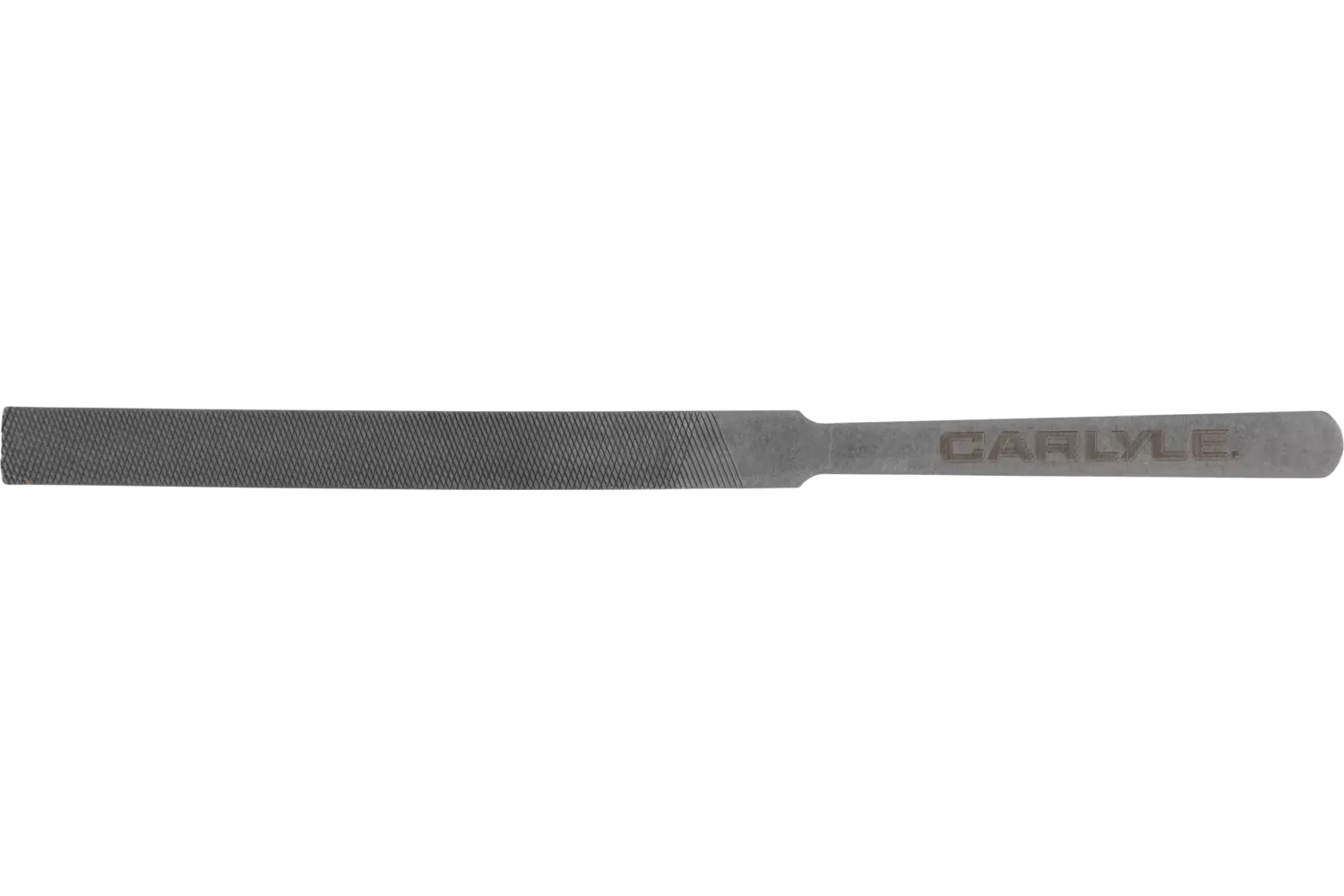
Sharpen your zester blades carefully when they dull. Use it only for zesting to prevent wear. Avoid bending or twisting the tool. Regular cleaning and proper storage add years to its life. Treat your zester well for consistent performance.
Frequently Asked Questions
What Does Lemon Zest Do To The Body?
Lemon zest boosts immunity with vitamin C and antioxidants. It aids digestion, supports oral health, and reduces inflammation naturally.
Should I Get A Zester Or Grater?
Choose a zester for fine citrus zest and delicate flavors. Pick a grater for shredding cheese, vegetables, or coarser textures.
Is Lemon Zest Better Than Lemon Juice?
Lemon zest offers intense citrus aroma and flavor without acidity. Lemon juice adds tangy acidity and moisture. Use zest for aroma, juice for acidity.
What Are The Benefits Of Zest?
Zest adds intense citrus flavor and aroma to dishes without extra juice. It contains antioxidants and antimicrobial properties. Zesting saves fruit by removing only the outer peel. It enhances meals with fresh, vibrant taste and supports oral health.
Conclusion
A zester brings fresh, bright flavors to your dishes. It adds aroma and texture without extra calories. Using a zester helps highlight natural citrus oils and nutrients. It also promotes creativity in cooking and baking. Simple to use, it saves time and effort in the kitchen.
Try a zester to enhance meals with ease and taste. Small tool, big impact.

Hi, I’m Emma Carter, a passionate home cook with over 12 years of hands-on experience in home kitchens. I love testing kitchen tools, trying new recipes, and helping everyday cooks make smarter buying decisions. Every review and guide I write is based on real cooking experience, practical testing, and honest opinions, not marketing claims.