Zester Maintenance Tips to Keep It Sharp and Long Lasting
If you love adding fresh zest to your dishes, you know how important a sharp, clean zester is for the perfect flavor boost. But have you ever struggled with stubborn bits stuck in your tool or noticed it getting dull over time?
Taking care of your zester doesn’t have to be a hassle. With the right maintenance tips, you can keep your zester sharp, clean, and ready to use whenever you need it. Keep reading to discover simple, practical ways to extend the life of your zester and make every zesting experience smooth and effortless.
Your cooking will thank you!
Credit: www.walmart.com
Choosing The Right Zester
Choosing the right zester is key to easy and effective zesting. A good zester makes your kitchen work smoother. It helps you get the best flavor from citrus fruits. Picking a zester that fits your needs saves time and effort. Consider the type, material, and design before buying one.
Types Of Zesters
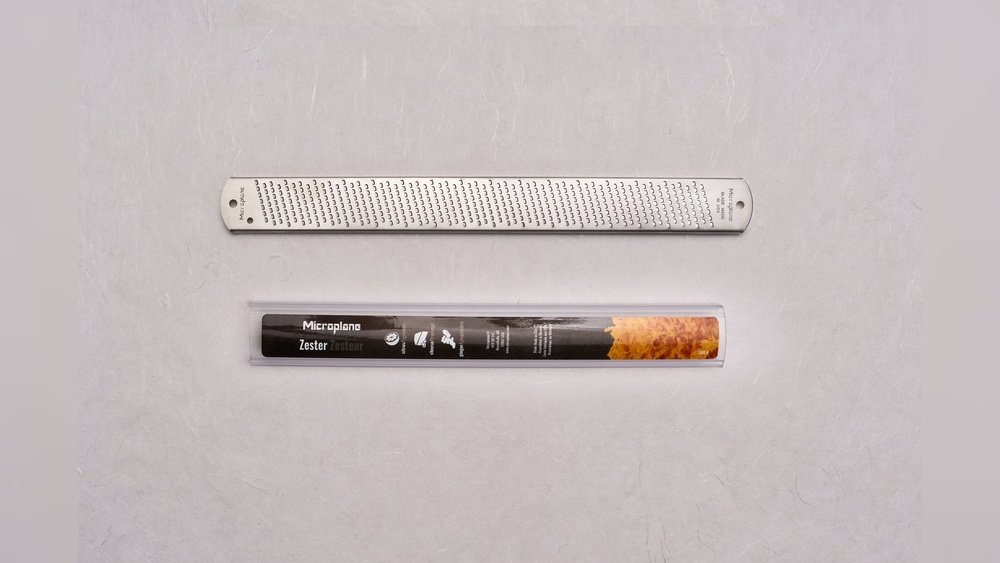
There are several types of zesters to choose from. The most common are microplane, channel, and rotary zesters. Microplane zesters have sharp, fine blades for thin zest. Channel zesters create long strips of zest. Rotary zesters have a handle and a rotating blade. Each type works well for different uses.
Material Considerations
Zesters come in different materials like stainless steel and plastic. Stainless steel is strong, sharp, and resists rust. Plastic parts can make the zester lighter and easier to hold. Look for high-quality materials that last long. Avoid cheap metals that dull quickly or rust.
Ergonomic Design Features
Comfort matters when zesting. Choose a zester with a comfortable handle to avoid hand strain. Soft, non-slip grips improve control. Some zesters have curved handles that fit your hand well. Good design makes zesting quicker and more enjoyable.
Proper Use Techniques
Using a zester correctly helps you get the best flavor and keeps the tool in good shape. Proper techniques make zesting easier and prevent damage to the zester. Follow simple steps to improve your zesting experience and maintain your tool.
Best Citrus For Zesting
Choose firm citrus fruits with bright skin. Lemons, limes, and oranges work well. Avoid overripe fruits that feel soft. Their skin is too soft and can clog the zester. Fresh, firm citrus gives clean zest and less mess.
Correct Zesting Motion
Hold the zester firmly in one hand. Move the fruit gently across the blades. Use short, light strokes to remove thin strips of zest. Avoid pressing too hard to protect the tool. Always zest away from your fingers for safety.
Avoiding Zest Clumping
Zest can stick together and block the holes. To stop clumping, zest over a dry surface. Shake the zester lightly between uses to clear bits. Clean the tool often during long zesting sessions. This keeps the zest fresh and easy to use.
Cleaning Methods
Proper cleaning keeps your zester sharp and ready for use. Removing tiny bits of zest prevents rust and buildup. Follow simple cleaning methods to maintain your tool’s performance. Each method fits different levels of dirt and residue.
Soaking And Rinsing
Fill a bowl with warm water and a drop of dish soap. Soak the zester for five to ten minutes. This loosens stuck zest and oils. Rinse under running water to wash away loosened debris. Use a soft brush to clean small holes gently.
Hand Washing Tips
Hold the zester carefully to avoid cuts. Use a sponge or brush with mild soap. Scrub both sides to remove all residue. Avoid abrasive pads that can dull the blades. Dry immediately with a towel to stop rusting.
Using Heat To Remove Residue
Boil water in a pot and remove from heat. Dip the zester in the hot water for a minute. The heat softens sticky zest and oils. Wipe clean with a cloth or brush afterward. This method kills bacteria and keeps the tool fresh.

Credit: knifewear.com
Sharpening Your Zester
Keeping your zester sharp is key for easy and efficient zesting. A sharp zester slices through citrus peels cleanly, avoiding bruising the fruit. Regular sharpening extends the life of your tool and improves your cooking experience.
When To Sharpen
Notice your zester pulling or tearing the peel instead of slicing. If zest bits come out uneven or shredded, it needs sharpening. Dull edges slow down your work and make zesting frustrating. Sharpen your zester after several uses or when performance drops.
Using Household Items For Sharpening
Use a clean ceramic mug or plate to sharpen your zester. Rub the sharp edges gently against the rough bottom edge in one direction. Aluminum foil crumpled into a ball also works well. Run the ball over the zester’s blades to restore sharpness.
Maintaining Blade Edges
Clean your zester immediately after use to prevent residue buildup. Hand wash with warm, soapy water and a soft brush. Avoid dishwashers, as they dull blades faster. Store your zester in a dry place with blade covers to protect edges.
Storage And Protection
Proper storage and protection extend the life of your zester. Keeping it safe prevents dullness and damage. A well-maintained zester stays sharp and ready for use. Follow these tips to store and protect your zester effectively.
Using Protective Covers
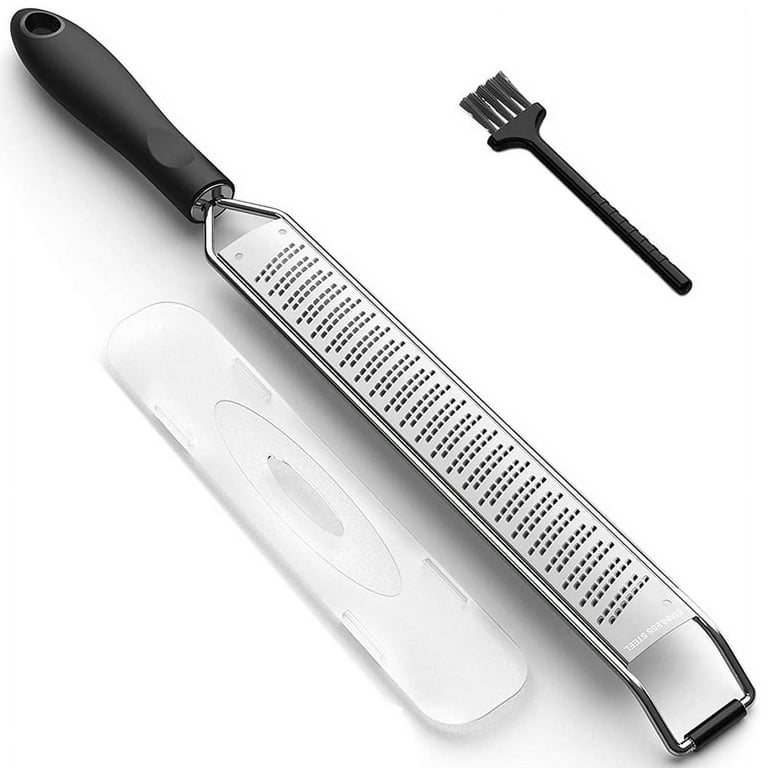
Use a protective cover to shield the blades from damage. Covers keep the sharp edges safe from bumps and scratches. Always put the cover on after cleaning and drying. This prevents accidental cuts and keeps the zester clean.
Safe Storage Practices
Store your zester in a dry, safe place away from heavy objects. Avoid tossing it in crowded drawers where it can bend or dull. Use a dedicated container or hang it on a hook. This keeps the tool accessible and prevents unnecessary wear.
Preventing Rust And Damage
Dry your zester thoroughly before storing to prevent rust. Moisture causes corrosion and weakens the metal. Avoid leaving the zester in a damp sink or towel. Wipe it with a dry cloth and store it in a dry spot.

Credit: seidoknives.com
Extending Zester Lifespan
Extending the lifespan of your zester helps save money and keeps it working well. Proper care prevents dullness and damage. Simple habits make your zester last longer and stay sharp for zesting tasks.
Avoiding Overuse On Hard Ingredients
Do not use your zester on very hard foods like carrots or hard cheeses. Hard ingredients can dull or bend the blades quickly. Use the zester only on citrus fruits and soft items. This protects the sharp edges and keeps the tool effective.
Regular Maintenance Routine
Clean your zester immediately after use to stop residue buildup. Use warm water and a soft brush to remove zest bits. Dry the zester fully to avoid rust or corrosion. Store it in a dry place, away from moisture and dust.
Replacing Parts If Possible
Some zesters have replaceable blades or parts. Check if your model allows blade replacement. Swapping out dull blades keeps your zester sharp without buying a new tool. Follow the manufacturer’s instructions for safe and correct replacement.
Frequently Asked Questions
How To Clean A Zester Tool?
Soak the zester in hot water for a few minutes. Then scrub gently with a brush or sponge. Rinse and dry thoroughly.
How Can I Stop Lemon Zest From Sticking To My Grater?
Rub a lemon half on the grater before zesting to reduce sticking. Use firm, fresh lemons for easier zest removal. Wrap the grater with cling film for less mess. Clean the grater immediately after use with hot water to prevent buildup.
Is There Any Way To Sharpen A Zester?
Sharpen a zester by rubbing its edges against a ceramic mug or crumpled aluminum foil. This maintains blade sharpness effectively.
How To Maintain A Microplane?
Rinse your Microplane immediately after use to prevent residue buildup. Hand wash with warm, soapy water and a soft brush. Avoid dishwasher to keep blades sharp. Dry thoroughly and store with the protective cover to maintain performance and safety.
Conclusion
Taking care of your zester keeps it sharp and ready to use. Clean it gently after each use to avoid rust and buildup. Store it safely to protect the blades. Regular maintenance saves time and effort in the kitchen. Enjoy fresh zest with every dish by following these simple steps.
Your zester will last longer and perform better. Small habits make a big difference in keeping kitchen tools in top shape.

Hi, I’m Emma Carter, a passionate home cook with over 12 years of hands-on experience in home kitchens. I love testing kitchen tools, trying new recipes, and helping everyday cooks make smarter buying decisions. Every review and guide I write is based on real cooking experience, practical testing, and honest opinions, not marketing claims.