DIY Zester Hacks | Genius Tips to Elevate Flavor and Cooking Ease
Looking to get the most out of your zester without any hassle? You’re in the right place.
Whether you’re tired of zest sticking to your grater or wondering how to zest when you don’t have the right tool, these DIY hacks will change the way you zest forever. Imagine effortlessly adding fresh citrus flavor to your dishes with simple tricks you can try right now using items you already have at home.
Keep reading, and you’ll discover easy, clever methods that save time, reduce mess, and make zesting a breeze every time. Your kitchen skills are about to get a serious upgrade!
Credit: www.tasteofhome.com
Zester Basics
Zesting brings fresh flavors to many recipes. Understanding the basics helps you get the best results. This guide covers essential tips for zesting citrus fruits easily and effectively.
Start with the right tool and choose the best citrus for zesting. Small details make a big difference in taste and texture.
Choosing The Right Tool
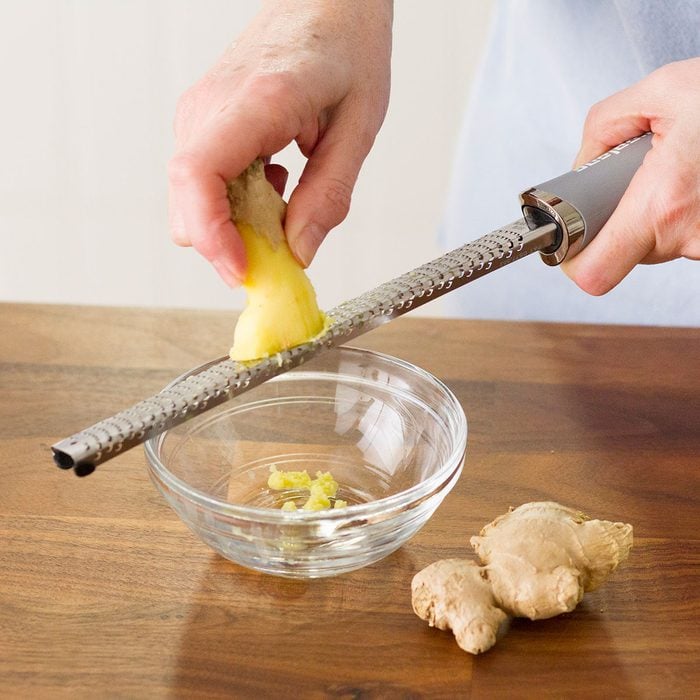
A good zester is sharp and easy to hold. Microplane zesters are popular for fine, even zest. They cut thin strips without removing the bitter white pith.
Channel knives create wider strips, great for garnishes. Box graters work in a pinch but may produce uneven zest. Choose one that feels comfortable and safe to use.
Types Of Citrus To Zest
Lemons, limes, and oranges are common for zesting. Each has a unique flavor and aroma. Lemons give a bright, tangy taste. Limes add a fresh, slightly sour note.
Oranges provide a sweet, fragrant zest perfect for desserts. Choose firm, fresh fruits with smooth skin. Avoid fruits with thick or waxy rinds for easier zesting.
Creative Zesting Hacks
Zesting adds fresh flavor to many dishes. A zester tool is great, but there are other easy ways to get zest. These creative hacks save time and effort. They work well even without a special zester.
Try these simple methods to add zest to your cooking. Each hack uses common kitchen items. They help you get perfect zest every time.
Using Parchment Paper With Box Grater
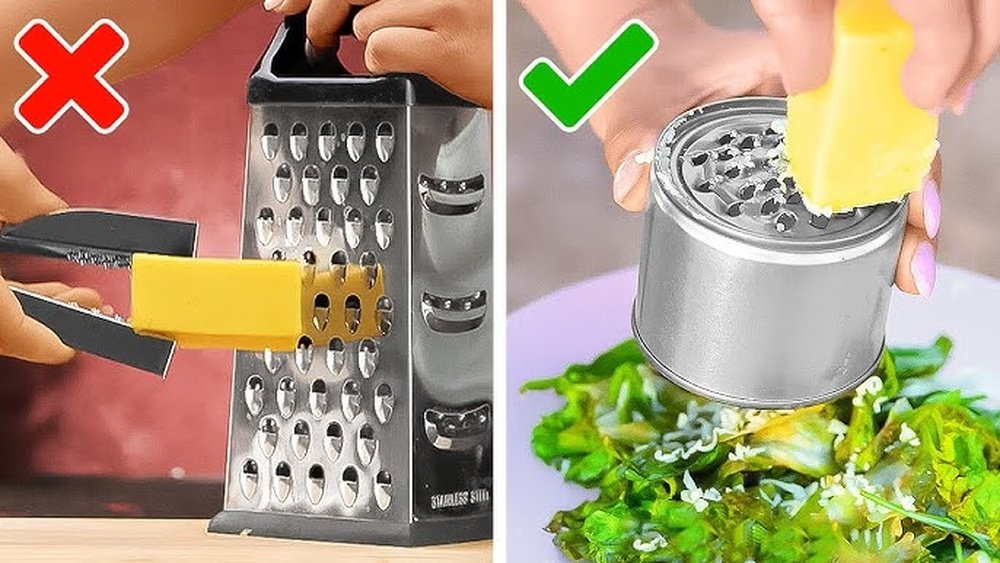
Wrap parchment paper around the box grater’s zesting side. This stops zest from sticking to the grater. It also makes cleanup much easier. Hold the paper tight so it does not slip.
Grate the citrus fruit against the paper. The zest collects on the paper, ready to use. This trick works great with lemons, limes, and oranges.
Vegetable Peeler Zest Substitute
A vegetable peeler can replace a zester. Peel thin strips of the fruit’s colored skin only. Avoid the white pith under the skin; it tastes bitter.
After peeling, finely chop the strips. This gives small zest pieces for cooking or baking. This method is quick and needs no special tools.
Knife Techniques For Zesting
Use a sharp knife to zest without a tool. Cut thin slices of the citrus skin. Then, carefully slice the strips into tiny pieces.
Take care to avoid the bitter white layer. This method takes practice but works well in a pinch. It also gives control over zest size.
Preventing Common Issues
Preventing common problems with your zester improves your zest quality and saves time. Simple habits stop frustrating issues like bitterness and sticking. These tips keep zest fresh and clean for any recipe.
Avoiding Bitter Pith
The white pith under the citrus peel tastes bitter and spoils zest. Use gentle pressure and only grate the colorful outer layer. Rotate the fruit often to avoid digging too deep. Fresh, firm fruits yield zest with less pith. Avoid overripe citrus that easily crushes and exposes the pith.
Stopping Zest From Sticking
Zest can stick to your grater or zester, making cleaning tough. Dry your fruit well before zesting to reduce moisture. Lightly oil the zester blade or rub a bit of cooking spray. Wrap your box grater with wax paper for easy release. Wipe the blade with a clean cloth between uses to keep zest flowing smoothly.

Credit: www.deerandoak.co.uk
Cleaning And Maintenance
Proper cleaning and maintenance extend the life of your zester. A clean zester works better and stays sharp longer. Small bits of zest can get stuck in the blades. Removing these bits keeps your zester ready for use. Regular care prevents rust and damage. Follow simple steps to keep your tool in top shape.
Easy Grater Cleaning Tips
Rinse your zester immediately after use. Warm water loosens stuck zest quickly. Use a soft brush to clean between the blades. A toothbrush works well for small gaps. Avoid harsh scrubbing to protect sharp edges. Dry your zester thoroughly to prevent rust. Store it in a dry place after cleaning.
Storing Zest For Freshness
Store leftover zest in an airtight container. Keep it in the refrigerator to preserve flavor. Use within a few days for the best taste. For longer storage, freeze zest in small portions. Label containers with the date to track freshness. Proper storage keeps zest vibrant and ready for recipes.
Zesting Beyond Citrus
Zesting goes beyond just citrus fruits. Many fruits and vegetables have flavorful skins that add zest to dishes. Using a zester on these can bring new tastes and aromas to your cooking. Experimenting with different produce can expand your flavor palette.
Zesting Other Fruits And Vegetables
Apples, pears, and even carrots can be zested for a fresh twist. Their skins hold subtle flavors that brighten salads and baked goods. Use a light hand to avoid bitter parts or thick skins. Zesting cucumbers or zucchinis adds a mild, refreshing note to dishes. Try zesting ginger for an extra spicy kick. Always wash produce well before zesting to remove dirt and wax.
Using Zest To Boost Flavor
Zest enhances flavor without adding extra liquid or sugar. Sprinkle it over yogurt, oatmeal, or cereal for a fresh burst. Mix zest into dressings, marinades, or sauces for depth. Add it to baked goods like muffins and cookies for subtle complexity. Zest also pairs well with herbs and spices, creating unique blends. It can brighten soups or stews, lifting the entire dish.

Credit: www.youtube.com
Frequently Asked Questions
What Can I Use If I Don’t Have A Zester?
Use a vegetable peeler to remove the citrus peel, then finely chop it. A box grater or sharp knife also works well.
What’s The Easiest Way To Get Lemon Zest?
Use a Microplane zester to grate the lemon’s outer yellow layer, avoiding the bitter white pith underneath.
How Can I Stop Lemon Zest From Sticking To My Grater?
Rub lemon zest lightly with a bit of oil before grating. Use a microplane or place parchment paper on the grater. Clean the grater often to prevent buildup. Choose firm, fresh lemons for easier zesting without sticking.
What Tools Work Best For Zesting?
Microplane zesters work best, providing fine zest without bitterness. Citrus zesters and box graters also work well with proper technique. Vegetable peelers offer an alternative for larger zest strips.
Conclusion
DIY hacks for zesting make cooking easier and more fun. Simple tools like peelers or box graters work well. Protect your grater with parchment paper to avoid sticky zest. Fresh citrus gives the best flavor and zest quality. These easy tips save time and reduce waste in the kitchen.
Try these hacks to enjoy fresh zest without extra tools. Keep zesting simple and tasty every day.

Hi, I’m Emma Carter, a passionate home cook with over 12 years of hands-on experience in home kitchens. I love testing kitchen tools, trying new recipes, and helping everyday cooks make smarter buying decisions. Every review and guide I write is based on real cooking experience, practical testing, and honest opinions, not marketing claims.