How to Use Herb Scissors Safely Essential Tips for Beginners
If you love cooking with fresh herbs, herb scissors are a game-changer. They make chopping quick and easy, saving you time and effort.
But have you thought about how to use them safely? These special scissors have sharp blades designed to cut through delicate leaves with precision, which means you need to handle them with care. You’ll discover simple yet effective safety tips that protect your fingers and keep your herb scissors in great shape.
Keep reading to learn how to enjoy the convenience of herb scissors without any risks—your hands and your herbs will thank you!

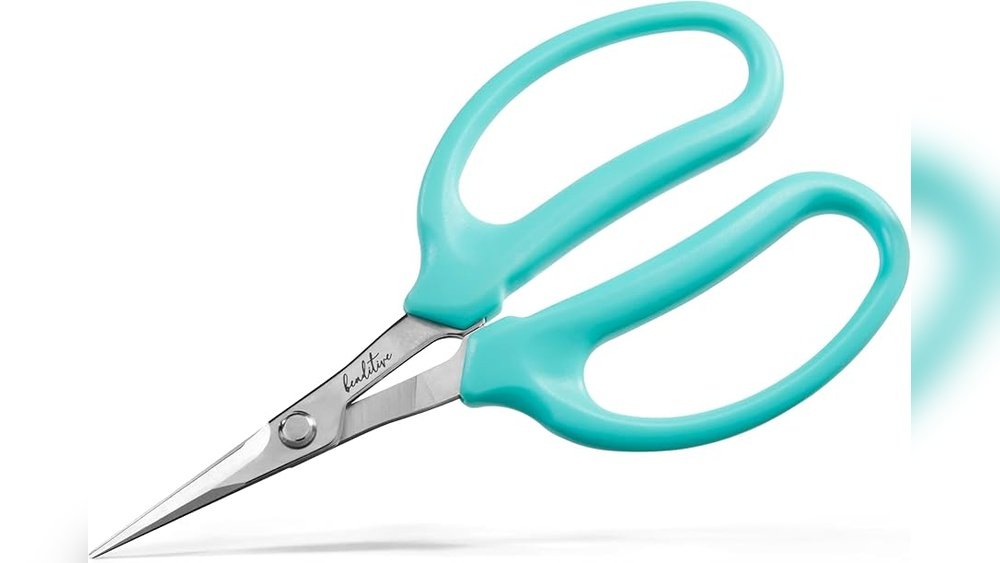
Credit: www.amazon.com
Choosing The Right Herb Scissors
Choosing the right herb scissors makes cutting herbs safer and easier. The right scissors reduce hand strain and prevent accidents. Consider blade types, material quality, and comfort when selecting your tool. These factors help you handle herbs with more control and less risk.
Blade Types And Designs
Herb scissors come with single or multiple blades. Single blades work well for precise cuts on small herbs. Multi-blade scissors cut herbs quickly by slicing several pieces at once. Choose blades that fit the herbs you use most. Sharp blades require less force, lowering the chance of slipping.
Material Quality
Look for scissors made with stainless steel blades. Stainless steel stays sharp longer and resists rust. Rusty or dull blades increase injury risk. Handles made from durable materials like plastic or rubber last longer. High-quality materials offer better safety and performance.
Comfort And Grip
Comfortable handles improve control during use. Soft, non-slip grips reduce hand fatigue. Scissors with ergonomic designs fit the hand better. Good grip stops scissors from slipping, preventing cuts. Test how the scissors feel before buying.
Credit: tonma.jp
Proper Handling Techniques
Proper handling techniques are essential for safe and efficient use of herb scissors. Holding and using these tools correctly reduces the risk of injury and improves cutting precision. This section explains key practices to maintain control and comfort while cutting herbs.
Correct Posture And Wrist Position
Stand or sit straight to avoid strain. Keep your wrist in a neutral position. Avoid bending or twisting your wrist while cutting. This helps prevent fatigue and injury. Hold the scissors firmly but not too tight. Proper posture supports smooth, steady movements.
Cutting Direction And Control
Cut herbs away from your body to stay safe. Move the scissors slowly and steadily for better control. Use short, precise cuts rather than long, sweeping ones. This minimizes accidents and keeps herbs neatly trimmed. Focus on the area you are cutting at all times.
Avoiding Awkward Angles
Keep the scissors aligned with your hand and forearm. Avoid bending your wrist at sharp angles during use. Awkward angles increase the chance of slipping or cutting yourself. Adjust your hand position or the herb placement instead. This ensures safer and cleaner cuts.
Maintenance For Safety
Maintaining herb scissors properly ensures safe and efficient use. Regular care reduces accidents caused by dull or rusty blades. Clean, sharp, and rust-free scissors perform better and last longer. Follow these maintenance steps to keep your herb scissors safe and ready for use.
Keeping Blades Sharp
Sharp blades cut herbs easily and safely. Dull blades need more force, increasing slip risk. Use a sharpening tool or stone to keep blades razor-sharp. Regular sharpening makes cutting smooth and reduces hand strain.
Cleaning And Drying Tips
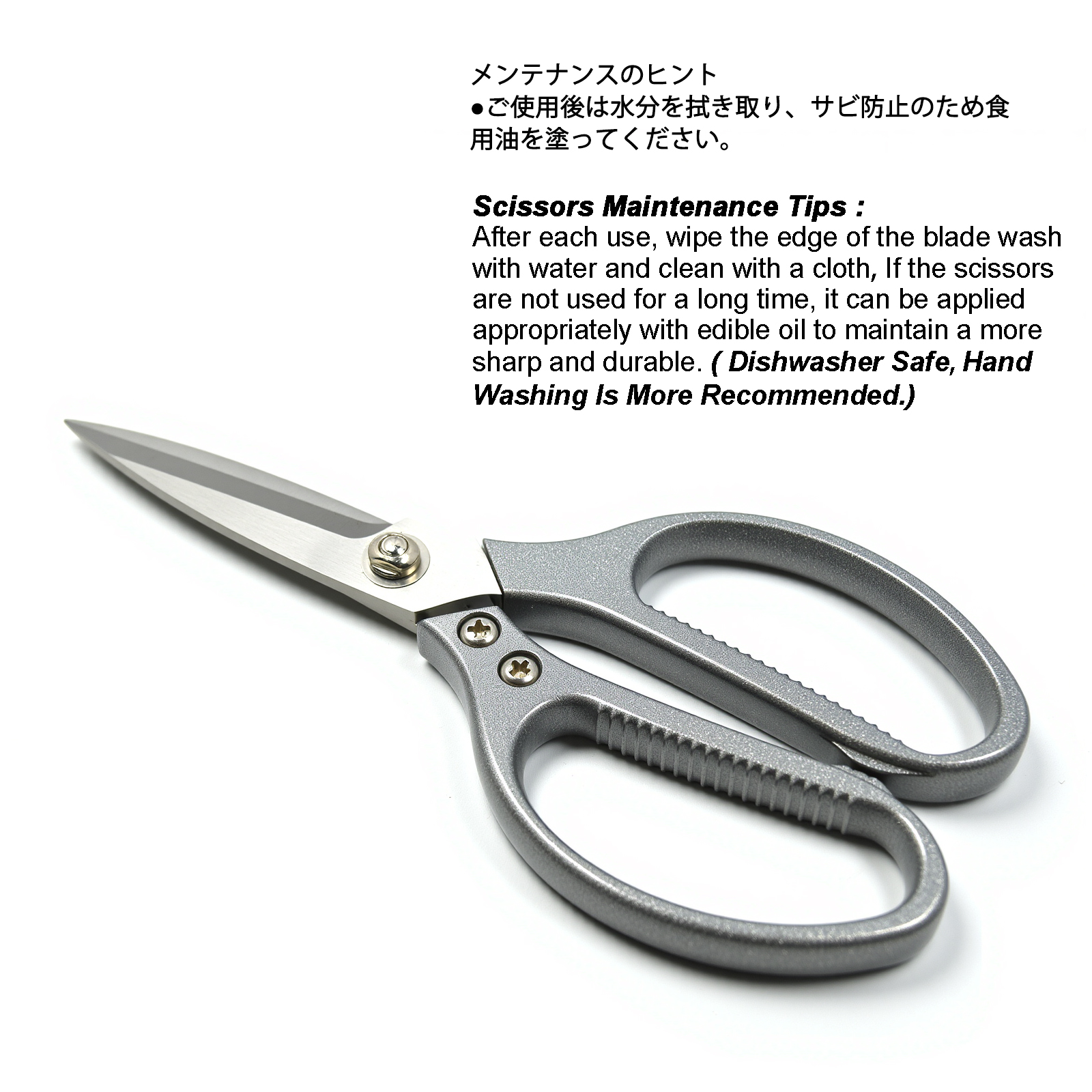
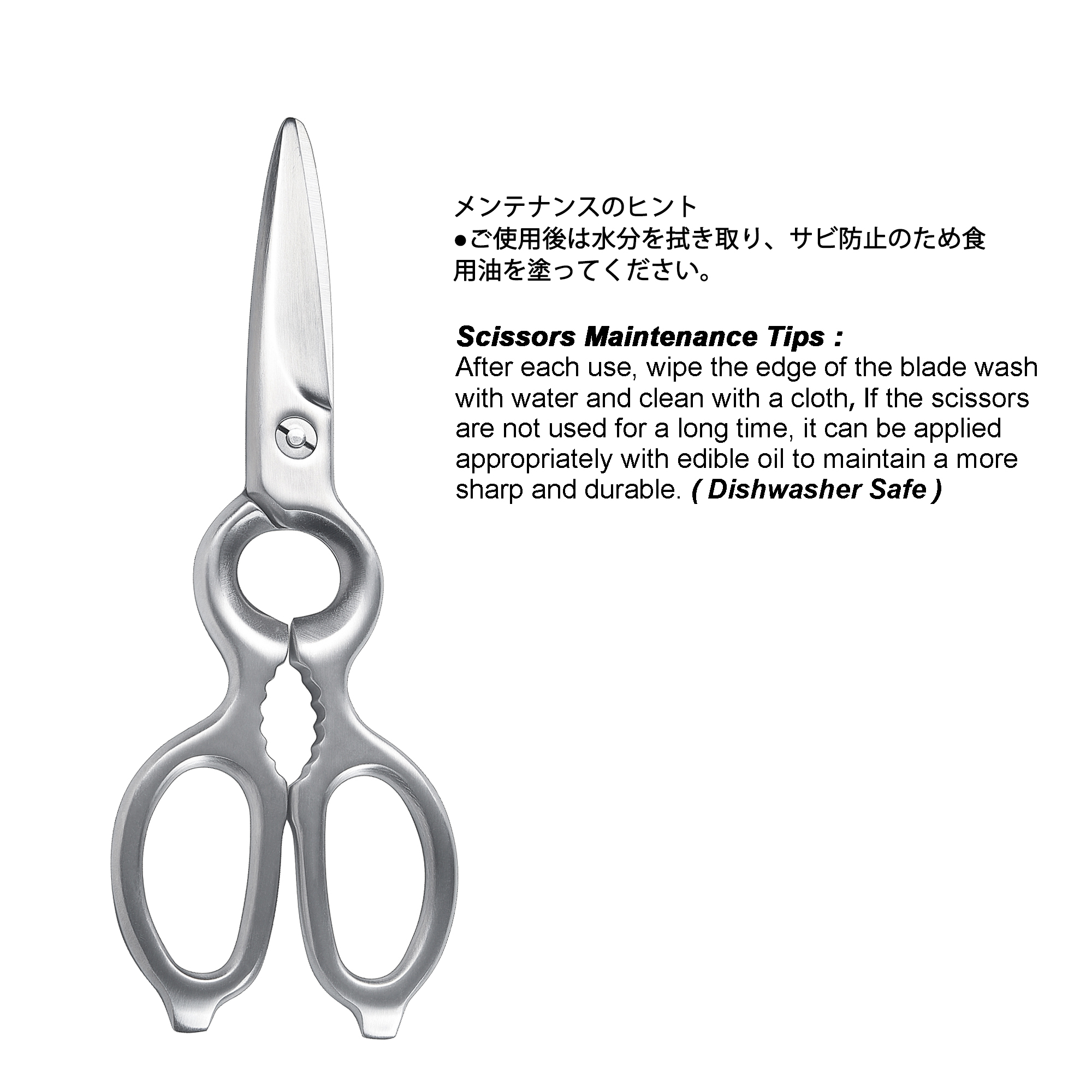
Clean scissors after each use to avoid residue build-up. Use warm water and mild soap to remove herb bits. Dry scissors thoroughly with a soft cloth to prevent moisture damage. Never store scissors wet, as this causes rust and dullness.
Preventing Rust And Corrosion
Rust weakens scissors and makes cutting unsafe. Apply a light coat of cooking oil on blades after cleaning. Store scissors in a dry place away from humidity. Use blade covers or cases to protect from dust and moisture.
Safe Usage Practices
Safe usage practices are essential to avoid injuries while using herb scissors. These small tools have sharp blades that require care. Following simple rules helps keep your hands safe and your herbs perfectly cut.
Understanding how to hold and use herb scissors properly ensures a smooth and safe cutting experience every time.
Cut Away From Your Body
Always point the blades away from your body. This reduces the risk of accidental cuts. Keep your fingers clear of the cutting path. Use slow, steady motions for better control. Cutting towards yourself increases the chance of injury.
Use On Suitable Surfaces
Place herbs on a clean, flat surface before cutting. Avoid cutting in the air or on uneven areas. A stable surface helps prevent slips. Using a cutting board is ideal. This practice protects both your fingers and the scissors.
Avoid Overexertion
Do not force the scissors through tough stems. Overexertion can cause the blades to slip or break. Use gentle pressure and cut in small sections. Take breaks if your hand feels tired. Proper technique keeps you safe and extends tool life.
Storage And Child Safety
Proper storage of herb scissors is crucial for safety and longevity. Poor storage can cause accidents or damage the blades. Child safety must be a priority in every kitchen. Herb scissors are sharp tools and can cause injuries if handled carelessly.
Keeping herb scissors stored safely reduces risks and keeps your kitchen organized. Use simple but effective methods to secure them. This helps prevent accidents and keeps children safe from harm.
Locking Mechanisms And Covers
Many herb scissors come with locking mechanisms. These locks keep blades closed when not in use. A locked pair of scissors reduces the chance of accidental cuts. Some models include blade covers made of plastic or silicone. Covers protect blades and prevent injuries. Always lock or cover herb scissors after using them.
Safe Storage Locations
Choose a dry and secure place for your herb scissors. Avoid storing them loosely in drawers. Use a knife block or a dedicated container for scissors. Wall-mounted holders can keep scissors visible but safe. Proper storage prevents blade damage and keeps scissors ready to use.
Keeping Out Of Reach Of Children
Store herb scissors in high or locked cabinets. Make sure children cannot reach or open these storage spots. Teach children that scissors are tools, not toys. Never leave scissors unattended on counters or tables. Keeping scissors out of reach prevents accidental injuries and keeps children safe.
Common Hazards And How To Avoid Them
Using herb scissors can make cooking faster and more fun. Still, these tools have some common hazards. Knowing these risks helps keep your fingers safe. Simple steps can prevent most injuries and keep your scissors working well.
Risks Of Lacerations
Herb scissors have sharp blades that cut herbs quickly. This sharpness can cause cuts if not handled carefully. Holding scissors too close to the cutting edge raises the risk. Sudden movements or distractions can also cause accidental cuts. Always keep your fingers away from the blades when cutting.
Dangers Of Dull Blades
Dull blades need more force to cut herbs. This extra pressure can make the scissors slip. Slipping leads to injuries or damaged herbs. Dull blades also crush herbs instead of cutting cleanly. Regularly sharpen your herb scissors to keep them safe and effective.
Handling Accidental Cuts
Minor cuts can happen even with care. Clean the wound with water and mild soap right away. Use a bandage to protect the cut from dirt. For deeper cuts, seek medical help immediately. Keep a first aid kit nearby when using herb scissors for safety.
Tips For Efficient Herb Cutting
Efficient herb cutting saves time and keeps herbs fresh. Proper techniques ensure clean cuts and prevent damage. Use the right tools and methods to get the best results. Follow these simple tips for smooth and safe herb cutting.
Using Multi-blade Scissors
Multi-blade scissors have several blades that cut herbs quickly. They allow you to chop many herbs in one snip. This tool reduces cutting time and effort. Keep blades clean and sharp for best performance. Always handle with care to avoid accidents.
Direct Snipping Onto Dishes
Cut herbs directly over your dish to save time. This method keeps herbs fresh and minimizes mess. Snip small amounts as needed for better flavor. Hold scissors steady and cut slowly to avoid spills. This way, herbs stay clean and ready to use.
Preventing Herb Bruising
Herb bruising changes flavor and appearance. Use sharp scissors to make clean cuts without crushing. Avoid squeezing herbs too hard while cutting. Cut herbs gently and quickly for best results. Fresh, unbruised herbs enhance your dishes beautifully.
Credit: tonma.jp
Frequently Asked Questions
What Are The Safety Precautions For Scissors?
Hold scissors properly and cut away from your body. Keep blades sharp to reduce hand strain. Store scissors dry and clean. Avoid running with scissors. Use the right scissors for each task to prevent accidents.
Are Herb Cutting Scissors Worth It?
Herb cutting scissors save time and prevent bruising by quickly snipping herbs. They offer precise, clean cuts and improve kitchen efficiency.
How To Strip Herbs With Scissors?
Hold the herb stem with one hand. Use scissors to snip leaves downward along the stem. Cut close but avoid the woody part. Collect cut herbs directly into your dish or bowl. Repeat until you strip the desired amount.
What Are The Hazards Associated With Scissors?
Scissors pose hazards like cuts from sharp blades and puncture wounds. Dull blades increase hand strain and accidents. Improper use can cause injuries to fingers or eyes. Always handle scissors carefully and store them safely to prevent accidents.
Conclusion
Using herb scissors safely protects your fingers and ensures better cutting results. Always hold scissors correctly and cut away from your body. Keep blades sharp to reduce hand strain and avoid accidents. Store scissors in a safe place when not in use.
Clean them regularly to maintain hygiene and performance. These simple steps help you enjoy cooking while staying safe. Safety and care go hand in hand with every snip you make.

Hi, I’m Emma Carter, a passionate home cook with over 12 years of hands-on experience in home kitchens. I love testing kitchen tools, trying new recipes, and helping everyday cooks make smarter buying decisions. Every review and guide I write is based on real cooking experience, practical testing, and honest opinions, not marketing claims.