
DIY Hacks for Herb Scissors Easy Tips to Chop Herbs Like a Pro
If you love fresh herbs but dread the messy, time-consuming chopping, you’re about to discover a game-changer. Herb scissors are a simple tool that can save you time and effort in the kitchen, making your cooking experience smoother and more enjoyable.
But what if you could take those scissors to the next level with some clever DIY hacks? These easy tricks will help you get the most out of your herb scissors, whether it’s improving their sharpness, creating custom storage, or even turning ordinary scissors into herb-cutting machines.
Keep reading to unlock smart, practical ideas that will transform how you handle fresh herbs every day. Your kitchen—and your taste buds—will thank you!
Choosing The Right Herb Scissors
Choosing the right herb scissors is important for easy and efficient herb cutting. The right tool saves time and keeps herbs fresh. It also helps avoid bruising or crushing delicate leaves. Consider the design, material, and comfort before buying. These factors affect performance and user experience.
Single Blade Vs Multi-blade Designs
Single blade scissors look like regular scissors but have a sharper edge. They work well for small herbs like basil or mint. Multi-blade scissors have several blades, usually five, that cut herbs quickly. They are great for chopping chives or parsley fast. Choose based on the types of herbs you use often.
Material And Sharpness
Herb scissors should be made of stainless steel for durability and rust resistance. Sharp blades cut cleanly through herbs without crushing them. Dull blades tear leaves and ruin texture. Check blade sharpness before purchase. Proper maintenance keeps blades sharp longer and makes cutting easier.
Ergonomic Handles For Comfort
Comfortable handles reduce hand fatigue during use. Look for ergonomic designs that fit your hand well. Soft, non-slip grips provide better control and safety. Handles should allow smooth opening and closing without strain. Good ergonomics improve cutting speed and precision.
Preparing Herbs For Cutting
Preparing herbs properly before cutting improves their flavor and texture. It also makes cutting faster and easier. Follow simple steps to get your herbs ready for herb scissors.
Washing And Drying Techniques
Rinse herbs gently under cold water to remove dirt. Avoid soaking them to keep leaves fresh. Use a salad spinner or pat dry with a clean towel. Dry herbs cut better and last longer.
Removing Stems And Tough Parts
Pull leaves off thick stems before cutting. Tough stems can damage your scissors and ruin texture. For herbs like rosemary, strip needles from woody branches. Soft stems like parsley can be chopped whole.
Best Herbs For Scissor Cutting
Herbs with tender leaves work best with herb scissors. Try basil, parsley, cilantro, chives, and mint. Avoid very woody or large-leaf herbs. Cutting small herbs saves time and keeps them fresh.
Diy Hacks To Improve Herb Scissors
Herb scissors make chopping herbs faster and neater. Small tweaks can boost their performance. Simple DIY hacks help keep your herb scissors sharp, comfortable, and tailored to your needs. These easy improvements save time and effort in the kitchen.
Sharpening Blades At Home
Keep the blades sharp for clean cuts. Use a sharpening stone or a fine nail file. Gently run the blade edges along the sharpener at a 20-degree angle. Repeat a few times for each blade. Wipe blades with a cloth to remove metal dust. Sharp blades cut herbs without bruising.
Adding Non-slip Grip
Improve control by adding a non-slip grip. Wrap the handles with rubber bands or use heat-shrink tubing. Silicone grip pads also work well. These grips prevent slipping when hands are wet. Comfortable handles reduce hand fatigue during chopping.
Customizing Blade Spacing
Adjust blade spacing for different herb sizes. Use small washers or thin pieces of cardboard between blades. Tighten screws lightly to hold the new spacing. Wider gaps work for larger herbs like parsley. Narrow gaps are better for delicate herbs like basil. Custom spacing ensures precise cuts every time.
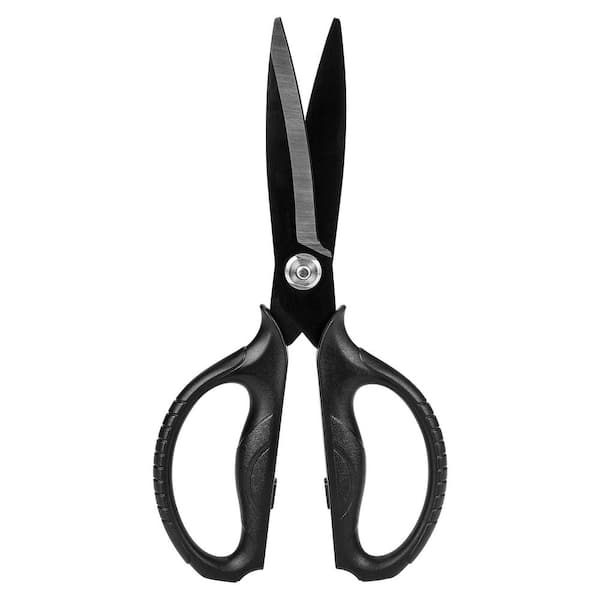
Credit: www.homedepot.com
Techniques To Chop Like A Pro
Chopping herbs with herb scissors can be quick and neat. Using the right techniques helps keep herbs fresh and flavorful. These simple steps improve your chopping skills and save time in the kitchen.
Try these easy ways to chop herbs like a pro with your herb scissors.
Snipping Directly Onto The Dish
Cut herbs straight onto your plate or bowl. This saves time and reduces mess. You avoid extra chopping boards and cleanup. The fresh herbs fall right where you want them. It keeps the kitchen tidy and your workflow smooth.
Layering Herbs For Faster Cutting
Stack a few herb leaves together before cutting. Layering helps cut more at once. Hold the herbs gently so they do not crush. This method speeds up the chopping process. It works well with flat leaves like basil or parsley.
Avoiding Bruising And Over-chopping
Use light pressure when snipping herbs with scissors. Pressing too hard bruises the leaves and spoils the taste. Cut just enough to separate the pieces. Stop chopping when herbs are finely cut but still fresh. This keeps herbs bright and full of flavor.
Alternative Tools And Methods
Herb scissors are handy, but there are other ways to cut and prepare herbs. Alternative tools and methods can save time and effort. Some options are easy to find in any kitchen. These simple hacks help keep herbs fresh and ready for cooking. Try these ideas to handle herbs without special scissors.
Using Sharp Straight-edge Knives
A sharp straight-edge knife works well for cutting herbs. It makes clean cuts without crushing leaves. Use a smooth blade to slice herbs gently. This method keeps herbs fresh longer and preserves flavor. Cut on a clean board and gather herbs into a pile. Then, chop with a rocking motion for even pieces.
Kitchen Scissors For Multi-purpose Use
Regular kitchen scissors can replace herb scissors in a pinch. Make sure they are sharp and clean. Snip herbs directly into your dish or a bowl. This method is quick and reduces mess. Kitchen scissors work well for small herbs like chives or parsley. Keep them reserved for food use only to avoid contamination.
Herb Stripping Without Scissors
Stripping herbs means removing leaves from stems without cutting. Use your fingers to pinch and pull leaves off. This works best with thyme, rosemary, and similar herbs. Strip herbs over a bowl to catch falling leaves. This method avoids bruising and keeps herbs intact. It is perfect for recipes needing whole leaves or sprigs.
Cleaning And Maintaining Your Scissors
Cleaning and maintaining your herb scissors keeps them sharp and ready. Proper care extends their life and ensures smooth cutting every time. Simple steps can prevent damage and rust, saving money on replacements.
Proper Washing Methods
Rinse herb scissors with warm water right after use. Avoid soaking them for long periods to prevent damage. Use mild dish soap and a soft brush to clean between the blades. Dry scissors thoroughly with a soft cloth to stop moisture buildup. Never put herb scissors in the dishwasher, as harsh detergents can dull blades.
Preventing Rust And Dullness
Apply a small drop of cooking oil on the blade joints to stop rust. Wipe off excess oil with a clean cloth. Sharpen blades carefully using a sharpening stone or tool made for small scissors. Avoid cutting hard materials to keep edges sharp. Regular oiling and gentle sharpening keep scissors smooth and rust-free.
Storage Tips For Longevity
Store herb scissors in a dry place away from moisture. Use a protective case or sheath if available to avoid blade damage. Keep scissors separate from other kitchen tools to prevent dulling. Hang them on a magnetic strip or place in a drawer with blade covers. Proper storage reduces wear and keeps scissors in top shape.
Creative Uses Beyond Herb Cutting
Herb scissors are great for chopping herbs quickly. Their design also suits many other creative tasks. Using herb scissors beyond herbs can save time and add fun to daily chores. Try these ideas to get more from your herb scissors.
Crafting And Diy Projects
Herb scissors cut thin strips well, perfect for paper crafts. Use them to shred paper for confetti or decorations. They work great for cutting fabric threads cleanly. Small craft projects become easier with precise cutting. Kids can use them safely for simple craft tasks. They make detailed cuts for scrapbooking or card making.
Snipping Other Kitchen Ingredients
Use herb scissors to cut green onions or chives quickly. They chop lettuce or spinach into small pieces fast. Snip strips of seaweed for sushi or salads. They work well on soft vegetables like bell peppers or mushrooms. Cutting cooked noodles into bite-size pieces is easy. These scissors speed up prep work for meals.
Packaging And Household Hacks
Herb scissors cut open snack bags or packages neatly. Use them to trim zip ties or twist ties around cords. Cut tape into smaller pieces without changing tools. They help clip tags or labels off new clothes. Use them to trim plant stems or flowers for bouquets. Herb scissors handle small household tasks with ease.

Credit: www.walmart.com
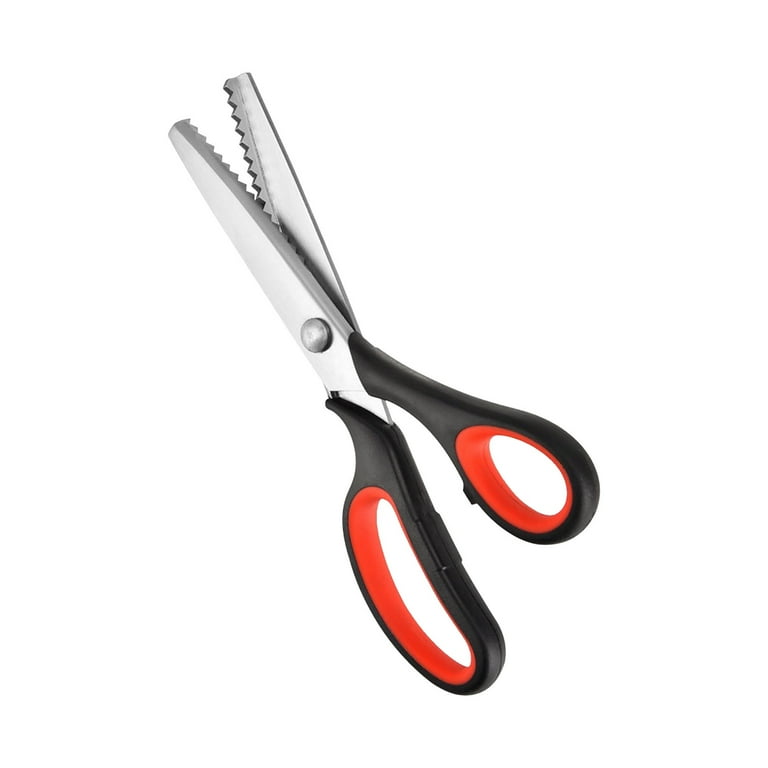
Credit: www.walmart.com
Frequently Asked Questions
What Is The Best Tool For Cutting Herbs?
The best tool for cutting herbs is a sharp, straight-edge knife. It cuts cleanly without crushing leaves. Herb scissors with multiple blades also work well for quick, even snipping. Avoid serrated or dull knives to preserve herb freshness and flavor.
What Can I Use Instead Of Scissors?
You can use a sharp knife, kitchen shears, or a serrated blade as alternatives to scissors for cutting herbs and other materials.
How To Strip Herbs With Scissors?
Hold the herb stem firmly. Use scissors to snip downward along the stem, stripping leaves easily. Repeat as needed.
Are Herb Cutting Scissors Worth It?
Herb cutting scissors save time and prevent bruising by cleanly snipping herbs. They work best for small, delicate leaves and quick chopping.
Conclusion
Using herb scissors saves time and keeps herbs fresh longer. These simple hacks make cutting easier and cleaner. You can enjoy flavorful meals without extra effort. Try these tips to chop herbs quickly and neatly. Keep your kitchen tools sharp for best results.
Small changes bring big improvements in cooking. Start snipping herbs like a pro today!

Hi, I’m Emma Carter, a passionate home cook with over 12 years of hands-on experience in home kitchens. I love testing kitchen tools, trying new recipes, and helping everyday cooks make smarter buying decisions. Every review and guide I write is based on real cooking experience, practical testing, and honest opinions, not marketing claims.