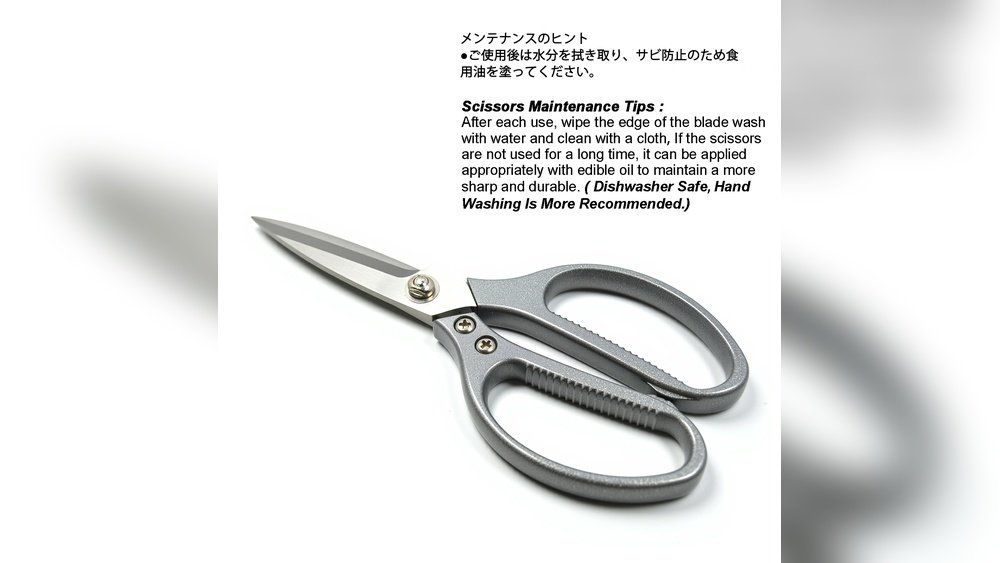
Best Herb Scissors Maintenance Tips for Long Lasting Sharpness and Performance
If you love cooking with fresh herbs, you know how handy herb scissors can be. But to keep your scissors sharp, clean, and ready for every meal, proper maintenance is key.
Neglecting them could lead to dull blades, rust, or even damage that makes chopping a chore instead of a delight. You’ll discover simple, effective tips to care for your herb scissors so they stay in top shape and last for years.
Keep reading to learn how easy it is to protect your kitchen tool and enjoy fresh herbs whenever you want.
Credit: tonma.jp
Cleaning After Use
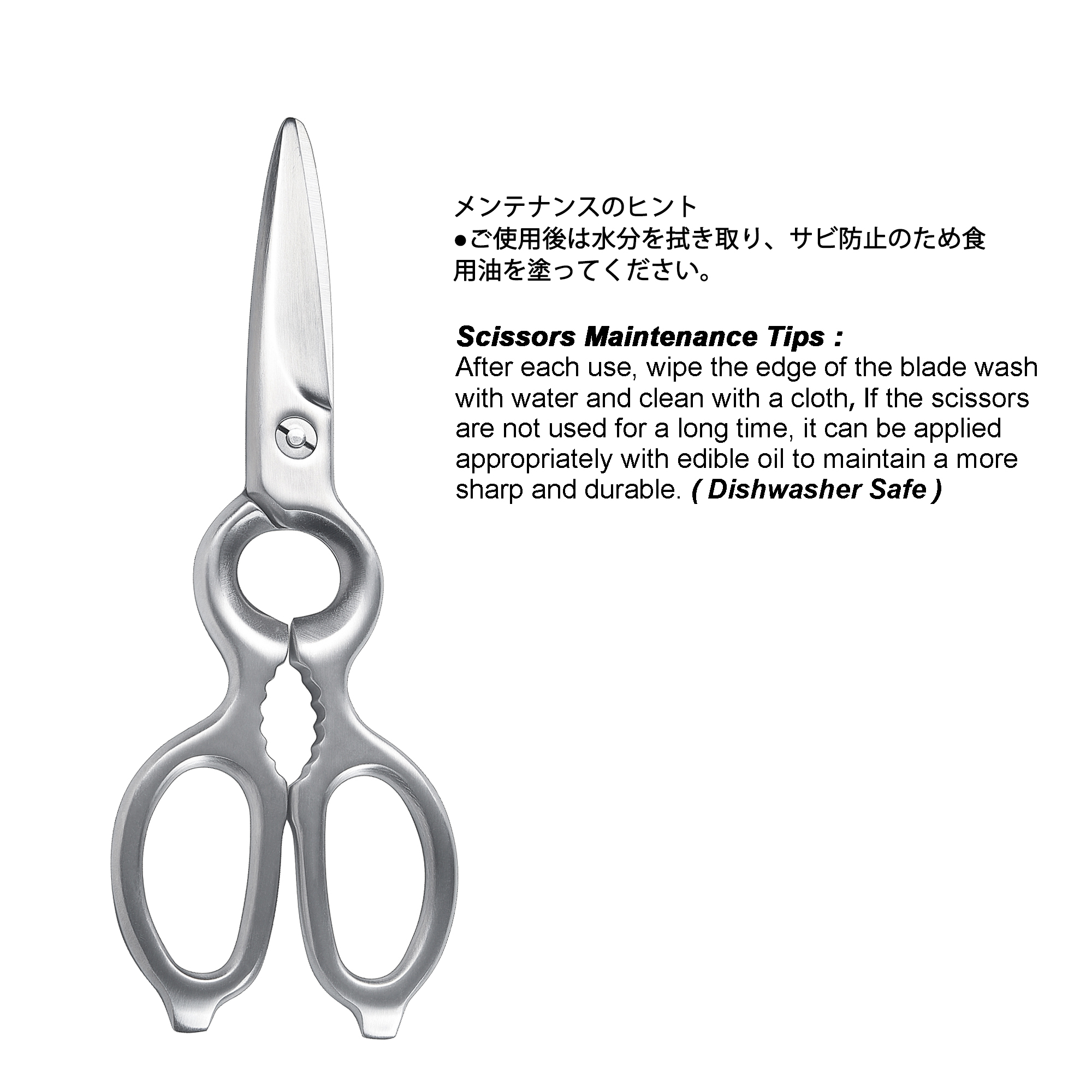
Cleaning herb scissors after each use keeps them sharp and ready. Dirt and plant bits can stick between the blades. This buildup dulls the scissors over time. Regular cleaning stops rust and damage. A few simple steps help maintain your tool well.
Removing Plant Residue
Start by opening the scissors wide. Use a small brush or cloth to remove stuck leaves and stems. Rinse the blades under warm water to wash away tiny bits. Avoid soaking the scissors as water can harm the metal. Clean all the blade edges carefully.
Wiping With Disinfectant
Use a disinfectant wipe or a cloth with rubbing alcohol. Wipe the blades and handles thoroughly to kill germs. This step prevents plant diseases from spreading. Make sure to clean the pivot area where the blades join. Keep your herb scissors hygienic for every use.
Drying To Prevent Rust
After cleaning, dry the scissors fully with a soft towel. Moisture left on metal can cause rust spots. Open the blades slightly while drying to reach all areas. Store the scissors in a dry place. This simple care extends the life of your herb scissors.
Sharpening Blades
Keeping your herb scissors sharp is key to clean, precise cuts. Dull blades crush herbs and damage plants. Regular sharpening keeps your scissors effective and extends their life.
Choosing The Right Sharpener
Pick a sharpener that fits your herb scissors’ blade size. A small diamond sharpener works well for fine blades. Avoid large sharpeners made for heavy tools. A sharpening stone can also be used but must be fine grit. Make sure the sharpener is easy to handle for control.
Step-by-step Sharpening Process
Start by cleaning the blades with a dry cloth. Hold the scissors open at a 20-degree angle. Gently run the sharpener along each blade edge. Use smooth, even strokes from base to tip. Repeat this 5 to 10 times per blade. Wipe off metal dust with a soft cloth. Test the sharpness by cutting a herb leaf.
Tips For Maintaining Sharpness
Sharpen blades after every few uses to avoid heavy dulling. Store scissors in a dry place to stop rust. Clean blades after each use to remove sap and dirt. Apply a drop of oil to the blades for smooth cutting. Avoid cutting hard materials that can chip the blades. Regular care keeps blades sharp and cutting easy.
Lubricating Moving Parts
Lubricating the moving parts of herb scissors keeps them working smoothly and extends their life. These scissors have small joints that can get stiff or rusty over time. A light oil helps reduce friction and prevents wear. Proper lubrication also makes cutting herbs easier and more precise. Regular care means your scissors stay sharp and comfortable to use.
Best Oils For Herb Scissors
Use light oils that do not attract dirt or gum up the blades. Mineral oil is a safe choice and easy to find. Sewing machine oil works well because it is thin and cleans easily. Avoid thick oils or cooking oils, which can become sticky. Choose oils labeled for fine tools or garden equipment.
How To Apply Lubricant
First, clean the scissors with a dry cloth to remove dirt. Apply a drop of oil to the pivot point where the blades meet. Open and close the scissors several times to spread the oil evenly. Wipe off any extra oil with a clean cloth. Do not use too much oil; a small amount works best.
Frequency Of Lubrication
Lubricate your herb scissors after every few uses. If you use them daily, oil them once a week. For occasional use, oiling once a month is enough. Always oil after cleaning the scissors to keep the parts in good condition. Regular lubrication prevents rust and keeps blades moving freely.

Credit: www.ubuy.tj
Rust Prevention
Rust can damage your herb scissors and make cutting difficult. Preventing rust keeps your scissors sharp and long-lasting. Simple care steps protect the metal from moisture and dirt. Act quickly to stop rust before it spreads. Proper maintenance saves money and effort over time.
Storage Tips To Avoid Moisture
Store herb scissors in a dry place. Avoid damp areas like basements or outdoors. Use a cloth pouch or a box with silica gel packets. These packets absorb moisture and keep air dry. Always dry scissors completely after washing before storing. Dry scissors prevent rust from forming on blades.
Using Protective Coatings
Apply a thin layer of oil to metal parts. Use food-safe oils like mineral oil for kitchen tools. Oil creates a barrier that stops moisture from touching metal. Wipe off excess oil with a soft cloth. Repeat oiling after each use or cleaning for best results.
Handling Rust Spots
Remove rust as soon as you see it. Use fine steel wool or a soft brush to scrub gently. Avoid harsh scrubbing that can damage blades. After cleaning, reapply oil to protect the metal. Regular checks help catch rust early and keep scissors in good shape.
Proper Storage
Proper storage is essential for keeping your herb scissors sharp and in great condition. Storing them correctly prevents damage and extends their lifespan. Simple habits can protect the blades from rust and dullness. This section explains the best ways to store your herb scissors safely.
Ideal Storage Locations
Choose a dry place away from moisture. A kitchen drawer or a tool box works well. Avoid leaving scissors in damp areas like near the sink. Humidity causes metal to rust quickly. Keep your scissors in a spot that is cool and dry. This helps maintain sharpness and prevents corrosion.
Using Blade Covers
Blade covers protect the sharp edges during storage. Use plastic or silicone covers made for scissors. They prevent accidental cuts and keep dust off the blades. Covers also stop blades from rubbing against other tools. This reduces the chance of nicks and dull spots. Always cover your herb scissors after cleaning.
Avoiding Damage And Dullness
Do not toss herb scissors loosely in a drawer. They can bump into other objects and get damaged. Store them separately or in a case. Avoid storing near heavy tools that may crush the blades. Keep scissors away from extreme temperatures. Heat can weaken metal and dull edges faster. Proper storage keeps your herb scissors ready for every use.
Routine Inspections
Routine inspections help keep your herb scissors in good shape. They catch small problems before they get worse. Checking your scissors often makes sure they work well and last longer. This simple habit saves time and money on repairs or replacements.
Checking For Loose Screws
Loose screws can make your scissors hard to use. They cause the blades to wobble or not cut properly. Use a small screwdriver to tighten any loose screws. Check screws regularly, especially after heavy use. Tight screws keep the scissors stable and safe to handle.
Inspecting Blade Alignment
Blades must line up correctly to cut cleanly. Misaligned blades may tear herbs instead of slicing them. Hold the scissors open and look at the blade edges. If they do not meet evenly, adjust the pivot screw slightly. Proper blade alignment ensures smooth and precise cuts every time.
Recognizing Signs Of Wear
Look for dull, chipped, or rusted blades. These signs reduce cutting quality and can damage herbs. Also, check the handles for cracks or looseness. Replace blades or scissors if wear affects performance. Early detection keeps your tool safe and effective for daily use.
Diy Repairs
DIY repairs keep your herb scissors working well and extend their life. Small fixes save money and avoid tool replacement. Simple tools like screwdrivers and pliers help with most repairs. Take time to check your scissors regularly. Early care stops bigger problems later.
Tightening Screws And Bolts
Loose screws make scissors unsafe and hard to use. Use a small screwdriver to tighten all screws. Check bolts near the blades and handles. Turn screws gently to avoid stripping the heads. Tighten until firm but do not over-tighten. Regular checks keep scissors steady and precise.
Replacing Worn Parts
Blades and springs wear out with use. Replace dull blades for clean cuts and healthy herbs. Springs lose tension and cause poor cutting. Purchase parts made for your scissors model. Follow instructions to remove old pieces carefully. Proper replacement improves tool performance and safety.
When To Seek Professional Help
Some issues need expert attention for best results. If blades are bent or cracked, call a professional. Complex repairs require special tools and skills. Persistent problems after DIY fixes also need expert care. Professionals ensure your scissors work like new again.
Credit: saudi.whizzcart.com
Frequently Asked Questions
How To Clean Herb Scissors?
Wipe herb scissors with disinfectant wipes after use. Clean blades using warm, soapy water and a soft brush. Dry thoroughly. Apply light oil to blades to prevent rust and maintain smooth cutting. Store in a dry place. Repeat regularly for best performance.
Can I Use Wd-40 On Garden Shears?
Yes, you can use WD-40 to clean and lubricate garden shears. It prevents rust and improves blade movement.
What To Clean Plant Scissors With?
Clean plant scissors with warm, soapy water and a soft brush. Disinfect blades using rubbing alcohol or disinfectant wipes. Dry thoroughly to prevent rust. Apply a light coat of oil to keep blades smooth and rust-free.
Are You Supposed To Oil Your Shears?
Yes, oil your shears regularly to keep blades smooth and prevent rust. Apply oil around the pivot and blade edges.
Conclusion
Proper care keeps herb scissors sharp and ready for use. Clean blades after each cut to prevent rust. Use a soft cloth and mild soap for cleaning. Apply a light oil layer to keep blades smooth. Store scissors in a dry place to avoid moisture damage.
Regular maintenance extends the life of your tool. Small efforts make a big difference in performance. Keep your herb scissors in top shape for best results.

Hi, I’m Emma Carter, a passionate home cook with over 12 years of hands-on experience in home kitchens. I love testing kitchen tools, trying new recipes, and helping everyday cooks make smarter buying decisions. Every review and guide I write is based on real cooking experience, practical testing, and honest opinions, not marketing claims.