How to Use a Citrus Reamer for Fast Efficient and Mess Free Juicing
If you love fresh citrus juice but struggle to get every last drop from your lemons, limes, or oranges, a citrus reamer is your new best friend. This simple tool is designed to help you extract juice quickly and easily, without the mess or hassle.
But are you really using your citrus reamer the right way? In this guide, you’ll discover easy steps and clever tips to maximize your juice yield, avoid common mistakes, and even handle different kinds of citrus fruits like a pro.
Ready to squeeze out more flavor and make your kitchen tasks smoother? Keep reading, and your citrus game will never be the same.
Credit: nilds.gov.ng
Choosing The Right Citrus Reamer
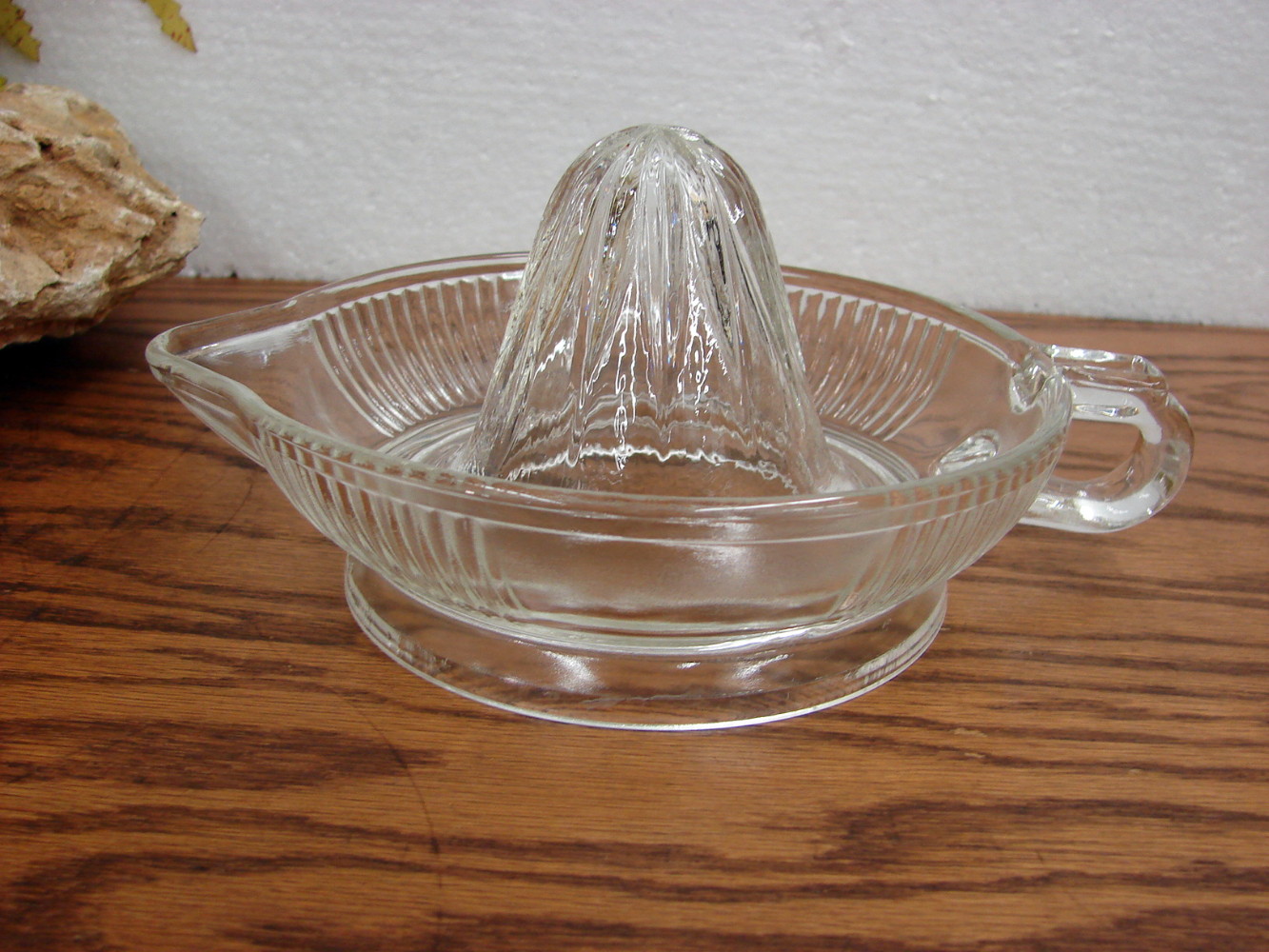
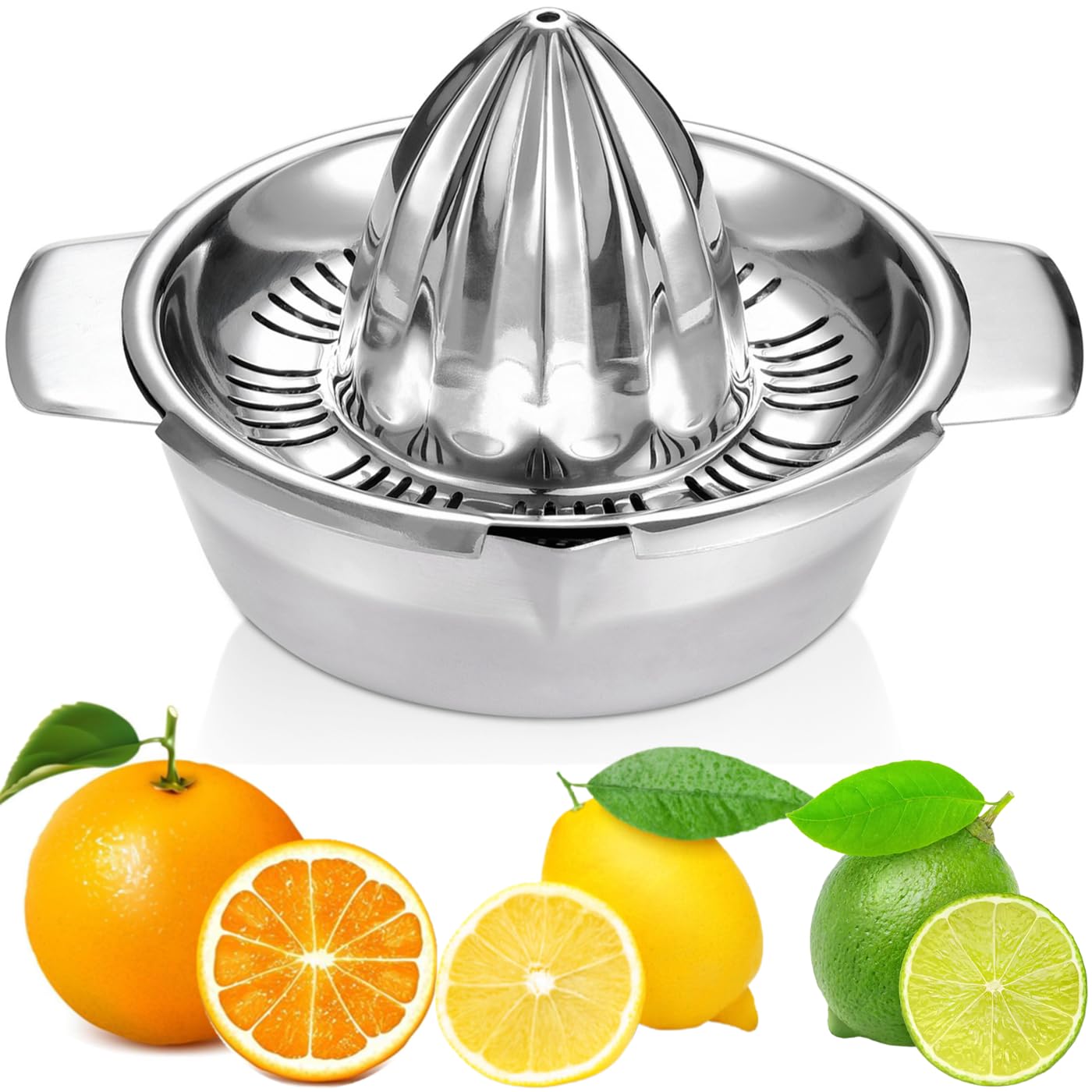
Manual citrus reamers are simple and easy to use. They need no power and work well for small tasks. Electric reamers save time and effort, especially for large amounts of juice. But they need electricity and take up more space.
Materials affect how long the reamer lasts. Stainless steel is strong and resists rust. Plastic models are lighter but can break easily. Choose based on how often you will use it.
| Feature | Manual Reamer | Electric Reamer |
|---|---|---|
| Power | No electricity needed | Requires electricity |
| Size | Compact and portable | Larger, needs counter space |
| Material | Metal or plastic | Usually metal parts |
| Durability | Can wear out plastic parts | Generally more durable |
| Ease of use | Simple but needs hand strength | Easy, just press fruit |
Size matters. Small reamers fit lemons well. Larger ones suit grapefruits. Designs with ergonomic handles help grip. Look for a model that feels comfortable in your hand.
Credit: www.ebay.com
Preparing Citrus Fruits
Choose fresh citrus fruits with firm skin and heavy weight. These fruits have more juice inside. Avoid fruits with soft spots or wrinkles.
Cut fruits in half across the middle, not from top to bottom. This exposes the most juice-filled segments. Use a sharp knife for a clean cut.
Warming fruits slightly helps release more juice. Roll the fruit on the counter using your palm or microwave it for 10 seconds. This softens the fruit’s inside, making juicing easier.
Basic Juicing Techniques
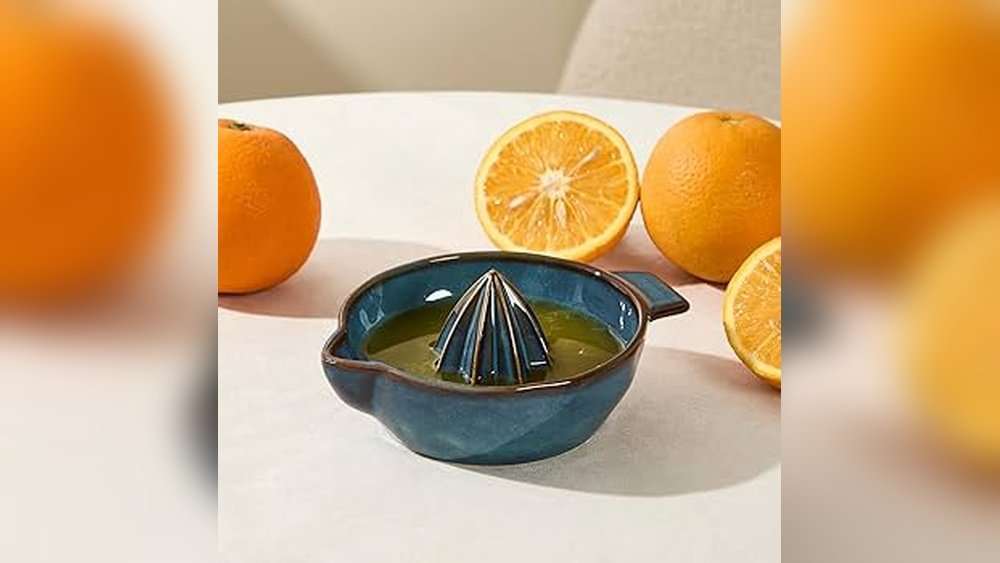
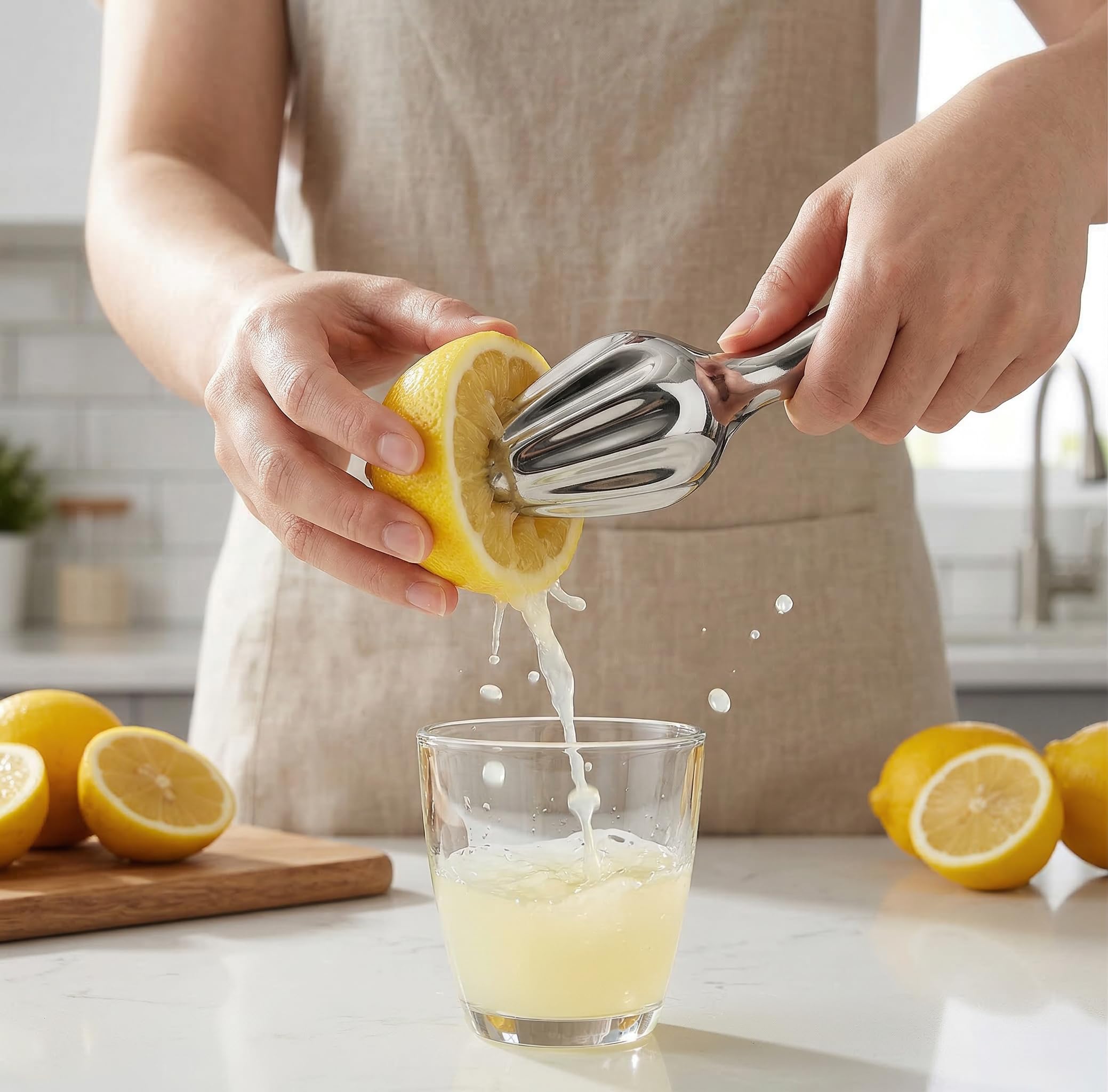
Hold the citrus fruit firmly with one hand. Place the reamer on top with the pointed end down. Use your other hand to press the reamer into the fruit. Keep your fingers away from the sharp edges for safety.
Use a twisting motion to press the reamer deep into the fruit. Rotate the reamer back and forth steadily. This helps break the fruit’s pulp and release more juice. Avoid pressing too hard to prevent seeds from falling into the juice.
To get the most juice, apply firm pressure while twisting. Move the fruit slightly to expose new pulp. Stop when the fruit feels soft and dry. This method extracts maximum juice without extra effort.
Handling Pulp And Seeds
The built-in seed catcher on a citrus reamer helps keep seeds from falling into your juice. It traps most seeds, making your juice smoother and easier to drink. To use it, just press and twist the fruit on the reamer, and the seeds will stay caught.
For a pulp-free juice, pour the juice through a fine mesh strainer or cheesecloth. This removes extra pulp, giving you a clearer, smoother drink. You can also scoop out pulp with a spoon before juicing.
- Twist fruit slowly to avoid pushing seeds through
- Tap the reamer gently to release stuck seeds
- Use a small fork to pick out any missed seeds
- Clean the seed catcher often to keep it working well
Cleaning And Maintenance
First, gently take apart the citrus reamer if it has removable parts. This helps clean every corner well. Use warm water and mild soap to wash each piece. Avoid harsh cleaners that can damage the material.
Use a soft brush or sponge to remove pulp and juice residues. Rinse thoroughly under running water to clear soap and bits of fruit. Dry all parts completely before putting them back together.
To keep the reamer free from stains and odors, wipe it with a mixture of vinegar and water. Let it sit for a few minutes, then rinse and dry. This simple step stops smells from building up.
| Step | Action | Tip |
|---|---|---|
| 1 | Disassemble reamer parts | Check if parts are removable |
| 2 | Wash with warm soapy water | Use soft brush for pulp |
| 3 | Rinse thoroughly | Remove all soap |
| 4 | Dry completely | Prevent mold and rust |
| 5 | Use vinegar solution for stains | Eliminate odors |
Juicing Beyond Lemons And Oranges
Citrus reamers are perfect for juicing grapefruits and limes. Their sharp, pointed shape fits well inside these fruits. Grapefruits yield lots of juice, but need firm pressure. Limes require a gentle twist to avoid bitterness from the peel.
Using reamers on less common citrus like kumquats or tangerines works well. Smaller fruits need careful handling to get juice without seeds. The reamer’s ridges help break the fruit’s membranes for easy extraction.
Other fruits such as apples or berries do not work well with reamers. These fruits are too firm or soft for manual reaming. Juicing machines or blenders suit those better. Reamers remain best for citrus fruits only.
Troubleshooting Common Issues
Plastic breakage happens when too much pressure is applied. Use gentle twisting motions instead of hard pushing. Choose a reamer made with strong materials like stainless steel to avoid cracks or snaps.
Inefficient designs often leave juice inside the fruit. A good reamer should have sharp, well-shaped ridges to extract more juice. Make sure the size fits the fruit to get the best results.
Improving grip is key for better control. Use a reamer with a non-slip handle or hold the fruit firmly on a stable surface. Wet hands can cause slipping, so keep your grip dry.
Credit: www.amazon.com
Creative Uses For Fresh Citrus Juice
Fresh citrus juice adds bright flavor to many dishes. Use it in marinades for meat or fish to make them tender. It works well in salad dressings too. Baking recipes like lemon cakes or orange muffins gain a fresh twist with citrus juice. The juice also balances sweetness in desserts.
For drinks, mix citrus juice with sparkling water or iced tea for a refreshing drink. Combine it with honey and ginger for a soothing homemade lemonade. Citrus juice boosts flavors in smoothies and cocktails.
Citrus juice can be a natural cleaner. Mix it with baking soda to scrub surfaces gently. Use it to remove stains from cutting boards or brighten dull kitchen tools. The juice’s natural acidity helps kill bacteria and freshen up your home.
Frequently Asked Questions
How To Use A Citrus Reamer?
Cut the citrus fruit in half. Hold the fruit firmly on the reamer’s ridged cone. Twist and press down while rotating to extract juice. Collect juice in a bowl or glass. Remove seeds and pulp if needed. Clean the reamer after use.
How Do You Get The Most Juice From A Citrus Reamer?
Cut the citrus fruit in half. Press the cut side firmly against the reamer. Twist and apply steady pressure. Rotate the fruit to extract all juice. Use a bowl to catch juice and strain seeds if needed.
Can A Citrus Reamer Remove Pulp?
A citrus reamer extracts juice while removing most pulp and seeds. It delivers smooth juice ideal for drinks and recipes.
Can A Citrus Reamer Juice Other Fruits?
A citrus reamer juices mainly citrus fruits like lemons, limes, oranges, and grapefruits. It is less effective for non-citrus fruits.
Conclusion
Using a citrus reamer makes juicing simple and efficient. It extracts more juice with less effort. The tool works well with lemons, limes, and oranges. Clean it easily after use to keep it ready. Enjoy fresh juice for cooking, drinks, or baking.
A citrus reamer is a handy tool in any kitchen. Try it today and taste the difference.

Hi, I’m Emma Carter, a passionate home cook with over 12 years of hands-on experience in home kitchens. I love testing kitchen tools, trying new recipes, and helping everyday cooks make smarter buying decisions. Every review and guide I write is based on real cooking experience, practical testing, and honest opinions, not marketing claims.