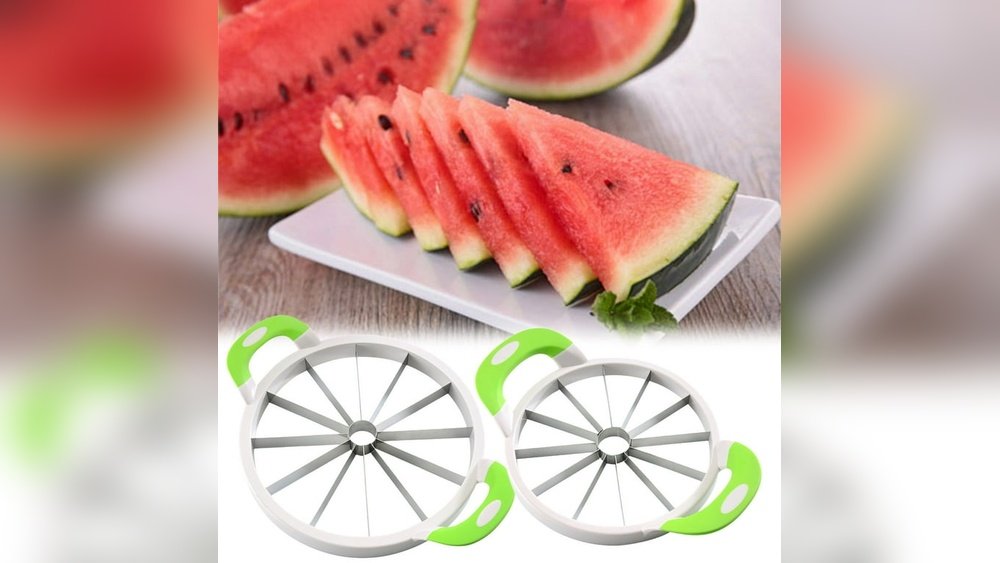
Pro Tips for How to Store Watermelon Slicer
You love using your watermelon slicer to cut perfect, juicy pieces every summer. But have you ever wondered how to store that slicer so it stays sharp, clean, and ready for your next watermelon craving?
If you don’t store it properly, your slicer can get dull, rusty, or even harbor bacteria. That’s why knowing the right way to store your watermelon slicer is key—not just for its longevity, but for your safety and the best tasting fruit.
Keep reading to discover simple, effective tips that will help you keep your watermelon slicer in top shape, so every slice is as fresh and delicious as the first.
Choosing The Right Watermelon
Picking the perfect watermelon is key to enjoying your slicer fully. A good watermelon is juicy, sweet, and easy to cut. It saves time and effort when slicing. Storing a watermelon slicer is easier when the fruit is ripe and fresh.
Learning how to select the right watermelon helps keep your slicer sharp and clean. A poor choice may cause damage or make slicing difficult. Below are tips to pick a ripe watermelon and check its freshness.
Picking A Ripe Watermelon
Look for a watermelon with a creamy yellow spot on its side. This spot shows where the melon rested on the ground and ripened. The skin should be firm and free of dents or bruises. Choose a watermelon that feels heavy for its size. This means it holds more water and will taste sweeter. Tap the watermelon gently; a deep sound means it is ripe and ready.
Checking For Freshness
Examine the watermelon’s skin for any cracks or soft spots. These signs show the fruit may be old or damaged. The stem should be dry and brown, not green or fresh. A fresh watermelon has a smooth, shiny surface without wrinkles. Avoid melons with cuts or mold, as they spoil quickly. Fresh watermelons last longer after slicing and store better with your slicer.
Credit: conwaykitchen.com
Preparing The Watermelon
Preparing the watermelon correctly makes slicing easier and safer. This step helps keep the fruit fresh and tasty. Follow simple steps before using your watermelon slicer.
Chilling Before Slicing
Put the watermelon in the refrigerator for a few hours. Cold fruit is firmer and easier to cut. Chilling also keeps the juice inside, making slices less messy. Avoid slicing a warm watermelon to prevent slippery surfaces.
Safe Slicing Techniques
Place the watermelon on a clean, flat surface. Hold it steady with one hand. Use a sharp knife or the slicer carefully. Cut slowly and avoid rushing to prevent accidents. Always cut away from your body for safety.
Using The Watermelon Slicer Effectively
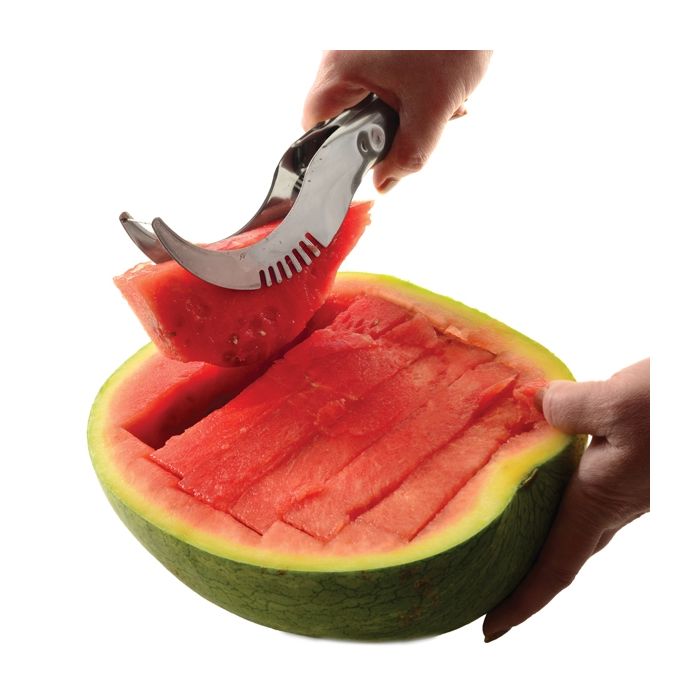
Position the slicer on the watermelon’s center. Push down firmly and evenly. The slicer should cut through the rind and flesh easily. Lift the slicer to reveal perfect slices. Clean the slicer after each use for best results.
Storage Containers
Choosing the right storage container helps keep your watermelon slicer fresh and ready to use. Proper containers protect the fruit from air and moisture. This stops the watermelon from drying out or absorbing fridge odors. Good storage also keeps the juicy texture and sweet flavor intact.
Many options exist for storing watermelon slices. Each type offers different benefits for freshness and convenience. Select a container that fits your needs and fridge space.
Airtight Glass Containers
Airtight glass containers keep watermelon slices fresh longer. Glass does not hold smells or stains. It protects the fruit from air, locking in moisture and taste. These containers are easy to clean and reusable. They also allow you to see the watermelon without opening the lid.
Choose a container with a tight seal to avoid leaks. Store sliced watermelon in the fridge inside this container. It will stay crisp and juicy for several days.
Plastic Wrap Options
Plastic wrap is a quick way to cover watermelon slices. It creates a barrier to keep air out. Wrap the slices tightly to reduce moisture loss. Use plastic wrap for short-term storage or when no containers are available.
Make sure the wrap touches the surface of the watermelon to limit air exposure. Keep wrapped slices in the fridge to maintain freshness. Replace the wrap daily if storing for more than one day.
Using Bowls And Colanders
Bowls and colanders work well together for watermelon storage. Place sliced watermelon in a colander. Set the colander inside a bowl to catch juice drips. This keeps the fruit from sitting in excess liquid.
Cover the bowl with a plate or plastic wrap. Store it in the fridge to keep the fruit cool. Drain the collected juice daily to avoid sogginess. This method keeps watermelon fresh and ready to eat.
Refrigeration Tips
Proper refrigeration is key to keeping your watermelon slicer clean and safe. Storing it right prevents rust and maintains its sharpness. Follow these refrigeration tips to extend your slicer’s life and keep it ready for your next use.
Ideal Fridge Temperature
Set your fridge temperature between 35°F and 40°F. This range slows bacterial growth on your slicer. Avoid freezing the slicer as it can damage the blade.
Placement In The Refrigerator
Place the watermelon slicer in a clean, dry container. Store it on a shelf, not in the vegetable drawer. Keep it separate from raw meats to prevent cross-contamination.
Avoiding Odor Absorption
Wrap the slicer in a cloth or place it in a sealed bag. This prevents it from absorbing strong fridge odors. Clean the slicer before storing to remove any fruit residues.
Extending Freshness
Keeping your watermelon slices fresh is key to enjoying their sweet, juicy flavor longer. Proper storage slows down spoilage and preserves taste. Simple steps help maintain freshness and texture after slicing.
Store watermelon in a clean container and keep it cold. Remove excess juice to avoid sogginess. Cover tightly to protect from air and odors. You can also freeze slices for longer storage. These methods extend freshness and reduce waste.
Draining Excess Juice
After slicing, watermelon releases a lot of juice. This liquid can make slices soggy and spoil faster. Place the slices in a colander over a bowl. Let the juice drain for about 10 minutes. Drain excess juice daily if storing longer. This keeps slices firm and fresh.
Covering And Sealing Methods
Air exposure dries out watermelon and absorbs fridge odors. Use airtight containers or sealable plastic bags. Press out as much air as possible before sealing. Wrap slices tightly with plastic wrap if no container is available. Proper covering locks in moisture and flavor. Store in the fridge at around 40°F (4°C).
Freezing Watermelon Slices
Freezing watermelon extends storage up to several months. Cut slices into bite-sized pieces. Place them on a baking sheet lined with parchment paper. Freeze until solid, about 2 hours. Transfer frozen pieces to a freezer bag and seal tightly. Use frozen watermelon for smoothies or cold snacks. Thawed slices may lose firmness but keep their sweetness.

Credit: www.amazon.com
Storing Without A Fridge
Storing a watermelon slicer without a fridge requires some care. The goal is to keep the slicer clean and dry. Moisture and heat can cause damage or rust. Proper storage helps the slicer last longer and stay sharp.
Cool Storage Alternatives
Choose a cool, dry place away from sunlight. A pantry or cupboard works well. Avoid storing near heat sources like stoves or ovens. Heat can warp or dull the slicer blade. Use a drawer with good ventilation to keep air flowing. This prevents moisture buildup on the slicer.
Using Ice Packs And Coolers
Ice packs can keep the slicer cool during hot days. Wrap the slicer in a clean cloth first. Then place it near the ice packs inside a cooler. This avoids direct contact with moisture. Use this method for short periods, like picnics or outdoor events. After use, dry the slicer completely before storing again.
Short-term Freshness Tips
Wipe the slicer clean immediately after use. Use a dry cloth to remove water and juice. Avoid soaking the slicer in water. Keep the blade covered with a protective sheath if available. This prevents accidental cuts and keeps the blade sharp. Store the slicer in a place with low humidity to avoid rust.
Cleaning And Maintaining Your Slicer
Cleaning and maintaining your watermelon slicer keeps it sharp and safe to use. Regular care prevents rust and damage, helping the slicer last longer. Proper cleaning also stops bacteria buildup, making your slicing process more hygienic. Follow simple steps to keep your slicer in top condition.
Proper Washing Techniques
Rinse the slicer under warm water immediately after use. Use a soft sponge with mild dish soap to clean all surfaces. Avoid harsh scrubbers that can scratch the blade. Carefully clean between the slicer’s slots and handles. Rinse well to remove soap residue. Dry the slicer with a clean towel to stop water spots.
Avoiding Rust And Damage
Never leave your slicer soaking in water for long periods. Moisture causes rust and weakens the blade. Avoid dropping or bending the slicer to keep it from warping. Use cutting boards instead of hard surfaces like glass or stone. Regularly inspect the blade for any signs of rust. Apply a thin layer of food-safe oil to metal parts to protect against moisture.
Storage Of The Slicer Itself
Store the slicer in a dry place away from humidity. Use a protective cover or sheath if available to protect the blade. Keep the slicer separate from other utensils to avoid dulling. Place it in a drawer or hang it on a hook with the blade pointing down. Avoid storing in damp areas like under the sink. Proper storage keeps the slicer sharp and ready for your next use.

Credit: www.amazon.com
Conclusion
Storing your watermelon slicer properly keeps it sharp and clean. Always wash and dry it after use to avoid rust. Store it in a safe place, like a drawer or utensil holder. Keeping it away from moisture extends its life.
With simple care, your slicer stays ready for summer treats. Enjoy fresh watermelon anytime without hassle.

Hi, I’m Emma Carter, a passionate home cook with over 12 years of hands-on experience in home kitchens. I love testing kitchen tools, trying new recipes, and helping everyday cooks make smarter buying decisions. Every review and guide I write is based on real cooking experience, practical testing, and honest opinions, not marketing claims.