How to Maintain a Citrus Reamer Simple Steps for Durability and Hygiene
You love fresh citrus juice, and your citrus reamer is your go-to tool for getting every drop of flavor. But are you taking the right steps to keep it in top shape?
If you want your reamer to last longer and work better every time, proper maintenance is key. You’ll discover simple yet effective tips that make cleaning and caring for your citrus reamer quick and easy. Stick with us—you’ll learn how to avoid common mistakes that can damage your tool and how to enjoy perfectly fresh juice every time without extra hassle.
Ready to keep your citrus reamer working like new? Let’s dive in!
Choosing The Right Citrus Reamer
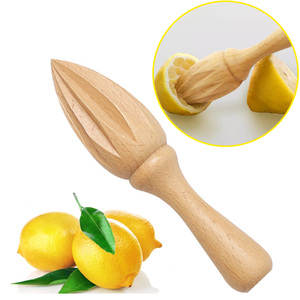
Olive wood is a popular choice for citrus reamers due to its hardness and density. This makes it very durable for daily use. Its nonporous surface helps prevent germs and odors from lingering. This keeps the reamer clean and safe for fruit juices.
Durability depends on the wood’s quality and finish. Olive wood resists cracking and warping better than softer woods. It also has a natural beauty with unique grain patterns. This makes each reamer look special and lasts for many years with care.
Daily Cleaning Techniques
Rinse your citrus reamer immediately after use. This stops juice from drying and sticking. Use warm water to wash away pulp and seeds quickly. Never let juice sit on the reamer too long.
Gently scrub the reamer with a soft bristled brush. Focus on the grooves where juice collects. This helps remove pulp and prevents mold. Avoid using hard brushes that can scratch the surface.
To avoid dry juice buildup, clean your reamer right after juicing. Wiping it dry with a clean cloth stops water spots. Store in a dry place to keep it fresh and ready for next use.
Deep Cleaning Methods
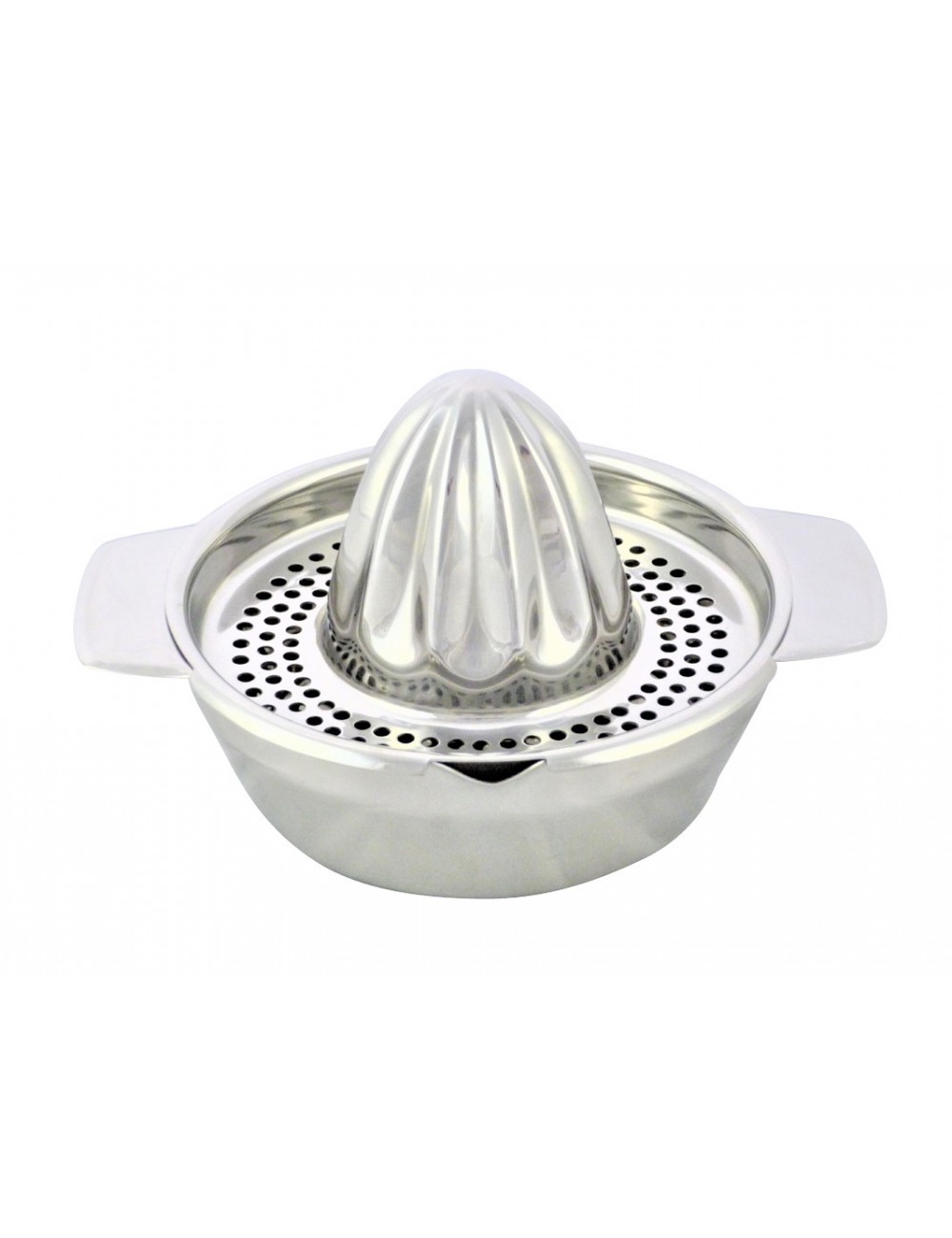
Hand washing is the safest way to clean your citrus reamer. Use warm, soapy water and a soft brush or sponge to remove all pulp and juice residues. Avoid harsh scrubbing to keep the surface smooth and undamaged.
Soaking the reamer in warm soapy water for 10-15 minutes helps loosen stuck particles. Make sure to rinse it well with clean water after soaking to remove soap traces.
Specialized cleaners designed for kitchen tools can be used occasionally. These cleaners help remove tough stains and odors without harming the reamer’s material. Always follow the product instructions carefully for best results.
Credit: www.edehillerin.fr
Drying And Storage Tips
After washing, make sure the citrus reamer is fully dry. Use a clean towel or air dry it on a rack. Moisture can cause mold or damage the wood or metal parts.
Keep the cable neat by wrapping it gently under the base. Avoid tight loops to prevent wire damage. This helps keep the cord working longer.
Store the reamer in a cool, dry place away from direct sunlight. Avoid stacking heavy items on it to prevent cracks or breaks. Use a soft cloth or pouch if possible to protect the surface.
Avoiding Common Mistakes
Not washing fruits properly can leave dirt and pesticides on the reamer. Always rinse fruits under cold water before juicing. This keeps the tool clean and juice fresh.
Ignoring regular maintenance causes buildup of pulp and juice residue. Clean the reamer after every use with warm soapy water. Dry it well to avoid mold and smells.
Using harsh cleaning tools like steel wool or rough brushes can damage the surface. Use a soft sponge or cloth instead. Gentle cleaning helps the reamer last longer and stay safe to use.

Credit: www.ebay.com
Maintaining Manual Vs. Electric Reamers
Manual reamers need gentle cleaning after each use. Rinse with warm water and mild soap to remove juice and pulp. Avoid using harsh scrubbers that can damage the wood or plastic. Dry thoroughly to prevent mold and cracking. Regular oiling with food-safe oil keeps wooden reamers smooth and durable.
Electric reamers require careful cleaning of the base. Unplug the device before wiping with a soft, damp cloth. Never immerse the electric base in water. Remove any juice residue promptly to avoid sticky buildup. Check the power cord and plug for damage during routine inspections to ensure safety.
Credit: www.alibaba.com
Frequently Asked Questions
What Is The Best Wood For A Citrus Reamer?
Olive wood is the best wood for a citrus reamer. It is dense, durable, and nonporous, preventing odors and germs.
How To Clean A Citrus Squeezer?
Rinse the citrus squeezer immediately after use with warm water. Use a soft brush to remove pulp. Dry thoroughly before storing. Avoid dishwashers to prevent damage. Wipe the handle and base with a damp cloth for complete cleaning.
What Are Common Mistakes When Juicing?
Common juicing mistakes include not washing produce, using only fruits, delaying consumption, drinking too fast, eating with juice, storing improperly, skipping pre-cleanse, and neglecting hydration.
How To Use Citrus Reamer?
Cut the citrus fruit in half. Press the cut side onto the reamer. Twist and press to extract juice. Collect juice in a bowl or glass. Clean the reamer immediately after use to prevent buildup.
Conclusion
Regular cleaning keeps your citrus reamer working well. Use warm water and mild soap after each use. Dry it thoroughly to avoid rust or mold. Store in a dry place to maintain its shape. Avoid harsh scrubbing to protect the material.
Check for cracks or damage regularly. Simple care extends the tool’s life and performance. Keep these tips in mind for fresh, easy juicing every time.

Hi, I’m Emma Carter, a passionate home cook with over 12 years of hands-on experience in home kitchens. I love testing kitchen tools, trying new recipes, and helping everyday cooks make smarter buying decisions. Every review and guide I write is based on real cooking experience, practical testing, and honest opinions, not marketing claims.