How to Clean a Citrus Reamer for Easy and Hygienic Use
You love the fresh, tangy flavor a citrus reamer brings to your kitchen, but cleaning it? That can be a sticky, frustrating task.
If you’ve ever struggled to get rid of pulp and juice residue stuck in every nook, you’re not alone. The good news is, with just a few simple steps, you can have your citrus reamer sparkling clean and ready for the next squeeze—without wasting time or effort.
Keep reading to discover easy, effective cleaning tips that will keep your tool hygienic and extend its life, so every juice you make tastes as fresh as the first.
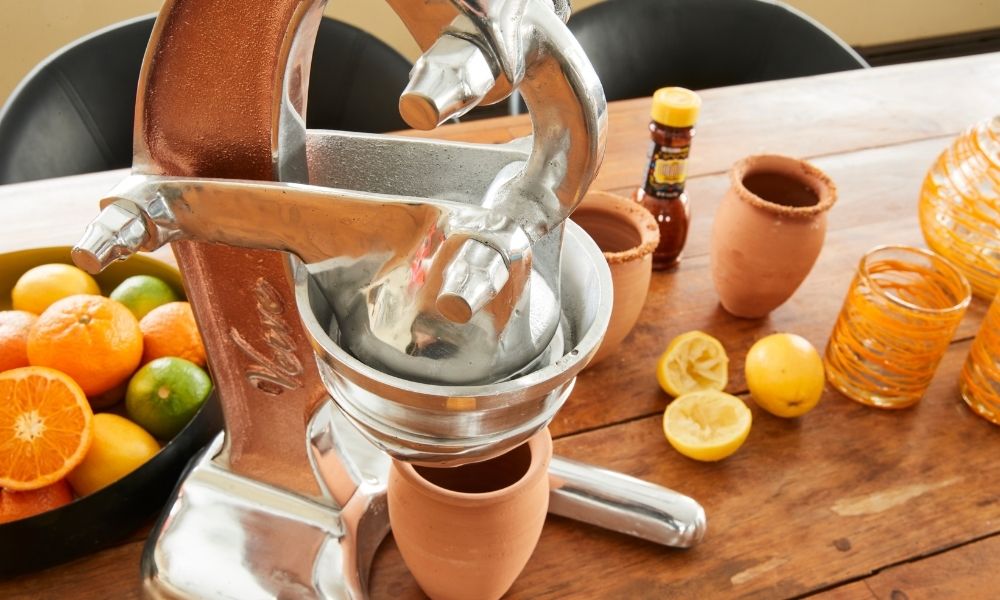
Credit: verveculture.com
Choosing The Right Citrus Reamer
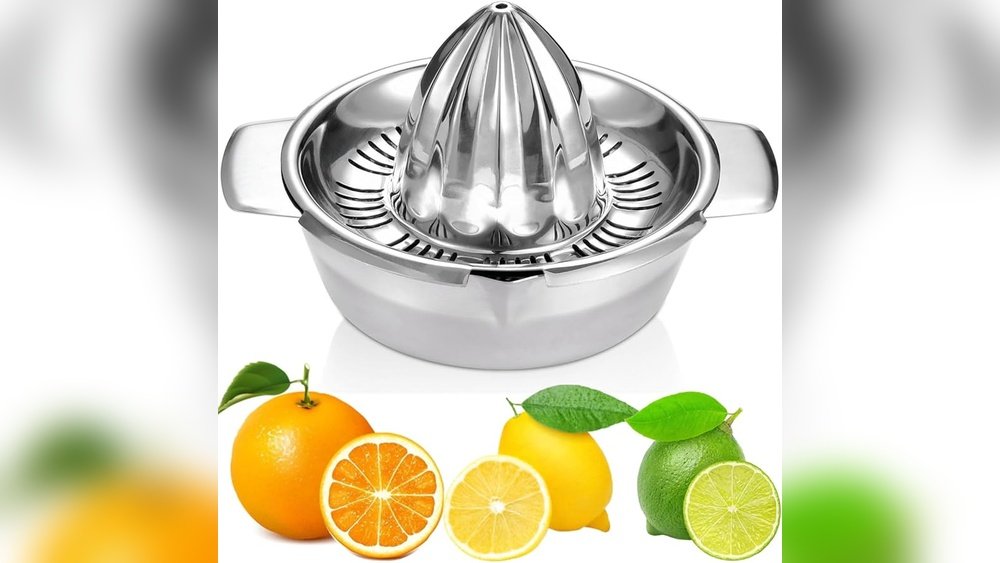
Wooden citrus reamers like those made from olive wood are very durable and dense. Olive wood is nonporous, so it does not hold germs or smells. Plastic reamers are lighter but may wear out faster. Stainless steel ones last long and clean easily.
Designs with fewer grooves or smooth surfaces are easier to clean. Some reamers have removable parts which help reach small spaces. A simple shape without too many ridges reduces stuck pulp and juice.
| Material | Durability | Cleaning Ease |
|---|---|---|
| Olive Wood | High | Good, nonporous |
| Plastic | Medium | Fair, may stain |
| Stainless Steel | Very High | Very Easy |
Daily Cleaning Routine
Rinse the citrus reamer immediately after use. This stops juice from drying and sticking. Use warm water to wash away juice and pulp.
Remove any pulp and seeds stuck on the reamer. A soft brush or sponge helps clean small holes. Avoid strong scrubbing to keep the tool safe.
Dry the reamer with a clean towel or let it air dry. This keeps it fresh and ready for next use.
Deep Cleaning Methods
Start by washing the citrus reamer in warm soapy water. Use a soft brush or cloth to scrub all surfaces. This removes juice and pulp easily.
For deep cleaning, soak the reamer in a vinegar solution for 10-15 minutes. Vinegar helps dissolve sticky residue and kills bacteria.
Use a small brush or cotton swab to clean hard-to-reach areas. These spots often trap pulp and seeds. Rinse well with clean water afterward.
Let the citrus reamer air dry on a clean towel. Avoid using a cloth to dry, as it can leave fibers behind.
Tools For Effective Cleaning
Soft brushes help clean the small holes and grooves of a citrus reamer. They reach places where fingers cannot. Cotton swabs work well for tight spots, especially inside tiny holes. If swabs feel thick, gently pull some cotton to make them thinner for better cleaning.
Non-abrasive cloths are perfect for wiping the reamer’s surface. They prevent scratches on wood or plastic. Use a damp cloth first to remove juice and pulp. Then dry with a clean, soft cloth to avoid water spots or damage. These tools keep your reamer clean and in good shape.
Cleaning Wooden Citrus Reamers
Wooden citrus reamers can crack or warp if soaked in water. Avoid leaving them wet for long periods. Instead, rinse quickly with warm water and mild soap. Use a soft brush to clean grooves without scrubbing hard.
Dry the reamer immediately with a towel. Let it air dry fully before storing to prevent mold or swelling.
Oiling wooden reamers helps keep the wood strong and smooth. Use food-safe oils like mineral oil or beeswax. Apply a small amount with a cloth, rubbing it into the wood. This stops the wood from drying out and cracking.
Repeat oiling every few months or when the wood looks dry. Proper care extends the life of your wooden citrus reamer and keeps it safe for use.
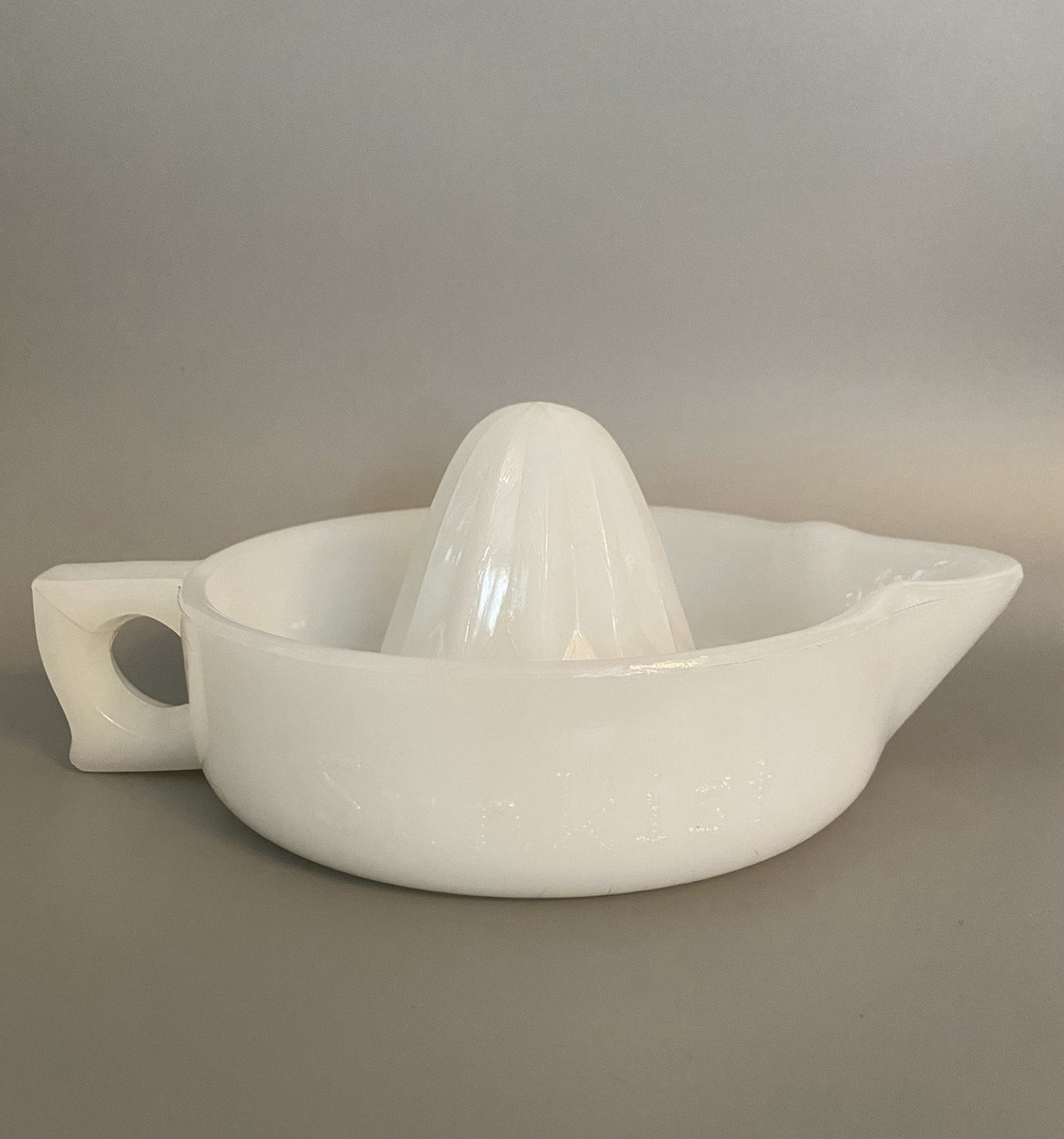
Credit: www.ebay.com
Cleaning Electric Citrus Juicers
Start by detaching all removable parts of the electric citrus juicer. These usually include the reamer, strainer, and juice container. Wash them in warm, soapy water using a soft sponge to avoid scratches. Rinse well with clean water and let them air dry on a dish rack.
To wipe down the base, unplug the juicer first. Use a damp cloth to gently clean the surface. Avoid getting water inside the base or near the electrical parts. Never immerse the base in water. Dry the base with a soft towel to remove any moisture.
Removing Stains And Odors
Mix baking soda with a little water to make a thick paste. Apply this paste on the stains and odors of the citrus reamer. Let it sit for 10 minutes. Then scrub gently using a soft brush or sponge. Rinse well with warm water to remove all residue.
Place the cleaned reamer in direct sunlight to dry. Sunlight helps remove bad smells and keeps the tool fresh. Leave it out for a few hours or until completely dry. This natural drying method also helps kill bacteria and prevent mold.
Preventing Mold And Buildup
After washing your citrus reamer, dry it fully to stop mold growth. Use a clean towel or let it air dry in a warm place. Avoid putting it away while still wet because moisture causes buildup and mold.
Check your reamer often for any signs of mold or sticky residue. Look closely at the crevices where juice can get trapped. Clean these spots with a small brush or cotton swab to remove hidden dirt.

Credit: www.amazon.com
Frequently Asked Questions
How To Clean Lime Squeezer?
Rinse your lime squeezer immediately after use with warm water. Scrub gently using a soft brush and mild soap. For stubborn residue, soak in vinegar solution for 10 minutes. Rinse thoroughly and let it air dry before storing. Clean regularly to prevent buildup and odors.
What Is The Best Wood For A Citrus Reamer?
Olive wood is the best choice for a citrus reamer. It is dense, durable, nonporous, and resists odors and germs.
Can I Use Vinegar To Clean My Juicer?
Yes, you can use vinegar to clean your juicer. Mix vinegar with warm water, soak parts, then rinse thoroughly.
How To Use Citrus Reamer?
Cut the citrus fruit in half. Press the cut side onto the reamer. Twist and squeeze to extract juice. Collect juice in a bowl or glass. Clean the reamer after use.
Conclusion
Cleaning your citrus reamer regularly keeps it fresh and ready to use. Rinse it soon after juicing to avoid sticky residue. Use warm water and mild soap for a simple clean. For stubborn pulp, a small brush works well. Dry the reamer completely to prevent mold and odors.
With these easy steps, your citrus reamer stays clean and lasts longer. Enjoy fresh juice every time with a well-maintained tool. Simple care makes a big difference.

Hi, I’m Emma Carter, a passionate home cook with over 12 years of hands-on experience in home kitchens. I love testing kitchen tools, trying new recipes, and helping everyday cooks make smarter buying decisions. Every review and guide I write is based on real cooking experience, practical testing, and honest opinions, not marketing claims.