How to Clean Watermelon Slicer for Sparkling Results
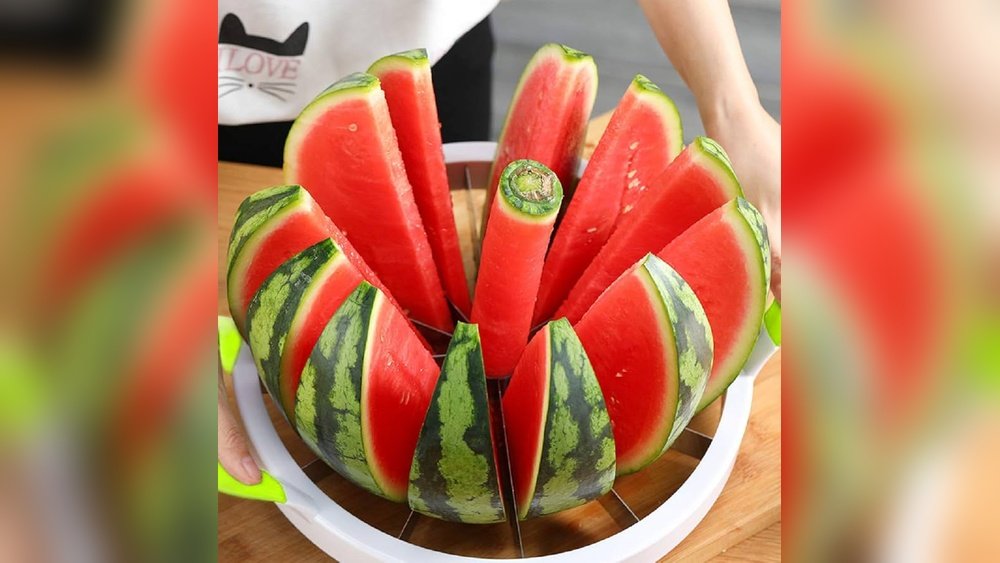
You’ve just finished slicing a juicy watermelon with your handy watermelon slicer, and now comes the part many skip—cleaning it properly. But if you want your slicer to last longer and stay safe to use, knowing how to clean your watermelon slicer the right way is key.
Dirt, sticky juice, and bacteria can easily build up on those blades and handles, making your next slicing session less enjoyable and potentially unsafe. In this guide, you’ll learn simple, effective steps to clean your watermelon slicer quickly and thoroughly.
Keep reading to discover tips that will keep your slicer sparkling clean and ready for your next delicious watermelon treat!
Cleaning Basics
Keeping your watermelon slicer clean is important for safe use. Dirt and juice can build up on the slicer. This may cause bad smells or stains.
Cleaning the slicer after each use helps it last longer. It also keeps your watermelon fresh and tasty. A clean slicer means you avoid health risks.
Why Clean Your Watermelon Slicer
Food particles and juice stick to the slicer’s blades. These leftovers can dry and become hard to remove. Over time, bacteria and mold can grow on the slicer.
Cleaning removes these particles and keeps the slicer in good shape. It also stops flavors from mixing between different fruits. A clean slicer ensures every slice tastes fresh.
Common Bacteria Risks
Bacteria like Salmonella and E. coli can grow on dirty slicers. These germs come from fruit juice or contact with other surfaces. They can cause stomach pain, diarrhea, or worse.
Watermelon juice is sticky and can trap bacteria easily. Washing the slicer removes these harmful germs. This keeps you and your family safe from illness.

Credit: vipjachtsolina.pl
Tools And Supplies
Keeping your watermelon slicer clean is important for safe and tasty fruit. Using the right tools and supplies makes cleaning easier and more effective. The tools you choose help remove food residue and prevent bacteria growth. Simple supplies ensure your slicer stays in top condition for every use.
Choosing The Right Cleaner
Pick a cleaner that removes grease and fruit residue well. Mild dish soap works great and is safe for most slicers. Avoid harsh chemicals that can damage the slicer’s surface. Natural cleaners like vinegar can help remove stains and odors. Always rinse thoroughly to remove all cleaning agents. This prevents any taste or smell from staying on the slicer.
Essential Cleaning Tools
A soft sponge or brush helps clean hard-to-reach areas. Avoid abrasive scrubbers that can scratch the slicer. A small brush cleans tight spaces between blades or handles. Use a clean cloth or paper towel to dry the slicer completely. Proper drying stops rust and keeps the slicer looking new. Having these simple tools ready makes cleaning quick and effective.
Step-by-step Cleaning
Cleaning your watermelon slicer after use is important to keep it safe and ready for the next time. Dirt and juice can stick to the blade and handle, making it harder to clean later. Follow these simple steps to clean your slicer well and keep it in good shape.
Pre-rinse Techniques
Start by rinsing the slicer under cold running water. This removes loose fruit pieces and juice. Avoid using hot water first, as it can make the juice stick more. Hold the slicer carefully to avoid cutting yourself. Let the water flow over both sides of the blade and the handle.
Soaking And Scrubbing
Fill a basin with warm soapy water and soak the slicer for five to ten minutes. This loosens sticky juice and small bits of fruit. Use a soft brush or sponge to scrub the blade gently. Clean the handle and any grooves where dirt hides. Avoid harsh scrubbers that can damage the slicer’s surface.
Rinsing Thoroughly
Rinse the slicer under clean running water to wash away soap and loosened dirt. Check carefully for any remaining food particles. Repeat scrubbing if needed. Make sure no soap is left, as it can affect the taste of your next watermelon slice.
Drying Tips
Dry the slicer immediately with a clean kitchen towel. Remove all moisture to prevent rust and bacteria growth. Air drying is also good but keep the slicer in a clean, dry place. Store it safely to avoid accidents and keep it ready for the next use.

Credit: www.ebay.com
Deep Cleaning Methods
Deep cleaning your watermelon slicer helps remove hidden dirt and germs. Regular cleaning may leave residue or bacteria behind. Use deep cleaning methods to keep your slicer safe and fresh. These techniques use simple household ingredients that are effective and gentle on your tool.
Using Vinegar Solutions
Vinegar is a natural cleaner and disinfectant. Mix equal parts white vinegar and water in a bowl. Soak your watermelon slicer in the solution for 10 minutes. Use a soft brush to scrub between blades gently. Rinse thoroughly with warm water to remove vinegar smell. Let the slicer air dry before storing it.
Baking Soda And Dish Soap Mix
Baking soda removes stains and odors well. Combine two tablespoons of baking soda with a few drops of mild dish soap. Add warm water to make a paste. Apply the paste to the slicer using a sponge or brush. Scrub all surfaces carefully, focusing on crevices. Rinse the slicer under running water until clean. Dry it completely with a clean towel.
Sanitizing With Bleach Alternatives
Use bleach alternatives for strong sanitizing without harsh chemicals. Mix one tablespoon of hydrogen peroxide or lemon juice with one cup of water. Soak the slicer in this solution for five minutes. This kills most bacteria and viruses safely. Rinse well with water after soaking. Dry the slicer fully to avoid rust or damage.
Maintenance Tips
Keeping your watermelon slicer clean and in good shape extends its life and ensures safe use. Regular care prevents dirt buildup and damage. Follow these tips to maintain your slicer’s performance and hygiene.
Regular Cleaning Schedule
Wash the slicer immediately after each use. Use warm water and mild soap to remove fruit residue. Avoid letting juice dry on the blades to prevent stickiness. Rinse thoroughly to remove soap traces. Dry completely with a clean towel before storing. This routine avoids bacteria growth and keeps the slicer ready for next time.
Storage Suggestions
Store the slicer in a dry place to prevent moisture buildup. Use a protective cover or case if available. Keep it separate from heavy utensils to avoid bending or dulling the blades. Place it in a drawer or cupboard away from humidity. Proper storage maintains the slicer’s shape and cleanliness.
Avoiding Rust And Damage
Do not soak the slicer for long periods. Avoid using abrasive sponges or harsh chemicals. Hand wash instead of using a dishwasher to protect the metal. Dry the slicer quickly after washing to prevent rust spots. Regularly check for any signs of wear and replace if blades get dull or damaged. Careful handling preserves the slicer’s sharpness and prevents corrosion.

Credit: www.amazon.com
Cleaning Watermelon Before Slicing
Cleaning watermelon before slicing is essential for safe and tasty fruit. Dirt, bacteria, and pesticides can hide on the rind. These can transfer to the juicy inside while cutting. Taking a few simple steps can keep your watermelon fresh and healthy.
Washing The Watermelon Rind
Start by rinsing the watermelon under cool running water. Use your hands to rub the rind gently. This helps remove dirt and germs on the surface. Avoid using soap or detergent as they can soak into the fruit. A clean brush can help scrub tougher spots. Pat the watermelon dry with a clean towel before slicing.
Preventing Cross-contamination
Always use a clean cutting board and knife. Wash your hands before and after handling the watermelon. Avoid cutting the watermelon on surfaces that had raw meat or other raw foods. Clean all tools and surfaces with hot soapy water after use. These habits stop bacteria from spreading to your watermelon and other foods.
Troubleshooting
Troubleshooting your watermelon slicer ensures it stays clean and safe to use. Problems like stuck residue, bad smells, or rust can happen over time. Fixing these issues quickly keeps your slicer in good shape. Below are simple ways to handle common problems.
Removing Stubborn Residue
Some watermelon pieces get stuck and hard to remove. Soak the slicer in warm, soapy water for 10 minutes. Use a soft brush or sponge to scrub the stuck bits. Avoid metal brushes that can scratch the slicer. Rinse well to clear all soap and residue.
Dealing With Odors
Watermelon slicers can hold onto smells after use. Mix equal parts water and white vinegar. Soak the slicer in this mix for 15 minutes. Vinegar kills odor-causing bacteria. Rinse thoroughly and dry completely. Baking soda paste also works well. Apply, let sit, then rinse.
Fixing Sticky Or Rusty Slicers
Sticky slicers usually have leftover fruit juice or dirt. Clean with warm water and dish soap. Dry immediately to stop stickiness. Rust appears if the slicer stays wet too long. Use a paste of baking soda and water. Rub gently on rust spots with a cloth. Rinse and dry fully to prevent new rust.
Conclusion
Cleaning your watermelon slicer after each use keeps it safe and ready. Use warm water and mild soap for best results. Scrub gently to remove all fruit residue and seeds. Dry it well to avoid rust or damage. Regular cleaning helps your slicer last longer and work better.
Simple steps make a big difference in kitchen hygiene. Enjoy fresh watermelon without worry every time.

Hi, I’m Emma Carter, a passionate home cook with over 12 years of hands-on experience in home kitchens. I love testing kitchen tools, trying new recipes, and helping everyday cooks make smarter buying decisions. Every review and guide I write is based on real cooking experience, practical testing, and honest opinions, not marketing claims.