
Citrus Reamer DIY Tricks Simple Ways to Boost Juice Yield Quickly
Do you love the fresh, tangy burst of citrus in your drinks and recipes but find traditional juicing tools messy or frustrating? Your citrus reamer can be so much more than just a simple kitchen gadget.
With a few clever DIY hacks, you’ll squeeze every drop of juice effortlessly while keeping your hands clean and your kitchen tidy. Imagine turning your ordinary reamer into a multitasking tool that saves time and enhances flavor. Keep reading, and discover easy, practical tricks that will change how you juice lemons, limes, and oranges forever.
Your next perfectly juiced citrus is just a hack away!
Choosing The Right Wood
Olive wood is a top choice for citrus reamers. It is very dense and durable, which means it lasts a long time. The wood is nonporous, so it does not keep germs or smells. This makes it safe and clean for kitchen use.
Other good woods include maple, cherry, and walnut. These woods are also strong and can handle daily use. They have a smooth surface that is easy to clean. Their natural oils help protect against water damage.
| Wood Type | Benefits |
|---|---|
| Olive Wood | Very dense, nonporous, resists germs and odors |
| Maple | Hard, smooth, easy to clean |
| Cherry | Strong, attractive color, water-resistant |
| Walnut | Durable, rich color, natural oils protect wood |

Credit: masonjarlifestyle.com
Prepping Citrus For Maximum Juice
Before juicing, roll the citrus fruit firmly on a flat surface. This softens the fruit and breaks down internal membranes, helping to release more juice. Use the palm of your hand for better control.
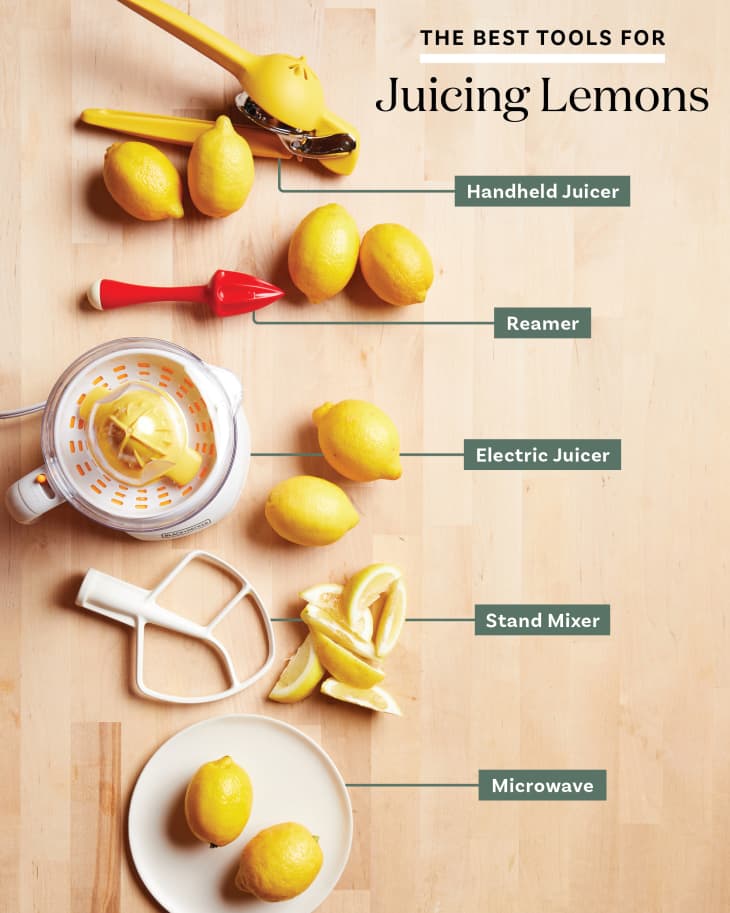
Warming the fruit slightly also increases juice yield. Leave the citrus in warm water for 5 minutes or microwave it for 10-15 seconds. Warmth loosens the juice inside, making it easier to extract.
These simple steps make your citrus reamer work more efficiently. You get more juice with less effort and waste less fruit. Try combining both techniques for best results.
Diy Citrus Reamer Designs
Simple wooden citrus reamers are easy to make with basic tools. Choose hardwoods like olive wood for durability and a smooth finish. Carve a small handle with a pointed, ridged head to press into the fruit. Sand the surface well to avoid splinters and make it safe for kitchen use.
Ceramic reamers offer a different feel and style. Use clay or air-dry ceramic materials to shape a reamer with sharp ridges. This type is often more decorative but still functional. Alternative materials like plastic or metal can be used for quick DIY projects. Each material affects the ease of juicing and the tool’s longevity.
:max_bytes(150000):strip_icc()/AR-Citrus-Juicing-Test-4x3-808e05589ae3449795b7be0f770dd4f1.jpg)
Credit: www.allrecipes.com
Improvised Juicing Tools
Household items can work as effective citrus reamers. A sturdy fork or a clean toothbrush helps to extract juice by twisting inside the fruit.
Metal spoons with ridges can also press out juice easily. Use the back of a spoon to press and rotate the fruit halves. A small grater works to scrape the inside and release juice.
Wooden sticks or chopsticks are useful for squeezing lemons or limes. Rolling the fruit on a hard surface first softens it and makes juicing easier.
These tools help avoid the mess and do not require special equipment. Most items are easy to find and clean.
Optimizing Your Juicing Technique
Hold the citrus reamer with a firm grip using your dominant hand. Place the fruit half securely on a flat surface or your other hand. Align the reamer’s pointed end with the fruit’s center for maximum juice extraction.
Apply gentle pressure while twisting the reamer inside the fruit. Use both twisting and pressing motions to release juice efficiently. Avoid squeezing too hard to prevent seeds from falling in.
Twist the reamer back and forth in short bursts rather than long continuous turns. This helps break the fruit fibers and increase juice flow. Keep the fruit steady to avoid spills.
Use your free hand to catch any seeds or pulp that may drop. Regularly rinse the reamer to maintain smooth rotation and hygiene during juicing.
Credit: www.thekitchn.com
Cleaning And Maintenance Tips
Rinse the citrus reamer with warm water right after use. This stops juice from drying and causing stains. Use mild soap and a soft brush to clean hard-to-reach spots. Avoid harsh scrubbing that can damage the surface.
To prevent odor, soak the reamer in a mixture of water and white vinegar for 10 minutes. Rinse well and dry completely. This helps remove any lingering smells and keeps the tool fresh.
Store the reamer in a dry place. Avoid leaving it in damp areas to stop mold growth. Regular cleaning extends the lifespan of your citrus reamer.
| Tip | How to Do It | Benefit |
|---|---|---|
| Immediate Rinse | Rinse with warm water after use | Prevents stains and sticky residue |
| Vinegar Soak | Soak in water and vinegar mix for 10 minutes | Removes odors effectively |
| Proper Storage | Keep in dry, ventilated area | Stops mold and extends tool life |
Frequently Asked Questions
What Is The Best Wood For A Citrus Reamer?
Olive wood is the best wood for a citrus reamer. It is dense, durable, nonporous, and resists odors and germs.
How To Juice A Lemon Without A Reamer?
Roll the lemon firmly on a countertop to soften it. Cut it in half, then squeeze juice using your hand or a fork. Strain out seeds using a fine mesh or your fingers. This method extracts juice efficiently without a reamer.
What Can I Use Instead Of A Lemon Squeezer?
Use a fork, citrus reamer, or your hands to extract lemon juice. Roll the lemon first for more juice.
How To Get A Lot Of Juice Out Of A Lime?
Roll the lime firmly on a countertop to soften it. Cut it in half, then squeeze with a reamer or by hand to extract maximum juice.
Conclusion
DIY hacks for your citrus reamer save time and effort. Simple tricks help you get more juice with less mess. Using basic tools and natural materials keeps your kitchen green and budget-friendly. These easy methods work well for lemons, limes, and oranges alike.
Try them out to enjoy fresh juice anytime without extra gadgets. Small changes in your routine can bring great results. Keep your citrus reamer handy and make squeezing fruits a breeze.

Hi, I’m Emma Carter, a passionate home cook with over 12 years of hands-on experience in home kitchens. I love testing kitchen tools, trying new recipes, and helping everyday cooks make smarter buying decisions. Every review and guide I write is based on real cooking experience, practical testing, and honest opinions, not marketing claims.