How to Store a Citrus Reamer for Long Lasting Freshness and Hygiene
You’ve just finished juicing your favorite citrus fruits with your trusty citrus reamer, but now comes the question: how do you store it properly? If you leave your reamer out without a plan, sticky residue can build up, it might attract pests, or worse, lose its freshness and usability.
You want your citrus reamer ready to use whenever inspiration strikes for fresh lemonade, tangy dressings, or zesty marinades. In this guide, you’ll discover simple, practical tips to keep your citrus reamer clean, fresh, and in perfect condition. Stick around, because mastering how to store your citrus reamer can save you time, reduce waste, and make every squeeze count.

Credit: www.amazon.com
Choosing The Right Citrus Reamer
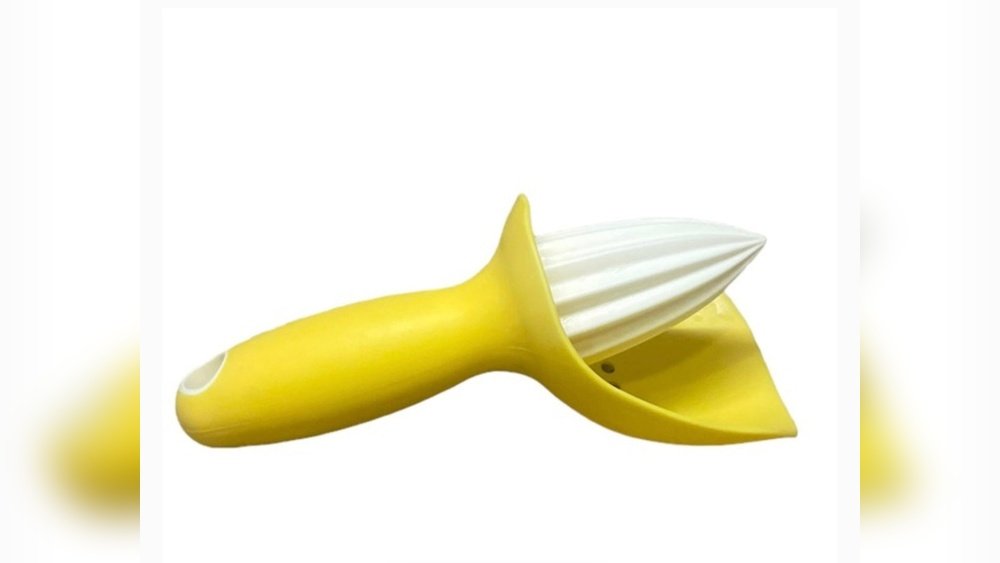
Citrus reamers come in different materials like wood, plastic, and metal. Wood feels warm and natural but can absorb flavors. Plastic is light and easy to clean but may break. Metal is strong and lasts long but can be slippery when wet.
Size matters. Small reamers are good for lemons and limes. Larger ones work better for oranges and grapefruits. The design of the reamer affects how much juice you get. Pointed tips reach inside fruit easily, while rounder shapes press juice out fast.
| Material | Pros | Cons |
|---|---|---|
| Wood | Natural look, comfortable grip | Can absorb smells, needs hand wash |
| Plastic | Light, dishwasher safe | Less durable, may stain |
| Metal | Durable, easy to clean | Can be slippery, may rust |

Credit: thecrowninnderbyshire.co.uk
Cleaning Your Citrus Reamer
To clean your citrus reamer, washing by hand is best. Use warm water and mild soap. A soft sponge helps remove pulp and juice residue. Avoid using abrasive scrubbers that could damage the tool.
Rinse thoroughly to remove all soap. Dry it completely with a clean towel to stop water spots and rust.
| Dishwasher Safety |
|---|
| Check if the reamer is dishwasher safe before placing it inside. |
| Use the top rack to protect it from high heat. |
| Remove the reamer promptly after washing to dry it well. |
| Hand washing is often better to keep it in good shape longer. |
Drying And Preventing Odors
To keep a citrus reamer dry, wipe it with a clean cloth right after use. Let it air dry on a dish rack or paper towel. This stops moisture buildup which can cause rust or odors.
Place the reamer in a well-ventilated area. Avoid closed containers until fully dry. Air drying helps keep it fresh and ready.
Natural deodorizers work well to prevent unwanted smells. Try placing a small bowl of baking soda or activated charcoal nearby. These absorb odors naturally without harsh chemicals.
Lemon peels or coffee grounds also help remove bad smells. Replace these natural deodorizers every few days for best effect.
Storage Methods For Longevity
Storing a citrus reamer properly helps keep it clean and ready to use. At room temperature, a citrus reamer should be wiped dry after use. Leaving it out can cause dust or dirt to settle on it. This is okay for short times if the kitchen is clean.
Refrigeration can keep the reamer fresh longer, especially if it is made of wood or has metal parts. But cold can sometimes cause wood to crack or metal to rust. Always dry the reamer well before putting it in the fridge.
Using airtight containers is a great way to protect the reamer. A small box or sealed bag stops dust and keeps moisture out. This method works well for all materials and helps keep the reamer in good shape.
Maintaining Freshness Of Citrus Fruits
Store citrus fruits in a cool, dry place away from direct sunlight. Ideal temperature is between 45°F to 55°F (7°C to 13°C). Keep them in a breathable container like a mesh bag or basket. Avoid plastic bags to prevent moisture buildup and mold.
Handle fruits gently to avoid bruising. Bruised fruits spoil faster. Wash fruits only before use, not before storage. Moisture can cause them to rot quickly.
| Storage Method | Benefits | Tips |
|---|---|---|
| Room Temperature | Best flavor and juiciness | Keep away from sunlight; use within a week |
| Refrigeration | Extends shelf life up to 3-4 weeks | Store in crisper drawer; avoid moisture |
| Freezing Juice | Preserves juice for months | Freeze in ice cube trays; transfer to airtight bag |
Freezing Citrus Juice
Pour the freshly squeezed citrus juice into ice cube trays. Freeze until solid. Once frozen, pop the cubes out and place them in a sealed freezer bag or airtight container. This method keeps the juice fresh for up to 3 months.
Freezing in cubes allows easy use—just take out what you need. No waste, no mess. Label the bag with the date to track freshness. Avoid refreezing thawed juice to keep the taste bright.
| Tip | Reason |
|---|---|
| Use airtight containers | Prevents freezer burn and keeps flavor |
| Label with date | Helps use juice before it loses quality |
| Freeze in small portions | Makes thawing and using easier |
Tips For Maximizing Juice Extraction
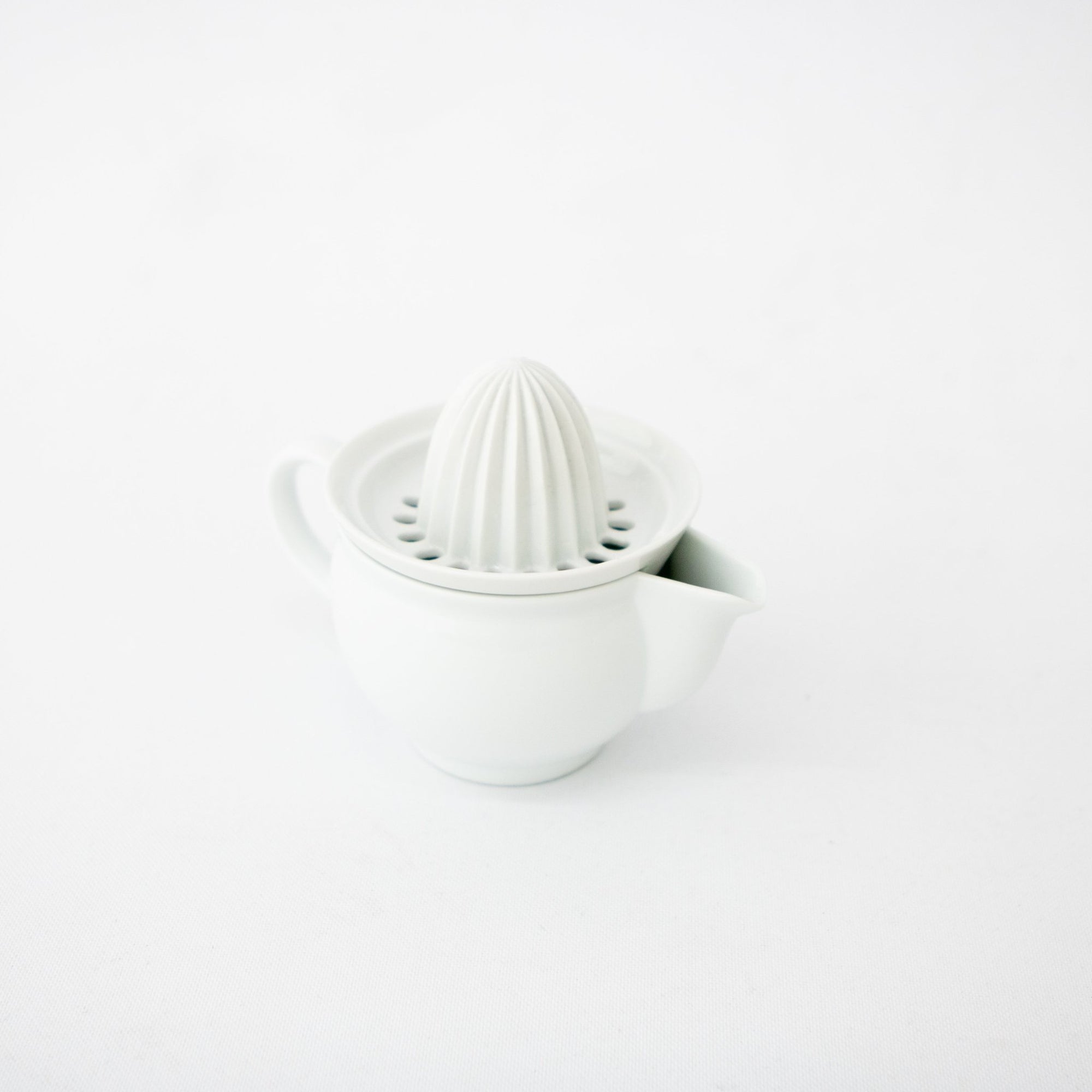
Before juicing, roll the citrus fruit firmly on the counter. This helps break the membranes inside and makes the fruit easier to juice. Cut the fruit in half across the center for the best juice flow. Use the reamer with a firm but gentle pressure to avoid squeezing out the bitter oils from the peel.
Hold the reamer at a slight angle and twist it back and forth. This technique releases more juice without damaging the fruit. Avoid pressing too hard to keep the juice fresh and sweet. After juicing, wipe the reamer clean and store it in a dry place to prevent rust or mold growth.
Credit: shop.tortoisegeneralstore.com
Frequently Asked Questions
Why Shouldn’t You Refrigerate Citrus?
Refrigerating citrus can cause it to dry out and lose flavor. It stays juicier and tastier at room temperature.
What Is The Best Way To Store Citrus?
Store citrus at room temperature for up to a week to keep flavor and juiciness. For longer freshness, refrigerate in a ventilated plastic bag or crisper drawer. Avoid moisture buildup to prevent mold and spoilage.
How To Use Citrus Reamer?
Roll citrus firmly on a surface to soften. Cut fruit in half. Press and twist the reamer into the flesh. Collect juice and strain seeds. Clean the reamer after use.
Do Lemons Last Longer In The Refrigerator Or Room Temperature?
Lemons last longer in the refrigerator, staying fresh for up to 3-4 weeks. Room temperature storage keeps them for about a week. Refrigeration slows drying and spoilage, preserving juiciness and flavor. Store lemons in a plastic bag or crisper drawer for best results.
Conclusion
Storing your citrus reamer properly keeps it clean and ready to use. Rinse it well after each use to remove pulp and juice. Dry it completely to avoid mold and rust. Store it in a drawer or a container to protect it from dust.
Keeping your reamer in good shape helps you enjoy fresh citrus juice every time. Simple care makes a big difference in its lifespan and performance. Follow these tips for easy, effective storage of your citrus reamer.

Hi, I’m Emma Carter, a passionate home cook with over 12 years of hands-on experience in home kitchens. I love testing kitchen tools, trying new recipes, and helping everyday cooks make smarter buying decisions. Every review and guide I write is based on real cooking experience, practical testing, and honest opinions, not marketing claims.