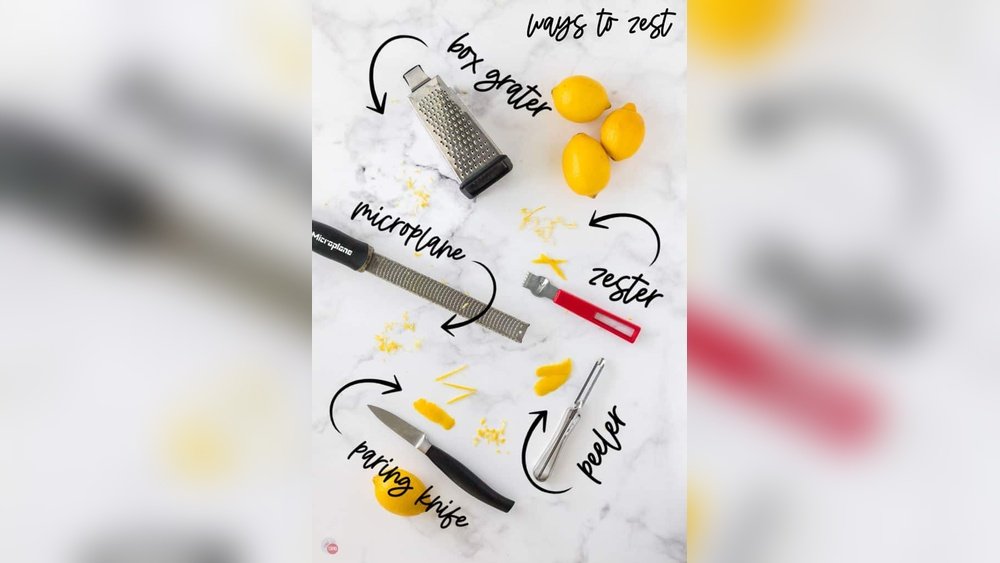
Zester Types Explained How to Pick the Right One for Easy and Safe Use
When you want to add a burst of fresh, zesty flavor to your dishes, having the right zester makes all the difference. But did you know there are several types of zesters, each designed to give you a unique texture and zesting experience?
Whether you’re sprinkling lemon zest over a salad or finely grating cheese, choosing the perfect zester can save you time and elevate your cooking. You’ll discover the main types of zesters and how each one can enhance your kitchen skills.
Ready to find the ideal zester for your needs? Let’s dive in!

Credit: www.bakepedia.com
Microplane Zester
The Microplane zester is a popular kitchen tool known for its sharp, fine blades. It makes zesting citrus fruits easy and efficient. Many chefs and home cooks prefer it for its precision and ease of use.
This zester creates thin, delicate strips of zest without removing the bitter white pith. It helps add fresh flavor to dishes, desserts, and drinks with minimal effort.
Design And Features
The Microplane zester has a long, narrow shape with sharp stainless steel blades. Its ergonomic handle offers a comfortable grip during use. The blades are etched, not stamped, which makes them sharper and longer-lasting.
It usually comes with a protective cover for safe storage. The tool is lightweight and easy to clean, often dishwasher safe. Its fine blades produce very thin zest strips, ideal for garnishing and flavoring.
Best Uses
The Microplane zester works best for zesting lemons, limes, oranges, and other citrus fruits. It can also grate hard spices like nutmeg or ginger. Use it to add fresh citrus flavor to cakes, salads, sauces, and cocktails.
Its fine blades are perfect for delicate tasks where you want zest without the bitter pith. It also helps create uniform zest strips that enhance food presentation. Many use it for grating Parmesan cheese or chocolate in small amounts.
Popular Models
The Microplane Classic Zester is the most common model, known for its sharp blades and simple design. The Microplane Premium Zester offers a slightly larger handle for better control. The Flexi Zesti model features a flexible blade for easier zesting over bowls.
The Master Series Zester combines a wooden handle with sharp blades for a stylish look. These models vary in price but maintain the high quality Microplane is known for. Each offers reliable performance for everyday zesting tasks.
Traditional Handheld Zester
The traditional handheld zester is a classic kitchen tool. It has a simple design and is easy to use. Many chefs and home cooks still prefer it for zesting citrus fruits. It creates fine, thin strips of zest that add bright flavor to dishes. Its compact size makes it convenient to hold and control.
Shape And Function
This zester usually has a flat metal strip with small holes or sharp edges. The handle is attached to the strip for easy grip. You run the zester over citrus peels to scrape off the outer skin. The sharp edges remove only the colorful zest, not the bitter white pith underneath. This tool is straightforward and effective for zesting tasks.
Ideal Applications
The handheld zester works best for lemons, limes, oranges, and other citrus fruits. It adds zest to drinks, salads, sauces, and baked goods. It is perfect for recipes that require small amounts of zest. The fine zest blends smoothly into food without large pieces. It is also good for garnishing dishes elegantly.
Maintenance Tips
Rinse the zester immediately after use to prevent zest buildup. Use a brush to clean the tiny holes or blades carefully. Dry it thoroughly to avoid rust or corrosion. Store the zester in a dry place away from moisture. Proper care will keep the tool sharp and ready for use.
Channel Knife
The channel knife is a classic tool designed for zesting citrus fruits. It creates long, thin strips of peel, perfect for decoration or adding flavor. This tool has a simple design with a sharp, curved blade that cuts through the skin easily without removing the bitter white pith.
Many chefs and home cooks appreciate the channel knife for its precision and clean cuts. It works well for making elegant garnishes and adding a fresh citrus aroma to dishes. Its ease of use makes it a popular choice in kitchens around the world.
Unique Cutting Style
The channel knife cuts narrow, curled strips of zest. It removes only the colored part of the peel. This avoids the bitter white pith underneath. The strips are thicker and more defined than those from other zesting tools. This style is ideal for visually appealing garnishes and adding subtle citrus flavor.
Uses In Cocktails And Garnishes
The channel knife is perfect for cocktail decorations. Bartenders use it to create twists for drinks like martinis and old fashioneds. The zest strips add aroma and a touch of bitterness to cocktails. Chefs use these strips to decorate desserts and savory dishes. The elegant curls enhance the presentation and flavor of many recipes.
How To Use Effectively
Hold the fruit firmly in one hand. Use the channel knife to gently scrape the peel. Move the blade along the fruit’s surface to create long strips. Avoid pressing too deep to prevent the bitter pith from coming off. Rinse the zest briefly if needed to remove any pith. Use the strips immediately to enjoy the freshest flavor and aroma.

Credit: www.jessicagavin.com
Box Grater With Fine Surface
The box grater with a fine surface is a popular kitchen tool. It combines simplicity and versatility. This zester type often fits easily in most kitchens. Many cooks choose it for zesting citrus and finely grating other ingredients. Its sturdy design ensures it lasts long. The fine surface makes it ideal for delicate zest and soft items.
Multi-purpose Design
This box grater serves many functions beyond zesting. It usually has several sides with different grating sizes. You can grate cheese, vegetables, and spices. The fine surface is just one part of the tool. Its shape allows a firm grip and stable use. This design helps in preparing various recipes quickly.
Zesting Capabilities
The fine surface on the box grater creates thin, uniform zest strips. It works well with lemons, limes, and oranges. This surface removes only the outer peel without the bitter white pith. It also handles hard spices like nutmeg. The zest adds fresh flavor and aroma to dishes. Cleaning is simple since the holes are small and precise.
Comparisons With Other Zesters
Compared to a Microplane, the box grater is bulkier. It may require more effort to zest evenly. Yet, it is more versatile overall. Unlike a channel knife, it produces finer zest. The box grater offers multiple grating options in one tool. Its durability often surpasses smaller, specialized zesters. Ideal for cooks who want an all-in-one grater and zester.
Ribbon And Coarse Graters
Ribbon and coarse graters are essential tools in the kitchen. They help create larger, more textured shreds of ingredients. These graters add bold flavors and attractive textures to dishes. They differ from fine or microplane zesters, offering a unique grating experience.
Differences From Standard Zesters
Ribbon and coarse graters have bigger holes than standard zesters. They produce wider, thicker strips instead of fine zest. Standard zesters create very fine, delicate shreds. Ribbon graters often have slotted blades that curl ingredients. Coarse graters have larger, rough holes for heavy grating. These differences change how ingredients blend into recipes.
Best Ingredients To Grate
Ribbon and coarse graters work well with hard vegetables like carrots and cucumbers. They suit firm cheeses such as Parmesan or Cheddar. Use them for chocolate chunks or nuts to add texture. These graters handle citrus peels, but the shreds are thicker. They are perfect for ingredients that need bold, visible pieces.
When To Choose These Types
Choose ribbon or coarse graters when recipes call for chunky texture. Use them to prepare salads, toppings, or garnishes. They work well when you want noticeable flavor bursts. Pick these graters for rustic dishes or when fine zest is too subtle. They save time grating large amounts of firm foods quickly.
Materials And Build Quality
Choosing the right zester depends a lot on its materials and build quality. These two aspects affect how well the tool performs and how long it lasts. A zester made with strong materials will handle daily use without dulling or breaking. Good build quality ensures safety and comfort during use. Understanding these elements helps you pick a zester that fits your kitchen needs.
Stainless Steel Options
Stainless steel is the most common material for zester blades. It resists rust and stays sharp longer. Many top brands use stainless steel for their zesting tools. This metal cuts citrus peel cleanly without crushing it. Some zesting tools have blades made from high-carbon stainless steel, which offers extra sharpness. The quality of the steel affects how easy it is to zest fruits and vegetables.
Handle Comfort And Safety
Handles come in many materials like plastic, wood, or rubber. A comfortable handle reduces hand strain during zesting. Rubber grips prevent slipping, adding safety. Wooden handles feel warm and sturdy but may need more care. Some zesters have ergonomic shapes to fit the hand naturally. Safe handles keep your fingers away from sharp blades while zesting.
Durability Factors
Durability depends on both the blade and handle materials. Stainless steel blades resist rust and stay sharp for years. Handles made of solid plastic or rubber last longer than cheap plastic. Well-built zesters have tight joints and no loose parts. Avoid zesters with flimsy or thin materials. A durable zester performs well and saves money by lasting a long time.
Choosing The Right Zester
Choosing the right zester makes cooking easier and more enjoyable. A good zester fits your kitchen habits and recipe needs. It helps to get the best flavor from citrus fruits and other ingredients. This guide helps you pick the perfect zester for your kitchen.
Consider Your Cooking Style
Think about the dishes you cook most often. A fine zester works well for delicate garnishes and desserts. Coarser zesters suit hearty meals and vegetables. Choose a zester that matches your cooking preferences and the types of zest you use.
Frequency Of Use
How often you use a zester matters. Frequent users need a durable and comfortable tool. Occasional users might prefer a simple, easy-to-clean zester. Pick one that feels good in your hand and lasts long enough for your needs.
Budget Considerations
Zesters come in a range of prices. Basic models are affordable and work well for beginners. Premium zesters offer better grip and sharper blades but cost more. Set a budget that fits your kitchen and choose a zester that offers good value.
:max_bytes(150000):strip_icc()/Web_1500-SEA-Group-Shot-Rasp-Style-Grater-Irvin-Lin-Photo-01-4660-Irvin-cbf7c505fc3d4becb761103ccaf2cdde.jpg)
Credit: www.seriouseats.com
Care And Cleaning
Proper care and cleaning of your zester keep it sharp and safe. Regular maintenance prevents rust and buildup. It also ensures the best zest flavor for your dishes. Follow simple steps to clean and store your zester properly.
Cleaning Techniques For Sharp Blades
Rinse your zester immediately after use. Use warm water to remove citrus oils and pulp. A soft brush helps clean between the sharp blades. Avoid scrubbing hard to prevent blade damage. Dry the zester thoroughly with a clean cloth. Never leave it wet to avoid rust.
Storage Tips
Store your zester in a dry place. Keep it away from other utensils to protect the blades. Use a blade cover or sheath if available. Hanging the zester can prevent damage and save space. Avoid tossing it in a crowded drawer.
Extending Zester Lifespan
Sharpen your zester blades carefully if needed. Check for dull spots and treat them gently. Avoid using the zester on hard surfaces. Clean after every use to stop residue buildup. Proper care keeps your zester effective for years.
Frequently Asked Questions
What Is The Best Type Of Zester?
The best zester type is the Microplane rasp-style. It produces fine, fluffy zest and works well on citrus, garlic, and cheese.
What Are The Different Types Of Microplanes?
Microplanes come in fine, coarse, ribbon, extra coarse, and zester types. Each suits different tasks, like zesting, grating cheese, or shredding vegetables.
Is There A Difference Between A Microplane And A Zester?
A Microplane is a type of zester with fine, sharp blades for fluffy zest. Traditional zesters have small holes and produce thinner strips. Microplanes are more versatile and efficient, while traditional zesters focus solely on citrus zest. Both remove zest without the bitter pith.
What Is The Best Tool For Zesting Lemons?
The best tool for zesting lemons is the Microplane zester. It creates fine, fluffy zest quickly and easily. Its sharp stainless steel blade works well on citrus and other ingredients. This versatile, rasp-style tool is popular among home cooks and chefs for precise zesting.
Conclusion
Choosing the right zester depends on your cooking needs. Microplane zesters work well for fine zest and delicate flavors. Channel or strip zesters create wider strips, ideal for garnishes. Consider the size, grip, and ease of cleaning before buying. Each type offers unique benefits for different recipes.
Having the right zester can make cooking simpler and tastier. Try a few types to find what fits your kitchen best. Enjoy fresh zest to enhance your meals every time.

Hi, I’m Emma Carter, a passionate home cook with over 12 years of hands-on experience in home kitchens. I love testing kitchen tools, trying new recipes, and helping everyday cooks make smarter buying decisions. Every review and guide I write is based on real cooking experience, practical testing, and honest opinions, not marketing claims.