What is a French Press Coffee Machine: Ultimate Guide to Brewing Perfect Coffee
If you’ve ever wondered how to make coffee that’s rich, full-bodied, and bursting with flavor, a French press coffee machine might be exactly what you need. This simple device lets you take control of your brewing process, giving you a fresh cup of coffee that’s far different from your usual drip brew.
But what exactly is a French press, and how does it work? You’ll discover how this classic coffee maker transforms your coffee experience, the step-by-step process to use it, and the pros and cons you should know before making your choice.
Get ready to unlock a new level of coffee enjoyment right in your own kitchen!
French Press Basics
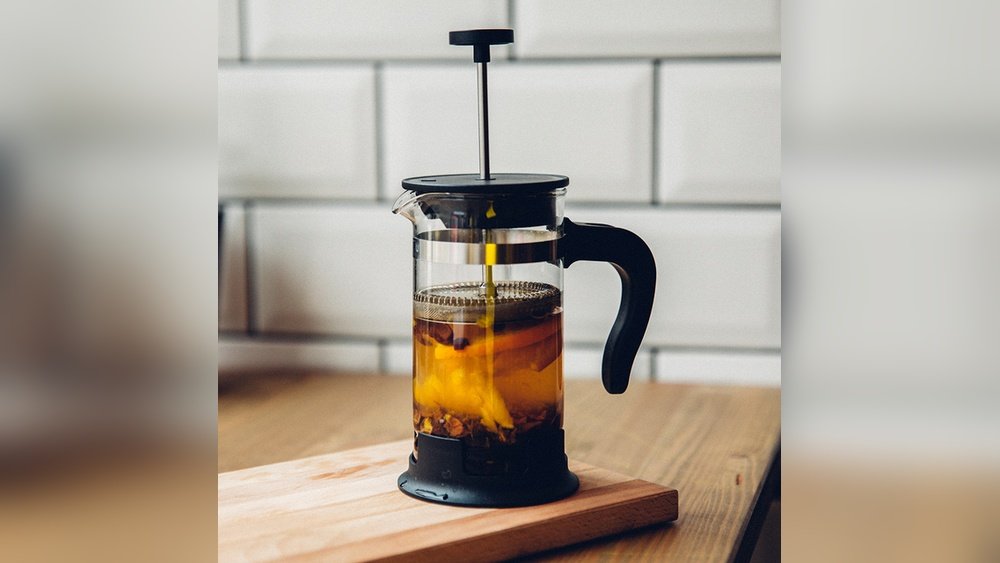
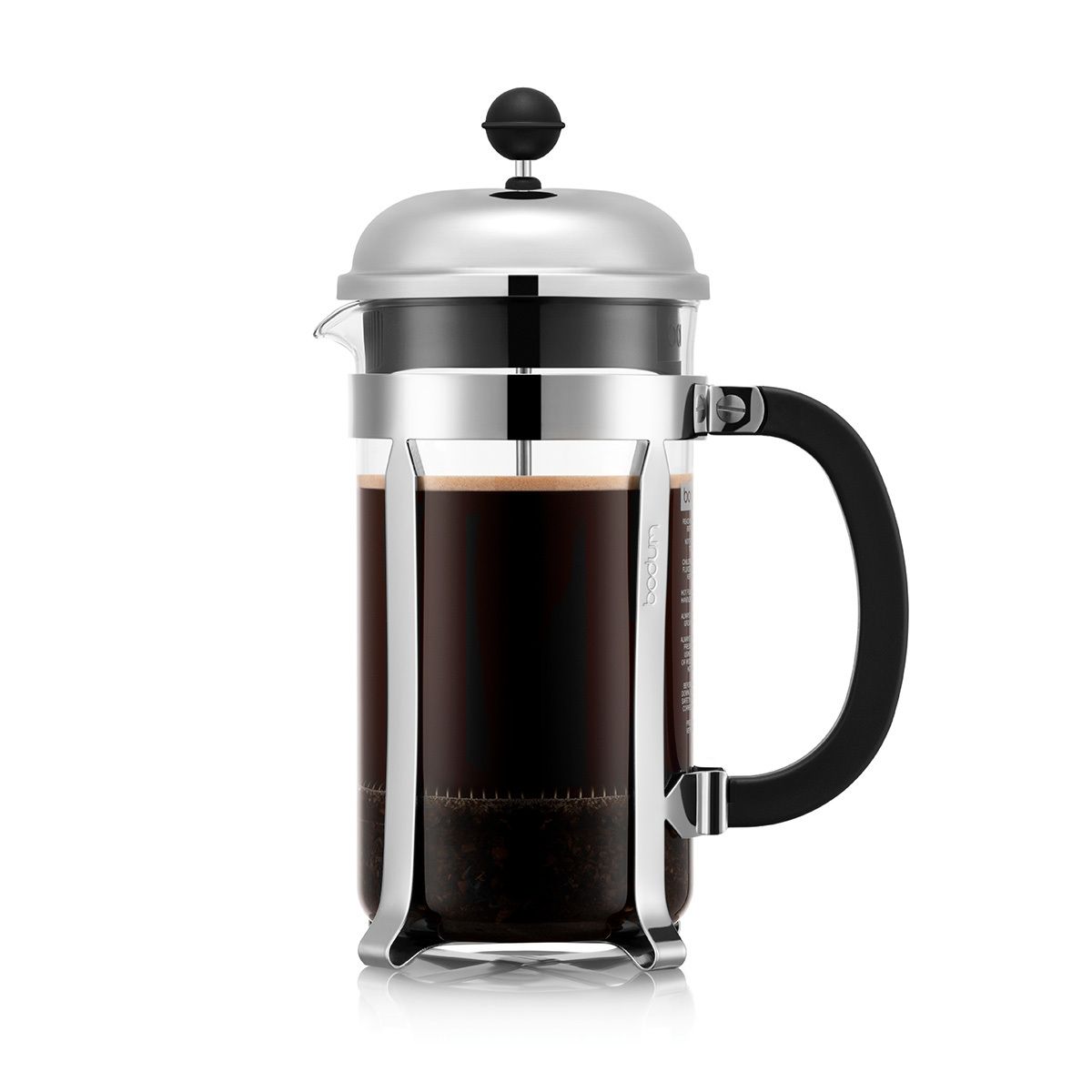
A French press is a simple, manual coffee maker. It uses an immersion method where coarsely ground coffee steeps in hot water. After steeping, a plunger with a metal mesh filter presses down to separate grounds from the coffee. This brewing method keeps the natural oils from the beans, giving coffee a rich and full flavor. Unlike drip coffee makers, it does not use paper filters, so some fine coffee sediment may remain in the cup.
Compared to other coffee makers, the French press offers more control. You decide the water temperature and steeping time. This control affects the coffee’s strength and taste. However, the metal filter allows tiny coffee particles through, causing slight sediment at the bottom. Also, coffee must be served right away to avoid bitterness from over-extraction.

Credit: www.amazon.com
Choosing The Right French Press
Materials usually include glass, stainless steel, or plastic. Glass is common and shows the coffee inside. Stainless steel keeps coffee warm longer and is more durable. Plastic models are lighter and less breakable but may not keep heat well.
Size options range from small (12 oz) to large (34 oz or more). Smaller sizes are good for one or two cups. Larger ones suit families or groups. Choose a size that fits your usual coffee needs.
| Brand | Known For |
|---|---|
| Bodum | Classic design, quality glass and steel |
| Frieling | All stainless steel, very durable |
| Secura | Affordable, stainless steel, good insulation |
Grinding Coffee For French Press
Ideal grind size for French press coffee is coarse. It looks like coarse sea salt or raw sugar. This grind size helps the water flow through the coffee evenly. It also prevents over-extraction, which can make coffee taste bitter.
Why coarse grind matters: Fine coffee grounds can pass through the French press filter. This makes the coffee muddy and gritty. Coarse grounds stay trapped by the mesh filter, giving a cleaner cup. Plus, coarse grounds take longer to brew, which suits the French press method well.
Brewing Steps
Start by boiling fresh water and grinding coffee beans coarsely. Use about 1 tablespoon of coffee per 4 ounces of water. Pour hot water over the grounds slowly to soak them evenly.
Let the coffee steep for 4 minutes. This time allows the flavors to develop fully. Avoid pressing the plunger too soon to prevent weak coffee.
Press the plunger down slowly and steadily. This separates the coffee grounds from the liquid. A gentle push avoids spilling or stirring up the sediment.
Serve the coffee immediately after plunging. Leaving coffee in the French press with grounds can make it bitter. Pour into a cup and enjoy fresh, rich flavor.
Maximizing Flavor
Water temperature should be around 200°F (93°C) for best taste. Too hot water makes coffee bitter, too cold makes it weak. Let boiled water cool for 30 seconds before pouring.
Use a coffee-to-water ratio of about 1:15. That means 1 gram of coffee for every 15 grams of water. This balance helps make coffee strong but not too bitter or too weak.
Avoid over-extraction by pressing the plunger after 4 minutes. Leaving coffee to steep longer makes it taste harsh. Pour coffee out right after pressing to keep flavor fresh.
Credit: www.bodum.com
Common Issues
Sediment in coffee happens because of the metal mesh filter. It lets tiny coffee grounds pass through. These grounds settle at the cup’s bottom. Using a coarser grind helps reduce sediment. Also, pouring gently avoids stirring grounds back into the coffee.
Bitter taste causes include over-extraction and too hot water. Brewing coffee too long makes it bitter. Water hotter than 205°F can burn the coffee. Use the right steep time, about 4 minutes. Let water cool slightly before brewing for best taste.
Cleaning and maintenance keep your French press working well. Clean all parts after each use. Old coffee oils and grounds cause bad flavors. Disassemble the plunger and rinse every piece. Use mild soap and warm water. Dry thoroughly before reassembling to avoid rust or mold.
Health Considerations
French press coffee contains compounds called diterpenes. These can raise cholesterol levels if consumed in large amounts. The coffee oils are not filtered out, unlike drip coffee. People with cholesterol concerns should limit intake or consult a doctor.
The caffeine content in French press coffee is usually higher than drip coffee. This is because the coffee grounds steep directly in hot water for several minutes. A typical cup can have about 80-135 mg of caffeine. Those sensitive to caffeine should be careful with serving size.
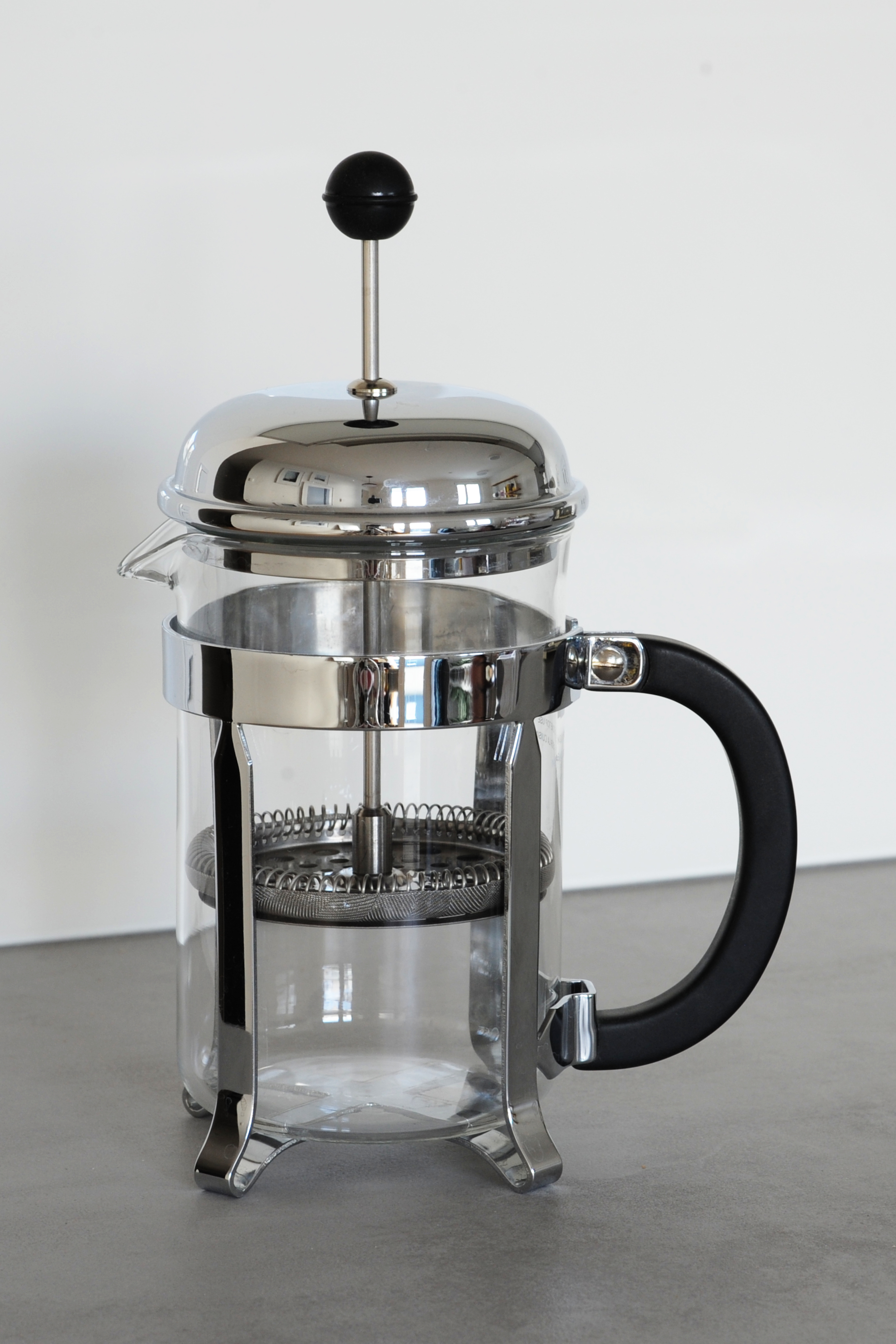
Credit: en.wikipedia.org
Pros And Cons
Advantages of French Press include a rich and full flavor. The method keeps the coffee’s natural oils, making each cup taste fresh and strong. You control the water temperature and steeping time, allowing a personalized brew every time. The French press is simple to use and does not require electricity or paper filters, which is good for the environment.
Drawbacks to Consider are the small coffee grounds that can pass through the mesh filter. This can leave some sediment at the bottom of your cup. The French press also needs careful cleaning to avoid old coffee oils building up. It takes more time to brew than automatic coffee makers. Lastly, it is not ideal for making large amounts of coffee quickly.
French Press Variations
The design of French Press coffee machines varies a lot. Some have glass bodies, while others use stainless steel. Glass models let you see the coffee brewing, but metal ones keep it hot longer.
Innovations include double-wall insulation for better heat retention. Some presses have a built-in grinder or a special plunger for finer filtering. Accessories like cozy sleeves protect your hands from heat. Others come with lids that lock to avoid spills.
| Design Feature | Description |
|---|---|
| Material | Glass, Stainless Steel, Plastic |
| Filter Type | Standard mesh, Fine mesh, Double mesh |
| Heat Retention | Single-wall vs. Double-wall insulation |
| Extras | Built-in grinders, Cozy sleeves, Locking lids |
Tips For Perfect Coffee
Avoid using fine coffee grounds. They can pass through the mesh filter and cause grit. Use a coarse grind instead. Avoid pouring water that is too hot; it can burn the coffee and make it taste bitter. Aim for water just off the boil, around 200°F (93°C).
Let your coffee steep for about 4 minutes. Shorter or longer times may weaken or over-extract the flavor. Press the plunger down slowly and steadily to avoid spilling or disturbing the grounds.
Serve your coffee immediately. Leaving it in the press will cause it to keep brewing, making the taste harsh. Clean the French press well after each use to avoid old coffee oils building up, which can affect taste.
Conclusion
A French press coffee machine offers a simple way to enjoy rich coffee. It lets you control brewing time and water temperature. The metal filter keeps natural oils, giving full flavor. Some sediment may appear, but many find it part of the charm.
Using coarse grounds helps avoid grit in your cup. Overall, it’s an easy and classic method for fresh coffee at home. Give it a try to experience coffee’s true taste and aroma.

Hi, I’m Emma Carter, a passionate home cook with over 12 years of hands-on experience in home kitchens. I love testing kitchen tools, trying new recipes, and helping everyday cooks make smarter buying decisions. Every review and guide I write is based on real cooking experience, practical testing, and honest opinions, not marketing claims.