What is Descaling Coffee Machine: Essential Guide for Perfect Brew
If you love coffee, you know how important your coffee machine is to your daily routine. But have you ever noticed your coffee tasting bitter or your machine working slower than usual?
That’s often a sign it’s time to descale. So, what is descaling a coffee machine, and why should you care? Descaling is the process of removing stubborn mineral buildup that collects inside your machine over time. This buildup can block water flow, ruin the flavor of your coffee, and even damage your machine if left unchecked.
You’ll learn exactly what descaling is, why it’s essential for your coffee’s taste and your machine’s health, and how you can easily do it yourself. Keep reading to make sure every cup you brew is as fresh and delicious as it should be.
Why Descale Matters
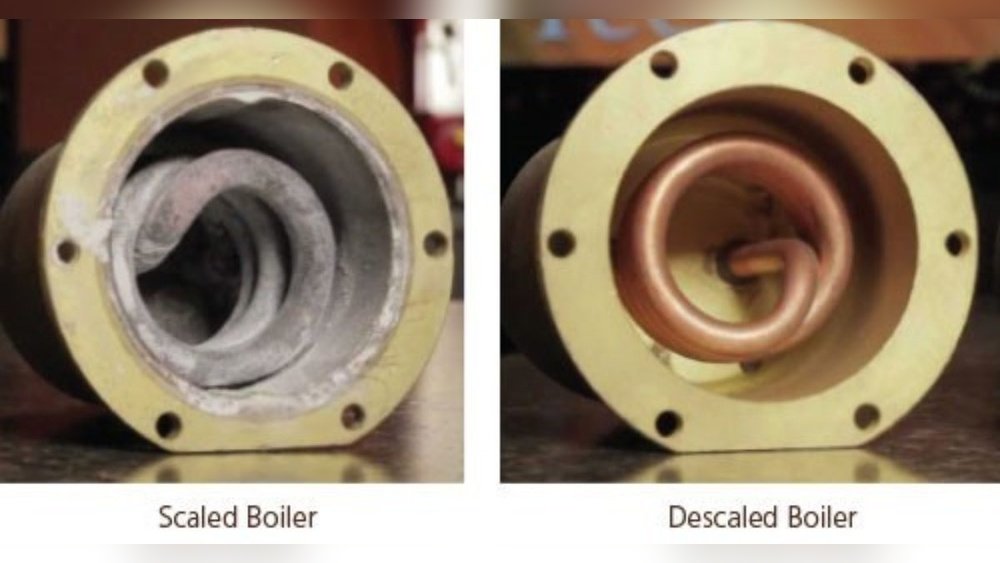
Descaling removes mineral buildup inside your coffee machine. This buildup comes from hard water and includes calcium and magnesium. Over time, these minerals form a hard layer that affects the machine.
The coffee flavor can become bitter or off because water does not flow correctly. The machine heats water less efficiently, causing longer brewing times and uneven temperatures.
| Common Mineral Buildup | Effect on Machine |
|---|---|
| Calcium deposits | Clog water pipes and reduce heating efficiency |
| Magnesium deposits | Cause slow water flow and affect taste |
| Limestone scale | Damage heating element and cause breakdowns |
Signs You Need Descaling
Indicator lights on modern coffee machines often flash or change color. This signals that it is time to descale. These lights make maintenance easier by giving clear reminders.
Changes in brewing time also point to the need for descaling. If your machine brews coffee slower than usual, it might have mineral buildup. This buildup blocks water flow and lowers efficiency.
Unusual noises like grinding or gurgling during brewing can mean clogs inside. Interruptions or pauses while brewing also suggest that the machine needs cleaning. Descaling helps remove these blockages and restores smooth operation.
Descaling Products
Commercial descaling solutions are made specifically for coffee machines. They work fast and are safe to use. These solutions usually contain mild acids that break down mineral build-up. They come in liquid or powder form and are easy to use by following the instructions on the label.
Some people prefer DIY descaling mixtures. A common recipe mixes water with citric acid or baking soda. These ingredients help dissolve minerals but are gentler than commercial products. DIY mixes are budget-friendly and use ingredients you may already have at home.
Vinegar as an alternative is popular because it is cheap and natural. White vinegar can remove mineral deposits well. It needs to be diluted with water before use to avoid damage. Vinegar may leave a smell, so rinse the machine thoroughly after descaling.

Credit: dokasch.com
Step-by-step Descaling Process
First, unplug the coffee machine and remove any coffee pods or grounds. Fill the water tank with the descaling solution or a mix of water and vinegar. Check the machine’s manual for the right amount.
Start the descaling cycle by turning on the machine. Let it run completely to clear out mineral build-up inside. Some machines have a special descaling mode; use it if available.
After the cycle finishes, empty the water tank and refill it with clean water. Run the machine again to rinse out any leftover descaling liquid. Repeat rinsing if the taste or smell is still strong.
Finally, wipe the outside and drip tray. The machine is ready to make fresh coffee without clogs or bad flavors.
Descaling Frequency
The descaling frequency depends on several important factors. Every coffee machine has a recommended descaling schedule from the manufacturer. Following these instructions helps keep the machine working well.
Water hardness is a key factor. Hard water has more minerals that build up faster. This means descaling is needed more often. Soft water users can wait longer between descaling sessions.
| Factor | Effect on Descaling Schedule |
|---|---|
| Manufacturer Recommendations | Provides specific time or usage-based guidance to descale |
| Water Hardness | Hard water requires more frequent descaling to remove mineral buildup |
Credit: urnex.com
Difference Between Descaling And Cleaning
Cleaning external parts means wiping the coffee machine’s surface, buttons, and water tank. It keeps the machine looking nice and stops dust and dirt from building up. Use a soft cloth and mild soap for this task. Avoid harsh chemicals that can damage the surface.
Removing mineral deposits inside is called descaling. Minerals from water build up inside the boiler and pipes. This buildup can block water flow and make the machine work poorly. Descaling uses special solutions to dissolve these mineral deposits and keep the machine working well.
When to clean vs when to descale:
- Clean external parts weekly or after every use.
- Descale the machine every 1 to 3 months depending on water hardness.
- If coffee tastes strange or the machine takes longer to heat, it may need descaling.
- Regular cleaning does not remove inside mineral deposits.
Consequences Of Skipping Descaling
Skipping descaling causes reduced coffee quality. Mineral buildup blocks water flow. Coffee tastes bitter or weak. The machine heats unevenly. This harms the flavor and aroma.
There are serious machine damage risks. Scale buildup wears out parts. Pumps and heaters break faster. Repairs cost a lot. Descaling keeps your machine running longer.
Increased energy consumption is another problem. Scale makes heating harder. The machine uses more electricity. This raises your bills and wastes energy.

Credit: www.youtube.com
Tips For Maintaining Your Coffee Machine
Regular cleaning keeps your coffee machine working well. Wipe the outside and clean removable parts often. Use a soft cloth and mild soap for best results.
Filtered water helps reduce mineral buildup. It makes coffee taste better and protects the machine’s inside parts. Avoid using hard water to prevent clogs.
Proper storage means keeping your machine dry and dust-free. Store in a cool, dry place. Remove any water left inside to stop mold and bad smells.
Conclusion
Descaling your coffee machine keeps it working well and lasts longer. It removes mineral buildup that can block water flow. Clean machines make better coffee with fresh taste every time. Regular descaling saves money by preventing costly repairs. Make it part of your routine to enjoy great coffee daily.
Simple steps can protect your machine and improve your coffee experience. Don’t let limescale affect your brew or machine’s health. Keep your coffee maker clean, and enjoy every cup fully.

Hi, I’m Emma Carter, a passionate home cook with over 12 years of hands-on experience in home kitchens. I love testing kitchen tools, trying new recipes, and helping everyday cooks make smarter buying decisions. Every review and guide I write is based on real cooking experience, practical testing, and honest opinions, not marketing claims.