Best Way to Sanitize Sponges Quickly and Effectively
Best Way To Sanitize Sponges
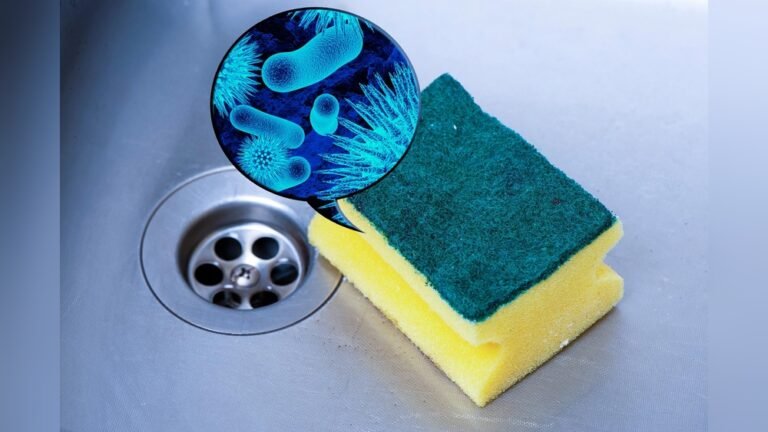
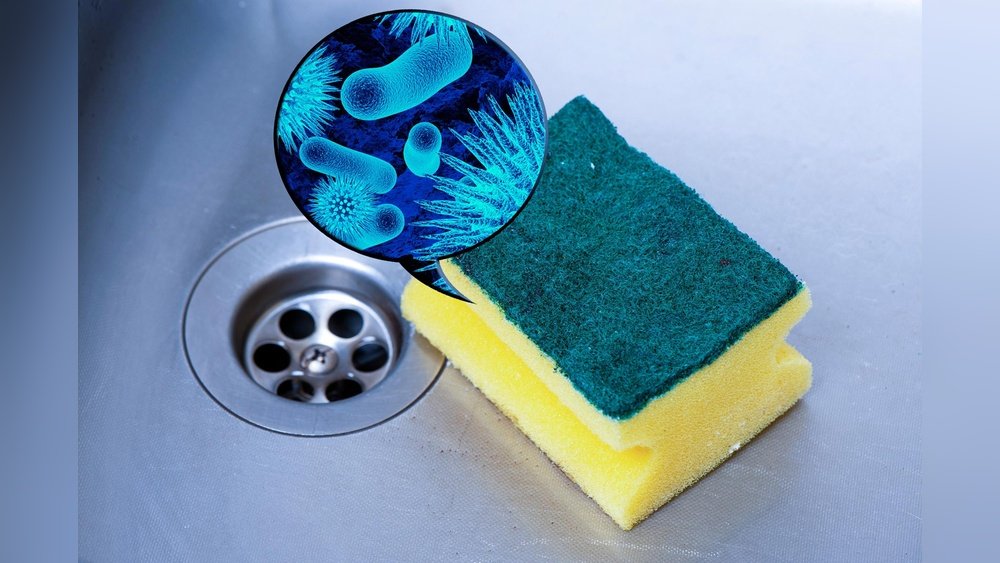
Kitchen sponges are everywhere. They help clean dishes, wipe counters, and remove messes. But the truth is, sponges can become dirty very quickly. In fact, studies show that sponges are one of the dirtiest items in a home. Harmful bacteria like E. coli and Salmonella can grow inside them. If you keep using a dirty sponge, you risk spreading germs around your kitchen. This can lead to food poisoning and illness. Many people wash their sponges with water, but this is not enough. So, what is the best way to sanitize sponges and keep your kitchen safe?
Let’s explore proven methods, compare them, and discover practical tips for keeping your sponges clean. By the end, you’ll know exactly how to sanitize a sponge safely and effectively.
Why Sponges Get So Dirty
Sponges are made from porous materials. This means they have tiny holes that trap water, food particles, and grease. When you use a sponge to clean, these holes collect germs. If you leave a wet sponge on the counter, bacteria multiply quickly. Warm and damp environments are perfect for bacteria to grow.
A study from the Journal of Environmental Health found that kitchen sponges can have up to 10 million bacteria per square inch. That is more than you find on a toilet seat. Most people do not realize how fast a sponge can become unsafe.
Common mistakes include:
- Not rinsing sponges after use
- Leaving them wet
- Using them for both dishes and surfaces
- Not sanitizing regularly
Popular Ways To Sanitize Sponges
There are several ways to sanitize a sponge. Some are easy and fast. Others require special products or equipment. Let’s look at the most popular methods.
1. Microwave Method
One of the simplest ways is to use a microwave. The heat from the microwave kills most bacteria.
Steps:
- Wet the sponge completely. (A dry sponge can catch fire.)
- Place the sponge in the microwave.
- Heat on high for 1–2 minutes.
- Let it cool before touching.
Research shows microwaving for two minutes kills 99% of bacteria. However, not all sponges are microwave-safe. Avoid sponges with metal or scrubbers.
2. Dishwasher Method
You can also sanitize sponges in a dishwasher. Use the hottest cycle.
Steps:
- Place the sponge in the utensil rack.
- Run a full wash and dry cycle.
The dishwasher’s heat and detergent remove germs. This method is safe for most types of sponges, including cellulose and synthetic.
3. Bleach Solution
Bleach is a strong disinfectant. It kills bacteria, viruses, and mold.
Steps:
- Mix 3/4 cup bleach in 1 gallon of water.
- Soak the sponge for 5 minutes.
- Rinse well with clean water.
This method is very effective. It can kill almost all germs. But bleach is harsh and must be used with care.
4. Vinegar Or Hydrogen Peroxide
For a natural option, use vinegar or hydrogen peroxide.
Steps:
- Soak the sponge in full-strength vinegar or hydrogen peroxide for 5 minutes.
- Rinse well.
These are less harsh than bleach, but not as powerful. They kill most, but not all, bacteria.
5. Boiling Water
Boiling kills germs using high heat.
Steps:
- Boil a pot of water.
- Drop the sponge in and boil for 5 minutes.
- Remove and let cool.
This works for most sponges, except those with metal or delicate materials.
Credit: www.foodnetwork.com
Comparing Sponge Sanitizing Methods
To help you choose, see the comparison of main methods:
| Method | Effectiveness | Time Needed | Cost | Safety |
|---|---|---|---|---|
| Microwave | Very High (99%) | 2 min | Free | Safe if wet, not for metal sponges |
| Dishwasher | High | 1–2 hrs | Free | Safe for most sponges |
| Bleach Solution | Very High | 5 min | Low | Must rinse well, avoid inhaling fumes |
| Vinegar/Hydrogen Peroxide | Moderate | 5 min | Low | Safe, but less effective |
| Boiling Water | High | 5 min | Free | Safe for most, not all sponges |
Microwaving and bleach soaking are the most effective. Dishwashers are convenient but take longer. Vinegar and boiling are good for people who prefer natural options.
Which Sponge Sanitizing Method Is Best?
For most homes, microwaving is the best way to sanitize sponges. It is fast, easy, and kills nearly all bacteria. You only need a microwave and water.
However, not all sponges can go in the microwave. If your sponge has scrubber pads, metal, or plastic, use bleach or the dishwasher instead.
If you are sensitive to chemicals, boiling or soaking in vinegar is a safer choice. These methods are good for eco-friendly cleaning.
Here is a simple decision guide:
| Your Sponge Type | Recommended Method |
|---|---|
| Plain cellulose | Microwave, Dishwasher, Bleach |
| Sponge with scrubber (no metal) | Dishwasher, Bleach |
| Natural sponge | Boiling, Vinegar |
| Metal or delicate material | Bleach |

Credit: www.youtube.com
Step-by-step: How To Sanitize Your Sponge
Let’s go through a detailed step-by-step for the microwave method (most effective for most people):
- Rinse the sponge under running water. Remove any visible food.
- Soak the sponge so it is fully wet. This is important for safety.
- Place the sponge in the microwave, in the center.
- Set the microwave to high power and heat for two minutes.
- Wait a few minutes before removing the sponge. It will be very hot.
- Let the sponge cool before use.
For the bleach method:
- Mix bleach (3/4 cup in 1 gallon water) in a large bowl.
- Soak the sponge for 5 minutes.
- Rinse thoroughly to remove bleach.
- Wring and dry before use.
How Often Should You Sanitize Your Sponge?
Sanitize your sponge at least every day. If you use it for raw meat or fish, sanitize immediately after. Replace your sponge every week or two. Even with cleaning, sponges wear out and become less effective.
Mistakes People Make Sanitizing Sponges
Many people make errors that reduce safety:
- Not wetting the sponge before microwaving (fire risk)
- Using bleach but not rinsing well (chemical residue)
- Microwaving sponges with metal (dangerous sparks)
- Sanitizing only once a week (not enough)
- Using old, worn-out sponges (harder to clean)
Avoid these mistakes for safer, cleaner results.
What Type Of Sponge Is Safest?
Not all sponges are equal. Some are easier to sanitize and last longer.
| Sponge Type | Sanitizing Ease | Durability | Recommended Use |
|---|---|---|---|
| Cellulose | Easy | Medium | General kitchen |
| Synthetic foam | Easy | Low | Light cleaning |
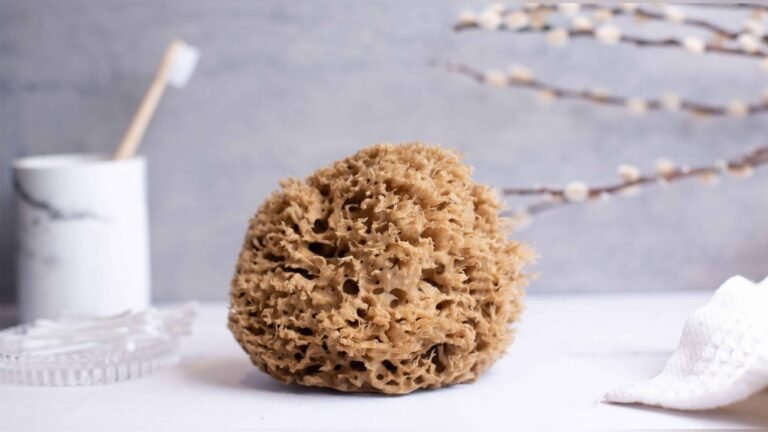
| Natural sea sponge | Moderate | High | Delicate surfaces |
| Scrubber sponge | Moderate | High | Stubborn stains |
Cellulose sponges are best for most kitchens. They are easy to sanitize and affordable.
Extra Tips For Keeping Sponges Clean
- Dry sponges between uses. Bacteria grow slower in dry conditions.
- Do not use sponges for both dishes and counters. Cross-contamination spreads germs.
- Store sponges in a dry, open area. Avoid leaving them in the sink.
- Replace sponges regularly. Even with sanitizing, sponges lose effectiveness.
- Use disposable wipes for raw meat. Sponges can trap dangerous bacteria.
Non-obvious insight: Some dish soaps contain antibacterial agents, but these do not fully sanitize sponges. Relying only on soap is a common beginner mistake.
Another tip: If you have a compost bin, some sponges (like natural cellulose) can be composted when worn out. This is eco-friendly and reduces waste.
Are Alternatives To Sponges Better?
Some people switch to dish brushes or cloths. Brushes dry faster and are less likely to trap bacteria. Microfiber cloths can be washed easily in the washing machine. If you are worried about sponge germs, consider these options.
However, sponges are still popular for their cleaning power and flexibility. With proper sanitizing, they are safe for most kitchens.

Credit: beautyblender.com
Frequently Asked Questions
How Often Should I Replace My Kitchen Sponge?
Replace your kitchen sponge every 1–2 weeks. Even with regular sanitizing, sponges break down and become less effective. Old sponges can trap more bacteria and become harder to clean.
Is It Safe To Sanitize Sponges In The Microwave Every Day?
Yes, it is safe if you wet the sponge first and use only microwave-safe sponges. Never microwave dry or metal-containing sponges. Always let them cool before touching.
Can I Use Antibacterial Dish Soap To Sanitize Sponges?
No, antibacterial soap helps reduce germs, but it does not fully sanitize a sponge. Heat or chemicals are needed for complete sanitizing. Use microwave, bleach, or boiling water for best results.
Should I Use Separate Sponges For Dishes And Countertops?
Yes, it is best to use separate sponges for dishes and surfaces. This reduces the risk of spreading germs from raw foods or dirty surfaces to clean dishes.
Are Disposable Wipes Safer Than Sponges?
Disposable wipes are often safer for cleaning up raw meat or heavy messes. They do not trap bacteria like sponges. However, they create more waste and cost more. Sponges are safe if you sanitize them daily.
Keeping your kitchen sponge clean is simple if you use the right methods. Choose the best sanitizing option for your sponge type and remember to sanitize every day. With these steps, you can enjoy a safer, healthier kitchen.
If you want to learn more about kitchen safety, check out this CDC guide to cleaning and food safety.

Hi, I’m Emma Carter, a passionate home cook with over 12 years of hands-on experience in home kitchens. I love testing kitchen tools, trying new recipes, and helping everyday cooks make smarter buying decisions. Every review and guide I write is based on real cooking experience, practical testing, and honest opinions, not marketing claims.