How to Remove Grease Stains From Kitchen Cabinets Easily
Grease stains on your kitchen cabinets can make your whole cooking space look dirty and neglected. You might have tried wiping them away, only to find the stains stubbornly sticking around.
But don’t worry, removing those greasy marks is easier than you think. Whether your cabinets are painted, wood, or laminate, there are simple, effective methods you can use to restore their clean, fresh look. You’ll discover step-by-step tips and tricks to tackle grease stains safely and quickly, so your kitchen feels inviting again.
Keep reading to find out how you can bring back the shine to your cabinets without harsh chemicals or endless scrubbing!
Credit: www.thekitchn.com
Common Causes Of Grease Stains
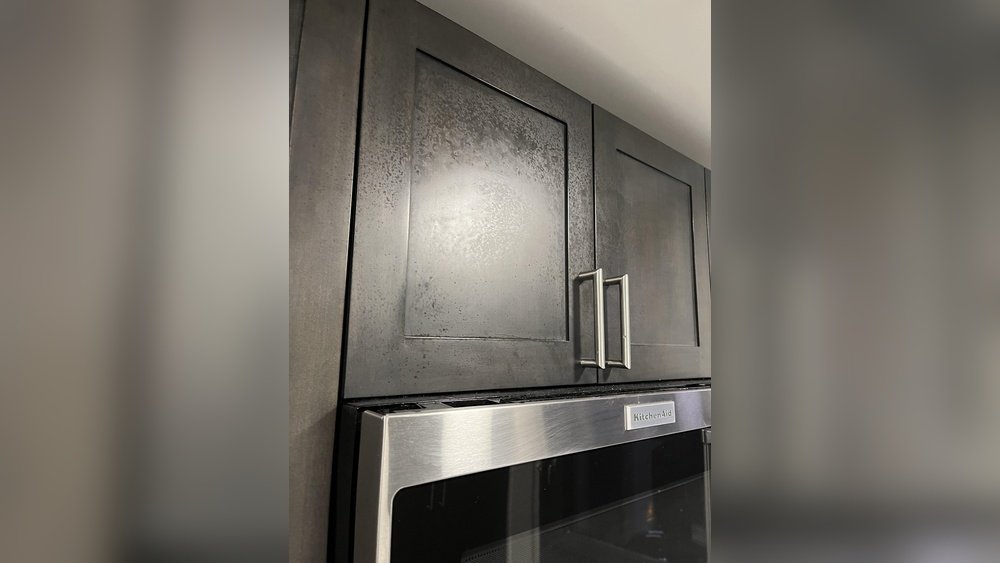
Grease stains on kitchen cabinets are a common problem in many homes. These stains make cabinets look dirty and dull. Understanding what causes grease stains helps prevent and remove them effectively. Grease comes from cooking oils and food residues that stick to cabinet surfaces. Over time, this buildup becomes harder to clean.
Several factors contribute to grease stains appearing on kitchen cabinets. The location near cooking areas, cooking habits, and kitchen environment all play roles. Knowing these causes helps you take better care of your cabinets.
Grease Buildup Near Stove
Cabinets close to the stove face the most grease buildup. Cooking oils splatter and settle on nearby surfaces. Steam and smoke carry tiny grease particles that stick to cabinet doors. This constant exposure causes thick grease layers over time. The warmth from the stove makes grease stick more firmly to surfaces.
Cooking Splatter And Residue
Frying, sautéing, and grilling produce splatters that hit cabinets. Droplets of oil and food can fly off pans during cooking. These small drops dry and form sticky stains. The residue attracts dust and dirt, making stains worse. Cooking without lids or splatter guards increases this problem.
Heat And Humidity Effects
Heat and humidity in the kitchen worsen grease stains. Warm, moist air softens grease, allowing it to spread. Cabinets absorb moisture, making it easier for grease to cling. Over time, this creates a greasy film hard to remove. Poor ventilation increases humidity and grease buildup on cabinets.
Safe Cleaning Solutions
Removing grease stains from kitchen cabinets requires cleaning solutions that are safe and effective. Harsh chemicals can damage cabinet surfaces or finishes. Using gentle, natural, and household ingredients helps maintain the cabinet’s look and longevity. These safe cleaning solutions break down grease without harming your kitchen.
Dish Soap And Warm Water
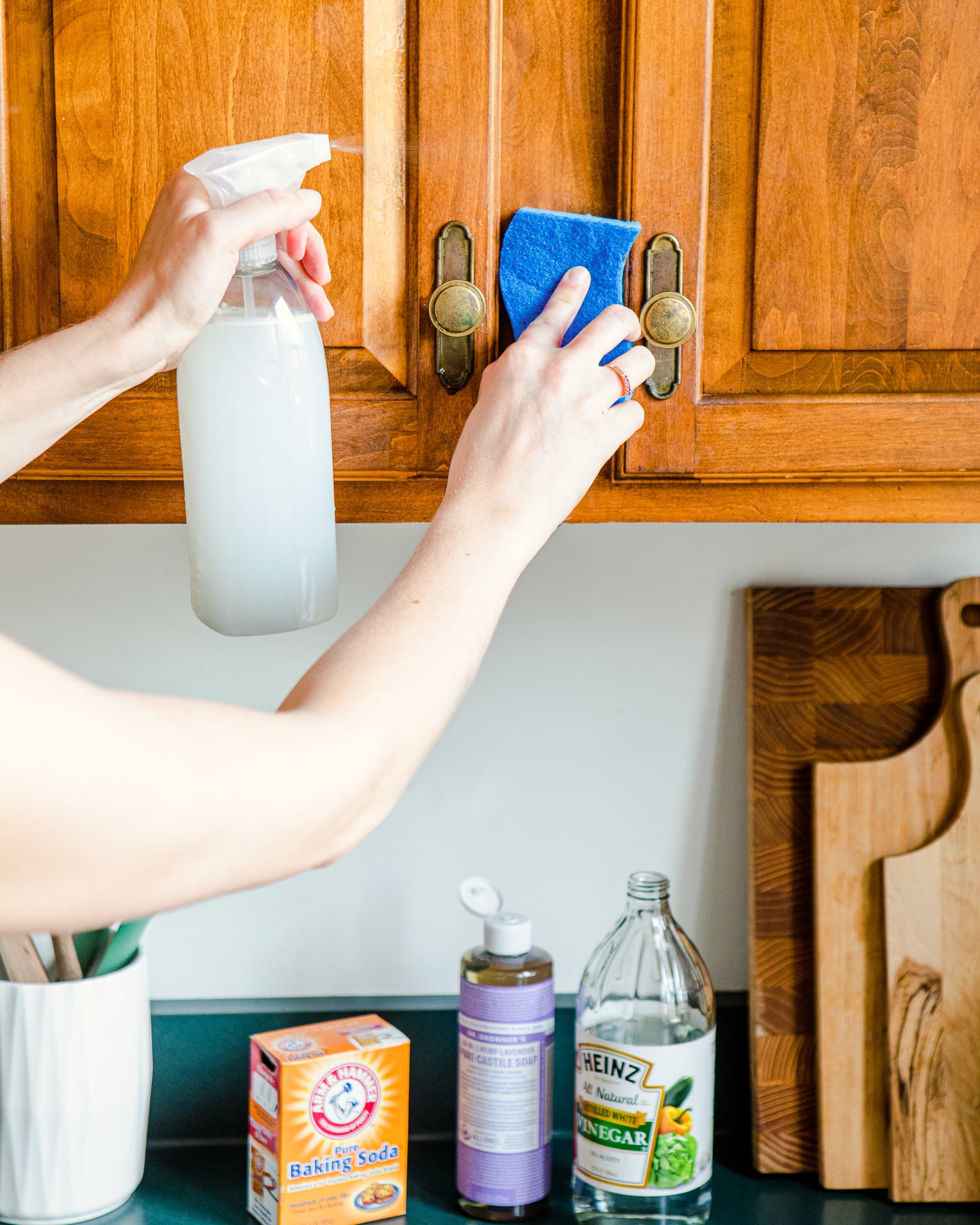
Dish soap is a simple and powerful cleaner for greasy cabinets. Mix a few drops of dish soap with warm water. Dip a soft cloth or sponge into the mixture. Wring it out to avoid excess water on the cabinets. Gently wipe the greasy areas to lift away the oil. Rinse the cloth with clean water and wipe again to remove soap residue. Dry the surface with a clean towel.
White Vinegar Mixture
White vinegar naturally cuts through grease and grime. Combine equal parts white vinegar and warm water in a spray bottle. Spray the solution onto the cabinet surface. Let it sit for a few minutes to break down the grease. Wipe with a soft cloth or sponge in circular motions. Rinse the area with a damp cloth and dry thoroughly. Vinegar also helps remove odors and leaves cabinets shining.
Murphy Oil Soap For Wood Cabinets
Murphy Oil Soap is ideal for wood cabinets with grease stains. It cleans wood gently without stripping the finish. Mix Murphy Oil Soap with warm water according to the label instructions. Use a soft cloth to apply the solution to the greasy spots. Wipe away the grease, then rinse with a damp cloth. Dry the wood surface completely to prevent water damage. This soap nourishes wood while cleaning.
Using Commercial Degreasers
Using commercial degreasers offers a practical and efficient way to tackle tough grease stains on kitchen cabinets. These products are designed to cut through layers of grease without damaging the cabinet finish. Choosing the right degreaser depends on the severity of the stains and the cabinet material. This section highlights some popular options and how to use them effectively.
Dawn Powerwash And Professional Degreasers
Dawn Powerwash is a popular choice for kitchen grease removal. Its foam formula clings to surfaces, breaking down grease quickly. Spray it directly on cabinets, let it sit for a few minutes, then wipe clean with a damp cloth. Dawn Professional Degreaser offers a stronger solution for heavier grease. It works well on painted or laminate cabinets but test a small area first to avoid damage.
Krud Kutter And Other Products
Krud Kutter is a versatile commercial degreaser that removes stubborn stains and buildup. It is safe for most cabinet surfaces and works fast. Apply it with a sponge or cloth, then rinse with water. Other products like Simple Green or Goo Gone also work well. Always read product instructions and wear gloves to protect your skin.
Trisodium Phosphate (tsp) For Heavy Duty Cleaning
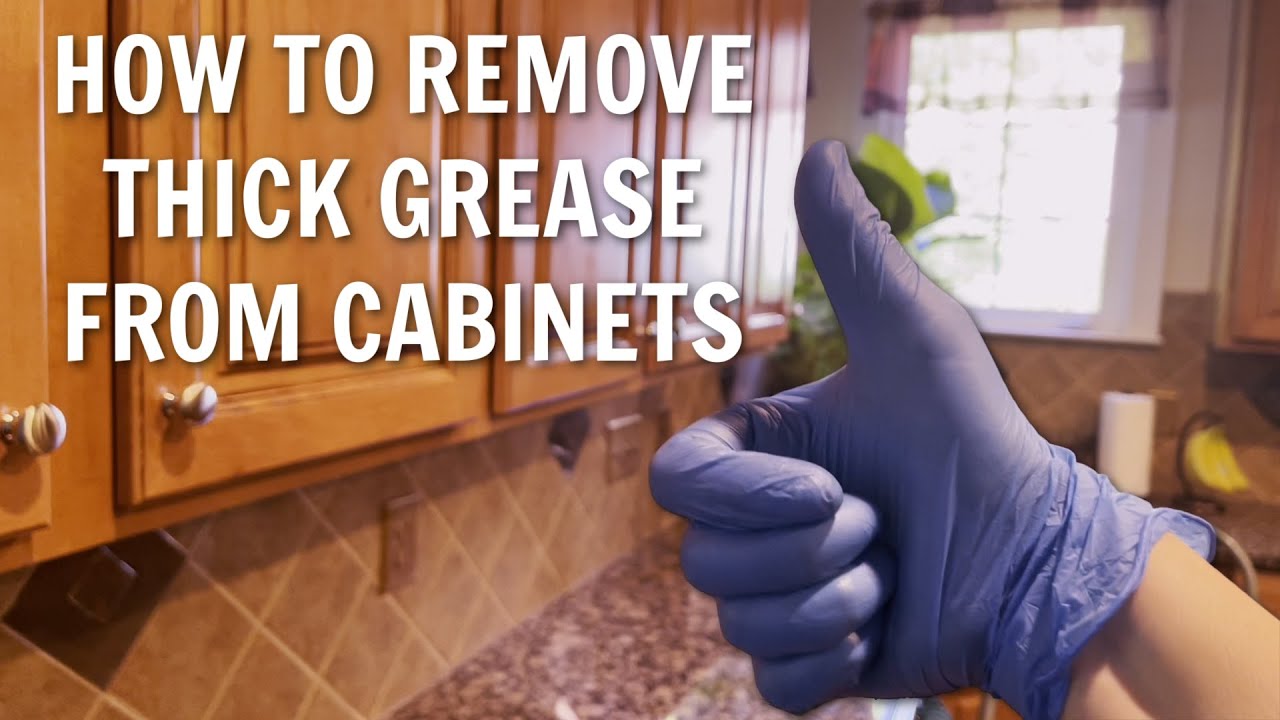
Trisodium Phosphate (TSP) is a powerful cleaner for heavy grease and grime. It is especially useful for cabinets with thick buildup from cooking. Mix TSP with water according to package directions. Use a sponge to scrub the cabinets gently. Rinse thoroughly afterward to remove any residue. Avoid TSP on delicate wood finishes as it may cause damage.
Credit: www.youtube.com
Cleaning Painted Cabinets
Painted kitchen cabinets bring a fresh, bright look to any kitchen. Keeping them clean helps maintain their beauty and extends their lifespan. Grease stains can dull their surface and attract dirt. Proper cleaning protects the paint while removing grime effectively.
Use gentle cleaning methods that do not harm the painted finish. Avoid harsh scrubbing or strong chemicals that can peel or fade the paint. Instead, focus on mild cleaners and soft cloths to keep the cabinets looking new.
Gentle Methods To Avoid Damage
Start with a mixture of warm water and mild dish soap. Use a soft sponge or cloth to wipe the cabinet surfaces. Avoid abrasive scrubbers that can scratch the paint. Test any cleaner on a small hidden spot first.
Do not soak the cabinets with water. Excess moisture can cause paint to bubble or peel. Wipe gently in circular motions and dry immediately with a clean towel. These steps help keep the paint intact and shiny.
Removing Grease Marks Effectively
For tougher grease stains, mix baking soda with a little water to form a paste. Apply the paste gently on the grease spot using a soft cloth. Let it sit for a few minutes before wiping it away with a damp cloth.
Another option is to use a solution of vinegar and water. Spray lightly and wipe with a microfiber cloth. Vinegar breaks down grease without damaging the paint.
Repeat the process if needed, but always avoid harsh chemicals or scrubbing pads. Regular gentle cleaning keeps painted cabinets free from grease and looking fresh.
Cleaning Wood Cabinets
Wood cabinets add warmth and charm to any kitchen. Keeping them clean is essential for a fresh look. Grease stains can dull their natural beauty. Careful cleaning protects the wood and its finish. Using the right methods keeps cabinets looking new longer.
Start by understanding which cleaners work best for wood surfaces. Then, learn how to maintain the finish to avoid damage. This approach helps remove grease without harming the cabinets.
Choosing The Right Cleaners
Use mild cleaners designed for wood surfaces. Dish soap mixed with warm water works well for light grease. Avoid harsh chemicals that strip the finish or dry out the wood. Products like Murphy Oil Soap clean gently and nourish the wood. Test any cleaner on a small, hidden area first. Soft cloths or sponges help prevent scratches. For tough stains, a paste of baking soda and water can be applied carefully. Always wipe with a damp cloth afterward to remove residue.
Maintaining Cabinet Finish
Regular cleaning prevents grease buildup that harms the finish. Avoid abrasive scrubbing, which can wear off protective layers. After cleaning, dry cabinets thoroughly with a soft cloth. Use furniture polish or wax occasionally to restore shine. Keep cabinets away from direct heat and sunlight to prevent fading. Proper ventilation reduces moisture that can damage wood. Consistent care extends the life and beauty of kitchen cabinets.
Credit: www.reddit.com
Step-by-step Grease Removal
Removing grease stains from kitchen cabinets requires a careful and methodical approach. Follow these steps to clean effectively without damaging the cabinet surface. This guide helps break down the process into simple, easy actions.
Testing Cleaners On Small Areas
Start by choosing a cleaner suitable for your cabinet material. Apply a small amount on an inconspicuous spot. Wait a few minutes to check for any discoloration or damage. This step prevents ruining the entire cabinet finish.
Applying Heat And Warm Water
Heat loosens grease, making it easier to remove. Use a warm, damp cloth to soften the grease stains. Hold the cloth on the stain for a few minutes. Avoid using boiling water to protect the cabinet surface.
Using Degreasers And Letting Them Sit
Apply a degreaser or dish soap mixed with water to the stained areas. Let the solution sit for 5 to 10 minutes. This allows the cleaner to break down tough grease effectively. Choose gentle degreasers to avoid surface damage.
Scrubbing And Wiping Techniques
Use a soft cloth or sponge to gently scrub the grease stain. Work in circular motions to lift the grease without scratching. Wipe the area with a clean, damp cloth to remove residue. Dry the cabinet thoroughly to prevent moisture damage.
Tips For Preventing Grease Buildup
Grease buildup on kitchen cabinets can make your space look dirty and worn out. Preventing this buildup helps keep cabinets clean and shiny longer. Simple habits and tools reduce grease splatter and stains effectively. Follow these tips to protect your kitchen cabinets daily.
Regular Cleaning Schedule
Wipe cabinets often to stop grease from settling. Use a soft cloth and mild soap with warm water. Clean spills and splashes right away. Regular cleaning stops grease from hardening and becoming tough to remove.
Using Splatter Guards
Place splatter guards on pans while cooking. These guards catch grease and food drops before they reach cabinets. They are cheap and easy to use. Guards reduce how much grease lands on cabinet surfaces.
Proper Ventilation In Kitchen
Keep air moving by using exhaust fans or opening windows. Ventilation removes steam and grease particles from cooking. Good airflow lowers the chance of grease sticking to cabinets. It also keeps your kitchen fresh and comfortable.
Frequently Asked Questions
How Do You Get Kitchen Grease Off Of Cabinets?
Mix dish soap and warm water, then scrub cabinets with a microfiber cloth. For tough grease, use baking soda paste or commercial degreasers like Murphy’s Oil Soap. Rinse with a damp cloth and dry to remove residue and restore shine.
How To Degrease Kitchen Cabinets Without Removing Finish?
Mix mild dish soap with warm water and gently wipe cabinets using a soft cloth. For stubborn grease, apply a baking soda paste carefully. Avoid abrasive scrubbing to protect the finish. Rinse with a damp cloth and dry thoroughly to maintain cabinet shine.
Does Murphy’s Oil Soap Remove Grease From Cabinets?
Murphy’s Oil Soap gently cleans grease from wood cabinets without damaging the finish. Use warm water for best results. For heavy grease, combine with a scrub cloth.
How To Remove Grease Marks From Painted Kitchen Cabinets?
Mix dish soap with warm water and gently scrub cabinets using a soft cloth. For stubborn grease, apply a baking soda paste and wipe clean. Use commercial degreasers like Murphy Oil Soap for heavy buildup, then rinse thoroughly with a damp cloth to avoid damage.
Conclusion
Removing grease stains from kitchen cabinets is simple with the right approach. Use mild soap and warm water for regular cleaning. For tougher stains, try gentle scrubbing with baking soda paste. Always test cleaners on a small area first. Regular cleaning prevents build-up and keeps cabinets looking fresh.
A clean kitchen feels more inviting and comfortable. Keep these tips handy to maintain your cabinets easily. Your kitchen will stay bright and grease-free with little effort.

Hi, I’m Emma Carter, a passionate home cook with over 12 years of hands-on experience in home kitchens. I love testing kitchen tools, trying new recipes, and helping everyday cooks make smarter buying decisions. Every review and guide I write is based on real cooking experience, practical testing, and honest opinions, not marketing claims.