Do Hand Blenders Work for Smoothies? Find Out Now!
If you love smoothies, you probably wonder if a hand blender can make them as well as a large countertop blender. Hand blenders, also called immersion blenders, are easy to use and clean. They are affordable and take little space. But do they really work for smoothies? Can they handle fruits, ice, and greens? This article will help you understand how hand blenders perform for smoothie-making, what to expect, and how to get the best results. You will see real comparisons, practical advice, and some data that beginners often miss.
How Hand Blenders Work
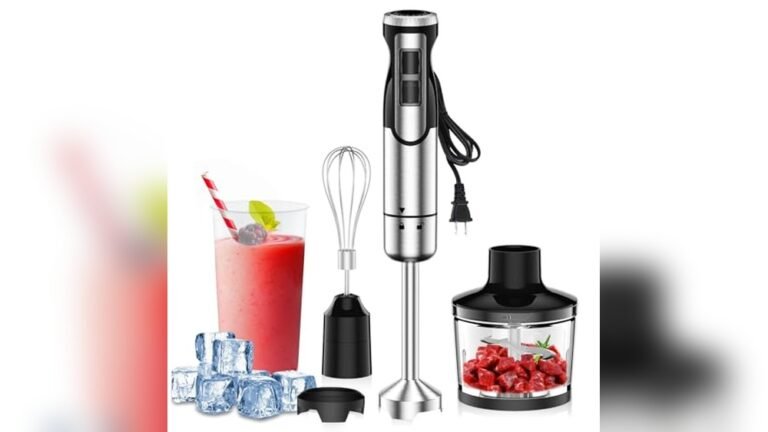
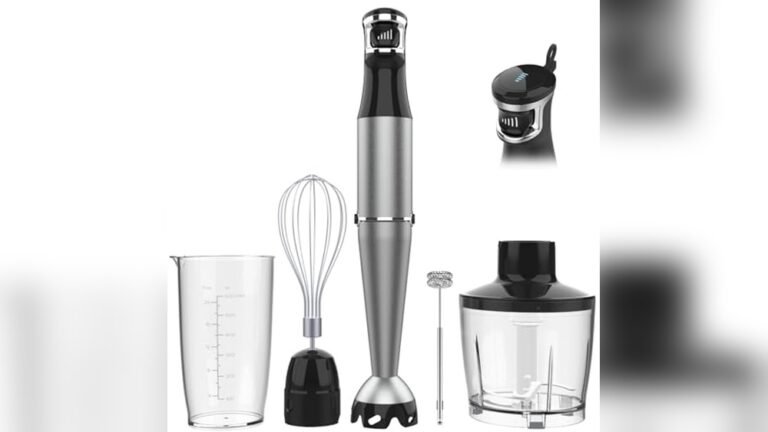
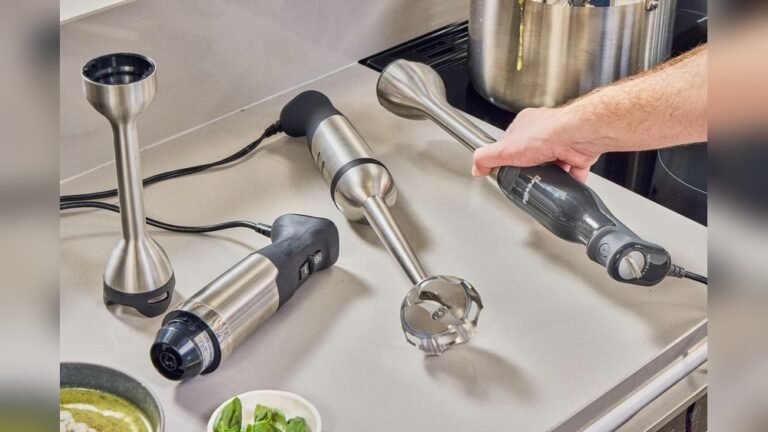
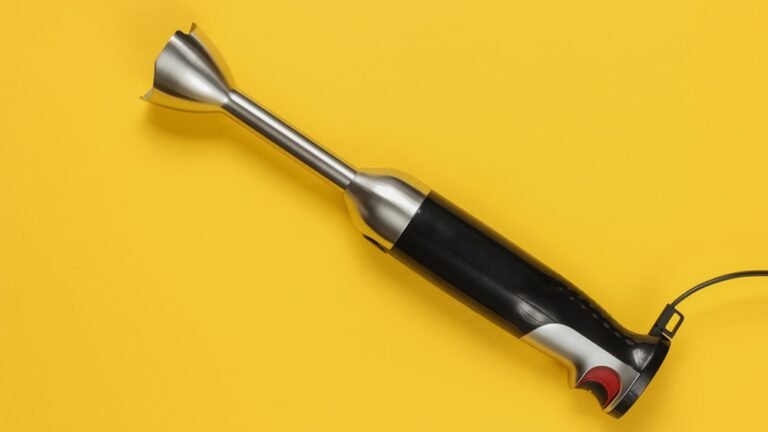
Hand blenders are small kitchen tools with a motor in the handle and spinning blades at the bottom. You hold them in your hand and blend ingredients directly in a bowl, cup, or pot. Unlike countertop blenders, they don’t have a big jar or base.
The blades spin fast and chop food into smaller pieces. They work well for soups, sauces, and purees. For smoothies, the goal is to break fruits, vegetables, and ice into a smooth texture you can drink.
Power And Blade Design
Most hand blenders have motors between 200–600 watts. The blade shape is simple—usually two or four blades. Some models offer extra attachments or special blades for tougher jobs.
Countertop blenders, in comparison, often have 700–1500 watts and larger, sharper blades. This difference affects how well hand blenders deal with hard ingredients like ice or frozen fruit.
Can Hand Blenders Make Smoothies?
Yes, hand blenders can make smoothies, but with some limitations. They work best with soft, fresh fruits like bananas, berries, mango, or peaches. They can also blend leafy greens, yogurt, milk, and nut butters. If you use frozen fruit or ice, results depend on the blender’s power and blade quality.
Here’s a quick comparison of what hand blenders can handle:
| Ingredient | Hand Blender | Countertop Blender |
|---|---|---|
| Fresh Fruits | Excellent | Excellent |
| Leafy Greens | Good | Excellent |
| Frozen Fruit | Fair | Excellent |
| Ice Cubes | Poor | Excellent |
| Nuts/Seeds | Poor | Good |
Hand blenders are great for simple, soft smoothies. For tough ingredients, you may need a more powerful machine.
Key Advantages Of Hand Blenders For Smoothies
Hand blenders have some real benefits for smoothie lovers, especially if you’re new to blending or have a small kitchen.
- Easy to Clean: Most hand blenders detach, so you can wash the blade part quickly.
- Compact Size: They fit easily in drawers or cabinets.
- Affordable: Many models cost less than $50.
- Quick Use: You can blend in your drinking glass—no extra dishes.
- Control: You decide how smooth or chunky your drink is.
If you only make one smoothie at a time and use soft ingredients, a hand blender is a smart choice.
Limitations And Challenges
While hand blenders are handy, they have limits for smoothie-making. Here are some common issues:
- Difficulty with Ice or Frozen Fruit: Most hand blenders struggle to crush ice or blend frozen fruit smoothly. You may end up with chunks.
- Small Batch Size: They work best for single servings. Making large batches is slow and awkward.
- Less Smooth Texture: Compared to countertop blenders, hand blenders can leave tiny bits, especially with fibrous greens.
- Motor Overheating: Using a hand blender for tough jobs can overheat the motor. This shortens its life.
Real Example
A user tried blending a frozen berry smoothie with a 300-watt hand blender. After 30 seconds, some berries were still whole, and the smoothie was icy and chunky. With a countertop blender, the result was creamy and smooth in 20 seconds.
How To Make Smoothies With A Hand Blender
You can make great smoothies with a hand blender if you know the right steps. Here’s a practical method:
- Choose Soft Ingredients: Use ripe bananas, fresh berries, mango, avocado, or yogurt.
- Cut Ingredients Small: Slice fruits and veggies into small pieces. This helps the blades blend better.
- Add Liquid First: Pour milk, juice, or water in before solid ingredients. This prevents air pockets.
- Blend in a Tall Cup: Use a tall, narrow glass or jar. It keeps ingredients close to the blades.
- Pulse and Move: Blend in short bursts. Move the blender up and down for even mixing.
- Check Texture: If the smoothie is too thick, add more liquid and blend again.
- Avoid Ice or Frozen Fruit: If you want a cold smoothie, use chilled ingredients instead.
Sample Recipe: Banana Berry Smoothie
- 1 ripe banana
- 1 cup fresh strawberries
- ½ cup yogurt
- ½ cup milk (or almond milk)
- 1 tsp honey (optional)
Cut the banana and strawberries into small pieces. Place them in a tall glass with yogurt and milk. Insert the hand blender and blend until smooth, moving it up and down. Add honey if needed.
Preparation time: About 3 minutes
Serving size: 1 large glass
Comparing Hand Blender And Countertop Blender For Smoothies
Let’s look at a direct comparison to help you decide which is better for your needs.
| Feature | Hand Blender | Countertop Blender |
|---|---|---|
| Price Range | $20–$60 | $60–$400 |
| Cleaning | Very easy | Moderate |
| Smoothness | Good (soft ingredients) | Excellent |
| Batch Size | Single serving | Multiple servings |
| Ice Crushing | Poor | Excellent |
| Noise | Low | High |
| Storage | Easy | Bulky |
Insight: Batch Size Matters
Beginners often forget that hand blenders work best for one glass at a time. Trying to blend more can lead to spills or uneven blending.
Credit: www.walmart.com
Choosing The Right Hand Blender For Smoothies
If you want to use a hand blender for smoothies, here’s what you should look for:
- Higher Power: Choose a model with at least 300–400 watts. This helps with tougher ingredients.
- Strong Blades: Stainless steel blades are better than plastic.
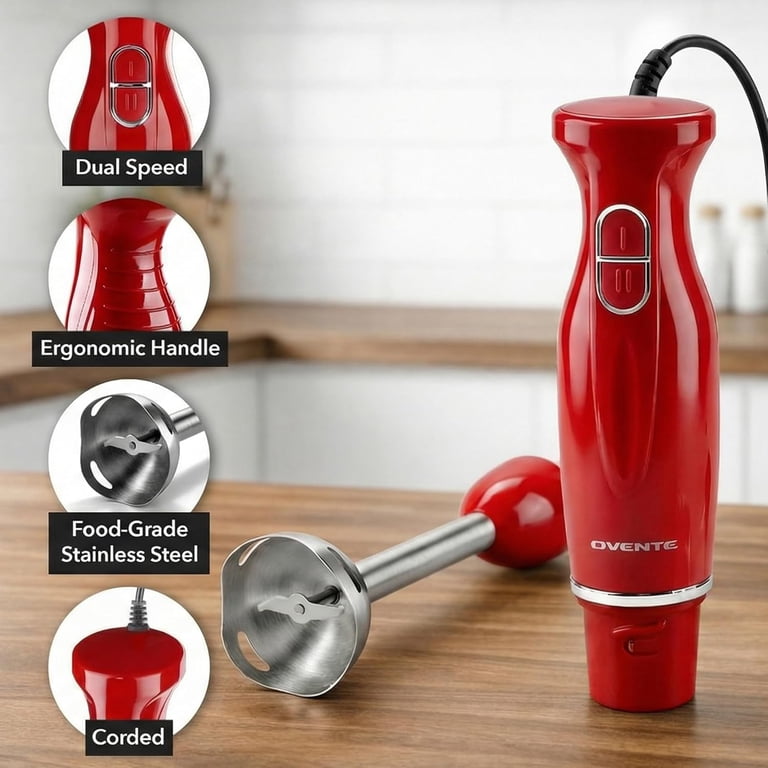
- Tall Mixing Cup: Some hand blenders come with a special cup for blending. This helps make smoother drinks.
- Easy Grip: A comfortable handle makes blending easier.
Popular Models
Some well-known hand blenders for smoothies include:
- Braun MultiQuick 5
- KitchenAid 2-Speed Hand Blender
- Cuisinart Smart Stick
These models have good power and blade quality. They are also easy to clean and store.
Practical Tips For Better Results
To get the best out of your hand blender, follow these tips:
- Pre-chop hard ingredients: If you want to use apples or carrots, cut them into small pieces first.
- Soak frozen fruit: Let frozen berries or mango sit in milk for 10 minutes before blending.
- Blend in batches: If you have a lot of ingredients, blend in two rounds to avoid overloading.
- Use cold liquids: To make your smoothie refreshing, use chilled milk or yogurt instead of ice.
- Don’t force the motor: If blending feels slow, stop and check if you need more liquid or smaller pieces.
Overlooked Mistake: Overfilling
Many beginners overfill the mixing cup. This causes spills and uneven blending. Always leave space for the blender to move.

Credit: www.kitchenaid.com
Cleaning And Maintenance
Hand blenders are easy to clean, but you need to take care of them for best performance.
- Detach the blade section and rinse it under water.
- Use a brush to clean the blades if there is sticky fruit.
- Dry fully before storing.
- Never submerge the motor part in water.
Regular cleaning keeps your blender safe and ready for the next smoothie.
Safety Tips
Hand blenders are safer than big blenders, but you should still be careful.
- Unplug before cleaning.
- Keep fingers away from blades.
- Don’t run for more than 1 minute at a time. Motors can overheat.
- Use the right container. Glass or thick plastic cups work best.
What Experts Say
Experts agree that hand blenders are great for quick, simple smoothies. According to a review from Consumer Reports, hand blenders are ideal for single servings and soft ingredients, but countertop blenders are better for tough jobs and larger batches. If you want more details, visit Consumer Reports.
Frequently Asked Questions
Can I Use A Hand Blender For Green Smoothies?
Yes, you can use a hand blender for green smoothies with spinach, kale, or other leafy greens. For best results, chop the greens and blend with enough liquid. The texture may not be as smooth as a countertop blender, but it works well for single servings.
Will A Hand Blender Crush Ice?
Most hand blenders cannot crush ice effectively. The blades and motor are not strong enough. If you need a cold smoothie, use chilled liquids or blend frozen fruit after letting it soften.
How Do I Avoid Chunks In My Smoothie?
To avoid chunks, cut all ingredients into small pieces, add enough liquid, and blend in a tall, narrow container. Move the blender up and down for even mixing. If you still have chunks, blend for a few more seconds or strain before serving.
Is It Safe To Use A Hand Blender In A Glass Cup?
Yes, you can use a hand blender in a glass cup if the glass is thick and sturdy. Avoid thin glass, which can crack. Always start blending slowly and keep the blades away from the sides.
What Is The Best Liquid For Hand Blender Smoothies?
The best liquids are milk, almond milk, yogurt, juice, or water. These help ingredients blend easily and make the smoothie smooth. Avoid thick, sticky liquids unless you add enough thin liquid to help blending.
Hand blenders are a smart tool for quick, simple smoothies. They fit small kitchens, are easy to clean, and work well with soft fruits and greens. If you want creamy smoothies with ice or frozen fruit, a countertop blender is better.
Choose the right hand blender, follow the practical steps, and you’ll enjoy delicious smoothies at home. Knowing the limits and using the right techniques will help you get the best results every time.
:max_bytes(150000):strip_icc()/sea-personal-blenders-lead-image-nutribullet-smeg-ninja-ashia-aubourg-02-2fe28ce691d047cb956a51c541330b3d.jpeg)
Credit: www.seriouseats.com
Hi, I’m Emma Carter, a passionate home cook with over 12 years of hands-on experience in home kitchens. I love testing kitchen tools, trying new recipes, and helping everyday cooks make smarter buying decisions. Every review and guide I write is based on real cooking experience, practical testing, and honest opinions, not marketing claims.