What to Consider When Buying Bean to Cup Coffee Machine: Ultimate Guide
If you’re thinking about bringing the rich, fresh taste of coffee beans into your daily routine, a bean to cup coffee machine might be just what you need. But before you make that purchase, it’s important to know what really matters.
Are you looking for convenience, speed, or the perfect cup every time? How much space do you have in your kitchen? What about maintenance and cost? Choosing the right machine isn’t just about picking the fanciest model—it’s about finding one that fits your lifestyle and coffee preferences.
Keep reading, and you’ll discover the key factors to consider so you can enjoy café-quality coffee right at home.
Machine Size And Capacity
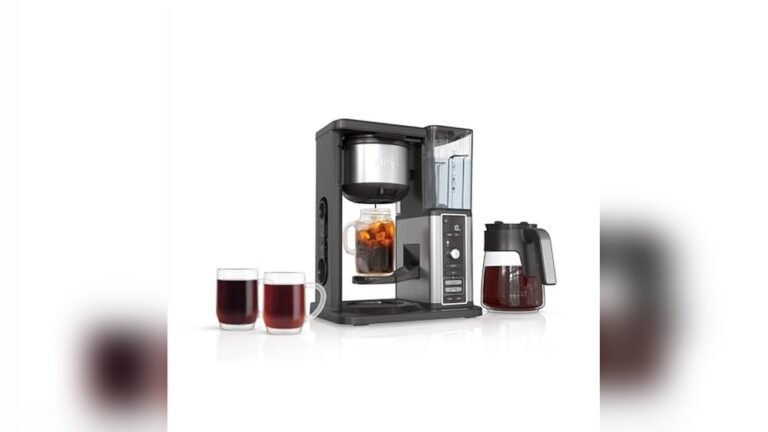
Water tank volume decides how often you refill water. Bigger tanks are better for many cups. Small tanks need more refilling, which can be annoying.
The bean hopper size shows how many coffee beans the machine can hold. A larger hopper means fewer refills and fresh beans every time. Small hoppers may run out quickly.
| Feature | Benefit |
|---|---|
| Cup Capacity | How many cups the machine brews before needing refill or cleaning. |
| Brewing Speed | Faster machines save time, good for busy mornings or guests. |
Choosing the right size and capacity ensures the machine fits your needs. No one likes stopping to refill or wait too long for coffee.
Credit: www.alexanders-direct.co.uk
Coffee Quality Factors
Grinding mechanism affects the taste and freshness of coffee. Burr grinders are best because they crush beans evenly. Blade grinders can cause uneven grind sizes, leading to bitter or weak coffee. Adjustable grind settings help customize the flavor to your liking.
Brewing temperature and pressure are key to extracting rich flavors. Ideal brewing temperature is between 195°F and 205°F. Too hot or too cold water changes the taste. Proper pressure, usually around 9 bars, ensures a strong and smooth espresso.
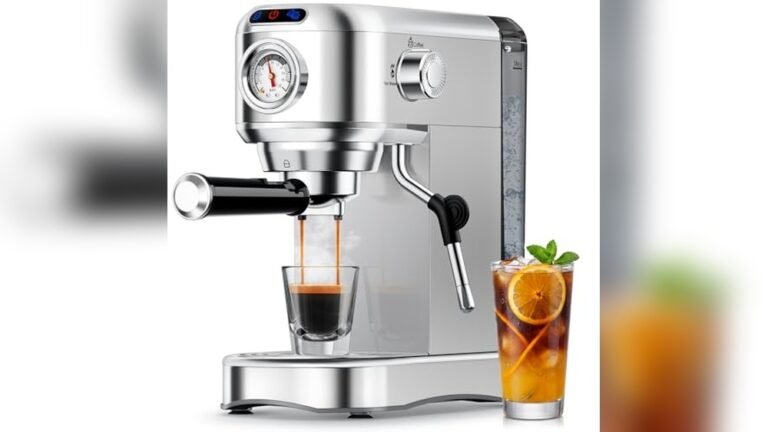
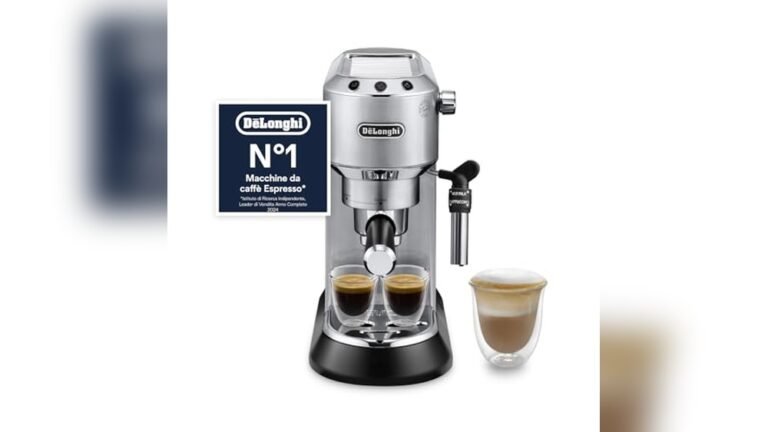
Milk frothing options add versatility for making lattes or cappuccinos. Some machines have automatic frothers for easy use. Others require manual frothing, which gives more control but needs skill. Choose based on how much milk-based coffee you drink.
Ease Of Use
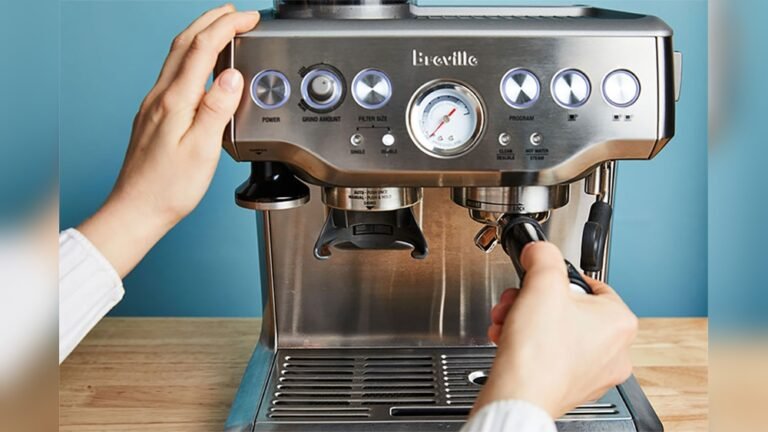
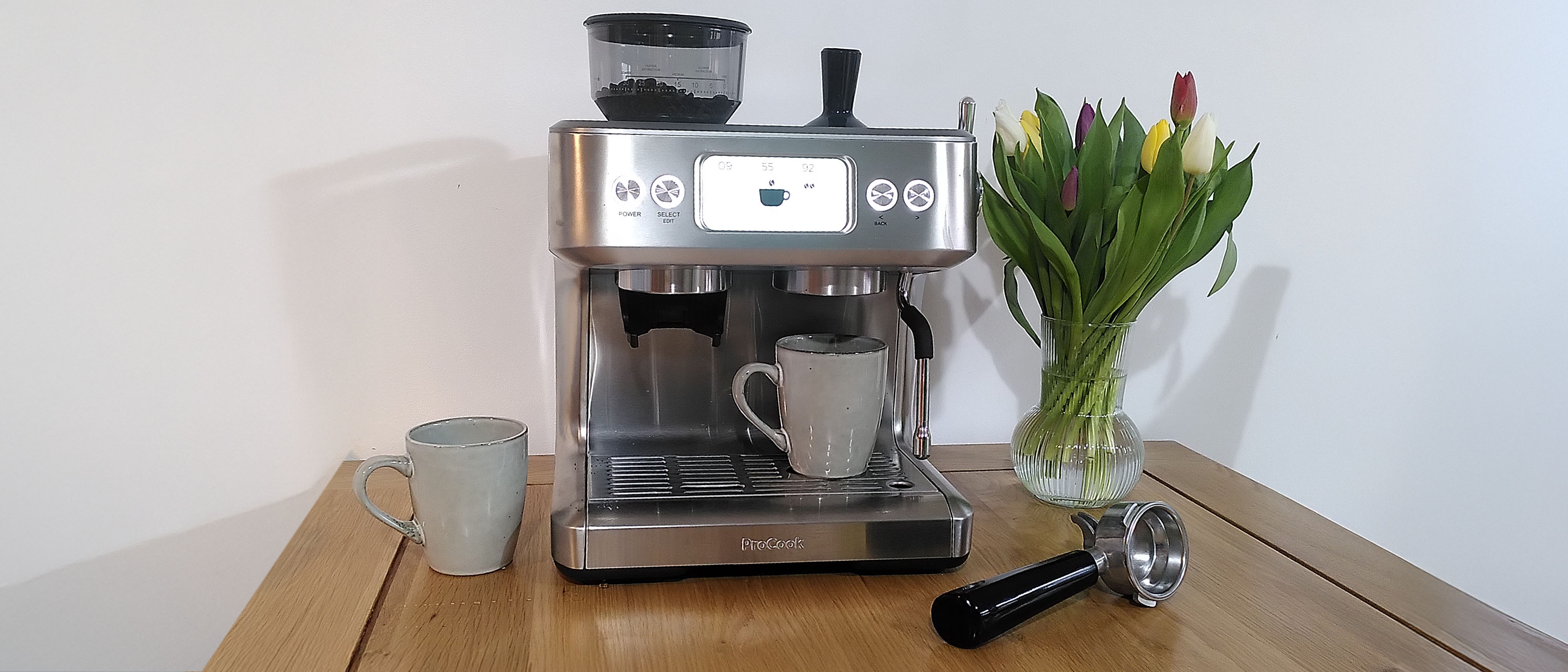
User interface and controls should be simple and clear. Buttons or touchscreen must be easy to read and press. A good display shows important info like coffee strength and water level. This helps users make quick choices without confusion.
Customization settings allow you to adjust coffee strength, temperature, and cup size. Machines with many options give more control over your drink. Some models save your favorite settings for fast brewing later.
Cleaning and maintenance must be easy to manage. Look for machines with removable parts for quick cleaning. Automatic cleaning programs reduce effort. A machine with clear alerts for water refill and descaling helps keep it working well longer.
Credit: examagentfifa.com
Machine Durability And Build
Materials and construction affect how long the machine lasts. Machines with stainless steel or metal parts usually last longer than those made mostly of plastic. A solid build also means the machine handles daily use without breaking easily.
Brand reputation shows how reliable a company is. Brands known for good quality often make machines that work well for years. Reading reviews helps find trustworthy brands and avoid poor-quality products.
The warranty and support protect your investment. A longer warranty means the maker trusts their product. Good customer support helps fix problems quickly, saving you time and money. Check what the warranty covers and how easy it is to get help.
Price And Budget
Entry-level machines cost less but may have fewer features. Premium models offer more options and better build quality. Choose based on how much you want to spend and what you need.
Value for money depends on how often you drink coffee. A pricier machine can save money if used daily. Cheaper machines might need more repairs or replacements.
| Cost Factor | Entry-Level | Premium |
|---|---|---|
| Initial Price | Low ($100-$300) | High ($500-$1500+) |
| Maintenance | Higher frequency | Less frequent |
| Durability | Moderate | High |
| Features | Basic brewing | Multiple settings |
Long-term costs include beans, filters, and cleaning products. Premium machines may use less energy and last longer. Think about how much time and money you want to spend on upkeep.
Machine Features
Programmable options allow you to set the coffee strength, temperature, and cup size. This helps to make your coffee just the way you like it every time. Machines with multiple profiles can save preferences for different users.
Multiple beverage types mean you can enjoy more than just espresso. Many machines offer cappuccinos, lattes, and sometimes hot water for tea. Choose a machine that suits your drink choices.
Connectivity and smart features let you control the machine from your phone. Some models connect via Wi-Fi or Bluetooth. This adds convenience, letting you start brewing before you reach the kitchen.
Space And Placement
Countertop footprint matters a lot. Measure the space where the machine will sit. Some machines are compact, while others need more room. Choose one that fits your kitchen without crowding. A smaller footprint saves space for other items.
Noise levels can affect comfort. Some machines are loud when grinding beans or brewing coffee. Look for models with quiet operation if you want a peaceful kitchen. This is important for early mornings or shared spaces.
Aesthetic design is about how the machine looks. Pick a style and color that match your kitchen decor. A nice design makes your coffee corner look inviting. Machines come in sleek, modern, or classic styles to suit your taste.

Credit: www.reddit.com
Water Quality And Filtration
Built-in filters help improve water quality by removing impurities. This keeps coffee tasting fresh and prevents damage to the machine. Some filters reduce chlorine and bad odors, making the water better for brewing.
Water source compatibility is important. Check if the machine works well with tap water or if it needs filtered or bottled water. Using the right water source affects the coffee’s flavor and machine’s life.
Limescale prevention protects the machine from mineral build-up. Limescale can block pipes and reduce heating efficiency. Many machines have automatic descaling alerts or built-in systems to prevent this problem.
Conclusion
Choosing the right bean to cup coffee machine takes some thought. Consider size, ease of use, and maintenance needs. Think about how often you drink coffee and your budget. A machine with good features can save time and make great coffee.
Remember to check water tank size and grinder quality. This helps ensure fresh, tasty coffee every time. Taking time to choose wisely leads to many enjoyable cups ahead.
Hi, I’m Emma Carter, a passionate home cook with over 12 years of hands-on experience in home kitchens. I love testing kitchen tools, trying new recipes, and helping everyday cooks make smarter buying decisions. Every review and guide I write is based on real cooking experience, practical testing, and honest opinions, not marketing claims.