What is Calibration in Coffee Machine: Unlock Perfect Coffee Every Time
If you want your coffee machine to deliver the perfect cup every single time, understanding calibration is key. Calibration in a coffee machine means adjusting your grinder, dose, and brewing settings so your espresso or drip coffee tastes just right.
It’s not just for professional baristas—calibrating your machine can transform your home brewing experience too. Imagine waking up to coffee that’s balanced, rich, and consistent, without any guesswork. You’ll discover exactly what calibration means, why it matters, and how you can master it to get the best flavor from your beans every time.
Ready to unlock the secret to better coffee? Let’s dive in.

Credit: perfectdailygrind.com
Calibration Basics
Calibration in coffee machines means adjusting settings for the best coffee taste. It helps control grind size, water temperature, and brewing time. These factors affect flavor, strength, and aroma.
Good calibration makes coffee taste consistent every time. It fixes issues like too bitter or too weak coffee. Baristas change settings based on the type of coffee beans and weather. For example, humidity can change how coffee brews.
In busy cafes, calibration happens often to keep drinks perfect. At home, do it when using new beans or if coffee tastes different. Calibration ensures you enjoy a fresh, tasty cup every day.

Credit: www.beanscenemag.com.au
Key Calibration Factors
Grind size adjustments are vital for good coffee. Finer grinds make stronger coffee but can cause clogging. Coarser grinds allow faster water flow but may taste weak. Adjusting grind size controls the coffee’s strength and flavor.
Dose and coffee amount affect taste and strength. Using too much coffee makes it bitter. Too little coffee makes it weak. Measuring the right dose ensures a balanced cup every time.
Water temperature settings must be just right. Water that is too hot can burn the coffee. Water that is too cold will not extract flavors well. Ideal water temperature helps bring out the best taste.
Extraction time control is about how long water touches coffee. Shorter time results in sour coffee. Longer time can cause bitterness. Proper extraction time balances flavors and aroma perfectly.
Step-by-step Calibration Process
Preparing your equipment means cleaning the machine and grinder first. Use fresh beans and clean water. Make sure all parts are ready to use.
For setting the initial parameters, start with a middle grind size and dose. Set the water temperature around 200°F. Use standard time for extraction, about 25-30 seconds.
Testing and tasting shots helps find the best flavor. Pull a shot and taste it. Check if it is too bitter, sour, or weak. Note what needs change.
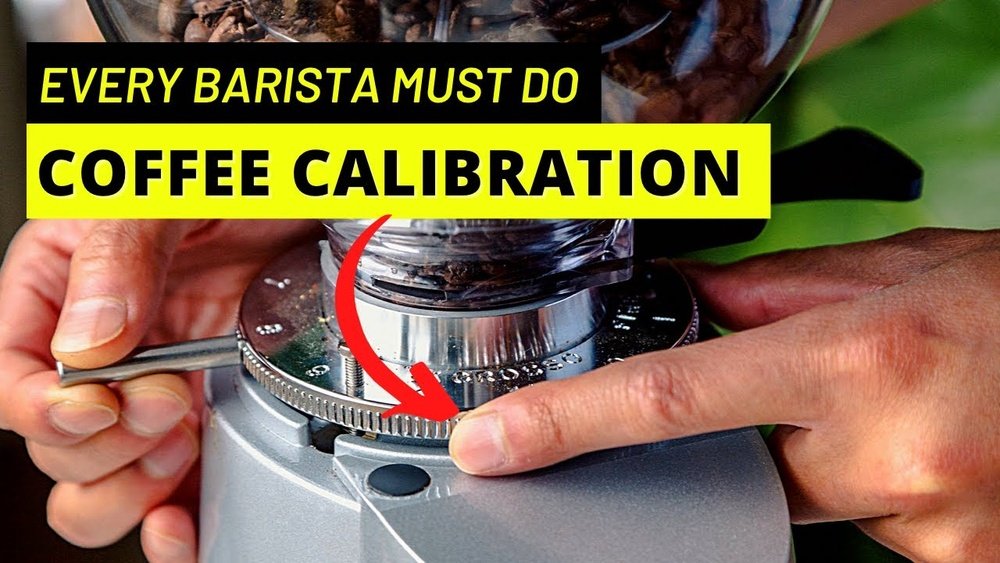
Making fine adjustments means changing grind size, dose, or time little by little. Adjust grind finer if shot is fast, coarser if slow. Change dose or time to balance taste.

Credit: www.youtube.com
Calibration Frequency
Calibration frequency depends on where and how coffee is brewed. For home brewing, calibrate the coffee machine when switching to new beans or if the taste changes. This keeps the flavor consistent without extra effort.
In busy cafes, calibrate daily or even multiple times a day. High demand and constant use cause machines to drift from the set standard. Frequent calibration ensures each cup tastes just right.
Changes in beans or weather also affect calibration. Different beans grind and extract differently. Weather changes, like humidity and temperature, impact the brewing process. Adjust calibration to keep coffee quality steady under varying conditions.
Tools For Effective Calibration
Using a coffee scale helps measure the exact amount of coffee grounds. It ensures consistent taste by controlling the dose every time you brew.
Grinder calibration tools allow you to adjust grind size precisely. This affects the coffee’s flavor and extraction speed.
Timer and temperature devices help track brew time and water heat. Both factors are key for the perfect espresso shot.
| Tool | Purpose |
|---|---|
| Coffee Scale | Measures coffee dose for consistent brewing |
| Grinder Calibration Tools | Adjusts grind size for flavor control |
| Timer and Temperature Devices | Tracks brewing time and water temperature |
Troubleshooting Common Issues
Inconsistent extraction causes uneven coffee taste. It happens if grind size or dose is wrong. Check the grind size and adjust to be finer or coarser. Make sure the coffee dose is correct each time. Also, clean the machine regularly to avoid blockages.
Bitter or sour taste problems come from wrong extraction time or temperature. A too long extraction makes coffee bitter. A too short extraction makes it sour. Adjust the brewing time. Check the water temperature; it should be about 195-205°F (90-96°C).
Machine performance variations may happen due to wear or dirty parts. Regularly clean the grinder and group head. Check for wear on seals and replace if needed. Calibrate the machine often to keep performance stable.
Tips For Perfect Calibration
Maintaining consistency is key for great coffee. Use the same grind size, dose, and brew time every time. This helps keep the flavor steady. Keep your coffee beans fresh and store them well.
Recording settings and results helps track what works best. Write down grind size, dose, and extraction time. Note the taste and adjust if needed. This simple habit improves your brewing skills.
Regular equipment maintenance ensures your machine works well. Clean the grinder, group head, and filters often. Replace worn parts to avoid changes in taste. Well-maintained machines give better, more reliable coffee.
Conclusion
Calibration keeps your coffee machine working at its best. It helps you get the right grind size, dose, and brewing time. This process ensures each cup tastes just right. Regular calibration adjusts for changes in beans or weather. It saves money by reducing wasted coffee.
Anyone who enjoys coffee can learn simple calibration steps. Taking time to calibrate makes a big difference in flavor. Your daily coffee moments become more enjoyable and consistent. Keep your machine calibrated to brew perfect coffee every time.
Hi, I’m Emma Carter, a passionate home cook with over 12 years of hands-on experience in home kitchens. I love testing kitchen tools, trying new recipes, and helping everyday cooks make smarter buying decisions. Every review and guide I write is based on real cooking experience, practical testing, and honest opinions, not marketing claims.