Expert Tips | How to Use Zester for Perfect Citrus Zests
If you love adding a burst of fresh flavor to your dishes, knowing how to use a zester can transform your cooking. Whether it’s a lemon, lime, or orange, zest brings bright, aromatic notes that take your meals to the next level.
But using a zester might seem tricky if you’ve never tried it before. Don’t worry—you’re about to learn simple, step-by-step tips that make zesting easy and mess-free. By the end of this article, you’ll confidently add that perfect citrus touch to your recipes every time.
Ready to unlock the secret to flavorful cooking? Let’s dive in!
Choosing The Right Zester
Choosing the right zester can make zesting easier and more enjoyable. Different types of zesters suit various kitchen tasks and personal preferences. Picking the best one helps achieve perfect zest texture and flavor.
Microplane Zester Benefits
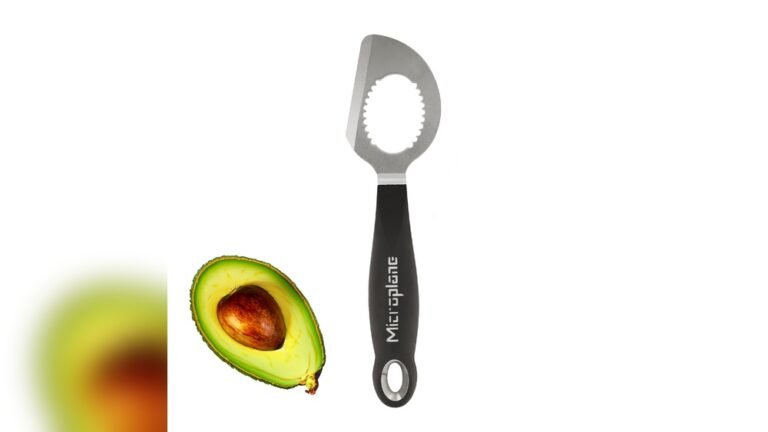
Microplane zesters have very sharp, fine blades. They create fluffy, fine zest that blends well in recipes. The long handle gives good control and comfort. They work well for lemons, limes, and oranges. Cleaning is simple since the blades do not trap zest. They are ideal for delicate garnishes and baking.
Handheld Zester Features
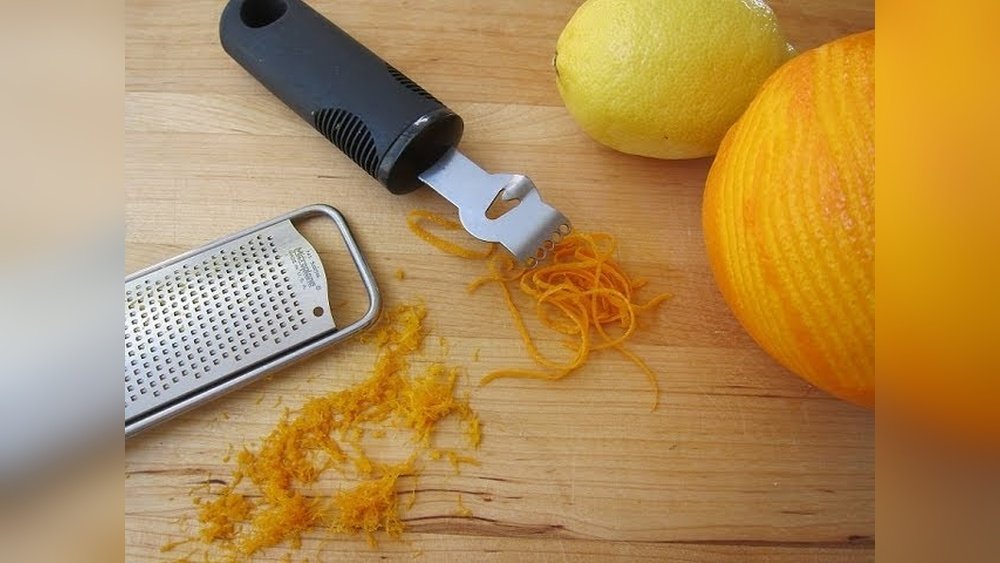
Handheld zesters are small and easy to use. They usually have several small holes for zesting. The handle fits well in the hand for steady grip. These zesters give slightly coarser zest than a Microplane. They are great for quick zesting or small amounts. Their compact size makes them easy to store.
Using A Box Grater
Box graters can also work for zesting if no other tool is available. Use the smallest holes on the grater’s side. Hold the fruit firmly and grate gently to avoid the bitter pith. Box graters often create larger zest pieces. Clean carefully to remove zest stuck in the holes. They offer a multi-purpose option for the kitchen.
Preparing Citrus For Zesting
Preparing citrus for zesting is a simple yet important step. Proper preparation ensures you get bright, flavorful zest without bitterness. It starts with selecting fresh, firm citrus fruits like lemons, limes, or oranges. Cleanliness and technique make a big difference in zest quality.
Washing And Drying Fruit
Wash citrus fruit under cold running water. Use a soft brush to remove dirt and wax. This step removes any residues on the peel’s surface. Dry the fruit completely with a clean towel. Moisture can cause the zest to clump or slide off the tool. Dry fruit makes zesting easier and cleaner.
Avoiding The Bitter Pith
The pith is the white layer beneath the peel. It tastes bitter and can ruin your dish. Use your zester carefully to remove only the colorful outer skin. Hold the fruit steady and zest in long, even strokes. Rotate the fruit to avoid the pith. Stop zesting as soon as you see white showing. This method keeps the zest bright and flavorful.
Zesting Techniques
Zesting techniques help you get the best flavor and texture from citrus fruits. Proper methods avoid the bitter white pith under the skin. This section shows how to hold the zester, use the right strokes, and rotate the fruit for even zesting. Simple steps make zesting easier and more effective.
Proper Grip And Angle
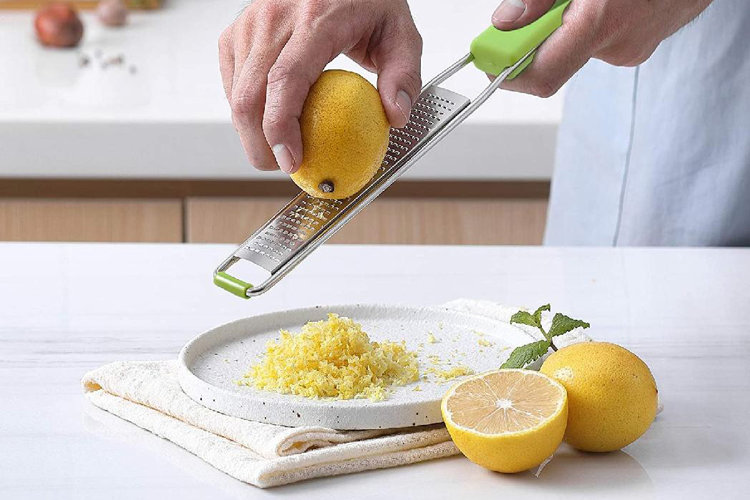
Hold the citrus fruit firmly in one hand. Grip the zester in the other hand like a pen. Keep the zester angled slightly down toward the fruit. This angle helps remove only the colorful outer peel. Avoid pressing too hard to stop scraping the bitter pith.
Long, Straight Strokes
Use long, smooth strokes from top to bottom of the fruit. Move the zester in one direction without going back and forth. This method keeps the zest fresh and prevents it from becoming mushy. Light pressure works well for fine zest, while firmer pressure extracts more oils.
Rotating The Fruit
Turn the fruit a little after each stroke. Rotating ensures you zest all around the fruit evenly. It also prevents zesting the white pith, which tastes bitter. Keep rotating until you remove the amount of zest needed for your recipe.
Credit: www.wayfair.com
Collecting And Using Zest
Zest adds a bright, fresh flavor to many dishes. It comes from the outer skin of citrus fruits like lemons, limes, and oranges. Collecting zest correctly ensures the best taste and aroma. Using a zester makes this task easy and efficient. Learn how to gather zest and how to use it in your cooking.
Best Methods To Collect Zest
Start by washing the fruit thoroughly to remove any wax or dirt. Dry the fruit completely before zesting. Hold the fruit firmly in one hand. Use the zester to scrape the colored outer layer gently. Avoid the white pith underneath; it tastes bitter. Rotate the fruit as you zest to get even strips. Use long, smooth strokes for fine zest. A microplane grater works well for delicate zest. A handheld zester creates slightly thicker strips. Collect zest in a clean bowl or on a plate to prevent losing it.
Incorporating Zest Into Recipes
Zest enhances many recipes with its intense citrus flavor. Add zest to baked goods like cakes, muffins, and cookies. Stir zest into salad dressings for a fresh twist. Mix zest into sauces, marinades, and dips. Use zest as a garnish for cocktails or desserts. Add zest near the end of cooking to keep its bright flavor. Combine zest with sugar or salt for flavored blends. Store unused zest in the freezer to keep it fresh longer. Small amounts of zest go a long way in boosting flavor.
Common Mistakes To Avoid
Using a zester is simple, but beginners often make mistakes. These errors can affect the taste and texture of your dishes. Avoiding common pitfalls helps you get fresh, flavorful zest every time. Below are key mistakes to watch out for.
Removing The White Pith
The white pith lies under the colorful outer skin. It tastes bitter and can spoil your dish. Avoid scraping too deep with your zester. Only remove the bright outer layer. Rotate the fruit carefully to stay on the colored part. A light touch keeps the zest fresh and flavorful.
Over-zesting And Mushy Zest
Applying too much pressure can cause mushy zest. This happens when the fruit’s oils break down. Use gentle, even strokes for best results. Stop zesting once you see the white pith. Over-zesting wastes zest and adds bitterness. Fresh, dry zest adds a bright, clean flavor to meals.

Credit: sweetsandthankyou.com
Extra Tips For Perfect Zest
Perfect zest enhances flavor and adds freshness to dishes. Small details improve zesting results. Simple tips help you get the best zest every time.
Using Zesters For Other Ingredients
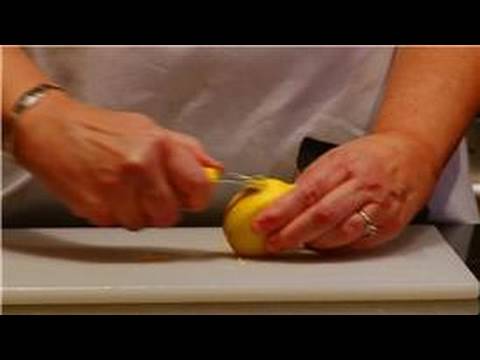
Zesters work well beyond citrus fruits. Try zesting fresh ginger for a spicy kick. Use them on garlic to create fine pieces. Nutmeg can be grated with a zester for baking. Even hard cheeses like Parmesan grate nicely with a microplane zester. This tool adds texture and flavor to many recipes.
Storage And Freshness
Fresh zest loses flavor quickly. Use zest immediately for the best taste. To store, place zest in an airtight container. Keep it in the refrigerator for up to two days. For longer storage, freeze zest in small portions. Avoid moisture to prevent clumping and loss of aroma.
Credit: www.youtube.com
Frequently Asked Questions
Do You Peel A Lemon Before Zesting?
Do not peel a lemon before zesting. Only grate the outer colored skin, avoiding the bitter white pith underneath.
What Side Of The Grater Is For Zesting?
Use the finest, smallest holes on the grater’s side for zesting. They scrape the colorful peel without the bitter pith.
Is A Zester Different Than A Grater?
A zester extracts thin strips of citrus peel, focusing on the outer skin. A grater shreds food into larger pieces with various hole sizes. Zesters create fine zest, while graters handle broader tasks like cheese or vegetables.
Do You Leave The Peel Of Orange On For Zest?
Do not leave the orange peel on for zesting. Only grate the bright outer layer, avoiding the bitter white pith underneath.
Conclusion
Using a zester is simple and adds fresh flavor to dishes. Hold the fruit firmly and zest only the colorful outer layer. Avoid the white pith to keep the taste bright and clean. Rotate the fruit as you zest to get even strips.
Whether using a microplane or handheld zester, gentle pressure works best. Practice these easy steps to enhance your cooking with citrus zest. Enjoy the fresh aroma and taste that zest brings to your meals.

Hi, I’m Emma Carter, a passionate home cook with over 12 years of hands-on experience in home kitchens. I love testing kitchen tools, trying new recipes, and helping everyday cooks make smarter buying decisions. Every review and guide I write is based on real cooking experience, practical testing, and honest opinions, not marketing claims.