How to Use a Zester Safely Easy Tips to Avoid Cuts and Stay Protected
When you reach for your zester, you want to add fresh, vibrant flavors to your dishes—not worry about accidental cuts or messy cleanup. But did you know that using this simple kitchen tool without the right precautions can lead to slips, scrapes, or wasted zest?
You’ll discover easy and practical safety tips that protect your fingers and make zesting a breeze. Whether you’re a cooking novice or a seasoned chef, these insights will help you zest confidently and efficiently every time. Keep reading to transform your zesting experience into a safe and enjoyable part of your culinary routine!
Credit: www.amazon.com
Choosing The Right Zester
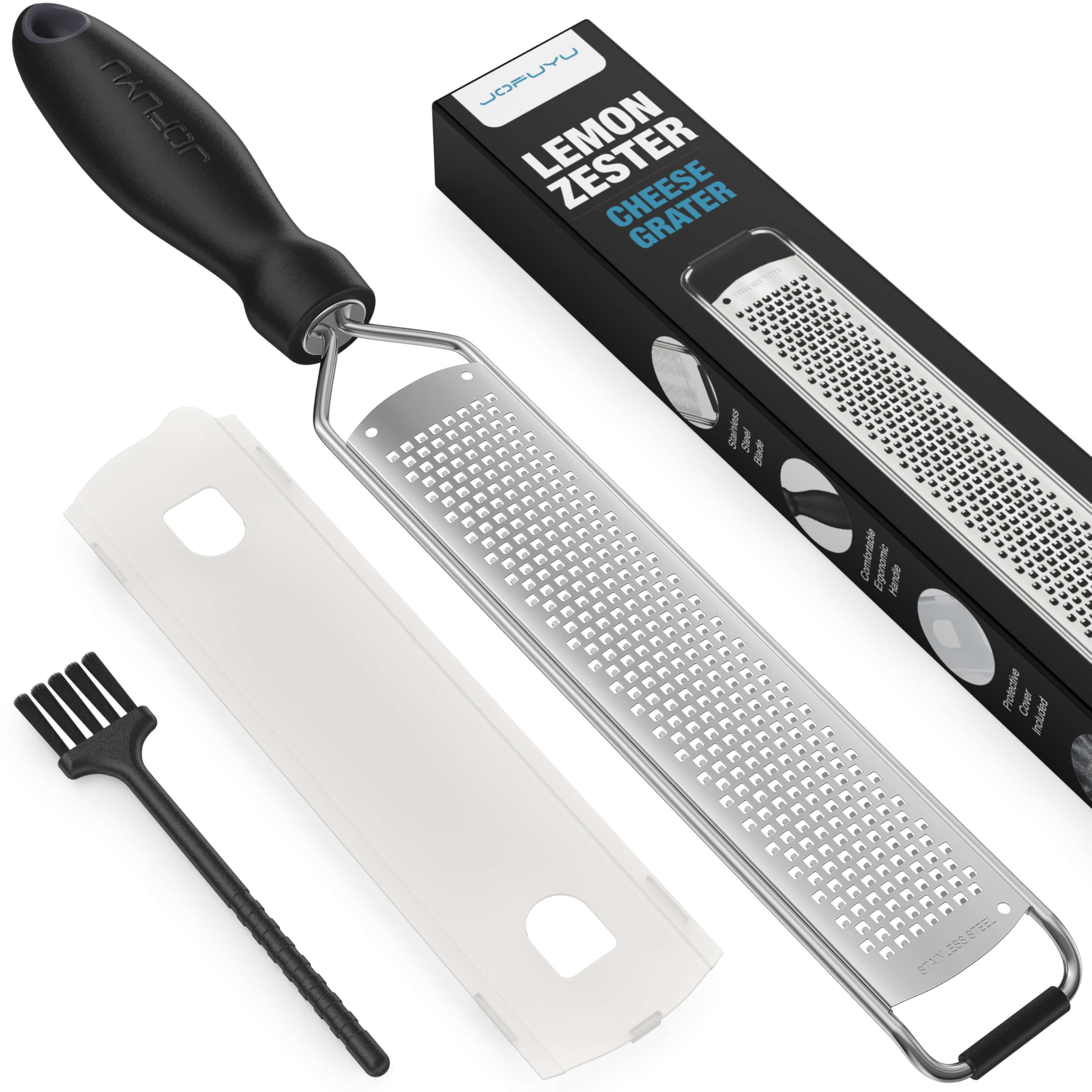
Choosing the right zester is key for safe and efficient kitchen work. A good zester fits your hand well and cuts cleanly. It helps prevent slips and accidents. Understanding different types, materials, and designs makes your choice easier. This section breaks down what to consider before buying.
Types Of Zesters
Zesters come in several styles. The most common are the microplane, channel knife, and rotary zester. Microplanes have fine, sharp blades for thin zest strips. Channel knives cut wider strips but need more skill. Rotary zesters have a small wheel that makes zesting fast and easy. Choose a type that suits your cooking style and comfort.
Materials And Durability
Look for zesters made of stainless steel. This metal resists rust and stays sharp longer. Plastic handles add comfort but check their quality. Avoid cheap materials that break or dull quickly. A durable zester lasts years and stays safe to use.
Ergonomic Design Features
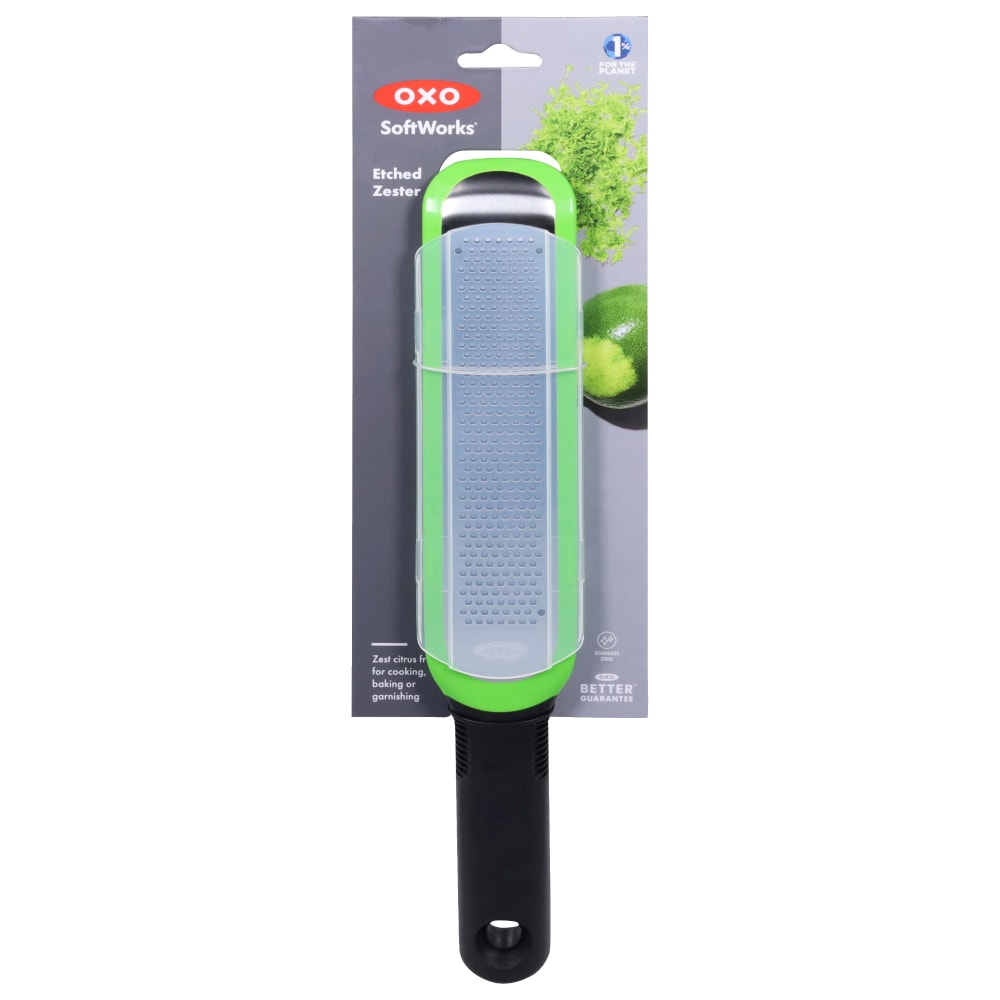
An ergonomic zester feels good in your hand. It has a non-slip grip to prevent slipping when wet. The handle should be thick enough to hold firmly without strain. Some zesters have finger guards for extra safety. Good design reduces hand fatigue and lowers the risk of cuts.
Credit: www.fredmeyer.com
Preparing For Safe Zesting
Preparing for safe zesting is key to avoid accidents and get the best results. Taking simple steps before you start helps protect your fingers and ensures smooth zesting. Focus on cleaning the fruit, stabilizing your workspace, and proper hand positioning. These basics make zesting easier and safer.
Cleaning The Fruit
Wash the fruit under cool running water. This removes dirt, pesticides, and wax. Use a soft brush to scrub the surface gently. Dry the fruit with a clean towel. Clean fruit prevents dirt from mixing with zest. It also helps the zester work smoothly.
Stabilizing Your Workspace
Choose a flat, stable surface to work on. Use a cutting board or non-slip mat to keep the fruit steady. Hold the fruit firmly but gently. Avoid zesting over slippery or cluttered areas. A stable workspace reduces the risk of slips and cuts.
Proper Hand Positioning
Hold the zester with your dominant hand. Keep your fingers away from the blade edges. Use your other hand to hold the fruit securely. Move the zester in one direction, away from your body. This position helps control the tool and protects your fingers.
Techniques For Injury-free Use
Using a zester can add great flavor and texture to your dishes. Safety is key to enjoy this tool without injury. Employing the right techniques helps protect your fingers and keeps zesting efficient. Follow these simple practices to zest safely every time.
Slow And Controlled Movements
Move the zester slowly over the food surface. Avoid rushing to prevent slips and cuts. Controlled strokes give you better grip and precision. Keep your hand steady and focus on each motion. This reduces the risk of scraping your skin.
Using Food Holders And Pushers
Use holders or pushers to keep food steady. These tools keep your fingers away from the sharp edges. They also help hold small or slippery items securely. This adds safety and makes zesting easier. Always use a proper grip on the holder.
Avoiding Over-zesting
Zest only the outer layer of the fruit’s skin. Avoid pressing too hard or going too deep. Over-zesting exposes the bitter white pith and increases injury risk. Stop once the colorful layer is removed. Take breaks if your hand feels tired.
Protecting Your Fingers
Protecting your fingers is vital when using a zester. The sharp edges can easily cut your skin if you are not careful. Taking simple steps can keep your fingers safe and make zesting more enjoyable. Here are some ways to protect your fingers effectively.
Finger Guards And Covers
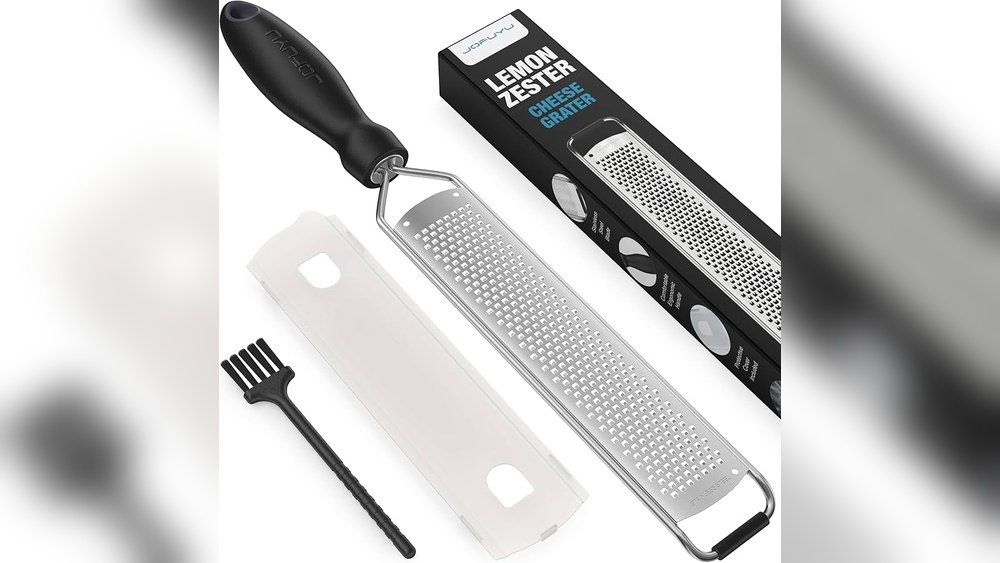
Finger guards fit around your fingers and create a barrier. They stop the zester blade from touching your skin. Some zesters come with built-in covers for the blade. These covers protect your fingers when the tool is not in use. Using guards and covers reduces the risk of cuts significantly.
Safe Gripping Methods
Hold the fruit firmly but keep your fingers away from the blade. Use the tips of your fingers to grip the fruit, not the pads. Move the zester in a steady, controlled motion. Avoid applying too much pressure, which can cause slips. Proper grip helps maintain control and avoid accidents.
Using Protective Gloves
Wear thin, cut-resistant gloves for extra safety. These gloves allow you to feel the fruit while protecting your skin. They are especially useful for beginners or those with sensitive skin. Gloves also improve grip, making zesting easier and safer. Always choose gloves that fit well and feel comfortable.
Maintaining Your Zester
Maintaining your zester is key to safe and effective use. A well-cared-for zester works better and lasts longer. Proper cleaning, sharpening, and storage protect both the tool and your fingers. Follow simple steps to keep your zester in top shape.
Cleaning Tips And Tools
Clean your zester right after use. Food bits can get stuck in the small holes. Use a soft brush or toothbrush to remove residue gently. Avoid using harsh scrubbers that can damage the blades. Rinse with warm water and dry thoroughly to prevent rust.
Sharpening And Blade Care
Dull blades make zesting unsafe and difficult. Sharpen your zester regularly with a fine metal file or sharpening stone. Move the file gently along the blade’s edge, following its shape. Do not press too hard to avoid damage. Keep blades dry and oil lightly to prevent rust.
Proper Storage Solutions
Store your zester in a safe place to protect its blades. Use blade guards or covers if available. Keep it separate from other utensils to avoid dulling or injury. Magnetic strips or hanging hooks work well for easy access. Always store in a dry area to prevent corrosion.
Common Mistakes To Avoid
Zesting adds fresh flavor to many dishes. Yet, mistakes can cause injuries or ruin the zest. Avoiding common errors ensures safe and effective zesting. Small actions protect your fingers and keep your tool sharp.
Using The Wrong Tool
Using an unsuitable tool increases risk of cuts and slips. Avoid box graters or dull peelers for zesting. Choose a proper zester with sharp, fine blades. This keeps zest uniform and reduces accidents.
Applying Excessive Pressure
Pressing too hard can cause the zester to slip. It also damages the fruit and tool. Use light, steady strokes instead. Let the sharp blades do the work. This method provides better control and safety.
Ignoring Wear And Tear
Dull blades require more force and cause slips. Regularly check your zester for damage or dullness. Replace or sharpen blades if needed. Proper maintenance keeps zesting safe and easy.
Additional Safety Hacks
Extra safety steps make using a zester easier and protect your fingers. Small changes in storage and handling can stop accidents. These tips help keep your kitchen safe and your zest fresh.
Using Magnetic Strips For Storage
Magnetic strips hold your zester off counters and drawers. This keeps blades dry and sharp. Hanging zesters on strips also avoids accidental cuts when reaching inside drawers. Place the strip in a spot you use often. This keeps your tool within reach but out of harm’s way.
Keeping Zesters Dry
Dry zesters last longer and work better. After washing, dry the zester immediately with a towel. Avoid leaving it in a wet sink or dish rack. Moisture can dull the blades and cause rust. Store the zester only when completely dry to stay safe and effective.
Safe Zesting Alternatives
Try safe tools if zesting feels tricky. Some zesters have protective covers to shield fingers. Silicone or plastic zesters offer less sharp edges but still work well. You can also use a vegetable peeler to create thin strips safely. These options reduce the chance of cuts while zesting.
Credit: www.fredmeyer.com
Frequently Asked Questions
What Is The Correct Way To Use A Zester?
Hold the fruit steady, zest only the colorful outer peel, and avoid the bitter white pith. Move the zester gently across the surface. Keep fingers clear of the sharp edges. Clean the zester immediately after use to maintain sharpness and hygiene.
How Can I Stop Lemon Zest From Sticking To My Grater?
Rinse and dry the lemon before zesting. Apply light pressure and zest slowly. Use a clean, sharp grater for best results. Wipe the grater often to prevent buildup.
How To Safely Zest A Lemon?
Wash the lemon thoroughly. Hold it steady on a flat surface. Use a sharp zester, scraping only the yellow peel. Keep fingers clear of blades. Zest gently to avoid injury.
Should Lemons Be Washed Before Zesting?
Yes, always wash lemons thoroughly before zesting to remove dirt, pesticides, and wax for safe, clean zest.
Conclusion
Using a zester safely protects your fingers from cuts. Always hold the fruit firmly and zest slowly. Keep your tools clean to avoid slipping or accidents. Store your zester with blade covers to keep it sharp. Practicing these simple safety tips makes zesting easier and safer.
Enjoy fresh zest without worries or injuries. Safety first, zest with confidence every time.

Hi, I’m Emma Carter, a passionate home cook with over 12 years of hands-on experience in home kitchens. I love testing kitchen tools, trying new recipes, and helping everyday cooks make smarter buying decisions. Every review and guide I write is based on real cooking experience, practical testing, and honest opinions, not marketing claims.