Simple Zester Cleaning Steps for Hygienic and Fresh Kitchen Tools
You love adding fresh zest to your dishes, but cleaning your zester? That’s a different story.
If you’ve ever struggled with tiny bits of zest stuck in those sharp little holes, you know how frustrating it can be. You want your zester clean and ready to use again without dulling the blades or spending ages scrubbing.
Luckily, there are simple, effective ways to clean your zester quickly and safely. Keep reading, and you’ll discover easy tricks that save your time, protect your tools, and keep your kitchen sparkling. Your zesting game is about to get a whole lot easier!
Cleaning Right After Use
Cleaning your zester right after use keeps it ready for the next time. Food bits can stick tightly if left too long. Immediate cleaning saves effort and keeps your kitchen tools hygienic.
Rinse Under Warm Water
Hold the zester under warm running water. The warmth helps loosen stuck particles. Rinse both sides carefully to remove all zest pieces. This quick step prevents buildup and makes deeper cleaning easier.
Brush The Back With A Stiff Brush
Use a stiff brush to clean the back of the zester. This area often traps fine bits of zest and pulp. Brush gently but firmly to clear out these tiny pieces. Avoid using soft sponges that won’t reach into the grooves.
Avoid Hardening By Prompt Cleaning
Do not let zest dry on the tool. Dry zest hardens quickly and becomes tough to remove. Clean your zester immediately after use to stop hardening. This keeps the grater sharp and ready for the next job.

Credit: www.reddit.com
Dealing With Stubborn Residue
Stubborn residue on a zester can be tricky to remove. Small bits of zest often get stuck in the tiny holes and blades. Cleaning these areas requires a bit more effort and the right technique. Using simple household items and proper methods can restore your zester quickly.
Soak In Warm Soapy Water
Fill a bowl with warm water and add a few drops of dish soap. Submerge the zester and let it soak for 10 to 15 minutes. This softens stuck-on zest and loosens residue. After soaking, the cleaning process becomes easier and less time-consuming.
Use Sponge In Blade Direction
Take a soft sponge or brush and clean the zester along the blade’s direction. Scrubbing against the blades can damage the tool and push residue deeper. Gentle strokes remove stuck zest without harming the sharp edges. Rinse under running water to wash away loosened particles.
Lemon And Salt Scrubbing Hack
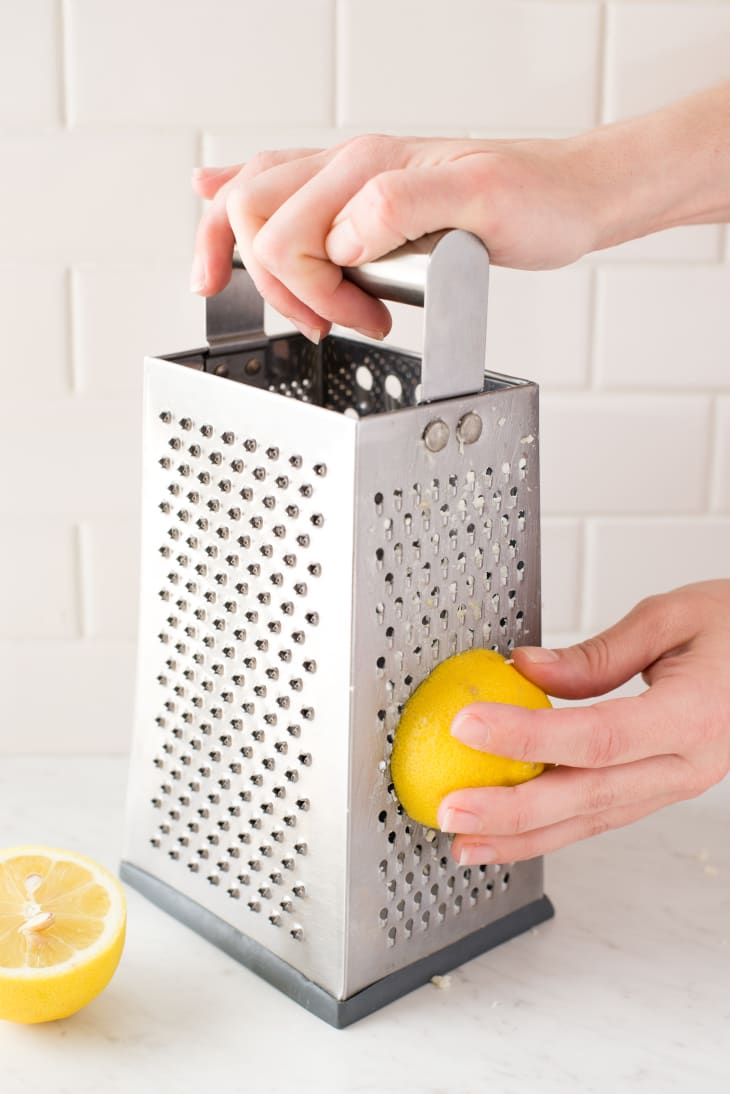
Cut a lemon in half and sprinkle salt on the cut surface. Use the lemon half to scrub the zester’s blades. The acidity of lemon breaks down residue while salt acts as a mild abrasive. This natural method cleans and deodorizes your zester without harsh chemicals.
Tools And Techniques
Cleaning a zester needs the right tools and careful methods. Proper care keeps the blades sharp and the tool safe to use. Using the wrong cleaning items can damage the zester and reduce its life.
Choosing The Right Brush
Select a small brush with firm, but gentle bristles. A toothbrush works well. It fits into the tiny holes and removes stuck zest easily. Avoid metal brushes as they can scratch and dull the blades.
Safe Scrubbing To Protect Blades
Scrub the zester carefully to avoid bending or dulling the sharp edges. Use light pressure and brush along the blade direction. Rinse often to clear loosened bits. This method cleans well and keeps the tool in good shape.
Avoiding Sponge Damage
Sponges can harm the zester by getting stuck in holes or wearing down blades. Avoid using rough or abrasive sponges. Instead, use a brush or soft cloth to clean. This prevents damage and makes cleaning easier.
Dishwasher Tips
Cleaning your zester properly keeps it sharp and ready to use. Using a dishwasher can save time and effort. Follow these tips to clean your zester safely in the dishwasher.
When To Use Dishwasher
Place your zester in the dishwasher only if it is dishwasher-safe. Check the manufacturer’s instructions before washing. Stainless steel zesters usually handle dishwashers well. Avoid putting wooden or plastic handles in the dishwasher. They may crack or warp from heat and water.
Skip Heat Drying Cycle
Turn off the heat drying cycle to protect your zester. High heat can damage the metal and handle. Let your dishwasher air dry instead. Air drying prevents rust and keeps your zester in good shape longer.
Handwash For Longevity
Handwashing your zester extends its life. Use warm water and mild dish soap. Scrub gently with a soft brush to remove small bits of zest. Rinse well and dry immediately with a towel. This method keeps the blade sharp and prevents rust better than the dishwasher.
Preventing Zest From Sticking
Preventing zest from sticking to your zester makes cleaning easier and speeds up zesting. Little tricks keep the zest from clumping on the blades. This section shares simple tips to keep your zester working smoothly and cleanly.
Pick Fresh Citrus
Choose fresh citrus fruits with firm, tight skin. Old or soft fruits have loose skin that sticks more. Fresh skin flakes off easily without clogging the zester. Using fresh fruit saves time and effort during zesting.
Wrap Grater With Greaseproof Paper
Wrap the grater surface with a piece of greaseproof paper. Press it tightly around the zesting side. The paper stops the zest from sticking to metal teeth. Peel off the paper to remove the zest quickly and clean the grater faster.
Light Oil Coating On Blades
Apply a thin layer of cooking oil on the blades before zesting. Use a paper towel to spread oil evenly. The oil creates a smooth surface that stops zest from sticking. Wipe the blades after use to remove oil and zest residue.
Credit: www.thekitchn.com
Maintaining Sharpness And Hygiene
Maintaining the sharpness and hygiene of your zester ensures it works efficiently and lasts longer. A sharp zester cuts zest cleanly without crushing the fruit’s skin. Cleanliness prevents old zest bits from building up and affecting flavor or safety. Proper care keeps your tool ready for any recipe.
Avoid Pressing Too Hard
Pressing too hard dulls the zester’s blades quickly. Use gentle pressure to remove zest in thin strips. This protects the sharp edges and prevents damage. Light, steady strokes work best to keep the tool effective.
Regular Cleaning Routine
Rinse the zester immediately after use to stop zest from drying. Use warm water and mild soap to wash away oils and particles. A soft brush helps remove stuck bits without harming the blades. Dry the zester fully to avoid rust and bacteria.
Disassemble For Deep Cleaning
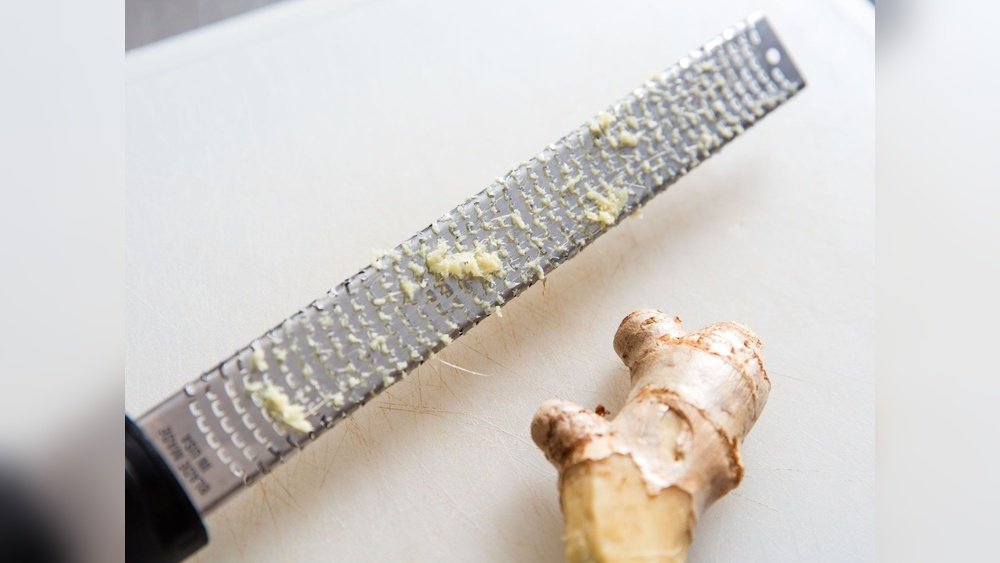
Take apart the zester if possible for a thorough clean. Separate the blade section from the handle carefully. Soak parts in warm, soapy water to loosen tough residue. Use a small brush or toothpick to clear tiny holes. Rinse well and dry each part before reassembling.
:max_bytes(150000):strip_icc()/microplane--grater-zester-d6369ce18920469688dc2306af835d9b.jpg)
Credit: www.seriouseats.com
Frequently Asked Questions
How Do You Wash A Zester?
Rinse the zester under warm water immediately after use. Scrub with a stiff brush or toothbrush to remove bits. For stubborn residue, soak in warm, soapy water, then gently scrub along the blades to avoid dulling. Dry thoroughly before storing.
How To Get The Zest Off A Zester?
Rinse the zester under warm water immediately after use. Use a stiff brush or toothbrush to remove zest particles. For stubborn residue, soak in warm, soapy water, then scrub gently along the blade’s direction. Dry thoroughly before storing to prevent rust and buildup.
How Can I Stop Lemon Zest From Sticking To My Grater?
Dry your lemon before zesting to reduce moisture. Lightly oil the grater or wrap it with clingfilm. Zest gently without pressing hard. Clean the grater immediately after use to prevent sticking.
Can You Take Apart A Sifter To Clean It?
Yes, you can take apart some sifters by turning the collar left to release the screen for thorough cleaning.
Conclusion
Cleaning your zester regularly keeps it sharp and ready to use. Warm water and a small brush remove stuck bits easily. Avoid letting zest dry on the tool to save time. Using a lemon to scrub the blades can help clean naturally.
Taking care of your zester extends its life and improves zest quality. Simple steps make cleaning quick and effective every time. Keep zesting fresh and flavorful with a clean, well-maintained zester.

Hi, I’m Emma Carter, a passionate home cook with over 12 years of hands-on experience in home kitchens. I love testing kitchen tools, trying new recipes, and helping everyday cooks make smarter buying decisions. Every review and guide I write is based on real cooking experience, practical testing, and honest opinions, not marketing claims.