Usage Guide Zester – Master Citrus Zesting Easily
Have you ever wondered how to bring a burst of fresh flavor to your dishes with just a simple tool? Your zester is the secret weapon you might be overlooking.
Whether you’re adding a hint of citrus to your dessert or infusing your meals with aromatic spices, knowing how to use a zester properly can transform your cooking. In this guide, you’ll discover easy, step-by-step tips to master your zester and unlock new tastes that will impress your family and friends.
Ready to make your kitchen creations shine? Let’s dive into the ultimate usage guide for your zester.
Types Of Zesters
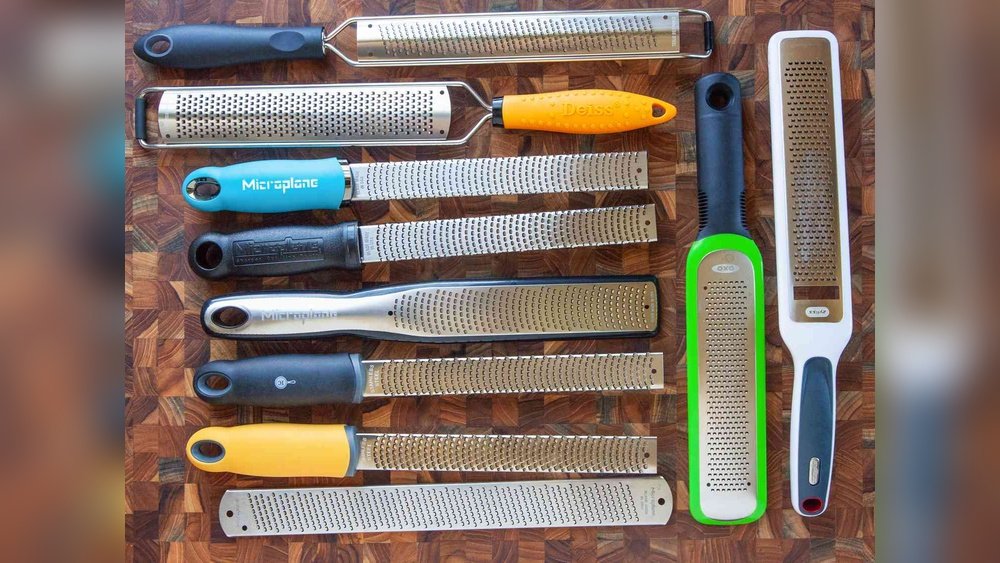
Zesters come in different styles to suit various kitchen tasks. Each type offers unique features for zesting citrus and other ingredients. Understanding these types helps you choose the right tool for your cooking needs.
Classic Zester
The classic zester has small, sharp holes arranged in a line. It removes thin strips of zest without the bitter white pith. This tool is lightweight and easy to handle. It works well for garnishing dishes or adding zest to recipes.
Microplane Grater
The microplane grater has fine, sharp blades on a flat surface. It creates very fine zest or grated spices like nutmeg. This zester is popular for its speed and precision. It fits comfortably in the hand for controlled zesting.
Box Grater Zester
The box grater zester is a multi-sided tool with different grating sizes. One side usually serves as a zester with small holes. It offers versatility in the kitchen beyond zesting. This tool is ideal for zesting and shredding larger amounts.
Choosing The Right Citrus
Choosing the right citrus fruit is key to getting the best flavor from your zester. Each type offers unique zest with distinct taste and aroma. Picking the correct fruit helps you enhance your dishes perfectly. Here is a simple guide to help you select the ideal citrus for zesting.
Lemons
Lemons give a bright, sharp flavor that works well in many recipes. Their zest is fragrant and slightly tangy. Use lemons for dressings, desserts, and marinades. The peel is thin, making zesting easy and quick. Avoid the white pith as it tastes bitter.
Oranges
Oranges add a sweet and fragrant zest to your dishes. Their zest is thicker and sweeter than lemon zest. Use orange zest in baking, sauces, and cocktails. The bright orange color of the peel looks attractive in dishes. Be careful not to include the bitter white pith.
Limes
Limes offer a fresh and tangy zest perfect for many cuisines. Their zest is more intense than lemons or oranges. Use lime zest in Mexican, Thai, and Caribbean recipes. It adds a zesty kick to drinks and desserts. Zest only the outer green layer to avoid bitterness.
Other Citrus Fruits
Try zesting other citrus fruits like grapefruits, tangerines, or pomelos. Grapefruit zest is slightly bitter but fragrant. Tangerines have a sweet, mild zest that works well in desserts. Pomelo zest is thick and aromatic, ideal for savory dishes. Always avoid the white pith to keep zest flavorful.
Prepping Citrus For Zesting
Preparing citrus properly is key for great zesting results. Clean fruit ensures fresh, flavorful zest. Proper prep also protects your zester and keeps your workspace tidy.
Washing And Cleaning
Rinse citrus under cool water before zesting. Use your hands to rub the surface gently. This removes dust and loose dirt. Do not use soap or harsh chemicals.
Removing Dirt And Wax
Many fruits have wax coatings to stay fresh longer. Wipe citrus with a cloth soaked in warm water. For stubborn wax, use a mix of water and vinegar. Rinse well after to remove any residue.
Setting Up Your Workspace
Find a clean, well-lit area to zest. Place a cutting board or plate to catch the zest. Keep your zester and a bowl nearby. This setup makes zesting easier and faster.

Credit: www.amazon.com
Techniques For Effective Zesting
Zesting adds fresh flavor and aroma to many dishes. Using the right techniques makes zesting easier and more effective. Follow these simple tips to get the best results with your zester. Each step helps you extract the bright, flavorful outer peel without the bitter parts.
Holding The Fruit
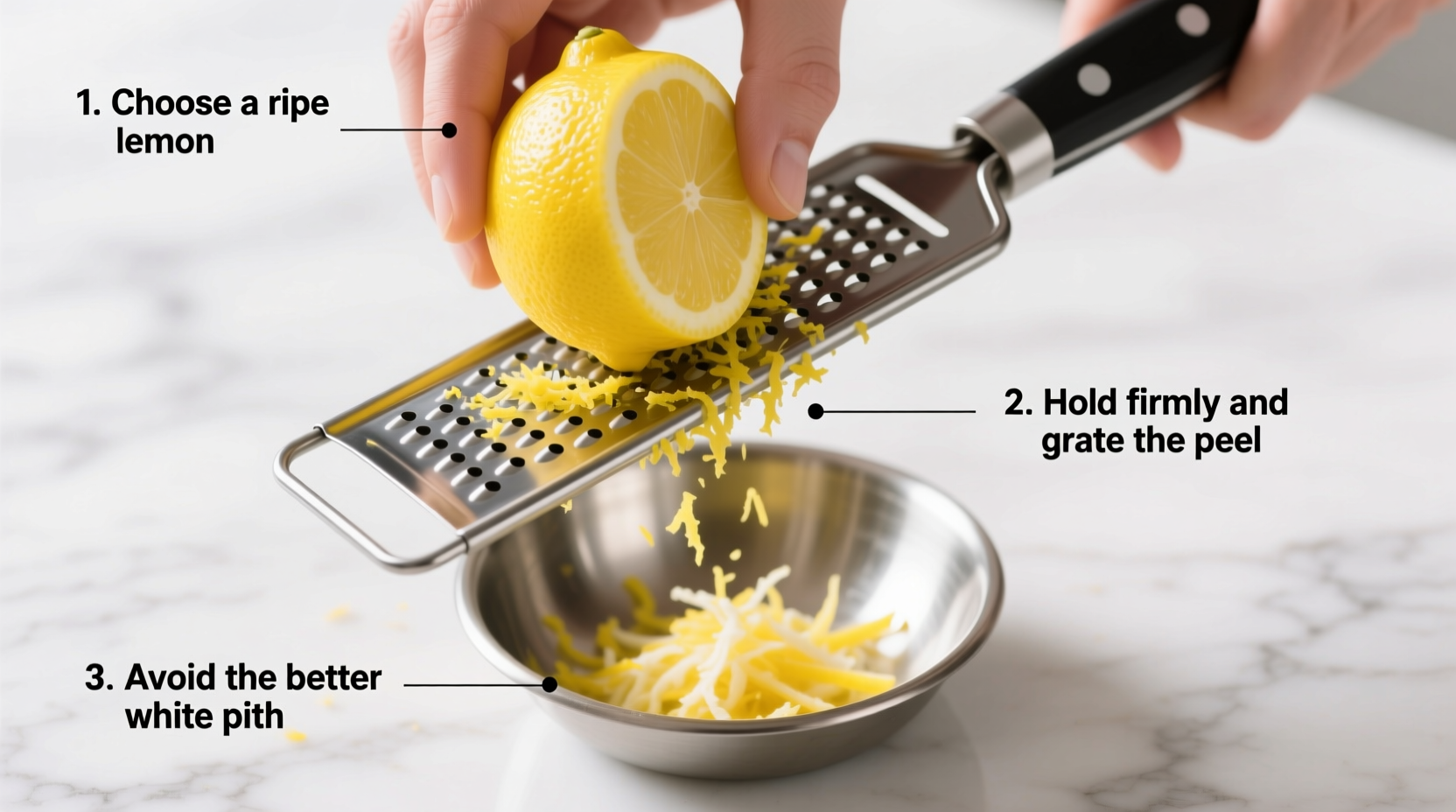
Hold the fruit firmly in one hand. Use your other hand to hold the zester. Keep the fruit steady to avoid slipping. A stable grip ensures safety and control. It also helps you zest evenly across the peel. Use a towel if the fruit feels slippery.
Zesting Motion And Pressure
Move the zester in a downward motion, from top to bottom. Use gentle, even pressure to scrape the peel. Pressing too hard may remove the bitter white pith. Let the sharp edges of the zester do the work. Smooth, long strokes give consistent zest strips.
Avoiding The Pith
The white part under the peel is called the pith. It tastes bitter and can spoil your dish. Focus on zesting only the thin colored layer. Stop zesting as soon as you see white. Shallow strokes help you avoid the pith. Check the fruit often to prevent over-zesting.
Creating Strips Vs. Fine Zest
Use the larger holes on your zester to make strips. These strips are great for garnishes or infusions. For fine zest, use a microplane or fine grater. Fine zest blends well into batters and sauces. Choose the style based on your recipe’s need. Both add fresh citrus flavor beautifully.
Using Different Zesters
Different zesters offer unique ways to add fresh flavor and aroma to dishes. Choosing the right tool depends on the texture and amount of zest you want. Each zester works best with specific techniques.
How To Use A Classic Zester
A classic zester has small holes with sharp edges. Hold the fruit firmly in one hand. Pull the zester across the peel gently from top to bottom. Avoid the white part under the peel, called pith. The thin strips of zest add bright citrus flavor. Rinse the zest before using it in recipes.
Mastering The Microplane
The microplane is a fine grater with tiny sharp blades. Hold it at an angle over a bowl or cutting board. Rub the fruit gently along the blades. Use long, even strokes to get fine zest. The microplane works well for lemons, limes, and hard spices. Clean it carefully to avoid dulling the blades.
Zesting With A Box Grater
A box grater has multiple grating sides, including a fine one for zesting. Choose the smallest holes for zesting. Hold the fruit steady and move it up and down against the grater’s fine side. Use light pressure to remove only the colored peel. This method is good when you don’t have a dedicated zester.
Credit: www.alibaba.com
Creative Uses For Citrus Zest
Citrus zest offers bright, fresh flavors that lift many dishes. It adds a burst of aroma and taste. Using zest creatively enhances your cooking and baking. It works well beyond just desserts and drinks. Explore simple ways to use citrus zest in your kitchen.
Enhancing Baked Goods
Add zest to cakes, muffins, or cookies for a fresh twist. It brightens flavors without extra sweetness. Mix zest into batter or sprinkle on top before baking. Citrus zest pairs well with vanilla, almond, and spices. It creates a subtle but noticeable flavor boost.
Flavoring Beverages
Use zest to flavor teas, cocktails, and homemade lemonades. Drop strips of zest into hot water or drinks for a citrus aroma. It freshens plain water or sparkling drinks with natural oils. Zest adds depth to coffee or herbal infusions too. It gives a vibrant, zesty note to any beverage.
Garnishing Dishes
Sprinkle zest over salads, seafood, or grilled vegetables. It adds color and a fragrant touch to plated meals. Use fine zest to finish sauces or soups for a hint of citrus. Zest brightens heavy dishes and balances rich flavors. A little zest goes a long way to enhance presentation and taste.
Infusing Oils And Sugars
Combine zest with olive oil for a citrus-infused dressing. Let the zest sit in oil for several days to transfer flavor. Mix zest with sugar to create flavored sugar for baking or drinks. Store zest-infused sugar in an airtight container for weeks. These infusions add a subtle citrus note to many recipes.
Cleaning And Maintaining Your Zester
Keeping your zester clean and well-maintained ensures it works perfectly every time. Dirt, juice, and tiny pieces of zest can stick to the blade. This buildup can dull the sharp edges and affect the tool’s performance. Regular cleaning removes residue and protects the metal. Proper care also prevents rust and keeps your zester safe to use.
Removing Residue
Rinse your zester immediately after use. Warm water helps loosen stuck bits. Use a soft brush to clean between the small holes. Avoid using harsh scrubbers that can damage the blade. For tough residue, soak the zester in warm soapy water for a few minutes. Dry it thoroughly with a clean cloth after washing.
Preventing Rust
Keep your zester dry at all times. Moisture causes rust and weakens metal. After washing, dry the tool completely before storing. Avoid leaving the zester in a damp sink or wet sponge. Use a cloth to wipe off any water spots. If rust appears, gently scrub with a baking soda paste and rinse well.
Storage Tips
Store your zester in a dry, safe place. Use a protective cover or case if available. Keep it away from other sharp tools to avoid damage. Hanging the zester can help air circulate and keep it dry. A clean, dry drawer or utensil holder works well to keep your tool ready for use.
Troubleshooting Common Issues
Troubleshooting common issues with your zester helps keep it working well. Small problems can stop zesting smoothly. Knowing simple fixes saves time and frustration. This guide covers typical problems and easy solutions. Follow these tips to improve your zesting experience.
Zester Clogging
Zesters can clog with thick citrus skin or pulp. Clogged holes reduce zesting speed and quality. To clear clogging, tap the zester gently on a hard surface. Use a small brush or toothpick to remove stuck bits. Rinse the zester under warm water after each use. Dry it fully to avoid rust and clogging.
Uneven Zesting
Uneven zest happens when pressure varies or the angle is wrong. Hold the citrus fruit steady and move the zester in smooth strokes. Keep the zester flat against the fruit’s surface. Avoid pressing too hard, which can remove bitter white pith. Rotate the fruit as you zest for even coverage. Practice makes your zest lines neat and consistent.
Handling Soft Or Overripe Citrus
Soft or overripe citrus peels easily squish under the zester. This can cause uneven zest or clogging. Use gentle pressure and shorter strokes on soft fruit. Chill the citrus in the fridge before zesting to firm the peel. If the fruit is very soft, try zesting smaller sections at a time. Clean the zester more often to avoid buildup from soft pulp.
Alternatives To Zesting Tools
Not everyone owns a zester, but zesting citrus fruits is still easy. Several kitchen tools can replace a zester. These alternatives help you get fresh, flavorful zest for your recipes. They also work well in a pinch or if you want to try different techniques. Below are some simple methods to zest without a traditional zester.
Using A Vegetable Peeler
A vegetable peeler can remove thin strips of citrus peel quickly. Hold the fruit steady and peel off thin layers of the colored skin. Avoid the white pith beneath the peel, as it tastes bitter. After peeling, you can finely chop the strips to use as zest. This method works best for larger citrus like oranges or grapefruits.
Knife Techniques For Zest
A sharp knife lets you zest by carefully slicing off the peel. Cut thin slivers of the outer layer, avoiding the pith. Then, chop the slivers finely to create zest pieces. This technique requires steady hands and patience. It is perfect for small tasks and precise control over zest size. Practice helps improve speed and safety.
Grating With Other Kitchen Tools
Other graters can also produce zest. Use the fine side of a box grater or the smallest holes on a cheese grater. Rub the citrus fruit gently over the grater’s surface to catch only the outer skin. Be careful not to grate too deep into the white part. Clean the grater well after use to prevent flavors mixing.

Credit: www.amazon.com
Frequently Asked Questions
What Is The Correct Way To Use A Zester?
Hold the fruit firmly and scrape the zester from top to bottom, removing only the colored peel. Avoid the bitter white pith. Rotate the fruit to zest evenly. Use gentle pressure to create fine strips or zest curls. Clean the fruit before zesting for best flavor and hygiene.
Do You Leave The Peel Of Orange On For Zest?
Yes, zest only the bright orange outer peel of the orange. Avoid the bitter white pith beneath the peel.
Do You Peel A Lemon Before Zesting?
Do not peel a lemon before zesting. Only grate the outer yellow layer, avoiding the white bitter pith underneath.
How To Use The Zester Side Of A Grater?
Hold the fruit firmly and gently rub it against the zester side. Move in long strokes, avoiding the white pith. Rotate the fruit to zest evenly. Collect the fine zest for recipes. Clean the zester after use to maintain sharpness.
Conclusion
Using a zester brings fresh flavors to any dish. Always zest gently to avoid the bitter white pith. Clean the fruit well before zesting for the best taste. Practice makes perfect, so don’t worry about mistakes. A zester is a simple tool that adds zest and zest alone.
Enjoy experimenting with different fruits and recipes. Keep your zester sharp and clean for easy use. Small steps lead to big flavor improvements in your cooking.

Hi, I’m Emma Carter, a passionate home cook with over 12 years of hands-on experience in home kitchens. I love testing kitchen tools, trying new recipes, and helping everyday cooks make smarter buying decisions. Every review and guide I write is based on real cooking experience, practical testing, and honest opinions, not marketing claims.