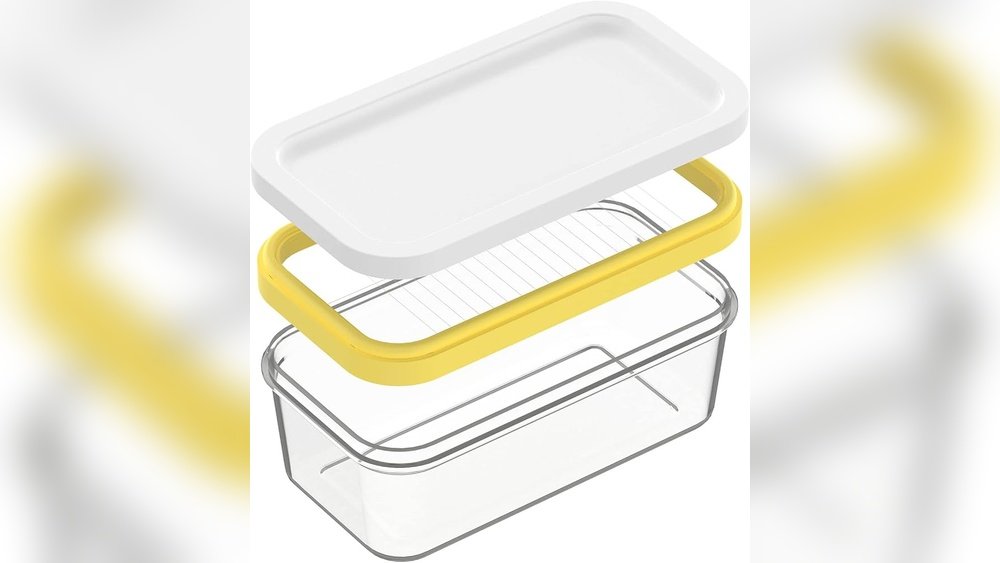
How to Store Butter Cutter for Freshness & Longevity
If you love butter but hate dealing with messy slices or hard-to-spread chunks, knowing how to store your butter cutter properly can make all the difference in your kitchen. You want your butter cutter ready to use at any time, keeping your butter fresh, easy to slice, and perfectly spreadable.
In this guide, you’ll discover simple and effective tips to store your butter cutter so it stays clean, functional, and your butter stays delicious. Keep reading to learn the secrets to hassle-free butter slicing and storage—you’ll wonder how you ever managed without them!
Choosing The Right Butter Cutter
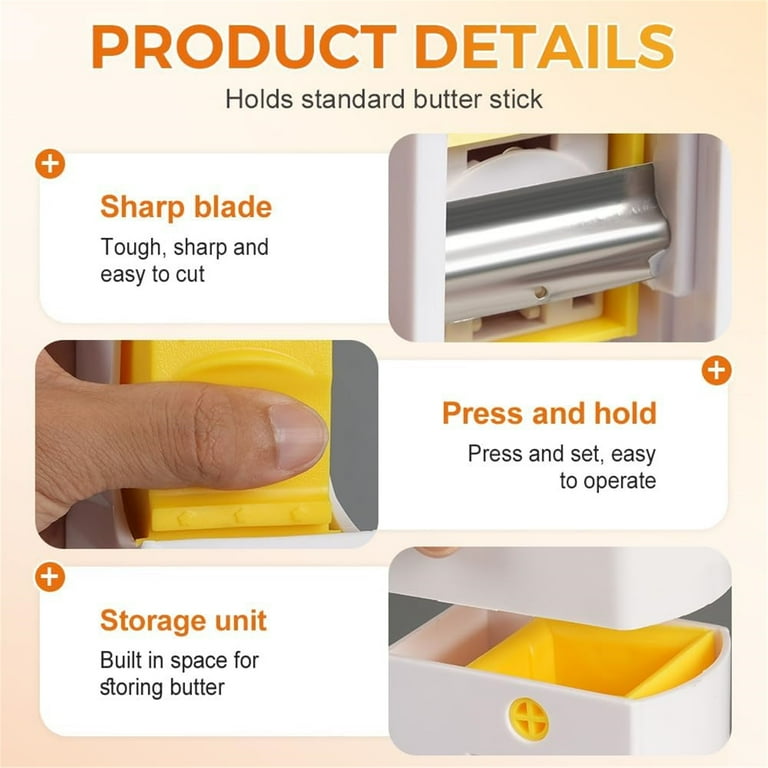
Butter cutters come in different types. Some have built-in blades for easy slicing. Others use simple slots for shaping butter pats. Plastic and stainless steel are common materials used. Plastic is lightweight and affordable. Stainless steel lasts longer and is easy to clean. Durability matters if you cut butter often.
The size of the cutter helps control portions. Small cutters make thin slices for spreads. Larger cutters create bigger pats for cooking or baking. Choose a size that fits your butter block and needs. This keeps your butter fresh and easy to use.
Credit: www.walmart.com
Preparing Butter For Storage
Cut butter into even slices to keep it fresh longer. Use a sharp knife or a butter cutter for clean edges. Thin slices help the butter cool evenly and stay soft.
Wrap each slice in parchment or wax paper. This prevents butter from sticking together and protects it from air and odors. Paper also makes it easy to grab one portion at a time.
Divide butter into small, convenient portions. This helps with quick use and reduces waste. Store wrapped slices in an airtight container or butter dish to keep freshness.
Best Containers For Butter Cutters
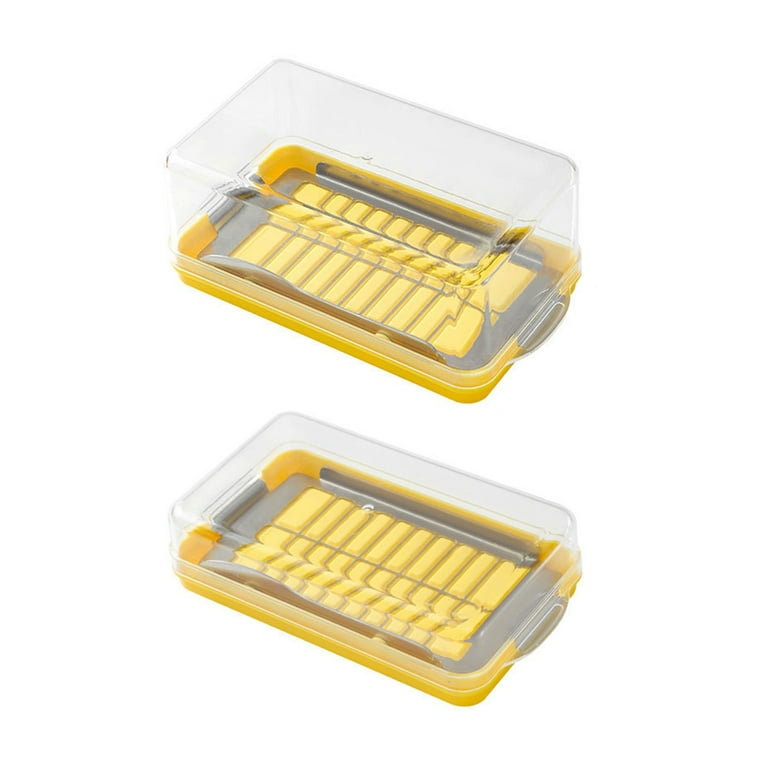
Airtight butter dishes keep butter fresh by blocking air and moisture. They prevent butter from absorbing fridge odors. Most dishes come with a lid that seals tightly. Choose dishes made of glass or ceramic for easy cleaning.
Butter bell crocks use water to keep butter soft and fresh without refrigeration. The crock holds water in the base, creating an airtight seal with the butter inside. Remember to change the water every few days for best results. Place the crock away from heat and sunlight.
| Storage Type | Advantages | Disadvantages |
|---|---|---|
| Plastic | Lightweight, inexpensive, often airtight | Can absorb odors, less durable |
| Stainless Steel | Durable, odor resistant, stylish | Can be heavier, usually more expensive |
Credit: www.walmart.com
Ideal Storage Locations
Keep butter cutters away from heat and sunlight. Heat can melt butter and change its taste. Sunlight makes butter go bad faster. Store the butter cutter in a cool, shaded spot in the kitchen.
On the countertop, use a butter dish with a lid to protect the butter from air and dust. Make sure the spot is not near the stove or oven. This helps keep butter fresh and soft enough to spread easily.
| Refrigerator Placement | Why It Helps |
|---|---|
| Store butter cutter in the coldest part | Keeps butter firm and fresh longer |
| Avoid door shelves | Door opens often, causing temperature changes |
| Use airtight containers or wrap tightly | Prevents butter from absorbing fridge odors |
Maintaining Butter Freshness
Change the water in your butter bell every 2 to 3 days. This keeps the butter fresh and stops it from getting sour. Use clean, cool water for best results.
To avoid butter falling into the water, fill the water just below the rim of the bell. Make sure the butter fits snugly in the top part of the bell. This helps keep the butter dry and fresh.
| Signs of Spoiled Butter |
|---|
| Off smell: Butter smells sour or rancid. |
| Change in color: Yellow butter turns grey or has dark spots. |
| Texture: Butter feels slimy or too hard. |
| Taste: Butter tastes bitter or strange. |
Extending Butter Longevity
Freezing butter cuts helps keep them fresh for longer. Wrap each piece tightly with plastic wrap or parchment paper to avoid freezer burn. Place wrapped butter in an airtight container or a sealed freezer bag to prevent odors from affecting the butter’s taste. Label the container with the date to track storage time. Butter can last up to six months in the freezer without losing quality.
Using airtight containers is key to maintaining butter’s flavor and texture. Choose containers that close tightly to keep air and moisture out. Store the container in the refrigerator, away from strong-smelling foods. This prevents butter from absorbing unwanted odors and flavors.
Proper wrapping methods protect butter from drying out and absorbing fridge smells. Use wax paper, parchment paper, or plastic wrap for wrapping. Wrap butter snugly, covering all sides. Then place the wrapped butter inside an airtight container or resealable bag for extra protection.
Common Mistakes To Avoid
Storing butter near heat sources like stoves or direct sunlight makes it melt quickly. This causes butter to become soft and lose flavor. Keep butter in a cool, dark place to maintain freshness.
Using non-airtight containers lets air reach the butter. This makes it dry and can cause it to absorb other smells. Always choose containers that seal tightly to keep butter fresh longer.
Cutting butter too early exposes it to air and bacteria. It can spoil faster if left out too long after cutting. Cut only the amount you need and store the rest properly.

Credit: www.amazon.com
Tips From European Butter Storage
European butter often has higher butterfat content. This helps it stay fresh longer without refrigeration. Butter with more fat resists spoiling and keeps its flavor better.
Many Europeans keep butter on the counter. They use special containers that protect butter from air and light. These containers help keep butter soft and spreadable.
Soft butter is easier to spread on bread or toast. It melts quickly and blends well in recipes. Storing butter at room temperature keeps it soft, especially with the right container.
Conclusion
Storing your butter cutter properly keeps butter fresh and easy to use. Always keep it in a cool place, away from sunlight and heat. Use airtight containers or wraps to prevent air exposure. Change water regularly if using a butter bell.
These simple steps help maintain butter’s taste and texture. Enjoy smooth, spreadable butter every time you slice. Proper storage saves butter and reduces waste. Keep your butter cutter clean and dry for best results. Simple care goes a long way in the kitchen.

Hi, I’m Emma Carter, a passionate home cook with over 12 years of hands-on experience in home kitchens. I love testing kitchen tools, trying new recipes, and helping everyday cooks make smarter buying decisions. Every review and guide I write is based on real cooking experience, practical testing, and honest opinions, not marketing claims.