Don’t Pick the Wrong Size Can Opener! Find the Perfect Fit Every Time
Finding the right can opener might seem simple, but have you ever struggled with one that just won’t fit your cans or feels uncomfortable to use? Your choice of can opener can make a big difference in your kitchen routine.
Whether you’re dealing with tiny tuna cans or large bulk containers, picking the perfect size and type can save you time and frustration. In this size guide for can openers, you’ll discover how to match your opener to your cans perfectly, making every meal prep smoother and safer.
Keep reading to find the ideal can opener that fits your needs, and say goodbye to wrestling with stubborn lids forever.
Can Opener Types
Can openers come in various types to suit different needs. Each type offers unique features and benefits. Choosing the right one depends on how often and what kind of cans you open.
Understanding the main can opener types helps find the best fit for your kitchen or business. Here is a breakdown of the most common can openers.
Manual Can Openers
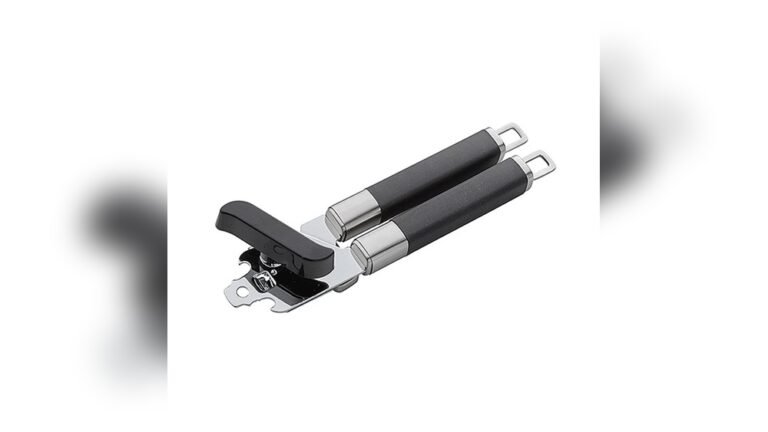
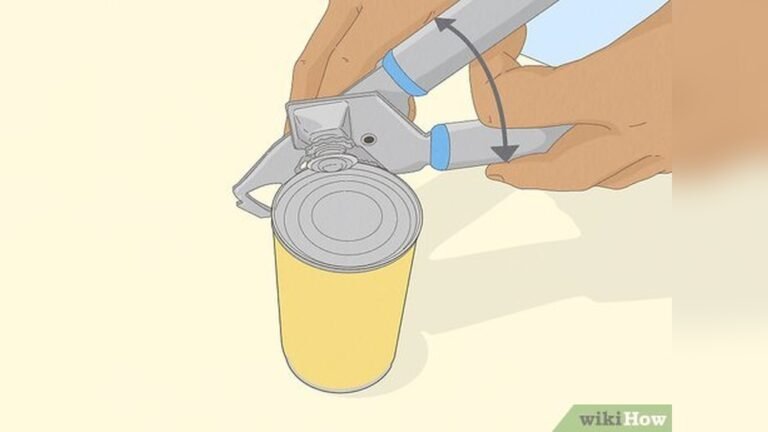
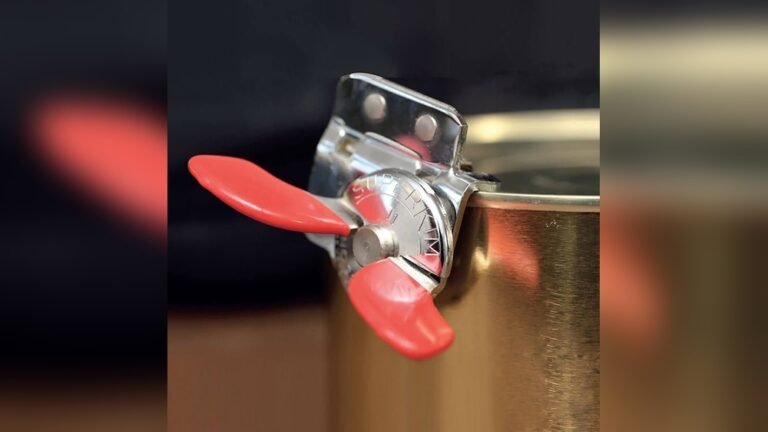
Manual can openers are the simplest and most common type. They require hand power to twist the handle and cut the lid. These openers are affordable and easy to use. They work well for small kitchens and occasional use. Many models feature comfortable grips to reduce hand strain. Manual openers are portable and need no electricity.
Electric Can Openers
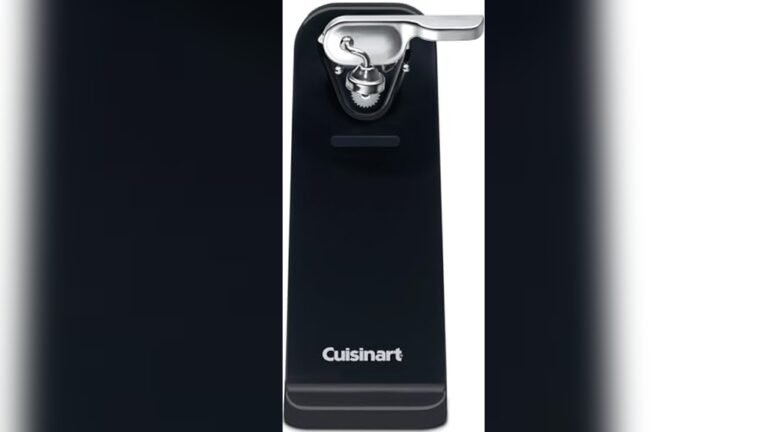
Electric can openers offer convenience and speed. They automatically cut the lid with minimal effort. These are great for people with limited hand strength. Electric models are perfect for busy kitchens and daily use. They often come with extra functions like knife sharpeners. Electric can openers plug into a power source or use batteries.
Commercial Can Openers
Commercial can openers are designed for heavy-duty use. They handle large cans and high volume opening. These openers are common in restaurants and food service. They can be manual or electric but are built to last. Commercial models often feature sturdy metal construction. Some mount to counters for stability during use.
Specialty Can Openers
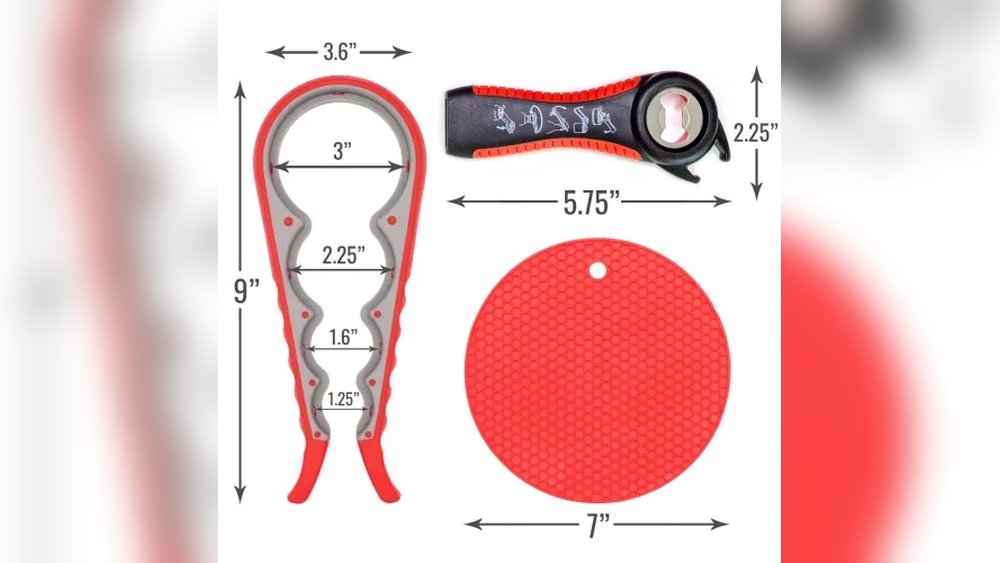
Specialty can openers serve unique purposes beyond standard cans. Examples include crown cork openers and safety lid removers. Some are made for jars or cans with unusual shapes. These openers target specific tasks to make opening easier. Specialty types are handy tools for niche kitchen needs. They add versatility to your food prep tools.
Credit: www2.parklanejewelry.com
Sizing Your Can Opener
Sizing your can opener correctly ensures smooth and safe can opening. A can opener that fits well saves time and effort. It also prevents damage to cans and reduces mess. Knowing how to measure cans and match your opener helps find the best fit. Adjustable features on some openers add convenience. This section explains how to size your can opener properly.
Measuring Can Dimensions
First, measure the diameter of the can’s lid. Use a ruler or tape measure for accuracy. Measure across the top from one edge to the other. Also, check the height of the can for taller cans. Some can openers work better with specific can heights. Write down these dimensions before buying an opener.
Matching Opener Size To Can
Select a can opener designed for your can size. Many openers list the maximum can diameter they fit. Choose one that covers your can’s measurement. For small cans, look for compact openers. Large cans need heavy-duty or commercial openers. Matching size prevents slippage and makes cutting easy.
Adjustable Features
Some can openers come with adjustable parts. These allow fitting different can sizes with one tool. Adjustable gears or clamps hold cans firmly. This feature increases versatility in the kitchen. Check if the opener’s adjustment range matches your cans. Adjustable openers offer more flexibility and convenience.
Features To Consider
Choosing the right can opener means knowing what features matter most. These features affect how well the opener works and how comfortable it feels. A good can opener should be simple to use, safe, strong, and designed for comfort. Consider these key features before buying.
Ease Of Use
A can opener should open cans quickly and with little effort. Look for models with smooth turning handles or automatic functions. Easy-to-use openers reduce hand strain and speed up kitchen tasks. Simple controls make the opener friendly for all users.
Safety Mechanisms
Safety is critical when handling sharp can lids. Choose a can opener with features that keep fingers away from blades. Some openers cut lids cleanly without leaving sharp edges. Others include locking mechanisms to hold cans firmly. These features prevent accidents and injuries.
Durability And Materials
Strong materials like stainless steel last longer and resist rust. Durable openers handle many cans without breaking. Check for sturdy construction and quality parts. A well-made can opener saves money by avoiding frequent replacements.
Ergonomic Design
Comfort is important for frequent use. Ergonomic designs fit well in the hand and reduce fatigue. Look for padded handles or soft grips. These make turning easier and protect your hands during use. Good design improves the overall experience.
Credit: www.etsy.com
Choosing For Specific Needs
Choosing the right can opener depends on your unique needs. Some require ease of use, while others need durability or space-saving features. Understanding these factors helps pick the best tool for your kitchen tasks.
Seniors And Arthritis-friendly Models
Can openers designed for seniors focus on comfort and ease. They often have large, easy-grip handles that reduce hand strain. Smooth turning mechanisms make opening cans simple and less painful. These models help maintain independence in the kitchen.
Heavy-duty Options For Commercial Use
Commercial can openers handle high volumes and tough cans. They feature strong blades and sturdy construction to last long. Some models clamp onto tables for stability during heavy use. These openers save time and effort in busy kitchens.
Compact Openers For Small Kitchens
Compact can openers suit kitchens with limited space. These models are small, lightweight, and easy to store. Despite their size, they work efficiently for everyday tasks. Ideal for apartments or travel, they keep your kitchen clutter-free.
Popular Brands And Models
Choosing the right can opener depends on your needs and preferences. Popular brands offer various models that suit different kitchen tasks. Some focus on manual operation, while others provide electric convenience. Commercial-grade openers serve heavy-duty demands in busy kitchens. Below are some well-known brands and models in these categories.
Top Manual Can Openers
OXO Good Grips is a favorite for manual can openers. Their design fits comfortably in hand and cuts smoothly. Kuhn Rikon also makes reliable manual openers with sharp blades. Another trusted brand is KitchenAid, known for durable and ergonomic models. These openers work well for everyday use and small to medium cans.
Best Electric Can Openers
Hamilton Beach offers electric can openers that operate quietly and fast. Cuisinart models feature one-touch operation and safety shutoff. Black+Decker openers combine compact size with strong performance. These electric openers handle cans of various sizes with ease. They are ideal for users who want quick and effortless opening.
Highly Rated Commercial Openers
VEVOR manufactures heavy-duty commercial can openers designed for large cans. Edlund is another brand known for robust, professional-grade openers. These models often include table clamp features for stability. They can handle frequent use in restaurants or cafeterias. Commercial openers offer long-lasting durability and high efficiency.
Credit: www.etsy.com
Maintenance And Care
Proper maintenance and care keep your can opener working smoothly. Regular attention prevents rust and keeps the blade sharp. This extends the tool’s life and makes opening cans easier. Follow these simple steps for cleaning, sharpening, and storage.
Cleaning Tips
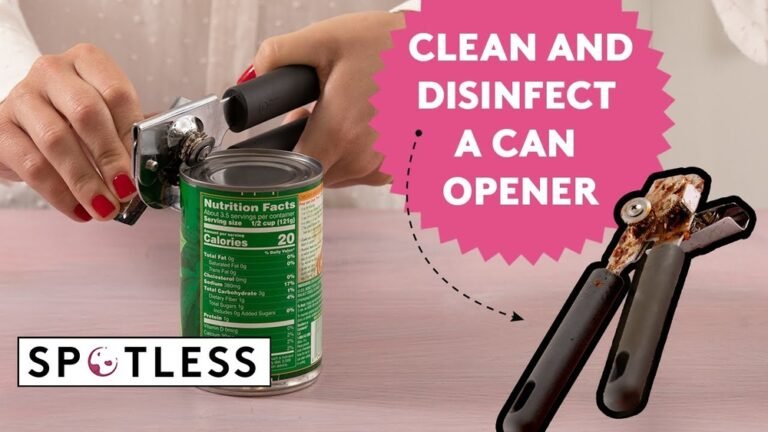
Clean your can opener after every use. Wipe away food residue with a damp cloth. Use warm, soapy water to remove sticky buildup. Avoid soaking the entire opener to protect the mechanism. Dry it thoroughly to stop rust from forming. Clean the cutting wheel carefully to keep it sharp.
Sharpening And Replacement Parts
Check the blade regularly for dullness. A dull blade can tear cans and cause spills. Use a sharpening tool designed for can openers to restore the blade. Replace worn or damaged parts promptly to maintain performance. Many models have replacement cutting wheels and gears available.
Storage Solutions
Store your can opener in a dry place. Avoid humid areas to prevent rust. Use a kitchen drawer or hang it on a hook. Keep it away from heavy items that could bend the tool. Proper storage helps keep your can opener ready for use every time.
Troubleshooting Common Issues
Troubles with can openers can disrupt your kitchen routine. This guide helps solve common problems quickly. Follow simple steps to fix issues and keep your can opener working well.
Difficulty Cutting Through Lids
Blunt blades cause trouble cutting through lids. Check if the blade is sharp and clean. Rust or food buildup can block the blade. Clean your can opener regularly with warm, soapy water. For dull blades, consider replacing the can opener or blade part. Press down firmly but avoid forcing the opener. Use the right size can opener for your cans to avoid trouble.
Can Opener Jamming
Jamming happens when the gears or blade get stuck. Food crumbs and sticky residue build up inside the opener. Clean the gears and blade after each use. Apply a small drop of food-safe oil to the gears to keep them moving smoothly. Avoid twisting the handle too fast or hard. If jamming continues, check for damaged parts and replace if needed.
Lid Removal Problems
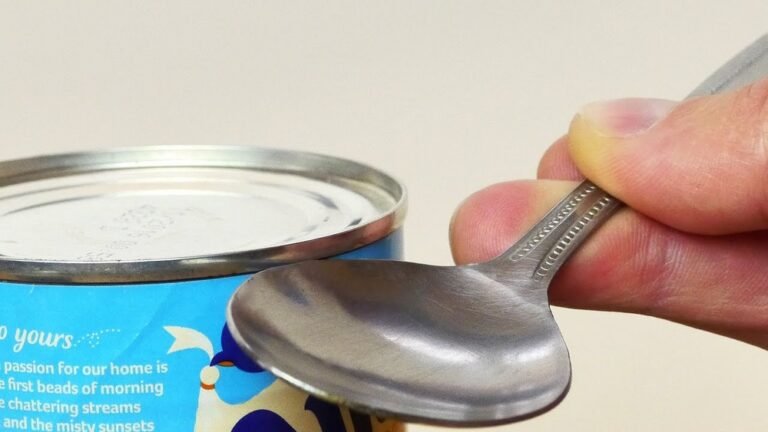
Sometimes lids don’t come off easily or get stuck. This can happen if the blade cuts unevenly. Make sure to align the blade properly before starting. Remove the lid slowly to avoid sharp edges. Use a spoon or butter knife to help lift the lid if stuck. Avoid pulling the lid by hand to prevent injury. Regular maintenance keeps lid removal smooth and safe.
Frequently Asked Questions
Are All 10 Cans The Same Size?
Most 10 cans share standard dimensions, but slight size variations exist due to manufacturer differences. Always check specific measurements.
What Is The Difference Between A 1 And 2 Can Opener?
A 1 can opener fits smaller cans with a 1-inch flange. A 2 can opener suits larger cans with a 1. 25-inch flange.
Can Opener For Size 10 Can?
A heavy-duty manual or electric can opener designed for large cans works best for size 10 cans. Choose one with strong leverage and adjustable height for easy opening.
How To Choose A Can Opener?
Choose a can opener based on can size, ease of use, durability, and safety features. Manual or electric options suit different needs.
Conclusion
Choosing the right can opener size makes kitchen tasks easier. Always check your cans before buying. A properly sized opener saves time and effort. This guide helps you pick the best fit. Use it to avoid frustration and spills. Keep your kitchen efficient and safe with the right tool.
Simple choices lead to better cooking experiences every day.

Hi, I’m Emma Carter, a passionate home cook with over 12 years of hands-on experience in home kitchens. I love testing kitchen tools, trying new recipes, and helping everyday cooks make smarter buying decisions. Every review and guide I write is based on real cooking experience, practical testing, and honest opinions, not marketing claims.