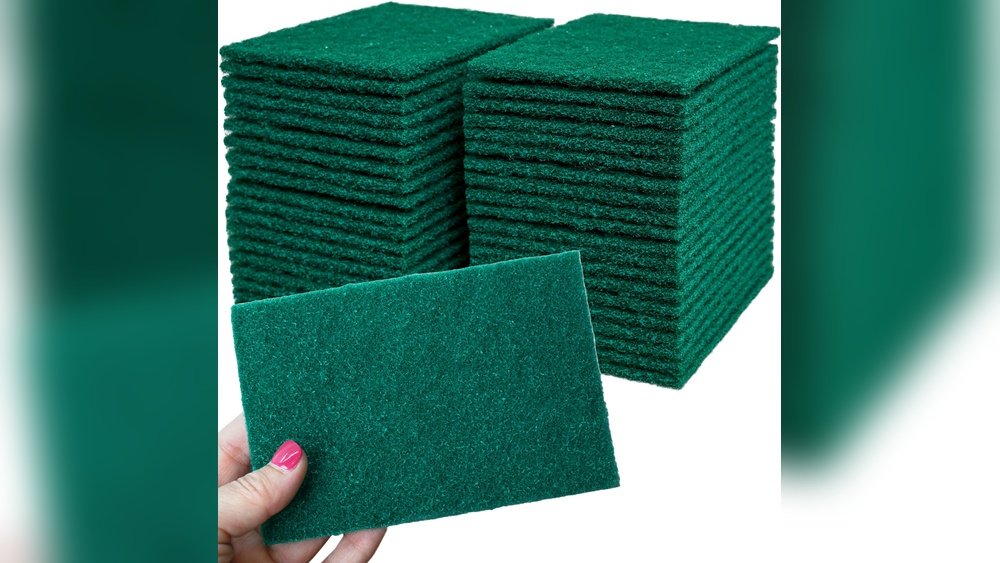
Sponge Scouring Pad Washing | How to Clean for Deep & Hygienic Results
Are your sponge scouring pads looking grimy or smelling unpleasant? You rely on these handy cleaning tools every day to tackle tough messes in your kitchen, but if they’re not properly cleaned, they can become a breeding ground for bacteria.
Keeping your sponge scouring pads fresh and sanitized isn’t just about hygiene—it also helps them last longer and work better. You’ll discover simple, effective ways to wash and maintain your scouring pads so they stay clean, safe, and ready for your next cleaning challenge.
Ready to transform your cleaning routine? Let’s dive in!
Types Of Scouring Pads
Scouring pads come in various types, each designed for specific cleaning needs. Choosing the right pad helps protect surfaces and improves cleaning results. Below are common types of scouring pads used in kitchens and households.
Non-scratch Sponges
Non-scratch sponges are gentle on delicate surfaces. They clean without leaving marks or damage. These sponges work well on glass, non-stick pans, and plastics. They are ideal for everyday cleaning tasks that require care.
Copper And Metal Pads
Copper and metal pads are strong and rough. They remove tough grime and burnt food easily. These pads suit heavy-duty cleaning on pots and grills. Avoid using them on fragile surfaces to prevent scratches.
Flextexture Foam Pads
FlexTexture foam pads change texture with water temperature. Cold water makes them firm for scrubbing. Warm water softens them for gentle cleaning. These pads offer versatility and protect surfaces effectively.

Credit: www.amazon.com
Common Uses For Scouring Pads
Scouring pads are versatile tools found in many kitchens. They help clean a variety of surfaces and items. Their design allows for different levels of scrubbing power. Many people use them daily for both light and heavy cleaning tasks. Understanding their common uses helps you choose the right pad for each job.
Gentle Cleaning Tasks
Scouring pads work well for gentle cleaning. They remove light dirt and grime without scratching surfaces. Use them on dishes, glassware, and countertops. The softer side of the pad is perfect for these tasks. It cleans effectively without damaging delicate items.
Tough Scrubbing Jobs
Stubborn stains and baked-on food require tougher scouring pads. These pads have a rough texture that scrapes off grime quickly. Use them on pots, pans, and grills. They handle grease and burnt food with ease. Always check if the surface can tolerate the rough scrubbing first.
Delicate Surfaces
Some surfaces need extra care during cleaning. Scouring pads with very soft materials work best here. They clean without scratching or dulling finishes. Use them on non-stick cookware, stainless steel, and plastic. These pads keep delicate surfaces looking new and shiny.
Daily Cleaning Techniques
Keeping your sponge scouring pad clean daily helps it last longer and stay effective. Dirt and bacteria can build up quickly without proper care. Simple daily cleaning techniques remove grime and keep your pad fresh. Use these easy steps after each use to maintain cleanliness and hygiene.
Rinsing After Use
Rinse your sponge pad thoroughly under hot running water. Squeeze it several times to remove food particles. Hot water helps wash away oils and debris. Rinsing keeps your sponge ready for the next cleaning task. Let it drain in a well-ventilated area to dry completely.
Soap And Water Soaking
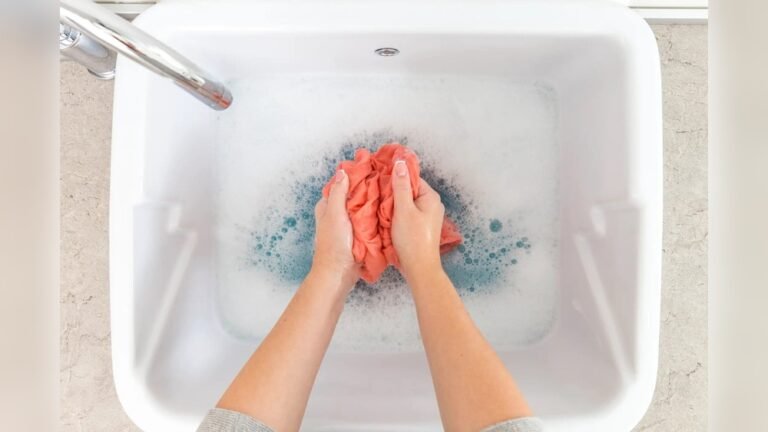
Fill a bowl with warm water and mild dish soap. Soak your sponge scouring pad for about five minutes. The soap loosens grease and kills some bacteria. After soaking, rinse the sponge well to remove soap residue. Squeeze out excess water and allow it to air dry.
Vinegar Solutions
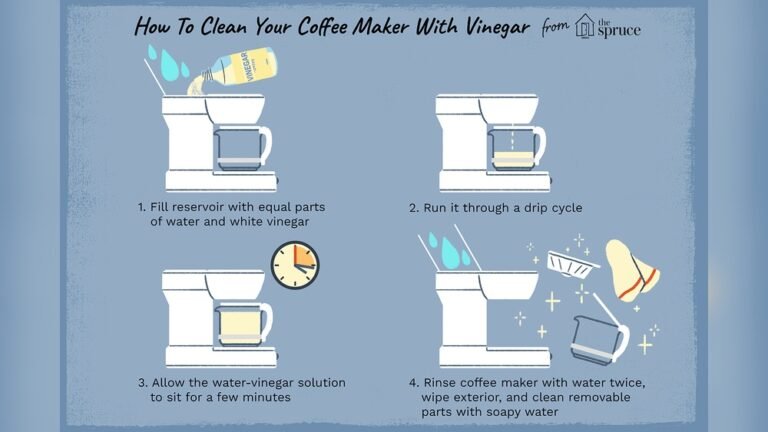
Use white vinegar for a natural disinfectant soak. Mix equal parts vinegar and warm water in a container. Soak the sponge pad for 10 minutes to kill germs and odors. Rinse thoroughly afterward to remove vinegar smell. This method keeps your sponge clean without harsh chemicals.
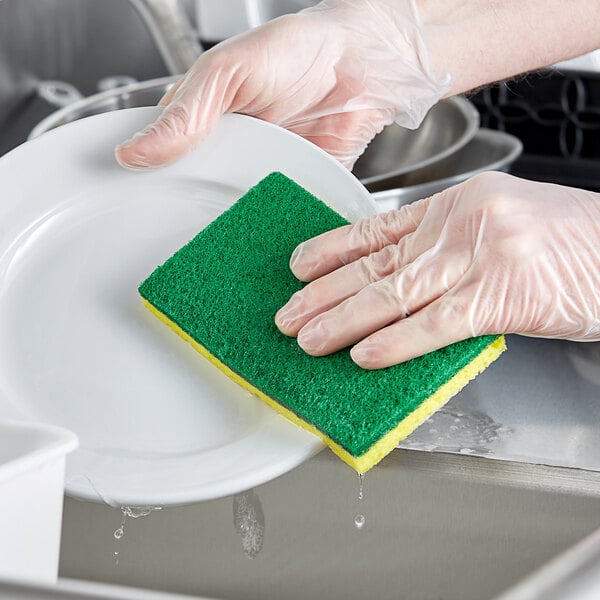
Credit: www.webstaurantstore.com
Deep Cleaning Methods
Deep cleaning methods remove dirt and bacteria from sponge scouring pads. These methods extend the life of your pads and keep them hygienic. Proper cleaning also prevents bad odors and cross-contamination in your kitchen.
Use these easy techniques to sanitize your sponge scouring pads regularly. They are simple and effective ways to keep your cleaning tools fresh and safe.
Boiling For Sanitization
Boiling is a quick way to kill germs in sponge scouring pads. Place the pad in boiling water for about five minutes. This process kills most bacteria and removes buildup.
After boiling, let the sponge cool down before handling. Squeeze out excess water and air dry the pad fully. Avoid boiling pads with metal parts as they may get damaged.
Microwave Disinfection
Microwave disinfection uses heat to sanitize wet sponge pads. Wet the pad completely and place it in the microwave. Heat it on high for one to two minutes.
Be careful when removing the pad; it will be hot. Let it cool before using. This method kills germs and dries the sponge quickly, reducing bacteria growth.
Using Bleach Safely
Bleach disinfects sponges effectively but needs careful use. Mix one tablespoon of bleach with one gallon of water. Soak the sponge pad in this solution for five minutes.
Rinse the pad thoroughly with clean water after soaking. Avoid using bleach on pads with metal or sensitive surfaces. Always handle bleach with gloves and work in a well-ventilated area.
Avoiding Common Mistakes
Cleaning a sponge scouring pad is simple but easy to mess up. Avoiding common mistakes helps your pads last longer and work better. Follow safe and smart steps for washing and drying. This keeps the pads clean and stops bad smells or germs.
Washing Machine Risks
Putting scouring pads in the washing machine is risky. They soak up too much water and get damaged. The machine’s heat and spinning can break the pad apart. This also can harm your washing machine. Hand washing is safer and keeps pads in good shape.
Overusing Harsh Chemicals
Strong chemicals can break down the sponge fibers fast. Using too much bleach or detergent makes the pad wear out. It also may leave harmful residues. Mild soap or natural cleaners clean well without damage. Use only a small amount for the best results.
Ignoring Drying Needs
Wet sponges breed bacteria and smell bad. Leaving pads damp for a long time causes mold. Always squeeze out water and air dry fully. Place pads in a sunny, dry spot for quick drying. Proper drying keeps pads fresh and safe to use.
Extending Pad Lifespan
Extending the lifespan of your sponge scouring pads saves money and reduces waste. Taking simple steps can keep pads effective longer. Proper care prevents early wear and tear. This section covers how to store pads, rotate their use, and know when to replace them.
Proper Storage Tips
Store sponge scouring pads in a dry place after use. Avoid leaving them wet or in a damp sink. Water causes bacteria and mold growth, breaking down the pad. Use a rack or holder that allows air circulation. Keep pads away from harsh chemicals that can degrade material.
Rotating Pads
Use more than one pad and rotate them regularly. This practice allows pads to dry fully between uses. It also reduces constant wear on a single pad. Rotating pads keeps each one fresher and cleaner for longer periods.
When To Replace
Replace pads when they start to fall apart or smell bad. A worn-out pad will not clean well and may scratch surfaces. If the scouring side peels or tears, it is time to get a new one. Regular replacement ensures effective cleaning and hygiene.
Eco-friendly Cleaning Alternatives
Eco-friendly cleaning alternatives help reduce waste and protect the planet. They offer safer, greener ways to keep your sponges and scouring pads clean. These methods save water, cut down on chemicals, and extend the life of your cleaning tools.
Choosing natural, biodegradable, and reusable options lowers your environmental impact. This approach supports a healthier home and a cleaner Earth.
Natural Soaking Agents
Natural soaking agents like vinegar and baking soda work well to clean sponges. Vinegar kills bacteria and removes odors effectively. Baking soda helps lift dirt and grime without harsh chemicals.
Soaking your scouring pads in these agents keeps them fresh and safe. This method avoids toxic substances that harm the environment and your health.
Biodegradable Pads
Biodegradable scouring pads break down naturally after use. They are made from plant fibers or other eco-friendly materials. These pads reduce plastic waste and landfill buildup.
Using biodegradable options supports sustainable cleaning habits. They offer strong scrubbing power without polluting the planet.
Reusable Options
Reusable cleaning pads save money and reduce waste. Some pads can be washed and reused many times before needing replacement. This cuts down on single-use sponges and scouring pads.
Look for pads made from durable, washable materials. Reusable options keep your kitchen clean and your footprint small.

Credit: www.walmart.com
Frequently Asked Questions
How To Clean A Scouring Sponge?
Soak the scouring sponge in warm water with mild detergent or vinegar for 5-10 minutes. Rinse thoroughly and air dry. Avoid bleach to preserve the sponge’s lifespan.
How Long Do You Have To Boil A Sponge To Sanitize It?
Boil a sponge for 5 minutes to effectively sanitize and kill most bacteria and germs. Use gloves to handle hot water safely.
Can You Clean A Scouring Pad?
Yes, you can clean a scouring pad by soaking it in warm water with mild detergent or vinegar for a few minutes. Rinse thoroughly afterward. Avoid bleach to prevent damage. For disinfecting, heat the pad in water for five minutes, then cool before washing.
Can I Wash A Sponge In The Washing Machine?
Avoid washing sponges in the washing machine, as they absorb too much water and may get damaged. Instead, soak and clean them gently with warm water and mild detergent.
Conclusion
Keeping your sponge scouring pad clean helps prevent germs and bad smells. Regular washing extends its life and keeps it effective. Soaking in warm water with soap works well. Avoid using harsh machines that damage the pad. Simple care keeps your kitchen tools safe and ready.
Clean sponges make cleaning easier and healthier every day.

Hi, I’m Emma Carter, a passionate home cook with over 12 years of hands-on experience in home kitchens. I love testing kitchen tools, trying new recipes, and helping everyday cooks make smarter buying decisions. Every review and guide I write is based on real cooking experience, practical testing, and honest opinions, not marketing claims.