Things You Should Never Clean With All Purpose Cleaner Tips
You probably reach for your all-purpose cleaner to tackle just about every mess in your home. It’s convenient, powerful, and seems like the perfect solution for cleaning almost anything.
But here’s the thing: using it on the wrong surfaces can actually cause damage, costing you time and money down the road. Are you sure your all-purpose cleaner is safe for your stainless steel appliances, wooden furniture, or delicate electronics?
Keep reading, because knowing what NOT to clean with your go-to cleaner can save your belongings—and your wallet. Let’s uncover the surprising things you should never clean with all-purpose cleaner.
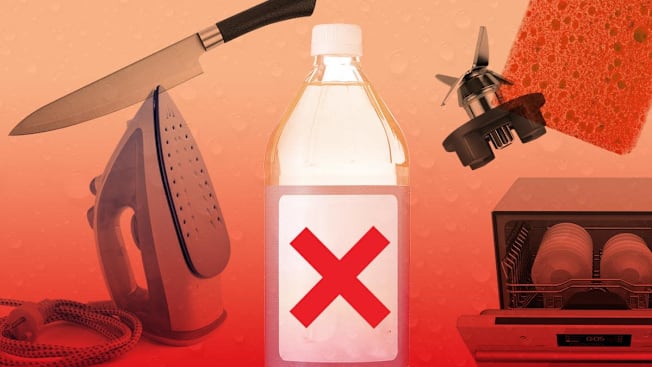
Credit: www.consumerreports.org
Surfaces Damaged By All-purpose Cleaner
All-purpose cleaners are strong and can harm delicate materials. These cleaners often contain chemicals that strip color or damage fibers. Avoid using them on soft or sensitive surfaces. Protect your valuable and fragile items by choosing gentle cleaning methods instead.
Upholstery And Fabric Damage
All-purpose cleaners can leave stains or cause colors to fade on upholstery. Fabrics may become stiff or lose their softness. Using harsh cleaners can break down fabric fibers quickly. Always test a small, hidden area first. Prefer mild detergents or fabric-specific cleaners for safe results.
Leather Cleaning Mistakes
Leather needs special care to stay soft and supple. All-purpose cleaners can dry out leather and cause cracks. They may remove the natural oils leather needs. Use products designed for leather cleaning and conditioning. Avoid water-based cleaners as they can leave watermarks on leather.
Lace And Fine Textile Care
Lace and fine textiles require gentle cleaning to prevent damage. All-purpose cleaners can cause discoloration or weaken delicate threads. Hand washing with a mild detergent is best. Avoid scrubbing or wringing these fabrics to keep their shape intact. Always air dry lace and fine textiles flat to avoid stretching.

Credit: www.tomsguide.com
:max_bytes(150000):strip_icc()/elegant-bathroom-interior-stock-photo-1341417229-ea6e840452ea4b25b60585103120a31d.jpg)
Credit: www.marthastewart.com
Frequently Asked Questions
What Not To Clean With All-purpose Cleaner?
Avoid using all-purpose cleaner on stainless steel, natural stone, wood, electronics, and glass. Use surface-specific cleaners to prevent damage and costly repairs.
What Cleaning Products Are Safe For Copd Patients?
Use natural, lung-safe cleaners like baking soda, Castile soap, salt, and isopropyl alcohol. Avoid bleach, ammonia, and strong fragrances. These products reduce respiratory irritation and help maintain air quality for COPD patients. Always ensure good ventilation during cleaning.
What Cleaner To Use On A Bath Fitter?
Use a mild, non-abrasive cleaner like dish soap mixed with warm water on a Bath Fitter surface. Avoid bleach and harsh chemicals.
What Is The 20 Minute Rule Of Cleaning?
The 20-minute rule of cleaning means spending 20 minutes daily tidying up to maintain a clean, organized space effortlessly.
Conclusion
Avoid using all-purpose cleaner on delicate or sensitive surfaces. It can cause damage to wood, stone, electronics, and stainless steel. Choose cleaners designed for each material to keep your home safe and clean. Using the right product saves money and effort.
Clean smart, not hard. Your surfaces will thank you.

Hi, I’m Emma Carter, a passionate home cook with over 12 years of hands-on experience in home kitchens. I love testing kitchen tools, trying new recipes, and helping everyday cooks make smarter buying decisions. Every review and guide I write is based on real cooking experience, practical testing, and honest opinions, not marketing claims.