Things You Should Never Wash in a Washing Machine | True Guide
Washing machines are one of those household inventions that changed daily life for millions. You simply toss your dirty clothes inside, add some detergent, press a button, and wait. But is it really that easy? Not everything is safe to clean in a washing machine.
In fact, putting the wrong items inside can ruin your belongings, break your machine, or even create safety hazards. Many people have learned this the hard way—shrinking sweaters, destroyed shoes, or even soaked electronics. If you want your clothes, accessories, and appliances to last longer (and avoid expensive repairs), it’s important to know what should never go inside your washing machine.
Below, you’ll discover a complete guide to items that should always stay out of your washer. You’ll also find practical advice, real-life examples, and tips for handling these tricky items. Let’s help you avoid costly laundry mistakes and keep your home running smoothly.
Why It Matters: Protecting Your Items And Washing Machine
The temptation to clean everything in the washer is strong. It’s fast, easy, and seems efficient. But not all materials can handle the heat, water, and agitation inside a washing machine. Some items can break down, lose their shape, or even damage the machine itself.
Washing the wrong things can cause:
- Permanent damage to clothing or household items
- Breakdowns or clogs in your washing machine
- Safety hazards, such as electrical fires or leaks
Understanding what not to wash helps you keep your belongings in good condition and prevents unexpected repair bills. Many owners don’t realize these risks until it’s too late.
Clothing And Fabrics: Handle With Care
Clothes are the most common items people wash, but not every fabric is machine-friendly. Here’s what you need to keep out of your washer.
1. Delicate Lingerie And Underwire Bras
Lace, silk, and bras with wires or padding are easily ruined in a washing machine. The agitation can bend wires, tear lace, or make padding lumpy.
Better option: Hand wash with mild detergent in cool water. Lay flat to dry. If you must use a machine, place items in a mesh bag on a gentle cycle.
2. Suits, Blazers, And Tailored Jackets
These garments often contain materials like wool, silk, or special linings. Machine washing can shrink, warp, or ruin the structure.
Tip: Always dry clean suits and tailored jackets. Check the care label for specific instructions.
3. Embellished Or Beaded Clothing
Beads, sequins, and decorative stitching can get ripped off or tangled. Even on a gentle cycle, embellishments may not survive.
Example: A 2019 consumer report found that 70% of beaded tops lost some decoration in standard home washers.
Best practice: Spot clean or hand wash only. Dry flat.
4. Leather And Suede
Washing machines can cause leather to crack and suede to lose its texture. Wetting these materials often causes stains or warping.
Recommendation: Use a specialized leather cleaner and soft cloth. Professional cleaning is safest.
5. Wool And Cashmere
These natural fibers are sensitive to heat and agitation. Machine washing may shrink or felt them, turning a large sweater into a child-sized one.
Practical advice: Hand wash with cold water and a gentle detergent. Do not wring; instead, roll in a towel and lay flat to dry.
6. Silk Garments
Silk loses color and strength when exposed to harsh wash cycles. Even a gentle machine cycle can dull the shine and cause tears.
What to do: Hand wash silk in cool water with a silk-friendly detergent.
Credit: www.goodhousekeeping.com
Footwear: Not All Shoes Are Machine-safe
Many people toss sneakers or slippers in the washer, but not all footwear can survive.
1. Leather, Suede, And Dress Shoes
Machine washing destroys glue, warps leather, and ruins finishes. Suede is especially sensitive to water.
Care tip: Spot clean with a damp cloth and appropriate cleaner. Stuff with paper to retain shape.
2. High Heels And Boots
Water can loosen adhesive and cause the soles to detach. Boots, especially with fur lining, can become lumpy and moldy.
Better method: Clean with a brush and damp cloth; let air dry.
3. Shoes With Lights, Batteries, Or Electronics
Some children’s shoes have light-up soles or sound effects. Water and electronics do not mix. Machine washing can short-circuit the electronics or cause leaks.
Insight: Always remove batteries and check for electronics before cleaning. Hand wipe the surface only.
4. Shoes With Delicate Decorations
Footwear with sequins, gems, or embroidery can lose these details in a wash.
Suggestion: Clean by hand using a soft brush and soapy water.
Household Items: Not Everything Is Washer-friendly
Washing machines are also used for sheets, blankets, and household textiles, but not all are suitable.
1. Memory Foam Pillows And Mattresses
Memory foam absorbs water and becomes very heavy. Washing machines can’t remove all the water, leading to mold and breakdown.
Best practice: Spot clean with a damp cloth and mild soap. Air dry thoroughly.
2. Weighted Blankets (with Certain Fillings)
Weighted blankets filled with glass beads or steel shot are usually safe, but those with sand or organic fillings can break open and ruin your washer.
Tip: Check the care label. If unsure, wash by hand or at a laundromat with large, commercial machines.
3. Electric Blankets And Heating Pads
Water and electricity are a dangerous mix. Even if unplugged, machine washing can damage wires and insulation, creating fire risks.
Advice: Spot clean only. If you must wash, follow the manufacturer’s instructions and never submerge the cord.
4. Curtains With Metal Rings Or Heavy Embellishments
Metal rings can catch on the drum, tear fabric, or scratch your machine. Heavy decorations can break off and get stuck.
What to do: Remove hardware before washing. Consider dry cleaning for delicate or decorated curtains.
5. Rugs With Rubber Backing
Rubber can crumble, melt, or stick to the inside of the washer. It also traps water, leading to mold.
Alternative: Shake outside to remove dirt. Spot clean or wash by hand in a bathtub.
Accessories And Small Items: Easy To Lose Or Damage
Some small items can disappear or cause damage inside your washing machine.
1. Coins, Keys, And Metal Objects
It’s easy to forget things in your pockets. Coins and keys can break your washer’s drum, jam the pump, or scratch glass doors.
Data: Appliance repair centers report that loose coins are among the top causes of washing machine repairs.
Tip: Always check all pockets and compartments before washing.
2. Jewelry And Watches
Small items can slip through holes, get stuck, or even cause short circuits in modern machines.
Recommendation: Remove all jewelry before washing clothes. Hand wash if you can’t remove a piece from clothing.
3. Pet Collars And Leashes With Metal Parts
Metal buckles or tags can scratch the inside of the machine or break off.
Safer option: Hand wash pet accessories with mild soap and water.
4. Baby Socks, Hair Ties, And Other Tiny Items
These can get sucked into the machine’s filter or disappear into the drain, causing blockages.
Solution: Use a mesh laundry bag for small items.
Items That Can Cause Machine Damage
Some things not only get ruined in the wash—they can ruin your washing machine, too.
1. Items Covered In Pet Hair
Pet hair clumps together in water and can clog drains or pumps.
Fact: Clogged filters from pet hair can cause machine breakdowns, leading to expensive repairs.
Tip: Remove as much hair as possible before washing pet bedding or hairy clothes.
2. Items With Flammable Stains
Clothes stained with gasoline, cooking oil, paint thinners, or alcohol are dangerous. Washing them can cause a fire or explosion.
Safety advice: Always pre-treat and air out these items. Wash by hand if necessary, and let dry outdoors.
3. Heavy Items Like Car Mats Or Large Backpacks
These can unbalance the washer, strain the motor, or damage the drum.
Best practice: Clean heavy items with a hose outside or at a car wash.
4. Items With Velcro
Velcro can snag on other clothes, causing pilling or tearing.
Tip: Close all Velcro fasteners and place items in a laundry bag, or wash by hand.
Credit: commerciallaundries.com
A Closer Look: Why Some Items Are Unsafe
To better understand the risks, let’s compare how different materials react in a washing machine.
| Material | Washer Risk | Best Cleaning Method |
|---|---|---|
| Leather | Cracking, warping, stains | Spot clean with leather cleaner |
| Memory foam | Water retention, mold, breakdown | Spot clean, air dry |
| Electronics | Short circuit, fire hazard | Hand wipe, avoid water |
| Wool | Shrinking, felting | Hand wash, lay flat to dry |
This table shows why it’s important to understand material-specific risks. Even a single wash can ruin certain items forever.
Common Myths About Washing Machines
Some people believe that modern washing machines can clean anything. But this isn’t true. Let’s clear up a few common myths.
Myth 1: “if It Fits, It’s Fine.”
Just because something physically fits inside the drum doesn’t mean it’s safe. Items like heavy rugs, backpacks, or even stuffed animals can cause unbalanced loads and machine damage.
Myth 2: “cold Water Makes Everything Safe.”
While cold water is gentler, it doesn’t protect delicate fabrics from agitation or spinning. Silk, wool, and embellished clothes can still get ruined.
Myth 3: “a Mesh Bag Protects Everything.”
Mesh bags are helpful but not magic. They don’t protect against water damage, shrinking, or color bleeding.
Myth 4: “washing Machines Are Self-cleaning.”
Washing machines need regular maintenance, especially if you accidentally wash something that leaves lint, hair, or residue behind.
The Cost Of Ignoring These Rules
It’s tempting to take shortcuts, but the cost can be high. According to the National Association of Home Builders, the average washing machine repair costs between $150 and $400, with drum replacements reaching $600 or more. And these numbers don’t include the cost of replacing ruined clothing or household items.
Here’s a comparison of what you might pay if things go wrong:
| Item Washed | Potential Damage | Repair/Replacement Cost |
|---|---|---|
| Leather jacket | Cracked, ruined finish | $100–$500 |
| Memory foam pillow | Mold, breakdown | $30–$100 |
| Washer drum | Dented, broken | $300–$600 |
| Embellished dress | Lost decoration | $50–$200 |
A single mistake could cost more than a year’s worth of careful hand washing.
Smart Alternatives: How To Safely Clean Tricky Items
Not everything needs to go in the washing machine. Here are safer ways to clean some common “no-wash” items:
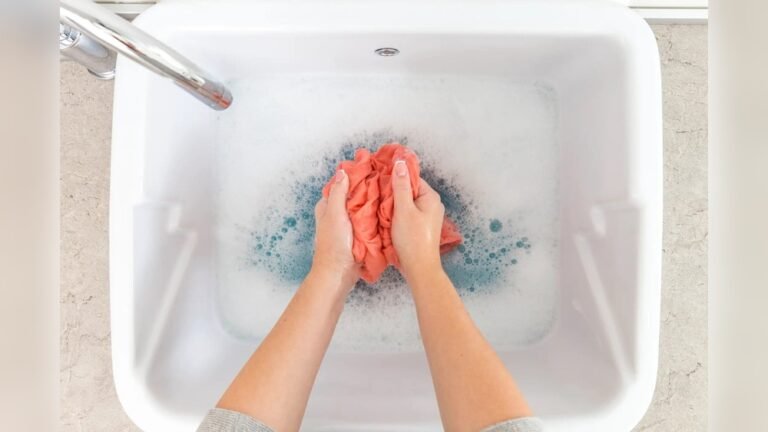
- Hand washing: Use cool water and a gentle detergent. Swish items gently, rinse, and lay flat to dry.
- Spot cleaning: Dab stains with a damp cloth and mild soap. Avoid soaking.
- Dry cleaning: For suits, jackets, and delicate dresses, use professional dry cleaners.
- Air drying: Always air out items before storing to prevent mold and odor.
- Commercial cleaning: For heavy or large items (like car mats or giant comforters), visit a laundromat with industrial machines.
:max_bytes(150000):strip_icc()/things-you-should-never-wash-in-cold-water-GettyImages-1368808428-9f7e25df071d498c9d4ff99bbaadcb81.jpg)
Credit: www.realsimple.com
Practical Tips To Prevent Washing Machine Mistakes
- Read care labels: Most clothing and household items have labels with cleaning instructions.
- Check pockets: Always look for coins, tissues, or pens before loading laundry.
- Sort laundry: Separate delicate, heavy, and decorated items from regular loads.
- Use mesh bags: For small items like socks or baby clothes.
- Don’t overload: Filling the washer too full increases the risk of damage.
Real-life Examples: When Washing Machines Go Wrong
- Shrunken sweaters: A wool sweater washed on “regular” shrank from men’s large to child’s size.
- Destroyed shoes: Sneakers with glued soles came apart after a hot cycle.
- Broken drum: A single forgotten coin cracked the washer drum, costing $400 to repair.
- Ruined bedding: A memory foam pillow turned lumpy and moldy after a wash.
Mistakes like these are common, but they’re easy to avoid with a little knowledge.
When In Doubt, Check The Manufacturer’s Website
If you’re unsure whether something is machine washable, look for advice from the item’s manufacturer. Most reputable brands post cleaning instructions online. If that’s not available, consult reliable resources like the Consumer Reports website.
Frequently Asked Questions
What Happens If I Accidentally Wash Something I Shouldn’t?
If the item is small, remove it quickly and check for damage. For electronics or heavy objects, stop the machine and call a technician if you notice any unusual noises, leaks, or errors. Clean the filter and drum as soon as possible.
Is It Ever Safe To Wash Shoes In A Washing Machine?
Some canvas sneakers without decorations or electronics are machine safe on a gentle cycle. Remove laces and insoles, and place shoes in a mesh bag. Always check the care instructions and avoid washing leather or dress shoes.
Can I Wash Pet Beds Or Blankets In My Washer?
Pet bedding is often safe if labeled machine washable, but remove as much hair as possible first. Use a lint roller or vacuum. Wash separately and clean the washer’s filter afterward.
How Do I Clean Items With Gasoline Or Oil Stains?
Never wash items with flammable stains in your machine. Let them air out outside, then spot clean with dish soap and water. If the smell remains, discard the item safely.
How Can I Avoid Losing Small Items Like Socks Or Baby Clothes?
Use a mesh laundry bag for all tiny items. This prevents them from getting stuck in the washer’s filter or disappearing during the wash.
If you keep these tips in mind, your washing machine—and your belongings—will thank you. Handle each item with care and you’ll avoid headaches, repairs, and the loss of your favorite things.

Hi, I’m Emma Carter, a passionate home cook with over 12 years of hands-on experience in home kitchens. I love testing kitchen tools, trying new recipes, and helping everyday cooks make smarter buying decisions. Every review and guide I write is based on real cooking experience, practical testing, and honest opinions, not marketing claims.