What to Look for: Electric Kettle Stainless Steel Benefits
If you want a new electric kettle for your kitchen, you probably care about speed, safety, and durability. Many people now choose stainless steel electric kettles because they are strong, look good, and make water boil fast. But not all models are the same. In this article, I’ll help you understand what to look for when buying a stainless steel electric kettle, what benefits you can expect, and which features matter most. By the end, you’ll know how to pick the right kettle for your needs and avoid common mistakes.
Why Stainless Steel Electric Kettles Are Popular
Most buyers want a kettle that lasts, is easy to clean, and keeps water safe for drinking. Stainless steel kettles deliver on all these points. Unlike plastic kettles, stainless steel does not absorb odors or flavors. It’s also more resistant to wear, stains, and rust compared to glass or ceramic options.
Within the first 100 words: If you’re searching for a kettle that’s safe, durable, and efficient, a stainless steel electric kettle is your best bet. It heats water quickly, keeps it pure, and lasts much longer than plastic or glass models.
Let’s look deeper at the key benefits and what to check before buying.
Essential Features To Check Before Buying
Buying a kettle is not just about looks. The right features can make your daily routine easier and safer. Here’s what you should check:
Capacity
Most households need a kettle with enough capacity for several cups. Standard sizes range from 1 liter (about 4 cups) to 1.7 liters (about 7 cups). If you have a large family or often host guests, choose a bigger kettle.
Power And Speed
Kettles have different wattage levels, usually from 1200W to 1800W. Higher wattage boils water faster. For example, an 1800W kettle can boil a full liter in less than 5 minutes. Lower wattage means slower boiling.
Safety Features
Safety should always come first. Look for:
- Auto shut-off: Stops the kettle when water boils.
- Boil-dry protection: Prevents the kettle from running without water.
- Cool-touch exterior: Keeps outside surface safe to touch.
Interior Material
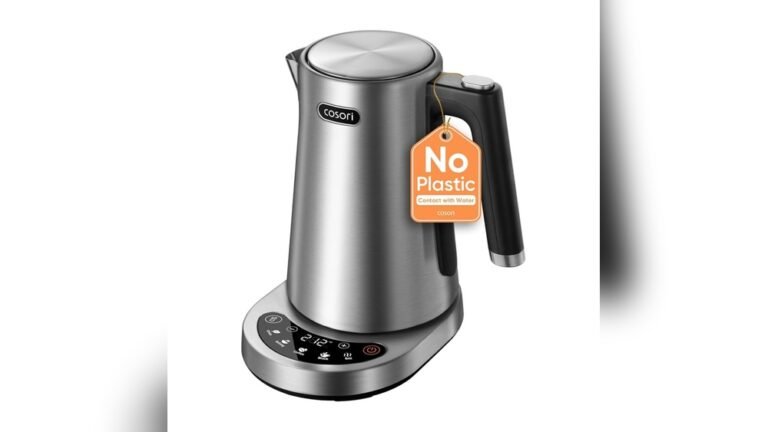
Some kettles have plastic parts inside, like lids or water-level markers. Check for “100% stainless steel interior” if you want the cleanest taste and least risk of chemicals.
Pouring And Handle Design
A well-designed handle is easy to grip and stays cool. The spout should pour smoothly, with no drips or leaks.
Cordless Vs. Corded Base
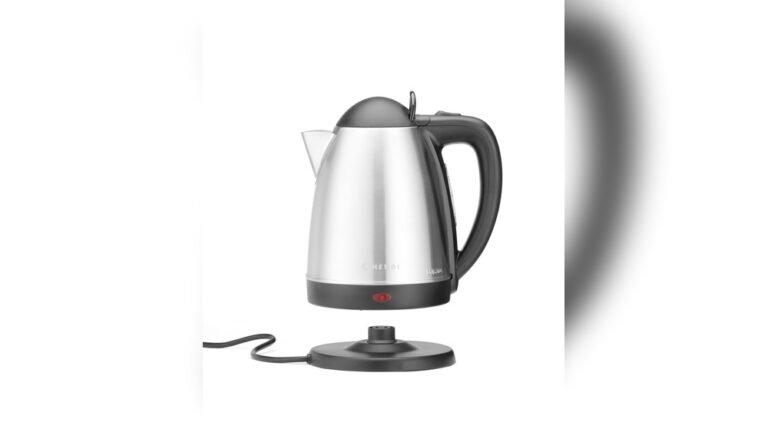
Cordless kettles sit on a base and can be lifted off easily, making pouring safer. Corded models are less popular because they are harder to handle.
Water Level Indicator
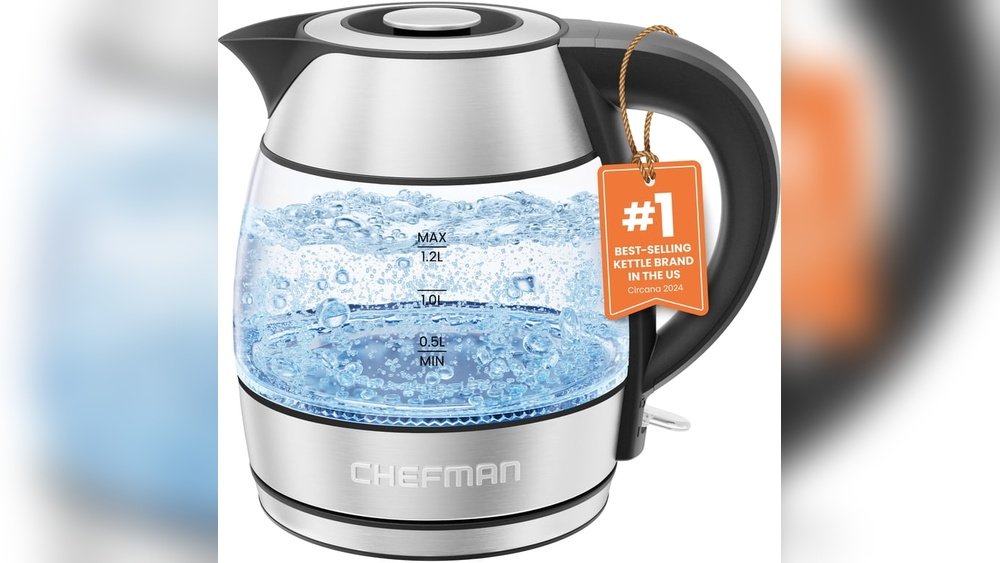
A clear window or marker lets you see how much water is inside. This helps avoid overfilling and wasting energy.
Filter
A removable filter inside the spout catches limescale and other particles. It’s useful if your tap water is hard.
Price And Warranty
Most stainless steel kettles cost between $30 and $80. Check for at least a 1-year warranty. Higher-end models may have extra features, but basic models often work just as well.

Credit: longtimelabel.com
Stainless Steel Vs. Other Materials: Comparison
Many people ask how stainless steel compares to plastic, glass, or ceramic kettles. Here’s a quick look:
| Material | Durability | Safety | Cleaning | Price Range |
|---|---|---|---|---|
| Stainless Steel | High | Excellent | Easy | $30–$80 |
| Plastic | Medium | Low (may leach chemicals) | Medium | $20–$50 |
| Glass | Medium | Good | Easy | $35–$90 |
| Ceramic | Low | Good | Harder | $40–$100 |
Stainless steel stands out for its durability and safety. Plastic kettles can release chemicals, especially if the water is boiling. Glass and ceramic are better, but break more easily.
Hidden Benefits Of Stainless Steel Electric Kettles
Some advantages aren’t obvious to first-time buyers:
- No flavor transfer: Stainless steel does not absorb flavors or smells. Your tea and coffee always taste pure.
- Resistant to limescale: Hard water causes white buildup (limescale). Stainless steel is easier to clean and doesn’t stain.
- Better heat retention: Keeps water hot longer than glass or plastic.
- Eco-friendly: Stainless steel is recyclable. It lasts longer, so you replace it less often.
Common Mistakes When Buying
Many shoppers make errors when picking a kettle. Here are some to avoid:
- Ignoring interior material: Some kettles look like stainless steel, but have plastic inside. Always check.
- Choosing style over function: Fancy design isn’t useful if the handle is slippery or the spout leaks.
- Not checking wattage: Low-power kettles take longer to boil.
- Forgetting about cleaning: Removable filters and wide openings make cleaning much easier.
- Skipping warranty info: Avoid kettles with no warranty.
Real-life Example: Choosing The Right Kettle
Let’s say you want a kettle for making tea every morning. You have hard tap water, and you don’t like plastic taste. You pick a 1.5-liter stainless steel model with a removable filter, 1800W power, and auto shut-off. After two months, you notice no strange flavors, it boils water fast, and cleaning is easy. You made the right choice because you checked the interior material, power, and safety features.
Expert Tips For Using Stainless Steel Electric Kettles
Based on my experience, here are some practical tips:
- Always fill the kettle below the max line. Overfilling can cause spills and slow boiling.
- Clean limescale monthly. Use a mix of white vinegar and water (1: 1 ratio), boil, then rinse well.
- Never boil water with the lid open. It can cause uneven heating.
- For energy savings, only boil as much water as you need.
- If your kettle has a filter, clean it every 2–4 weeks.
How Stainless Steel Kettles Support Kitchen Safety
Safety is a big concern with electric appliances. Stainless steel kettles offer:
- Cool-touch handles to prevent burns.
- Auto shut-off so you don’t need to watch the kettle constantly.
- Stable bases that prevent tipping.
- No plastic leaching, so water stays pure.
Most accidents happen when kettles are overfilled, or when children reach for hot handles. Choosing a kettle with safety features and keeping it away from kids can prevent injuries.
Credit: bonavitabrand.co
Comparing Top Stainless Steel Electric Kettle Brands
There are several brands trusted for quality and performance. Here’s a comparison of three leading models:
| Brand | Capacity | Wattage | Safety Features | Warranty |
|---|---|---|---|---|
| Breville | 1.7 L | 1800W | Auto shut-off, boil-dry | 1 year |
| Hamilton Beach | 1.5 L | 1500W | Auto shut-off, cool-touch | 2 years |
| Cuisinart | 1.7 L | 1500W | Auto shut-off, filter | 3 years |
All three brands offer strong performance, but warranty length and extra safety features can help guide your choice.
Stainless Steel Kettle Maintenance: Keep It Like New
Proper care keeps your kettle working longer. Here’s what you should do:
- Descale regularly if you have hard water. Use vinegar or a descaling solution.
- Wipe the exterior with a damp cloth. Avoid harsh cleaners.
- Check the filter and spout for buildup.
- Never immerse the kettle base in water.
- Store in a dry place to avoid rust.
If you follow these steps, your kettle can last 5–10 years or longer.
Environmental Impact: Is Stainless Steel Better?
Stainless steel kettles are more eco-friendly than plastic. Steel is easily recycled, and its long life means fewer kettles end up in landfills. Manufacturers like Breville and Cuisinart use recyclable materials and energy-saving designs. If you care about the environment, stainless steel is the best choice.
Frequently Asked Questions
What Is The Main Benefit Of Stainless Steel Over Plastic?
Stainless steel is safer, lasts longer, and does not change the taste of water. Plastic kettles can leach chemicals when hot, which is not good for health.
How Do I Clean A Stainless Steel Electric Kettle?
Use white vinegar and water (equal parts). Fill the kettle, boil, let it sit for 15 minutes, then rinse. For tough stains, scrub gently with a soft sponge.
Are Stainless Steel Kettles Noisy?
Most kettles make some noise while boiling, but stainless steel models are not louder than plastic or glass. Noise level depends more on wattage and design.
Can Stainless Steel Kettles Rust?
High-quality stainless steel does not rust easily. Always dry your kettle after cleaning, and don’t leave water inside for long periods.
Are Stainless Steel Kettles Expensive?
Prices range from $30 to $80 for most models. Stainless steel kettles cost a bit more than plastic, but last much longer and are safer.

Credit: www.walmart.com
Final Thoughts
Choosing a stainless steel electric kettle is a smart move for anyone who wants speed, safety, and durability. Look for features like auto shut-off, removable filters, and a 100% stainless steel interior. Avoid kettles with plastic inside or weak handles. Remember to clean your kettle regularly and check the warranty before buying. With these tips, you can find a kettle that suits your needs and lasts for years.
If you want more details about stainless steel and kitchen safety, check this resource from Wikipedia.
Making the right choice is easy when you know what matters. Enjoy fast, clean, and safe boiling every day with your new stainless steel kettle.

Hi, I’m Emma Carter, a passionate home cook with over 12 years of hands-on experience in home kitchens. I love testing kitchen tools, trying new recipes, and helping everyday cooks make smarter buying decisions. Every review and guide I write is based on real cooking experience, practical testing, and honest opinions, not marketing claims.