How to Use Onion Chopper for Perfect Results
Chopping onions can be a real hassle tears, lingering smell, and uneven pieces often make the task frustrating. But what if you could slice through this kitchen chore quickly and cleanly?
That’s exactly where your onion chopper comes in. This handy tool is designed to save you time and keep your fingers safe while delivering perfectly diced onions every time. You’ll learn simple, step-by-step instructions on how to use your onion chopper like a pro.
Say goodbye to onion tears and hello to effortless cooking prep, keep reading to discover the secrets that will change your chopping game forever!

Credit: www.amazon.com
Choosing The Right Onion Chopper
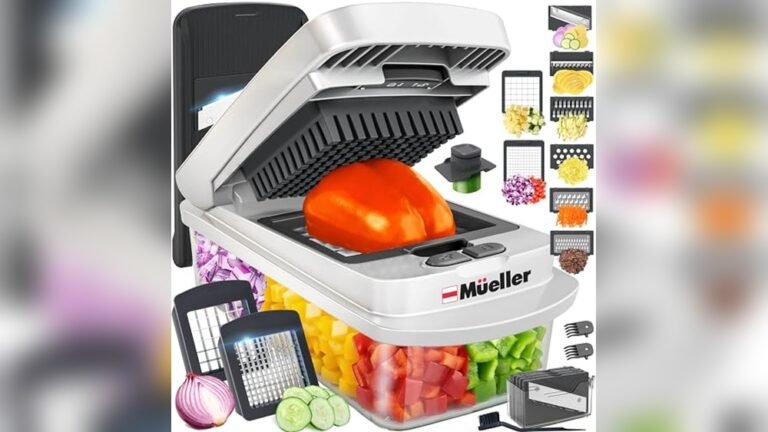
Choosing the right onion chopper makes cooking easier and faster. A good chopper saves time and effort. It also ensures uniform onion pieces for better cooking results. Knowing your options helps pick a chopper that fits your kitchen needs. Consider different types, materials, and sizes before buying. This guide breaks down key points to help you decide.
Types Of Onion Choppers
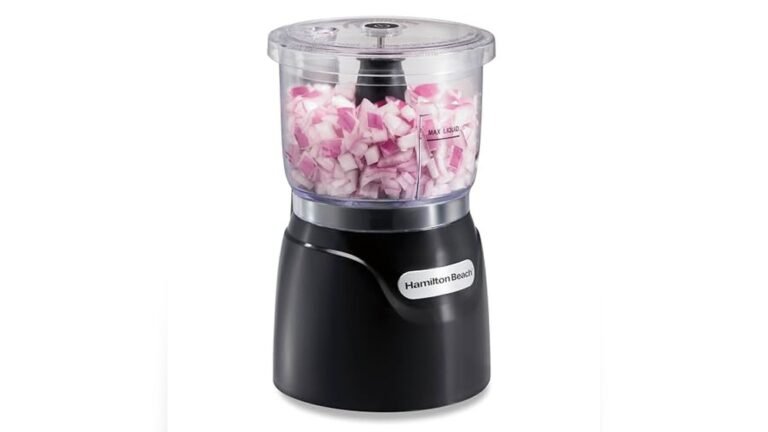
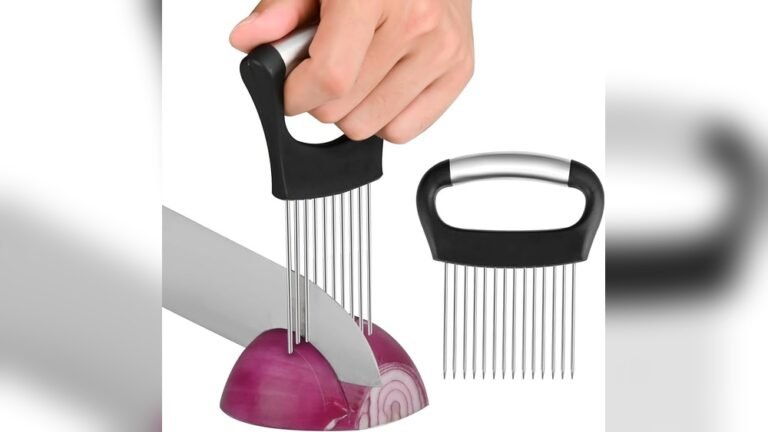
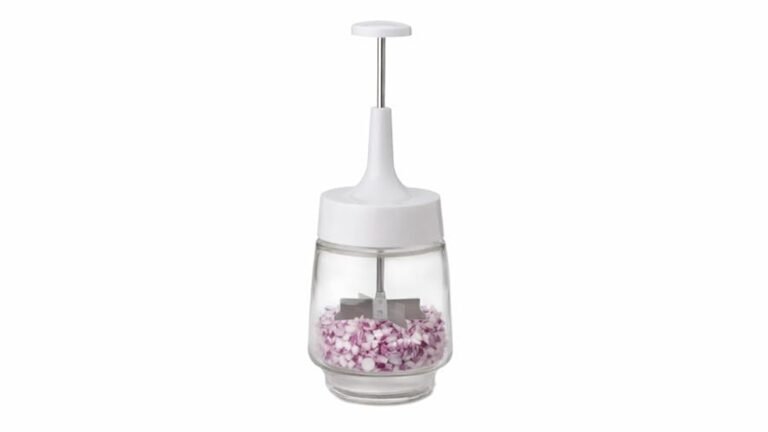
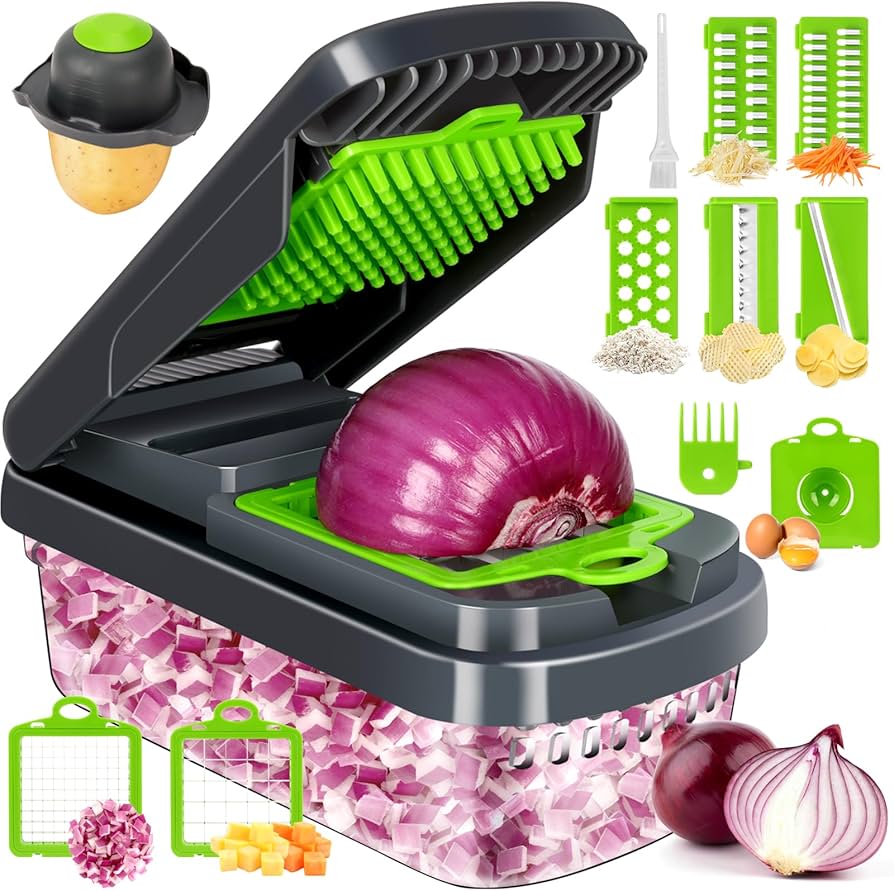
Manual choppers use hand pressure to cut onions. They are simple and need no power. Electric choppers work faster and with less effort. Some models combine chopper and storage container. Others come with multiple blades for different cuts. Choose a type based on how often you cook and how much onion you use.
Materials And Build Quality
Look for sturdy materials like stainless steel or strong plastic. Stainless steel blades stay sharp longer and resist rust. Plastic bodies should feel solid and not flimsy. Good build quality means the chopper lasts longer. It also makes cleaning easier and safer. Avoid cheap materials that break or dull quickly.
Size And Capacity Options
Choppers come in small, medium, and large sizes. Small choppers suit single servings or small meals. Medium sizes work well for families or regular cooking. Large choppers handle big batches at once. Pick a size that matches your cooking habits. Also, consider storage space in your kitchen.
Preparing Your Onion
Preparing your onion correctly is key to smooth chopping with an onion chopper. Proper preparation helps the onion fit the device and chop evenly. It also keeps your hands safe and your kitchen clean. Follow these simple steps to get your onion ready for quick chopping.
Peeling And Halving
Start by removing the onion’s dry, papery skin. Peel off the outer layers until you see the fresh, firm onion inside. Cut the onion in half from top to root. This gives you a flat surface to work with and makes chopping easier.
Keeping The Root Intact
Keep the root end on one half of the onion. The root holds the layers together while chopping. This prevents the onion from falling apart. It also helps you chop faster and with less mess.
Removing Outer Layers
After halving, check for any tough or slimy outer layers. Peel off these layers to reach the clean, crisp onion underneath. Removing them ensures the chopper blades cut through smoothly. It also improves the texture of your chopped onion.
Operating The Onion Chopper
Operating the onion chopper is simple and saves time in the kitchen. It helps create evenly chopped onions quickly without any mess. Understanding the right way to use the chopper ensures safety and efficiency.
Placing The Onion Correctly
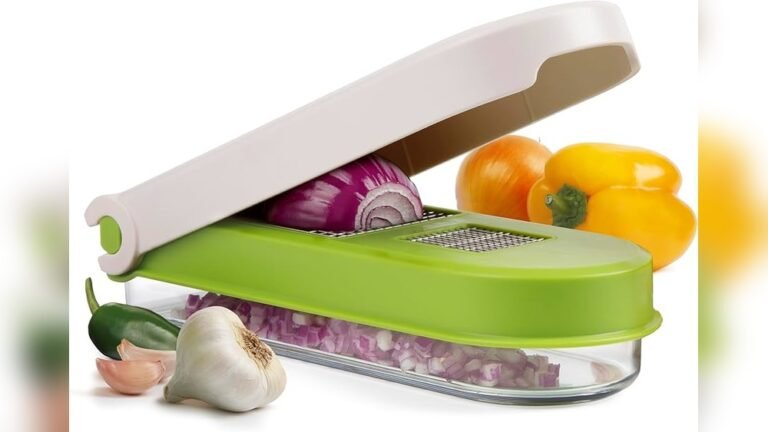
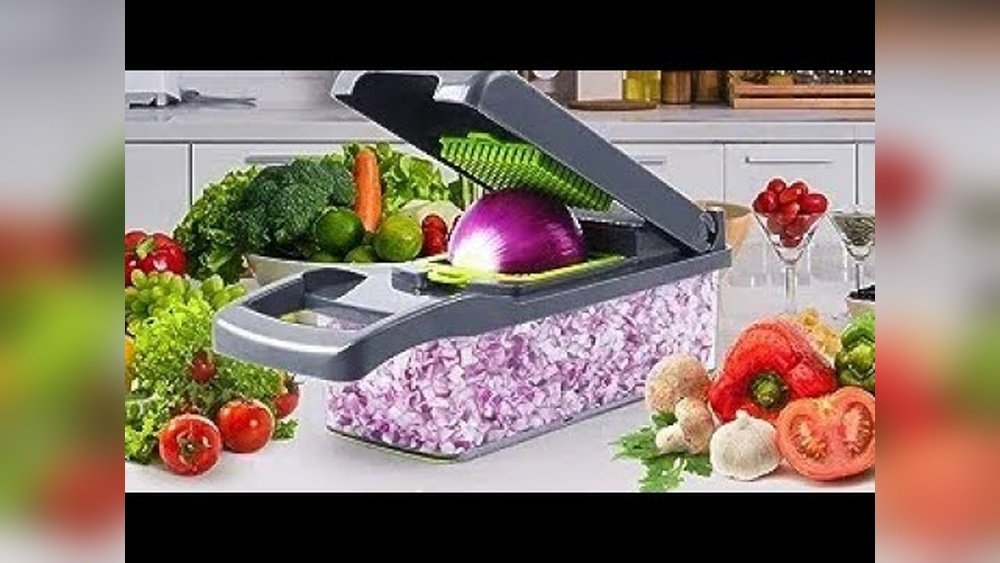
Start by peeling the onion and cutting it into halves or quarters. Place the onion piece flat side down on the chopper’s base. Make sure it sits firmly and covers the blades completely. This positioning helps the chopper cut the onion evenly.
Using The Press Or Lid
Lower the press or lid gently onto the onion. The press should fit snugly over the onion to push it toward the blades. Avoid forcing it too hard at first to prevent slipping. A steady press guides the onion through the cutting grid smoothly.
Applying Even Pressure
Press down with even and steady force using your palm. Do not press too fast or too slow. Balanced pressure helps the blades cut all onion pieces uniformly. Keep your fingers away from the blades for safety. Repeat pressing until the onion is fully chopped.
Cleaning And Maintenance
Keeping your onion chopper clean and well-maintained is key to its performance and durability. Regular cleaning removes onion residue and prevents odors. Proper care also ensures the blades stay sharp and safe to use.
Follow simple steps to maintain your chopper. Clean it after every use. Check the blades and parts for any damage or rust. Store the chopper in a dry place to avoid moisture buildup.
Disassembling The Chopper
Start by carefully taking the chopper apart. Remove the lid, blade section, and container. Handle the blades with care to avoid cuts. Make sure all parts are separated before cleaning. This helps reach all tight spots and removes stuck onion pieces.
Washing Tips
Wash each part with warm, soapy water. Use a soft brush to clean the blades gently. Avoid harsh scrubbing to keep blades sharp. Rinse thoroughly to remove soap. Dry all parts completely before reassembly. This stops rust and keeps the chopper fresh.
Blade Care And Storage
Keep the blades sharp by drying them immediately. Store blades inside the chopper or in a blade cover. Avoid placing heavy items on the blades. Check blades regularly for dullness or damage. Replace blades if they become unsafe or blunt.
Tips For Perfect Chopping
Perfectly chopped onions make cooking easier and improve your dishes. Using an onion chopper saves time but requires some care for best results. Follow these simple tips for clean, even cuts every time.
Choosing Fresh Onions
Start with firm, fresh onions for easy chopping. Avoid onions with soft spots or sprouting roots. Fresh onions hold together better and do not turn mushy in the chopper. This gives you neat, crisp pieces.
Avoiding Overfilling
Do not fill the chopper too full at once. Overfilling blocks the blades and causes uneven cuts. Chop in small batches for smooth operation. This also prevents the chopper from jamming or breaking.
Consistent Cutting Techniques
Place onion pieces evenly inside the chopper. Press down straight and firmly to cut all layers. Use a steady motion without twisting. This creates uniform onion pieces and protects the chopper blades.
Reducing Onion Tears
Onions release a gas that causes your eyes to water. This gas irritates the eyes and makes you tear up. Using an onion chopper can help reduce this problem. The tool cuts onions quickly and limits your exposure to the gas. Here are some tips to reduce onion tears further while using an onion chopper.
Chilling Onions Before Chopping
Place onions in the fridge for 30 minutes before chopping. Cold onions release less of the irritating gas. This simple step can lower eye discomfort. It slows down the chemical reaction that causes tears. Chilling makes chopping easier and less painful for your eyes.
Using Ventilation Or Fans
Chop onions near an open window or under a kitchen vent. Using a fan can blow away the gas before it reaches your eyes. This reduces irritation and tearing. Good airflow helps keep your eyes clear. It creates a more comfortable chopping environment.
Sharp Blades And Quick Cuts
Always use sharp blades in your onion chopper. Sharp blades cut onions faster and cleaner. This causes less damage to onion cells. Less cell damage means less gas is released. Quick cuts reduce the time gas stays near your eyes. Keep your blades sharp for the best results.
Creative Uses For Chopped Onions
Chopped onions add flavor and texture to many dishes. Using an onion chopper makes preparation quick and easy. Here are creative ways to use chopped onions in your cooking and meals.
In Salads And Salsas
Chopped onions bring a fresh crunch to salads. Mix them with tomatoes, cucumbers, and herbs for a tasty salad. In salsas, onions add sharpness and depth. Combine chopped onions with chopped tomatoes, cilantro, and lime juice. This blend makes a perfect dip or topping for tacos.
Cooking With Onion Chopper Results
Onion choppers create uniform pieces that cook evenly. Use chopped onions in soups, stews, and stir-fries for quick cooking. They melt nicely into sauces and gravies, adding rich flavor. The small pieces spread flavor without large chunks.
Storing Leftover Chopped Onions
Store leftover chopped onions in an airtight container. Keep them in the fridge for up to 5 days. For longer storage, freeze chopped onions in small portions. This saves time for future meals and reduces waste.

Credit: www.youtube.com
Credit: www.amazon.com
Frequently Asked Questions
How To Chop Onions With An Onion Chopper?
Place peeled onion halves on the chopper blades. Press down firmly with the lid. Chopped onion pieces collect in the bottom container. Remove and use as needed. Repeat for more onions.
How To Use A Handheld Onion Chopper?
Place peeled onion on the chopper blades. Press down firmly with the lid to chop. Collect diced onion from the bottom container. Repeat if needed for finer pieces. Clean after use for best performance.
What’s The Correct Way To Chop An Onion?
Peel and halve the onion, keeping the root intact. Use a sharp knife with a claw grip. Make vertical cuts near the root, then perpendicular cuts. Dice finely by slicing horizontally if desired. Finish by chopping the remaining root piece carefully.
How To Set An Onion Chopper?
Place the onion on the chopper blades. Press down firmly with the lid. The chopped onion collects in the container below. Clean after use.
Conclusion
Using an onion chopper saves time and effort in the kitchen. It makes chopping onions safer and cleaner. Simply place the onion, press down, and get evenly chopped pieces. Cleaning the chopper is quick, ready for your next use. Practice a few times to get comfortable with the tool.
Enjoy cooking with less mess and no tears. An onion chopper is a handy helper for any cook.

Hi, I’m Emma Carter, a passionate home cook with over 12 years of hands-on experience in home kitchens. I love testing kitchen tools, trying new recipes, and helping everyday cooks make smarter buying decisions. Every review and guide I write is based on real cooking experience, practical testing, and honest opinions, not marketing claims.