Must-Know Can Opener Safety Tips 2026
When you reach for a can opener, you probably just want to get your meal started quickly and easily. But did you know that using this everyday kitchen tool without care can lead to cuts, injuries, or even food contamination?
Your safety matters, and with a few simple tips, you can protect yourself while making your cooking routine smoother. Keep reading to discover practical and easy-to-follow safety tips for your can opener that will help you avoid accidents and keep your kitchen safe every time you open a can.
Choosing The Right Can Opener
Choosing the right can opener is key to safe kitchen use. It affects how easily you open cans and avoid injuries. Different types serve different needs. Some work better for small kitchens. Others suit frequent cooking better. Consider your habits and preferences before buying.
Manual Vs Electric Options
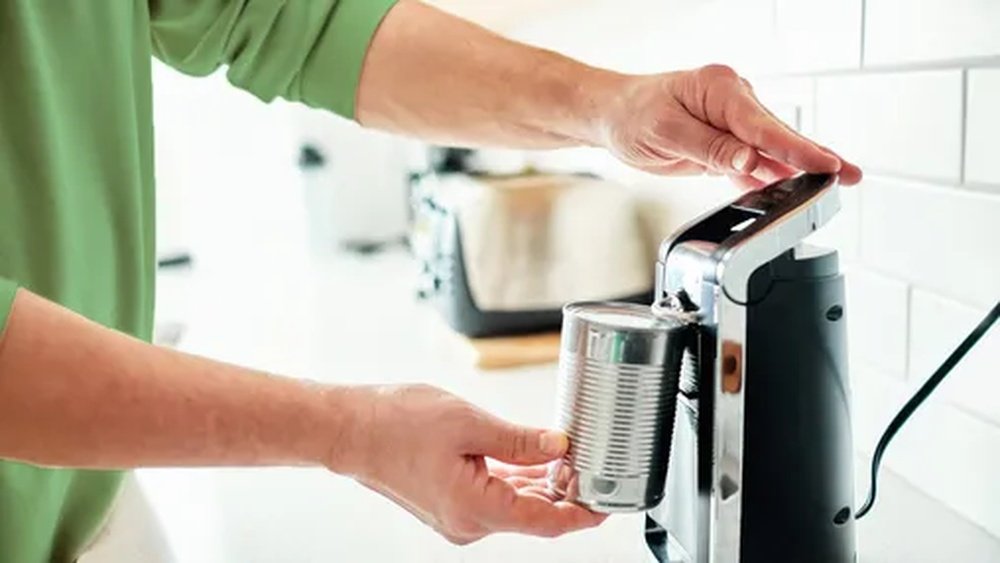
Manual can openers require hand strength and control. They are simple, affordable, and easy to store. Electric can openers do the work for you. They are great for people with limited hand mobility. Electric models are faster but need a power source. Choose based on your comfort and kitchen space.
Features To Look For
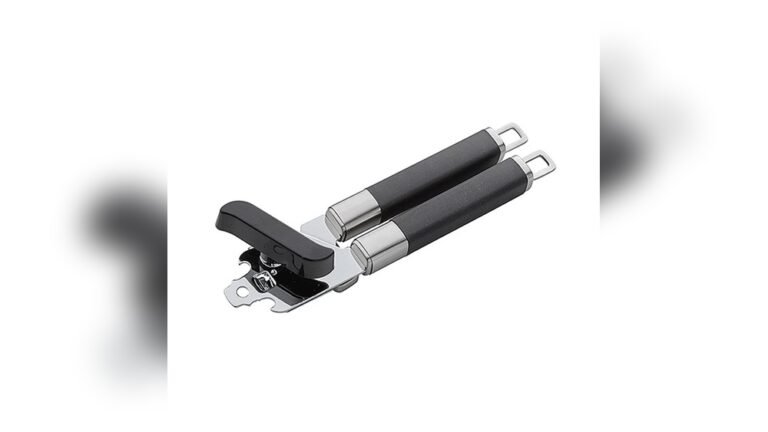
Look for sharp, durable cutting wheels. Comfortable handles reduce hand strain. Safety lid removers prevent sharp edges. Non-slip grips keep the opener steady. Easy-to-clean designs prevent rust and germs. Some models have magnetic lids to avoid spills. These features help protect your hands and improve efficiency.
Recommended Brands
OXO is known for reliable and ergonomic manual openers. KitchenAid offers sturdy electric models with safety features. Hamilton Beach provides budget-friendly electric openers. Bartelli makes can openers that cut cleanly and safely. Pick a brand with good reviews and a warranty. This ensures long-lasting and safe use in your kitchen.

Credit: journal.firsttuesday.us
Safe Handling Techniques
Safe handling techniques are essential to prevent injuries while using a can opener. Proper methods reduce risks like cuts and slips. Understanding how to hold and use the opener can make the task safer and easier.
Proper Grip And Positioning
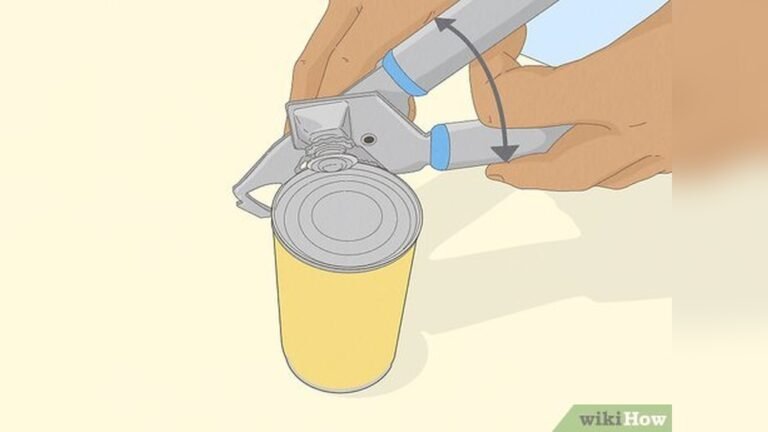
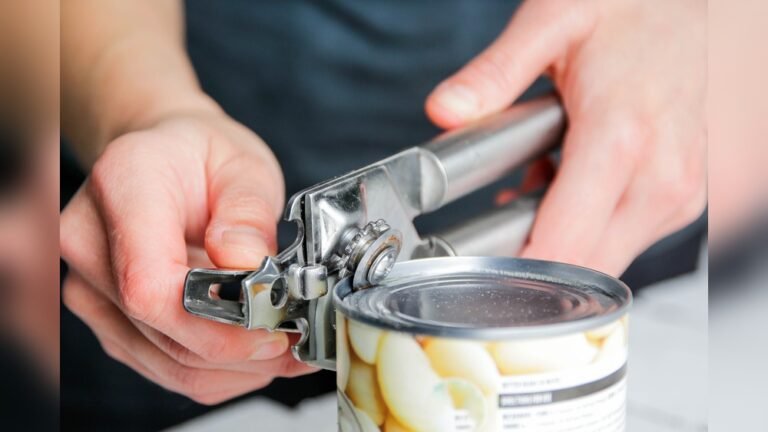
Hold the can opener with a firm grip. Place your hand on the handle so it feels comfortable. Position the can on a flat, stable surface to avoid movement. Attach the opener’s blade to the can’s edge carefully. Keep fingers away from the cutting wheel to prevent cuts. Turn the knob slowly and steadily while keeping the opener steady.
Avoiding Common Mistakes
Do not rush the opening process. Avoid forcing the opener if it feels stuck. Never hold the can in your hand while opening it. Avoid touching the sharp lid after cutting. Use a tool, like a spoon, to lift the lid safely. Keep the cutting wheel clean to ensure smooth operation. Replace dull or rusty can openers to avoid accidents.
Using The Can Opener On Different Can Types
Some cans have smooth edges; others have raised rims. Adjust the opener’s position to fit the can type. For easy-open cans, use the built-in tab instead of the opener. Cans with thick lids may need extra pressure but avoid forcing. Use a manual opener for small cans to maintain control. Electric openers suit larger cans but still require careful handling.
Preventing Injuries
Preventing injuries while using a can opener is essential for safe kitchen habits. Many accidents happen due to sharp edges and improper handling. Taking simple precautions can protect your hands and fingers from cuts and scrapes. Understanding the best ways to deal with the lid and sharp edges is key to avoiding harm.
Dealing With Sharp Edges
The edges of a can lid are often very sharp after opening. Always handle the lid with care to avoid cuts. Use a tool like a spoon or butter knife to lift the lid instead of your fingers. Discard the lid safely to prevent accidental injuries later.
Safe Lid Removal
Remove the lid slowly and steadily after cutting. Avoid letting the lid fall inside the can to stop spills and injuries. Hold the can firmly on a flat surface to keep it stable. This helps control the lid and reduces the risk of slipping.
Keeping Fingers Clear
Keep your fingers away from the cutting wheel and lid edges at all times. Use the handles of the can opener to operate it without touching sharp parts. Stay focused and do not rush through the process. This simple habit lowers the chance of accidental cuts.
:max_bytes(150000):strip_icc()/can-openers-grace-kelly-1-323d1c8c017e4614a7214316ce97690c.jpg)
Credit: www.seriouseats.com
Cleaning And Maintenance
Keeping your can opener clean and well-maintained ensures safe and easy use. Dirt and rust can cause the opener to slip or break. Regular care helps it work smoothly and lasts longer.
Washing Best Practices
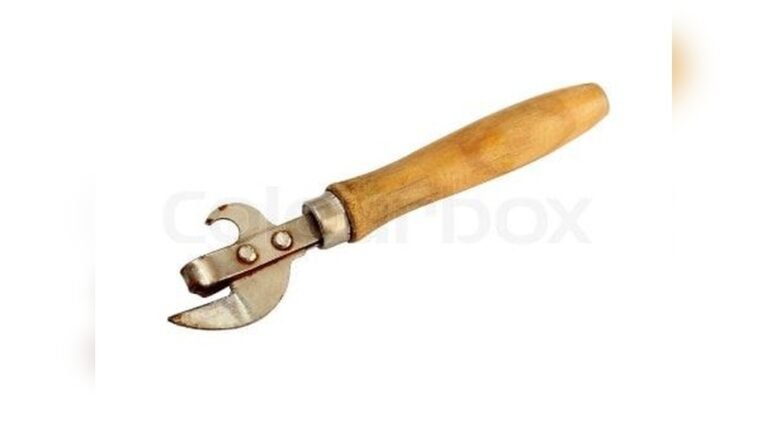
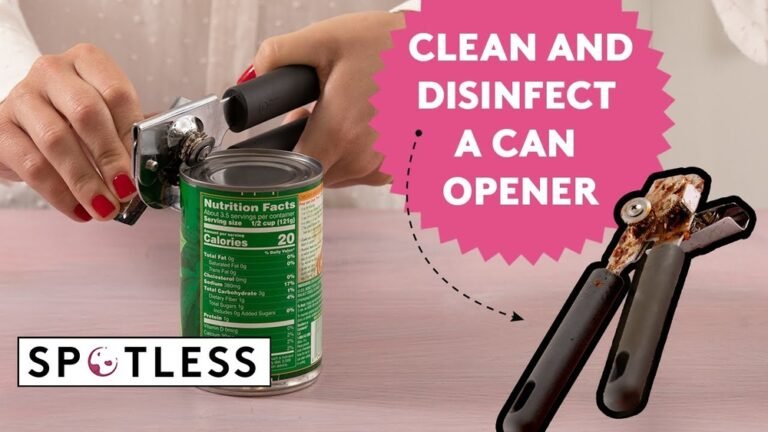
Wash the can opener right after use. Use warm water and mild dish soap. Clean the cutting wheel and handles carefully. A small brush can remove stuck food bits. Avoid soaking the entire opener, especially if it has wooden handles.
Drying To Prevent Rust
Dry the can opener completely after washing. Use a clean towel to wipe all parts. Leave it open to air dry fully. This stops moisture from causing rust. Store it in a dry place away from water sources.
When To Replace Your Can Opener
Replace the can opener if it becomes dull or rusty. If the cutting wheel slips or does not cut smoothly, it is time for a new one. Broken or bent handles also mean replacement. A well-functioning opener prevents injuries and food contamination.
Storage Tips
Proper storage of your can opener keeps it safe and ready to use. It prevents rust, damage, and accidents. Follow simple steps to maintain its quality and extend its life.
Keeping It Dry And Accessible
Dry your can opener fully after each use. Use a clean cloth to remove moisture. Store it in a dry place to avoid rust buildup. Keep it within easy reach in your kitchen. This helps you find it quickly and safely when needed.
Avoiding Damage During Storage
Store your can opener away from sharp objects. Avoid tossing it loosely in a drawer with heavy items. Use a separate compartment or a hanging hook. This prevents bending or dulling the cutting wheel. Handle it gently to keep the tool working well.
Troubleshooting Common Issues
Troubleshooting common issues with your can opener helps keep it safe and effective. Problems can occur from regular use or lack of maintenance. Identifying these issues early prevents injury and extends the tool’s life.
Jammed Or Stuck Openers
A jammed can opener often results from food buildup. Clean the cutting wheel and gears regularly to avoid this. Use a small brush or cloth to remove stuck debris. Avoid forcing the opener if it jams, which can cause damage or injury.
Dull Cutting Wheels
Dull wheels make opening cans harder and unsafe. Check the blade for sharpness before use. Replace the cutting wheel if it looks worn or rusted. A sharp blade cuts smoothly, reducing hand strain and risk of slips.
Opening Difficult Cans
Some cans have thick lids or unusual shapes that cause trouble. Position the opener correctly on the can’s edge for better grip. Turn the knob slowly and steadily to maintain control. If the opener slips, stop and adjust to prevent accidents.
Innovative Can Opener Hacks
Innovative can opener hacks make opening cans safer and easier. These simple tricks help avoid cuts and spills. They also save time and effort in the kitchen.
Using the right tools and methods prevents accidents. It also keeps your hands clean and dry. Here are some practical hacks to improve your can-opening experience.
Using Lid Pliers For Safety
Lid pliers help lift can lids without touching sharp edges. They grip the lid firmly, preventing slips. This tool reduces the risk of cuts from jagged metal. Use lid pliers to remove lids safely and easily.
Alternative Tools For Lid Removal
If you lack a can opener, try alternative tools. A spoon or butter knife can pry open lids carefully. Use the edge to lift the lid slowly. Avoid using your fingers to prevent injuries. These tools work well in emergencies or quick fixes.
Quick Fixes For On-the-go
Traveling or camping calls for quick can-opening solutions. A pocket knife with a sharp tip can open cans safely. Make small punctures around the lid and lift it gradually. Always carry a compact can opener or multi-tool. These quick fixes keep you prepared anywhere.
Credit: www.bedbathandbeyond.com
Frequently Asked Questions
How To Use A Can Opener Safely?
Place the can opener’s blade on the lid edge, clamp securely, and turn the knob steadily. Avoid touching sharp edges. Use a utensil to remove the lid safely. Clean and dry the opener after use to prevent rust and maintain hygiene.
How To Keep A Tin Opener Safe?
Clean the tin opener after use with warm soapy water. Dry thoroughly and store with handles open to prevent rust.
What Is The Best Manual Safety Can Opener?
The OXO Good Grips Manual Can Opener offers comfortable handles and a large knob. Bartelli’s safety can opener cuts cleanly and works both ways. Both are top manual safety can openers.
Can Opener Safety Tip?
Always keep fingers away from the sharp cutting wheel. Remove lids with a utensil, not hands, to avoid cuts. Clean and dry the opener after use to prevent rust.
Conclusion
Using a can opener safely protects you from cuts and injuries. Always handle the sharp edges with care. Keep the tool clean and dry to avoid rust. Remove lids carefully, using utensils if needed. Regular maintenance helps your can opener work smoothly.
These simple steps make kitchen tasks safer and easier. Stay cautious and enjoy your cooking without worry. Safety matters in every step of food preparation.

Hi, I’m Emma Carter, a passionate home cook with over 12 years of hands-on experience in home kitchens. I love testing kitchen tools, trying new recipes, and helping everyday cooks make smarter buying decisions. Every review and guide I write is based on real cooking experience, practical testing, and honest opinions, not marketing claims.