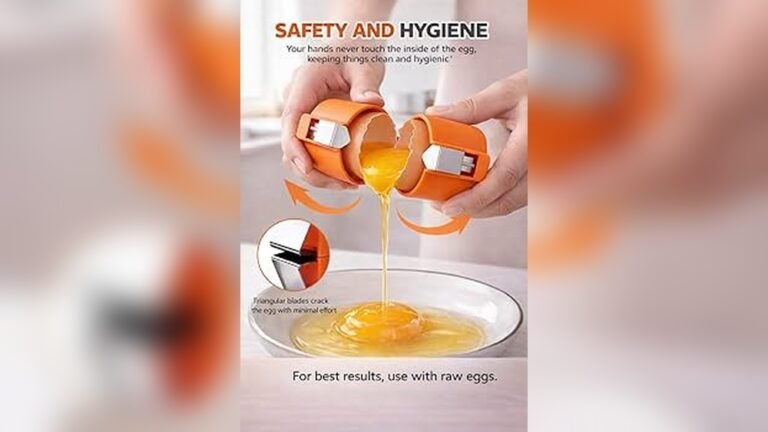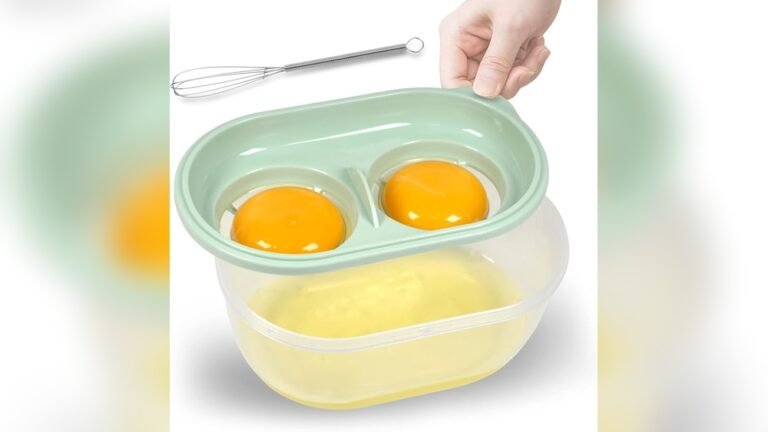
How to Clean Egg Separator Quickly and Effectively
If you use an egg separator regularly, you know how tricky it can be to keep it spotless and ready for your next cooking adventure. Sticky egg whites and yolks can turn your handy tool into a messy chore if not cleaned properly.
But what if cleaning your egg separator could be quick, simple, and hassle-free? In this guide, you’ll discover easy steps and smart tips to get your egg separator perfectly clean every time, no scrubbing nightmares or leftover residue. Keep reading to make your kitchen routine smoother and your egg separating experience cleaner than ever!
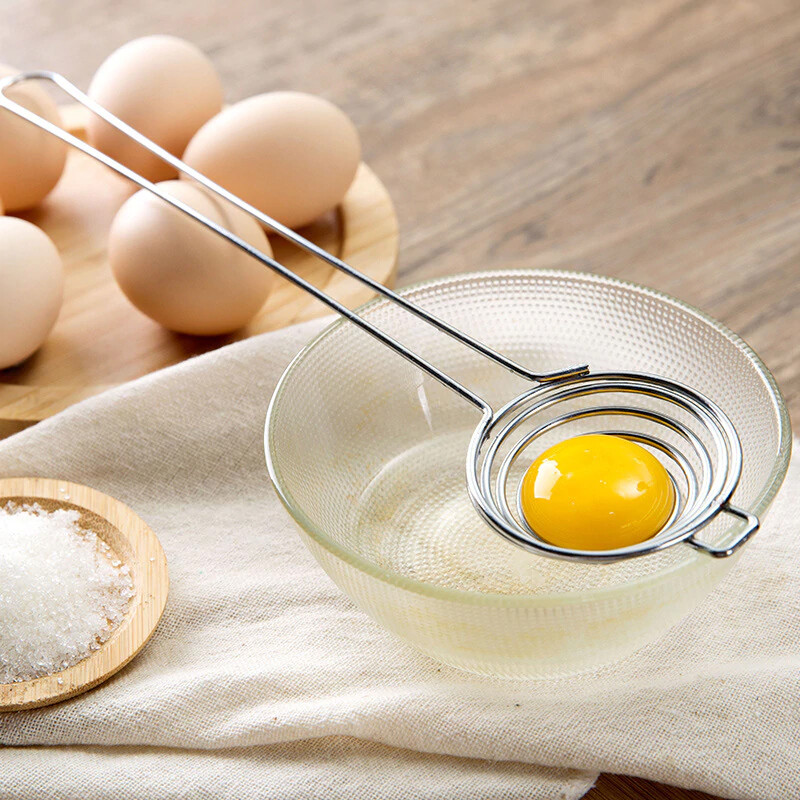
Credit: www.ebay.com
Choosing The Right Separator
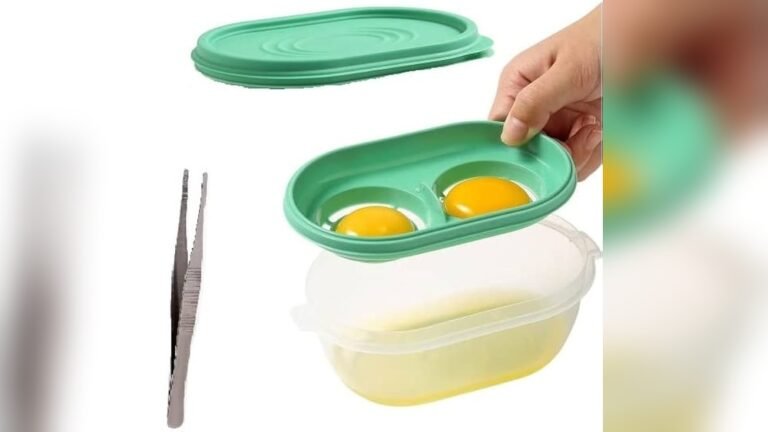
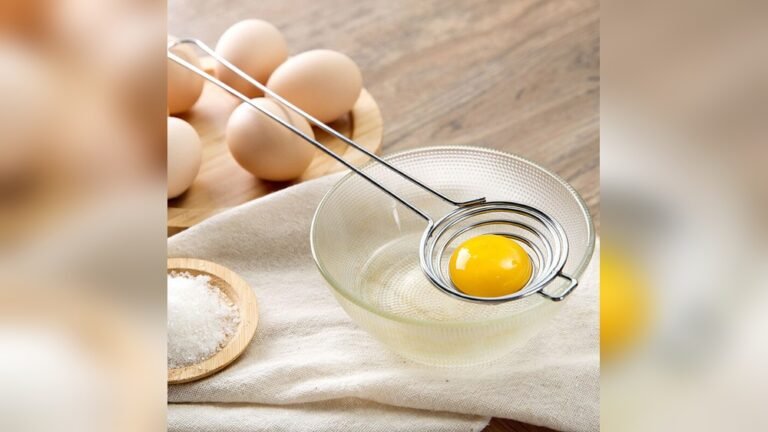
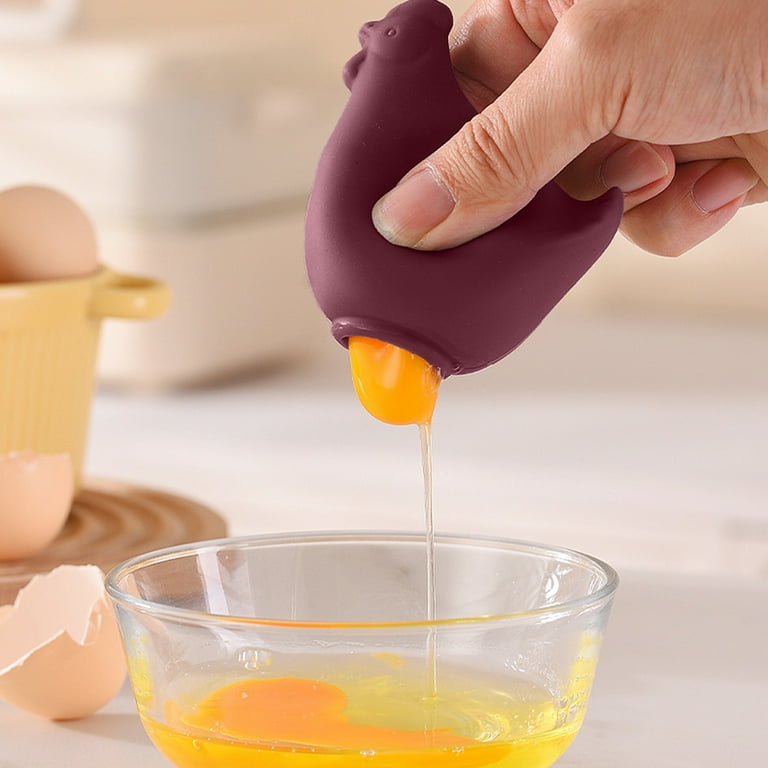
Egg separators come in various types, including cups, spoons, and funnels. Cups hold the yolk while letting whites pass through small holes. Spoons scoop the yolk easily. Funnels let whites slip away quickly. Each type suits different needs and styles.
Materials matter for durability and cleaning. Plastic separators are lightweight and cheap but may stain. Stainless steel versions last longer and resist stains. Silicone is flexible and easy to clean but might hold odors.
Separators with simple designs are easier to clean. Avoid separators with many small parts to prevent food trapping. Dishwasher-safe separators save time. Smooth surfaces help remove residue quickly.
Basic Cleaning Steps
Start by taking apart the egg separator carefully. Remove all pieces that come off easily. This helps clean every corner.
Use warm water and a few drops of mild detergent to wash the parts. Avoid harsh soaps to keep the material safe. Gently scrub with a soft cloth or sponge to remove egg residue.
Rinse each part well with clean water. Make sure no soap or dirt remains. Let all parts air dry or dry with a soft towel. Store the separator only when fully dry to avoid bacteria growth.
Removing Stubborn Residue
To remove stubborn residue from an egg separator, start with a baking soda paste. Mix baking soda with a little water until thick. Apply this paste to the dirty parts and let it sit for 10 minutes. Then, rinse with warm water. This method helps break down dried egg bits gently.
For tougher stains, try the vinegar soak technique. Fill a bowl with white vinegar and soak the egg separator for 15-20 minutes. Vinegar cuts through residue and kills bacteria. After soaking, rinse thoroughly under warm water.
If spots remain, use a soft brush. A toothbrush or small scrub brush works well. Gently scrub the separator, focusing on crevices where residue hides. Avoid harsh scrubbing to keep the tool intact. Rinse again to wash away loosened residue.

Credit: www.amazon.com
Sanitizing Tips
Using safe household sanitizers like white vinegar or mild dish soap helps clean egg separators well. These options kill germs without leaving harmful chemicals behind. Avoid bleach or strong chemicals as they can damage the separator and be unsafe for food use.
Rinse the separator thoroughly with warm water after washing. This step removes any soap or sanitizer residue. Dry it fully before storing to prevent bacteria growth.
| Sanitizer | Benefit | Note |
|---|---|---|
| White Vinegar | Natural disinfectant | Safe for food contact |
| Mild Dish Soap | Removes grease and dirt | Rinse well after use |
| Warm Water | Rinses off residue | Essential after washing |
Keeping the separator clean and sanitized protects against foodborne illnesses. Always use gentle cleaning methods to maintain its quality and safety.
Maintaining Separator Condition
Clean your egg separator right after use to stop egg residue from hardening. Use warm water and a mild soap for best results. Avoid harsh scrubbers that can scratch or break the separator. Gently wipe with a soft cloth or sponge to keep it safe.
Keep separators dry before storing to stop mold and bad smells. Store in a clean, dry place away from heavy items. This helps maintain its shape and function for a long time.
| Tip | How to Do It |
|---|---|
| Regular Cleaning | Wash with warm, soapy water after every use |
| Avoid Damage | Use soft cloths; no metal scrubbers |
| Storage | Keep dry in a safe, clean spot |
Credit: www.walmart.com
Quick Cleaning Hacks
Dishwasher cleaning is a fast way to clean egg separators. Place all parts in the dishwasher rack. Use a gentle cycle to avoid damage. Make sure the separator is dishwasher safe.
A bottle brush works well for instant cleaning. Use warm water and soap. Scrub inside the separator carefully to remove egg residue. Rinse with clean water and dry.
- Carry a small container with warm soapy water when traveling.
- Use a soft cloth or brush to clean after use.
- Dry the separator fully before storing to prevent bacteria.
Troubleshooting Common Issues
Removing egg odors is simple. Rinse the separator in warm water right after use. Use a mild dish soap to clean all parts. If odors remain, soak the separator in a mix of water and white vinegar for 10 minutes. Rinse well and air dry to keep it fresh and odor-free.
Preventing yolk breakage helps keep your cooking smooth. Crack eggs on a flat surface, not on bowl edges. Use a gentle hand when separating the yolk from the white. Avoid squeezing the separator too hard, which can cause the yolk to break. Practice makes perfect.
| Issue | How to Fix |
|---|---|
| Cracks and chips | Inspect the separator before use. Replace if damaged to avoid contamination. Handle carefully to prevent drops and breaks. |
| Sticky residue | Soak in warm soapy water. Use a soft brush to clean hard-to-reach spots. Dry completely before storing. |
Frequently Asked Questions
Is Chalaza Sperm?
No, chalaza is not sperm. It is a pair of twisted strands that anchor the egg yolk in place inside the egg white.
Are Egg Whites Ok For Diabetics?
Egg whites are safe and healthy for diabetics. They contain protein, no carbs, and help manage blood sugar levels effectively.
Does Vinegar Sanitize Eggs?
Vinegar can reduce some bacteria on eggshells but does not fully sanitize eggs. Proper refrigeration and cooking ensure safety.
Can Heart Patients Eat Egg Yolk?
Heart patients can eat egg yolk in moderation. Limit intake to avoid excess cholesterol and consult a doctor for personalized advice.
Conclusion
Cleaning your egg separator regularly keeps it working well and safe. Use warm water and mild soap for best results. Gently scrub all parts, especially small crevices, to remove residue. Dry completely before storing to avoid bacteria growth. Following these simple steps saves time and keeps your kitchen hygienic.
A clean separator makes cooking easier and more enjoyable every time.

Hi, I’m Emma Carter, a passionate home cook with over 12 years of hands-on experience in home kitchens. I love testing kitchen tools, trying new recipes, and helping everyday cooks make smarter buying decisions. Every review and guide I write is based on real cooking experience, practical testing, and honest opinions, not marketing claims.