Proven Maintenance Tips for Egg Separator
If you love baking or cooking, you know how handy an egg separator can be. It makes separating yolks from whites quick and mess-free.
But to keep your egg separator working smoothly, you need to take good care of it. Ignoring its maintenance can lead to clogs, stains, or even damage that slows you down in the kitchen. You’ll discover simple and effective maintenance tips that help your egg separator stay clean, efficient, and ready whenever you need it.
Keep reading to make your kitchen routine easier and your egg separator last longer!
Choosing The Right Egg Separator
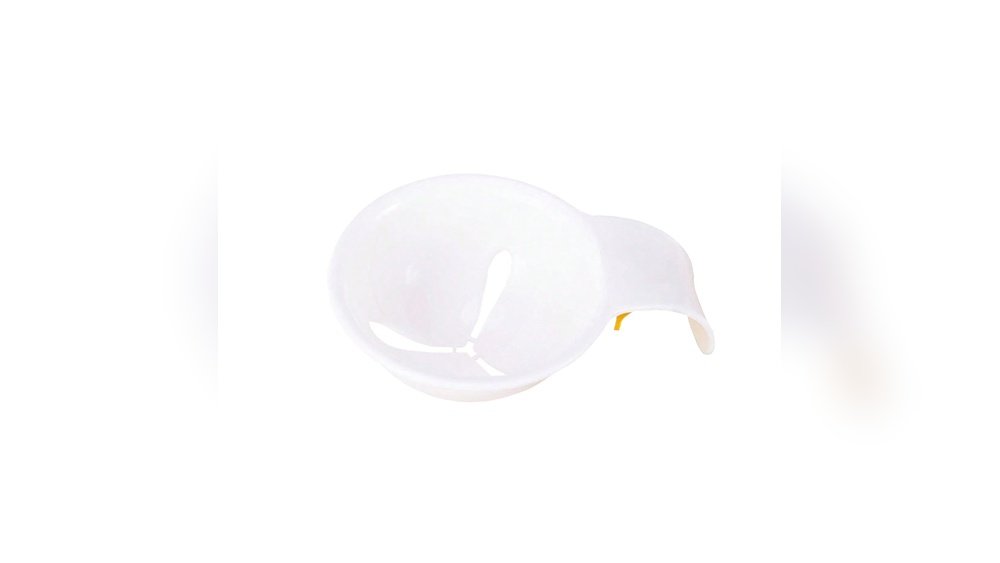
Plastic egg separators are lightweight and affordable. They may crack over time. Stainless steel types last longer and resist rust. They are easy to clean and strong. Silicone separators are flexible and soft but may stain.
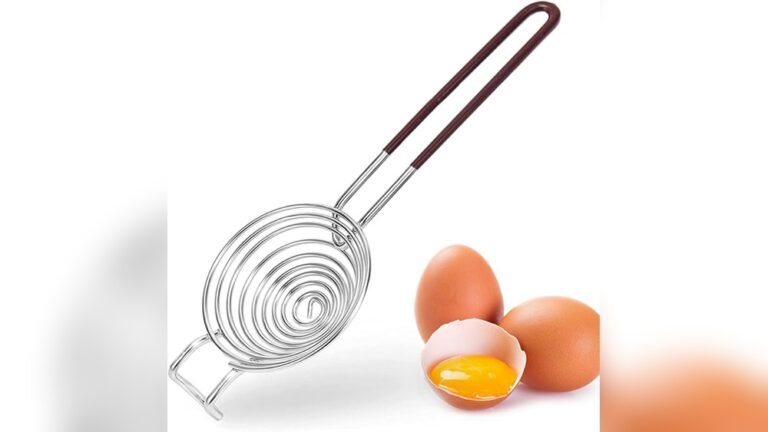
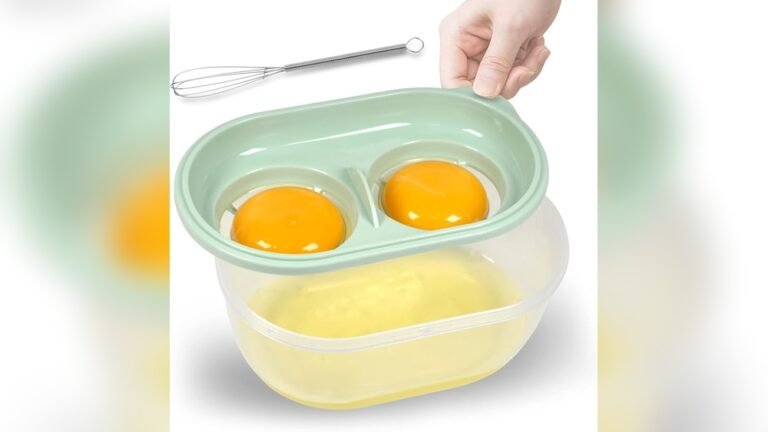
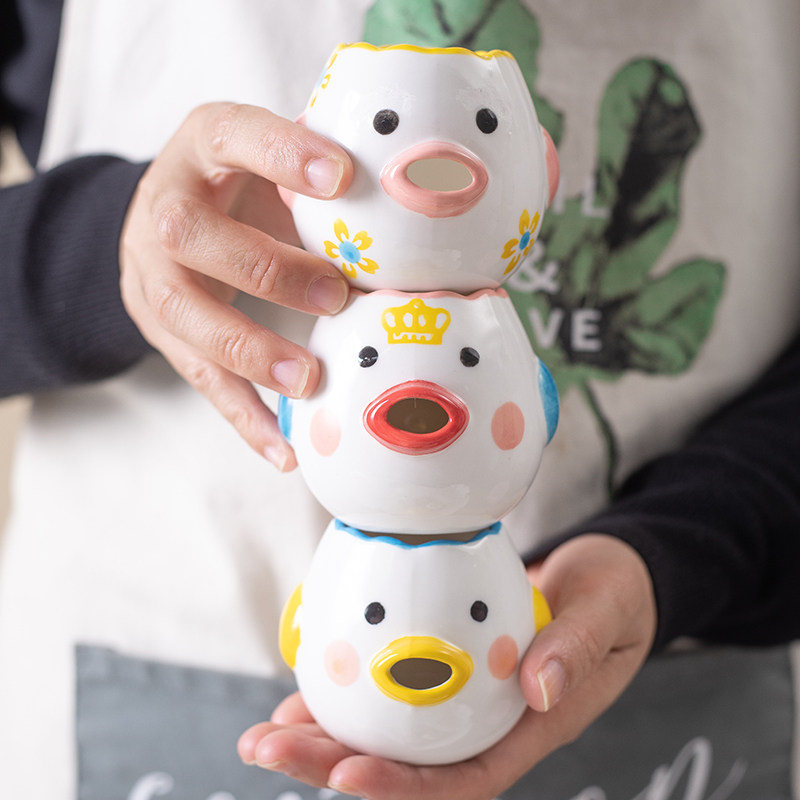
Look for separators with wide slots to let whites pass easily. A deep cup design holds yolks safely. Handles or hooks help keep the separator steady over bowls. Some models stack for easy storage.
Credit: www.daisiesinclover.com
Cleaning Techniques
Clean your egg separator right after use. This stops egg residue from hardening. Rinse it under warm water to remove leftover egg bits. Use a soft brush to clear small holes or slits. This prevents clogs and keeps it working well.
Baking soda works well for cleaning. Make a paste with water and scrub gently. It removes stubborn stains and smells naturally. Vinegar or lemon juice also help break down residue. Avoid harsh chemicals to protect the separator’s surface.
Dry the separator fully before storing. Moisture can cause rust or mold. Store it in a dry place, away from heavy items that might bend it.
Storage And Handling
After washing your egg separator, allow it to dry completely. Use a clean towel or air dry it on a rack. Avoid storing it while still wet to prevent mold or rust.
Store the separator in a dry, cool place. Keep it away from direct sunlight and heat sources. Use a drawer or cupboard where it won’t get crushed or bent.
Handle the egg separator gently to avoid damage. Avoid stacking heavy items on top. Check for cracks or breaks regularly and replace if damaged to keep it safe and effective.
Preventing Common Issues
Chalaza and egg white residue can stick to the separator. Rinse it immediately after use with warm water. Use a soft brush to remove any stuck bits. Avoid harsh scrubbing to keep the separator smooth.
Mechanical clogs happen when egg bits block small parts. Gently tap the separator to clear clogs. Use a toothpick or cotton swab to clean tight spaces carefully. Regular cleaning prevents build-up.
Rust and corrosion damage metal separators. Dry the separator fully after washing. Store it in a dry place away from moisture. Applying a thin layer of cooking oil can help prevent rust on metal parts.
Diy Repairs And Maintenance
Fixing minor mechanical problems often involves checking for clogs and loose parts. Clean the separator thoroughly to remove any egg residue. Tighten screws or bolts that may have loosened over time. If the separator’s moving parts stick, apply a small amount of food-safe lubricant.
Replace parts when you notice cracks, broken pieces, or if the separator no longer works smoothly. Worn-out rubber or plastic parts can cause leaks or poor separation. Using original or compatible parts ensures the separator works well.
| Tools Needed | Purpose |
|---|---|
| Screwdriver | Tighten or loosen screws |
| Soft brush | Clean small areas and remove clogs |
| Food-safe lubricant | Keep moving parts smooth |
| Replacement parts | Fix broken or worn components |
Credit: world.taobao.com
Tips For Efficient Egg Separation
Use two or three bowls to catch yolks and whites separately. Place one bowl for yolks and another for whites. A third bowl can catch any spills or broken shells.
Try using your hands to separate eggs by gently letting whites slip through your fingers. A slotted spoon works well to hold yolks while whites drain away.
Keep your egg separator clean by washing it right after use. Use warm water and mild soap. Dry it well to avoid rust or damage.
Check the separator for cracks or clogs often. Clear any stuck bits to keep it working smoothly. Store it in a dry place to extend its life.

Credit: www.restaurantware.com
Frequently Asked Questions
Is Chalaza Sperm?
No, chalaza is not sperm. It is a twisted, rope-like structure that anchors the egg yolk in place inside the egg.
How Long Will Separated Eggs Keep?
Separated egg whites keep fresh in the refrigerator for up to 4 days. Yolks last about 2 days when stored properly.
Why Do People Remove The Chalaza?
People remove the chalaza to improve egg texture and appearance in recipes. It can affect smoothness in custards and sauces.
Is Chalaza An Umbilical Cord?
No, the chalaza is not an umbilical cord. It is a natural egg structure that anchors the yolk in place.
Conclusion
Proper care keeps your egg separator working well for years. Clean it gently after each use to avoid buildup. Store it in a dry place to prevent rust or damage. Regular checks help spot any cracks or issues early. Following these simple steps saves time and money.
Enjoy smooth egg separation every time you cook or bake. Taking care of your tools is key to kitchen success.

Hi, I’m Emma Carter, a passionate home cook with over 12 years of hands-on experience in home kitchens. I love testing kitchen tools, trying new recipes, and helping everyday cooks make smarter buying decisions. Every review and guide I write is based on real cooking experience, practical testing, and honest opinions, not marketing claims.