
Best Dishwashing Solutions for Faster Cleaner and Hassle Free Washing
Dishwashing Solutions: Complete Guide For Cleaner, Healthier Kitchens
Keeping dishes clean is important for every kitchen. Whether you wash by hand or use a machine, the right dishwashing solutions can save time, improve hygiene, and reduce stress. Many people think dishwashing is simple, but the process involves more than soap and water.
With new products, tips, and technologies, dishwashing has become easier and safer for everyone. Let’s explore the best ways to wash dishes, the tools you need, and how to avoid common mistakes.
Choosing Between Handwashing And Dishwashers
Most homes use either handwashing or dishwashers to clean dishes. Each method has advantages and disadvantages.
Handwashing
Handwashing is common in smaller kitchens or where dishwashers are not available. It gives you control over how each item is cleaned. You can wash delicate glasses or greasy pans with care.
Pros:
- Flexible for any dish size
- No electricity needed
- Good for small loads
Cons:
- Takes more time
- Uses more water if not careful
- Can leave bacteria if dishes are not rinsed well
Handwashing also lets you pay attention to details. For example, you can scrub corners of pots and pans where food sticks. It’s easier to wash items with unique shapes, like wine glasses or wooden spoons, because you can handle them gently.
If you live in a place with frequent power outages, handwashing is reliable. But it’s important to use the right technique. Many people don’t realize that using lukewarm water instead of hot water can leave grease behind, making dishes less clean.
Dishwashers
Modern dishwashers have improved efficiency. They clean dishes using hot water and detergents in cycles.
Pros:
- Saves time for large loads
- Uses less water than handwashing (average dishwasher uses 3–5 gallons per cycle)
- Removes 99% of bacteria with high heat
Cons:
- Needs electricity
- Not all items are dishwasher safe
- Requires regular maintenance
Newer dishwashers also come with special racks for cutlery, wine glasses, or baby bottles. Some models have adjustable shelves to fit tall pots. Most dishwashers sanitize dishes with high temperatures, which is helpful for families with young children or anyone concerned about germs.
However, dishwashers need to be loaded properly—placing items too close together can block water flow and leave spots. Maintenance is another factor. Filters and spray arms should be cleaned regularly to prevent clogs and odors.
Here’s a simple comparison:
| Method | Water Usage | Time Needed | Hygiene Level |
|---|---|---|---|
| Handwashing | Up to 20 gallons/load | 15–30 minutes | Medium |
| Dishwasher | 3–5 gallons/load | 5–10 minutes (setup), 1–2 hours (cycle) | High |
If you live in a region with water restrictions, dishwashers can help save water. But if you’re only washing a few items, handwashing might be faster and avoid wasting energy.
Dishwashing Detergents And Soap
The right dishwashing detergent can make cleaning easier. There are several types, each with different strengths.
Types Of Dishwashing Detergents
- Liquid Soap: Good for handwashing. Works well on light grease.
- Powder Detergent: Used in dishwashers. Dissolves in water, but can leave residue if not rinsed.
- Gel Detergent: For dishwashers. Dissolves easily, gentle for glasses.
- Pods/Tablets: Convenient for dishwashers. Pre-measured for each load.
Specialty detergents are available for tough stains or hard water. Some brands create foam that clings to food, making scrubbing easier. Others add ingredients like baking soda for deodorizing. Dishwashing pods are convenient, but they can sometimes stick together in humid environments.
Always store them in a dry place. Eco-friendly soaps use plant-based ingredients, which are gentler for the skin and safer for the environment.
Choosing The Right Detergent
Look for detergents with enzymes to break down food, bleach for stain removal, and rinse agents for spot-free results. Many brands now offer eco-friendly options with less chemicals.
Here’s a quick comparison of popular detergent types:
| Type | Best For | Strength | Eco-Friendly? |
|---|---|---|---|
| Liquid Soap | Handwashing | Medium | Often |
| Powder Detergent | Dishwasher | Strong | Sometimes |
| Gel Detergent | Dishwasher | Gentle | Often |
| Pods/Tablets | Dishwasher | Very Strong | Sometimes |
Non-obvious insight: Using too much detergent can leave residue and harm your dishwasher. Always follow the recommended amount. Also, hard water needs special detergents to avoid spots.
Another point many people miss: Some detergents are not safe for septic systems. If your home uses one, check for “septic-safe” labels to avoid long-term damage.

Credit: en.wikipedia.org
Tools And Accessories For Better Dishwashing
Good tools make dishwashing easier and faster. Here are some essentials:
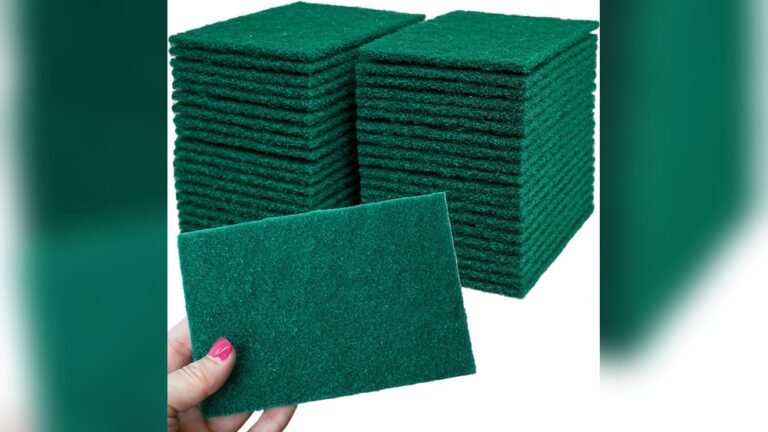
- Scrubbers: Sponges, brushes, and steel wool for tough stains.
- Dish racks: For air drying after washing.
- Gloves: Protect hands from hot water and chemicals.
- Microfiber cloths: For polishing and drying.
Choosing Scrubbers And Brushes
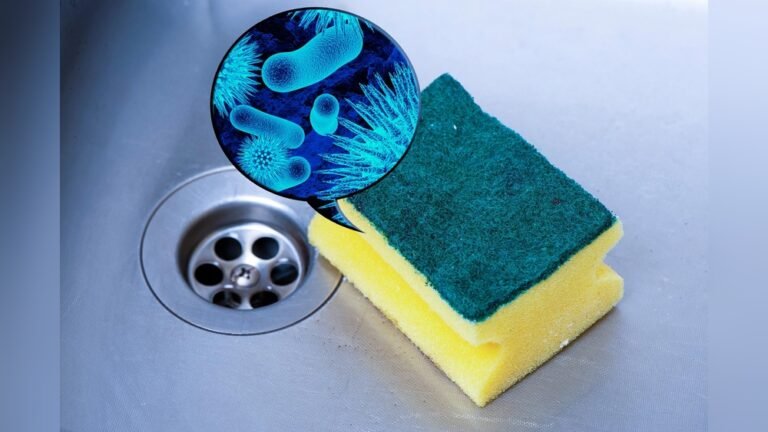
Not all scrubbers are equal. Soft sponges protect nonstick pans, while stiff brushes clean pots. Replace sponges every two weeks to avoid bacteria buildup.
Some scrubbers have built-in soap dispensers, which help speed up washing and reduce waste. For deep cleaning, use brushes with strong bristles, but avoid metal on delicate surfaces. Silicone scrubbers last longer and resist odor, making them a good option for many kitchens.
Dish Racks And Drying Tips
Air drying is safer than towel drying. Dish racks help water drain, reducing bacteria risk. Avoid stacking wet dishes.
For extra drying, choose racks with slots for plates and utensils. Some racks fold away to save space. If you have limited counter space, over-the-sink racks are practical. If you must use a towel, wash it often to prevent spreading germs.
Steps For Effective Dishwashing
Even simple steps can make dishwashing more effective. Here’s a practical process:
- Scrape off food: Remove leftovers before washing.
- Soak tough stains: Use hot water for sticky or burnt food.
- Wash with detergent: Use proper amount for each item.
- Rinse thoroughly: Remove all soap to avoid taste and residue.
- Dry completely: Air dry or use a clean cloth.
If you have many dishes, group similar items together. Wash glasses first, then plates, then pots. This prevents grease from sticking to clean items. For extra hygiene, rinse sponges in boiling water weekly.
Common Mistakes And How To Avoid Them
- Using cold water for greasy dishes (hot water works better).
- Skipping the rinse step (leaves soap taste).
- Overloading dish racks (dishes stay wet longer).
- Mixing dishwasher-safe and non-safe items (some plastics melt).
Practical tip: Always check labels for dishwasher-safe items. Never wash wooden or delicate items in dishwashers.
Another frequent mistake: Using dirty water for rinsing. Change water often to keep dishes truly clean. If you wash with a single sink, rinse each item under running water before drying.

Credit: www.amazon.com
Modern Dishwashing Technologies
Dishwashing is changing with new technology. Smart dishwashers, eco-friendly detergents, and advanced filters improve results.
Smart Dishwashers
These machines have sensors to measure dirt and adjust water and detergent. Some connect to smartphones to schedule cycles.
Some smart dishwashers have self-cleaning filters. You can check usage history and receive alerts when maintenance is needed. Voice control is now available in some models, making operation easier for busy families.
Eco-friendly Solutions
Many brands now offer biodegradable detergents and water-saving dishwashers. Look for ENERGY STAR labels for efficient machines.
Eco-friendly dishwashers may also use lower temperatures, which saves energy and protects delicate dishes. Some models recycle heat from previous cycles to further reduce energy use.
Water Filters
Some dishwashers use special filters to reuse water, saving up to 30% each cycle. Filters also reduce mineral spots.
If you live in an area with hard water, filters help prevent white spots and keep glasses clear. Regularly check and clean filters to ensure maximum efficiency.
Health And Hygiene In Dishwashing
Clean dishes are not just about appearance. Proper dishwashing removes bacteria, viruses, and allergens.
Temperature Matters
Water above 120°F kills most germs. Dishwashers use high heat, but handwashing should use warm water.
If you wash by hand, consider using a thermometer to check water temperature. For extra safety, some people add a sanitizing step after rinsing, especially after illness in the family.
Sanitizing Tips
- Use vinegar or bleach for deep cleaning (1 tablespoon per gallon of water).
- Dry dishes completely to prevent mold.
- Clean sinks and tools regularly.
Non-obvious insight: Even clean-looking dishes can carry germs. A weekly deep clean of racks, sponges, and sinks prevents illness.
Don’t forget to sanitize handles and faucet knobs, which many people touch during washing. These areas can hold bacteria if not cleaned often.
Environmental Impact Of Dishwashing
Dishwashing uses water, energy, and chemicals. Small changes can protect the environment and save money.
Reducing Water And Energy Use
- Run dishwashers only when full.
- Use eco or short cycles.
- Avoid pre-rinsing unless needed.
Handwashing can use more water. Fill sinks instead of running taps.
Many people do not realize that pre-rinsing dishes before loading the dishwasher is often unnecessary. Most modern machines handle small amounts of food well. Skipping pre-rinsing saves water and time. For handwashing, turn off the tap while scrubbing.
Eco-friendly Detergents
Choose detergents with plant-based ingredients and recyclable packaging. Avoid products with phosphates, which harm rivers and lakes.
Waste Management
Recycle packaging and avoid single-use sponges. Some brands offer refillable detergents.
Here’s a quick comparison of eco-friendly vs. regular dishwashing habits:
| Habit | Environmental Impact | Cost |
|---|---|---|
| Eco Detergent | Low | Medium |
| Regular Detergent | High | Low |
| Full Dishwasher Loads | Low | Low |
| Partial Loads | Medium | High |
Try using reusable scrubbers or cloths instead of disposable sponges. They last longer and create less waste.
Dishwashing Solutions For Special Needs
Some kitchens need special solutions. Allergies, sensitive skin, or large families require different approaches.
Allergy-friendly Detergents
Choose detergents without fragrances or dyes. These are safer for sensitive skin.
Some hypoallergenic detergents are also free from preservatives, making them less likely to cause skin irritation. Always check labels for “dermatologically tested” claims.
Large Families
Buy dishwashers with bigger capacity (12–16 place settings). Choose fast cycles to handle many dishes.
Consider dishwashers with dual spray zones, which let you wash pots and plates at the same time. For handwashing, use large sinks and sturdy racks to speed up drying.
Small Kitchens
Use compact dishwashers or foldable racks. Store detergents in small containers.
Wall-mounted racks or over-the-sink models help save space. If you have little storage, buy concentrated detergents that need only small amounts per wash.
Troubleshooting Common Dishwashing Problems
Even with the best tools, problems can happen. Here’s how to fix them:
- Cloudy glasses: Caused by hard water. Use rinse aid or vinegar.
- Stuck food: Pre-soak dishes before washing.
- Bad smells: Clean dishwasher filter monthly. Use baking soda or lemon.
- Residue on dishes: Use less detergent and check water temperature.
- Leaks: Check seals and dishwasher door. Replace worn parts.
Practical tip: Many dishwashing issues are solved by regular cleaning and maintenance. Don’t ignore small problems—they get worse over time.
If you notice dishes are not coming out clean, check the spray arms for blockages. Also, make sure dishes do not block water jets. For persistent odors, run a cycle with a cup of vinegar placed on the bottom rack.
Frequently Asked Questions
How Can I Wash Dishes Quickly?
Try to scrape food first, soak tough spots, and use two sinks—one for washing, one for rinsing. For dishwashers, load items properly and use quick cycles.
You can also save time by washing dishes immediately after meals, before food dries and sticks. If possible, involve family members to speed up the process.
What’s The Best Detergent For Sensitive Skin?
Look for detergents labeled hypoallergenic or fragrance-free. These usually have fewer chemicals.
Is Air Drying Better Than Towel Drying?
Yes. Air drying reduces bacteria. If you use towels, make sure they are clean and dry.
How Often Should I Clean My Dishwasher?
Clean the filter and spray arms every month. Run an empty cycle with vinegar every two months to remove buildup.
Can I Use Dishwashing Liquid In A Dishwasher?
No. Dishwasher detergents are special. Regular dish soap creates too many suds and can damage machines.
Dishwashing solutions are improving every year. With the right choices, you can save time, protect your health, and help the environment. Small changes—like using eco detergents or cleaning tools often—can make a big difference. For more tips on kitchen hygiene, visit Wikipedia. Clean dishes lead to a happier, healthier home.

Credit: www.dow.com

Hi, I’m Emma Carter, a passionate home cook with over 12 years of hands-on experience in home kitchens. I love testing kitchen tools, trying new recipes, and helping everyday cooks make smarter buying decisions. Every review and guide I write is based on real cooking experience, practical testing, and honest opinions, not marketing claims.