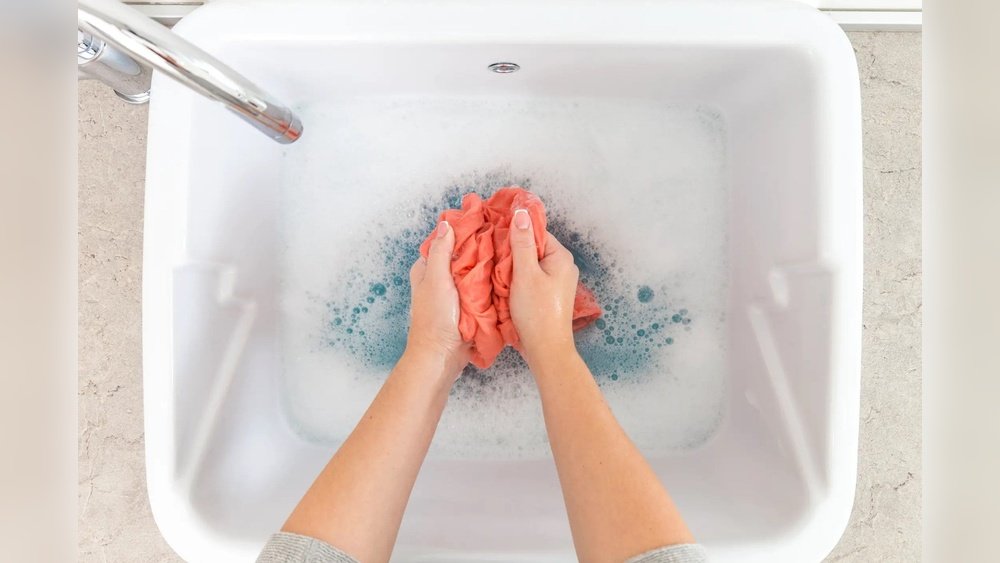
How to Hand Wash Clothes in a Sink Easy Steps for Fresh and Clean Laundry
Hand washing clothes in a sink might sound old-fashioned, but it’s an essential skill for many situations. Whether you’re traveling, dealing with delicate fabrics, or your washing machine breaks down, knowing how to wash clothes by hand can save you time, money, and stress.
This method also helps your clothes last longer, especially items like wool sweaters, silk shirts, and lingerie. Many people struggle with hand washing because they’re unsure about the process, the products to use, and how to avoid common mistakes. This guide explains everything you need to know, step by step, using simple English and practical advice.
You’ll learn the right techniques, how to choose detergents, tips for different fabrics, and ways to dry clothes efficiently. By the end, you’ll feel confident hand washing clothes in a sink, with results that rival machine washing.
Why Hand Wash Clothes?
Hand washing isn’t just for emergencies. It’s a reliable method for caring for delicate fabrics like silk, wool, lace, or cashmere. Machine washing can be rough on these materials, causing shrinkage, fading, or tearing. Hand washing is also useful if you live in an apartment without a washing machine, want to save water, or need to clean a small batch quickly. According to the EPA, hand washing uses less water than most machines when done correctly.
Some clothes require special care. For example, a silk dress or wool sweater may say “dry clean only,” but gentle hand washing is often safe and much cheaper. Many people hand wash underwear, socks, and workout clothes to keep them fresh between regular laundry days.
What You Need To Hand Wash Clothes In A Sink
Before starting, gather these supplies:
- Sink or basin: Clean and large enough for your clothes
- Mild detergent: Choose one for hand washing or delicate fabrics
- Clean towel: For pressing water out after washing
- Running water: Cold or lukewarm, depending on the fabric
- Rubber gloves (optional): Protects skin, especially for sensitive hands
Some detergents are designed for hand washing and delicate items. Avoid using regular laundry powder, which can leave residue and irritate skin. Liquid detergents are best, but a small amount of baby shampoo works for wool or silk. Always check the care label for water temperature and detergent recommendations.
Step-by-step Guide: How To Hand Wash Clothes In A Sink
Let’s break down the process into simple steps. Most mistakes happen when people rush, use too much detergent, or scrub too hard. Follow these steps for best results.
Step 1: Read The Care Labels
Check each item’s care label for washing instructions. The label tells you if hand washing is safe and which temperature to use. Some fabrics like silk and wool need cold water. Cotton and polyester can handle warmer water. Never hand wash items marked “dry clean only” unless you’re sure it’s safe.
Step 2: Fill The Sink With Water
Plug the sink and fill it with enough water to cover your clothes. Use cold or lukewarm water unless the label says hot is safe. Hot water can shrink or damage delicate fabrics.
Step 3: Add Detergent
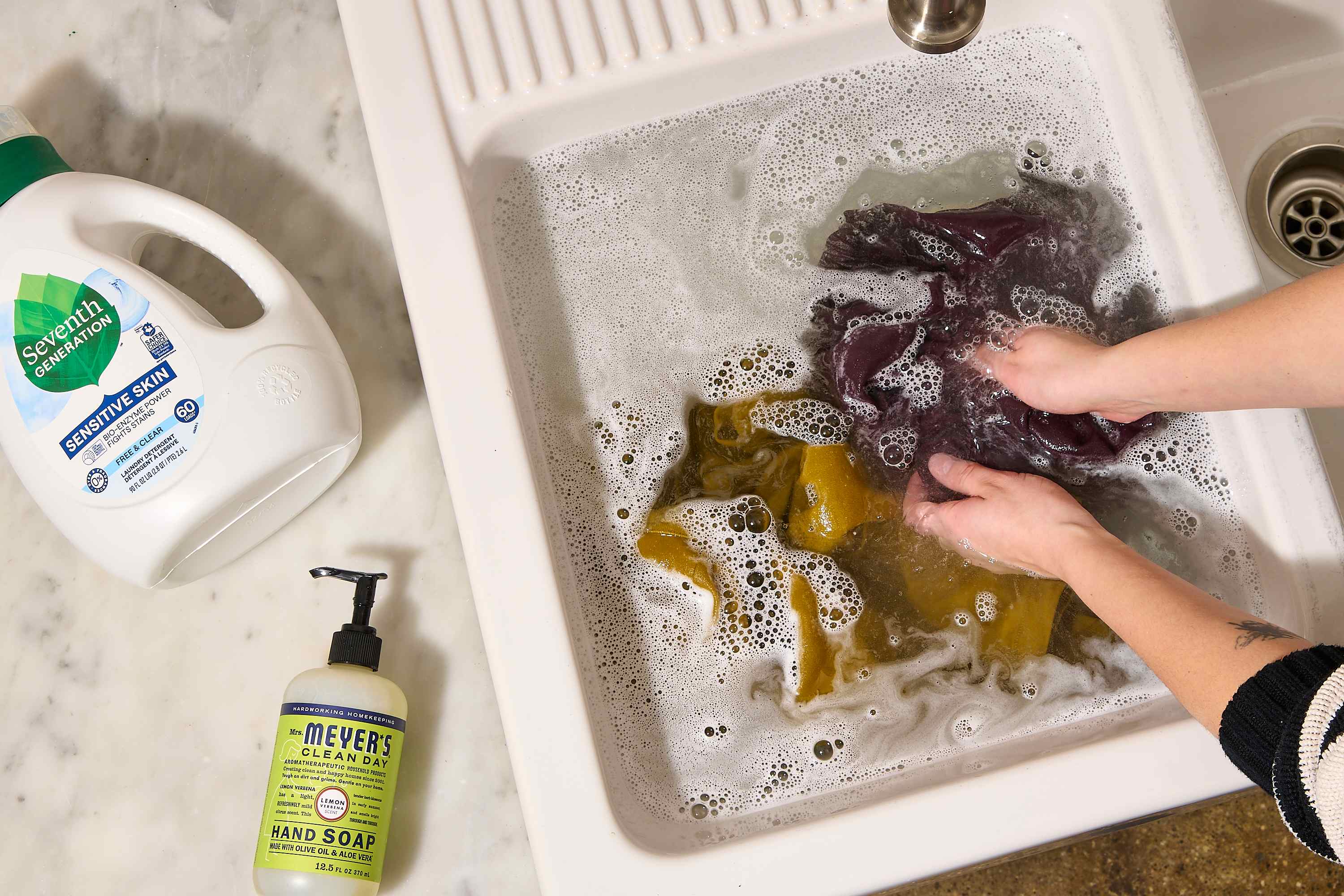
Pour a small amount of mild detergent into the water. For most clothes, 1–2 teaspoons is enough. If washing only one item, use less. Swirl the water with your hand to mix the detergent.
Step 4: Submerge And Soak
Put the clothes into the water, making sure each item is fully submerged. Gently move them around with your hands. Let the clothes soak for 5–10 minutes. For very dirty items, soak up to 30 minutes, but avoid longer times for delicate fabrics.
Step 5: Gently Wash
After soaking, gently rub the fabric together to remove dirt. Focus on areas like collars, cuffs, and underarms. Don’t scrub or wring; use soft motions. For stains, gently pinch and rub the spot with your fingers. Avoid brushing or twisting, which can stretch or tear the fabric.
Step 6: Drain And Rinse
Drain the sink and refill with clean water. Swirl the clothes to rinse out the detergent. You may need to repeat this step 1–2 times until the water runs clear. Rinsing is important—leftover detergent can cause skin irritation or damage the fabric.
Step 7: Press Out Water
Take each item and press it against the sink or a clean towel to remove excess water. Never wring or twist, as this can ruin the shape of the garment. Lay the item flat on a towel and roll it up to absorb more water.
Step 8: Dry Properly
Drying is just as important as washing. For most items, lay them flat on a clean, dry towel in a well-ventilated area. Flip them occasionally to speed up drying. Hanging is okay for some clothes, but heavy wet garments can stretch if hung.
For wool and delicate fabrics, always dry flat. Avoid direct sunlight and heat, which can cause fading or shrinkage.
Water Temperatures: What To Use For Different Fabrics
Choosing the right water temperature is key for hand washing. Here’s a quick comparison:
| Fabric | Recommended Water Temperature | Why |
|---|---|---|
| Cotton | Warm | Removes dirt, safe for most garments |
| Polyester | Warm | Resists shrinking, easy to clean |
| Wool | Cold | Prevents shrinking and felting |
| Silk | Cold | Protects fibers, prevents fading |
| Linen | Lukewarm | Avoids wrinkles, keeps shape |
If you’re unsure, always choose cold water. It’s safer for most fabrics.
Choosing The Right Detergent For Hand Washing
Selecting the right detergent makes a big difference. Some detergents are too strong and can damage delicate clothes. Here’s a comparison of common options:
| Type | Best For | Notes |
|---|---|---|
| Mild liquid detergent | All fabrics | Gentle, easy to rinse |
| Specialty delicate detergent | Silk, wool, lingerie | Protects fibers, preserves color |
| Baby shampoo | Wool, silk | Safe, gentle, but not for all stains |
| Regular laundry powder | Cotton, synthetic | Can leave residue, not ideal for hand wash |
Always avoid bleach or strong stain removers for hand washing. They can weaken the fabric and cause fading.
How To Remove Stains By Hand
Hand washing is great for regular cleaning, but stains need special attention. If you spill coffee or wine on a shirt, act fast. Here’s what to do:
- Blot the stain with a clean cloth—never rub, as this spreads the stain.
- Apply a small amount of stain remover or mild detergent directly to the spot.
- Gently pinch and rub the fabric between your fingers.
- Soak the item for 5–10 minutes, then rinse.
- Repeat if needed, but avoid harsh scrubbing.
Some stains, like ink or oil, may not come out with hand washing alone. In these cases, it’s best to use a special stain remover or take the item to a professional.
Drying Techniques: Air Dry Vs. Towel Dry
Drying clothes after hand washing is often overlooked, but it’s vital for keeping garments in good shape. Here are two main techniques:
Air Dry
Air drying is best for most clothes. Lay the garment flat on a towel in a warm, ventilated room. Flip it every few hours for even drying. Hanging is fine for shirts or lightweight items, but heavy wet clothes can stretch if hung.
Towel Dry
For delicate or heavy items, towel drying helps remove more water. Lay the item flat on a clean towel, roll it up, and gently press. This absorbs moisture quickly and reduces drying time. After towel drying, finish with air drying.
Comparison Of Drying Methods
| Method | Best For | Drying Time | Risk |
|---|---|---|---|
| Air Dry Flat | Wool, silk, delicate | 6–24 hours | Low (safe for shape) |
| Hang Dry | Shirts, cotton | 4–12 hours | Medium (stretch risk) |
| Towel Roll | Sweaters, heavy items | 1–2 hours (pre-dry) | Low |
Never use a dryer for hand-washed delicate items. Heat can shrink, fade, or damage fabric.
Tips For Hand Washing While Traveling
Traveling often means limited access to laundry facilities. Hand washing in a sink is a lifesaver. Here are some practical tips:
- Use hotel shampoo for emergencies—it’s gentle and works for small loads.
- Wash clothes in the evening so they dry overnight.
- Bring a travel clothesline or use hangers in the bathroom.
- Pack a small bottle of mild detergent.
- Roll clothes in a towel to speed up drying.
Many travelers wash underwear, socks, and t-shirts daily to avoid carrying too much clothing. This keeps your suitcase light and your clothes fresh.
Credit: www.apartmenttherapy.com
Common Mistakes And How To Avoid Them
Hand washing is simple, but many people make mistakes that damage their clothes. Here are the most frequent errors:
- Using too much detergent: Causes residue and makes rinsing harder.
- Scrubbing or wringing: Stretches or tears the fabric.
- Skipping the care label: Leads to shrinkage or fading.
- Not rinsing enough: Leaves detergent, causing irritation.
- Hanging heavy wet clothes: Can stretch and ruin shape.
Always use gentle motions and follow the care label. If you’re unsure, err on the side of caution with water temperature and detergent.
Caring For Special Fabrics
Some fabrics need extra care when hand washing. Here’s how to handle the most common types:
Wool
Wool is sensitive to heat and agitation. Use cold water and a wool-safe detergent. Don’t rub or wring. Dry flat, away from sunlight.
Silk
Silk is delicate and can fade easily. Use cold water and a detergent made for silk. Avoid soaking too long. Dry flat or hang inside, away from direct sun.
Lingerie
Lingerie, especially bras and underwear, benefit from hand washing. Use a mild detergent and cold water. Don’t stretch straps or lace. Dry flat.
Synthetic Fabrics
Polyester, nylon, and other synthetics are easier to hand wash. Warm water is safe, but avoid high heat when drying. Hang or lay flat.
How Often Should You Hand Wash Clothes?
Frequency depends on the item and your activity level. Here’s a quick guide:
- Underwear and socks: After every use
- Workout clothes: After each session
- Shirts and blouses: Every 1–2 wears
- Jeans and pants: Every 3–4 wears
- Sweaters: Every 5–6 wears
Hand washing is best for items that need frequent cleaning but are delicate or high quality.
Environmental Benefits Of Hand Washing
Hand washing clothes saves water and energy compared to machine washing. A typical washing machine uses about 20–40 gallons of water per load. Hand washing, especially small loads, can use less than 10 gallons. This helps reduce your environmental footprint and lowers utility bills.
Hand washing also reduces wear and tear, meaning clothes last longer and you buy less. In many countries, hand washing is the main way people clean clothes, especially where machines are rare or expensive.

Credit: www.approximatelyright.com
Non-obvious Insights For Beginners
Many beginners miss these points:
- Soak time matters: Too long can cause colors to bleed; too short doesn’t clean well. Aim for 5–10 minutes unless heavily soiled.
- Use a mesh laundry bag: When washing several small items, a mesh bag prevents tangling and makes rinsing easier.
- Hard water can affect washing: In areas with hard water, use a little extra detergent or add a splash of white vinegar to soften water and improve cleaning.
These tips can make hand washing easier and more effective.
Safety And Hygiene Considerations
Hand washing can expose you to bacteria if not done properly. Always wash your hands after handling dirty laundry. Use gloves if you have sensitive skin or open cuts. Clean the sink before and after washing to prevent cross-contamination.
For items like towels or underwear, consider soaking in a mild disinfectant after washing if you’re sick or want extra hygiene.
:strip_icc()/how-to-wash-clothes-by-hand-01-hero-dacd0f2656b7480bacbac7bf741632d6.jpg)
Credit: www.bhg.com
How To Hand Wash Large Or Bulky Items
Washing large items like sweaters or jeans can be a challenge in a small sink. If needed, use a bathtub or large basin. Fill with water and detergent, soak the item, then follow the same gentle motions. Rinse thoroughly and dry flat.
If the item is too heavy, wash one section at a time. For example, lay a sweater flat and wash the sleeves, then the body.
How To Speed Up Drying
Hand-washed clothes can take a long time to dry, especially in humid weather. To speed up drying:
- Place clothes near a fan or open window
- Use a towel roll to absorb extra water
- Hang clothes with space between each item for air flow
- Avoid direct heat, which can damage fabric
Some people use a hairdryer on low heat for thick items, but be careful not to overheat.
How Hand Washing Compares To Machine Washing
Hand washing is gentler but more labor-intensive. Machine washing is faster and handles large loads, but can damage delicate items. Here’s a quick comparison:
| Method | Pros | Cons |
|---|---|---|
| Hand Washing | Gentle, saves water, better for delicates | Time-consuming, small loads only |
| Machine Washing | Fast, large loads, convenient | Can damage delicate fabrics, uses more water |
For best results, combine both methods. Use machine washing for sturdy clothes and hand washing for delicate or special items.
How To Store Hand-washed Clothes
After drying, fold or hang clothes neatly. Store in a clean, dry area. For sweaters or wool items, fold and place in a drawer. Hanging can stretch these fabrics over time. For silk, hang on padded hangers to prevent creases.
Avoid storing damp clothes, which can cause mold or odor. If you live in a humid climate, use moisture-absorbing products in your closet.
Real-life Example: Hand Washing In Action
Imagine you’re traveling and spill coffee on your only white shirt. Here’s how you can handle it:
- Blot the stain immediately with a napkin.
- Fill the hotel sink with cold water and add a drop of shampoo.
- Soak the shirt for 10 minutes, focusing on the stain.
- Gently rub the spot, rinse well, and press out water with a towel.
- Lay the shirt flat to dry overnight.
With these steps, your shirt is ready to wear the next day, clean and fresh.
Where To Learn More
For further reading on hand washing techniques and fabric care, visit Good Housekeeping. They offer detailed guides and expert advice for laundry care.
Frequently Asked Questions
How Long Does Hand Washing Clothes Take?
Hand washing usually takes 15–30 minutes per batch, including soaking, washing, and rinsing. Drying can take several hours depending on fabric and climate.
Can I Hand Wash Jeans And Heavy Clothes?
Yes, but it’s best to use a larger sink or bathtub. Wash one item at a time, use gentle motions, and dry flat to prevent stretching.
What If My Clothes Smell After Hand Washing?
This often means not enough rinsing or drying in a humid area. Rinse again and dry with better air flow. Avoid leaving clothes damp for too long.
Is Hand Washing Safe For All Clothes?
Most clothes can be hand washed, but always check the care label. Some items labeled “dry clean only” may be damaged by water.
Can I Use Regular Laundry Detergent For Hand Washing?
You can use regular detergent for sturdy fabrics like cotton, but always use a small amount. For delicate items, choose a mild or specialty detergent.
Hand washing clothes in a sink is a simple, effective way to care for your garments. With practice, you’ll find it easy to do and your clothes will look better and last longer.

Hi, I’m Emma Carter, a passionate home cook with over 12 years of hands-on experience in home kitchens. I love testing kitchen tools, trying new recipes, and helping everyday cooks make smarter buying decisions. Every review and guide I write is based on real cooking experience, practical testing, and honest opinions, not marketing claims.