Safety Tips for Pineapple Corer – Essential Guide for Safe Use
You love fresh pineapple, and using a pineapple corer makes enjoying this juicy fruit quick and easy. But have you ever thought about how to use your pineapple corer safely?
Without the right precautions, you could end up with cuts or a messy kitchen. You’ll discover simple and effective safety tips to protect your hands and make coring pineapples a breeze every time. Keep reading to learn how to enjoy your pineapple without any hassle or risk!
Choosing The Right Pineapple Corer
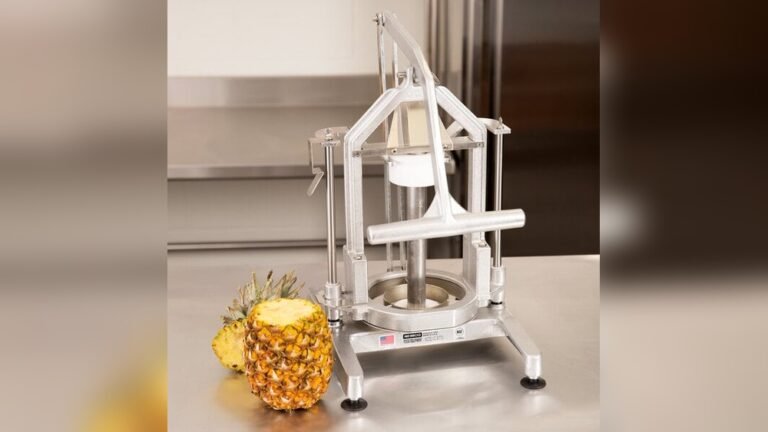
Choosing the right pineapple corer is key for a safe and smooth experience. The right tool reduces effort and helps avoid injuries. Some corers fit better with certain pineapple sizes. Others offer better grip and control. Consider these factors before buying your corer.
Material And Design
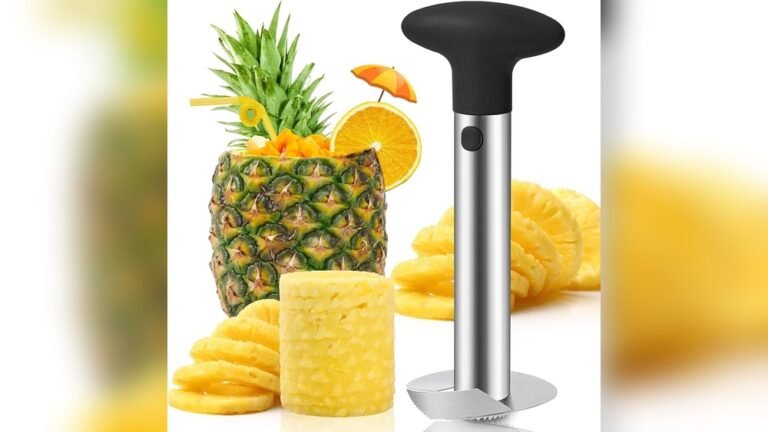
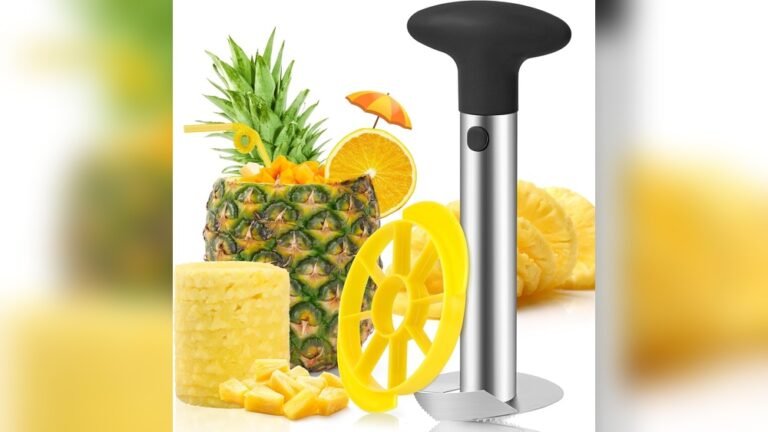
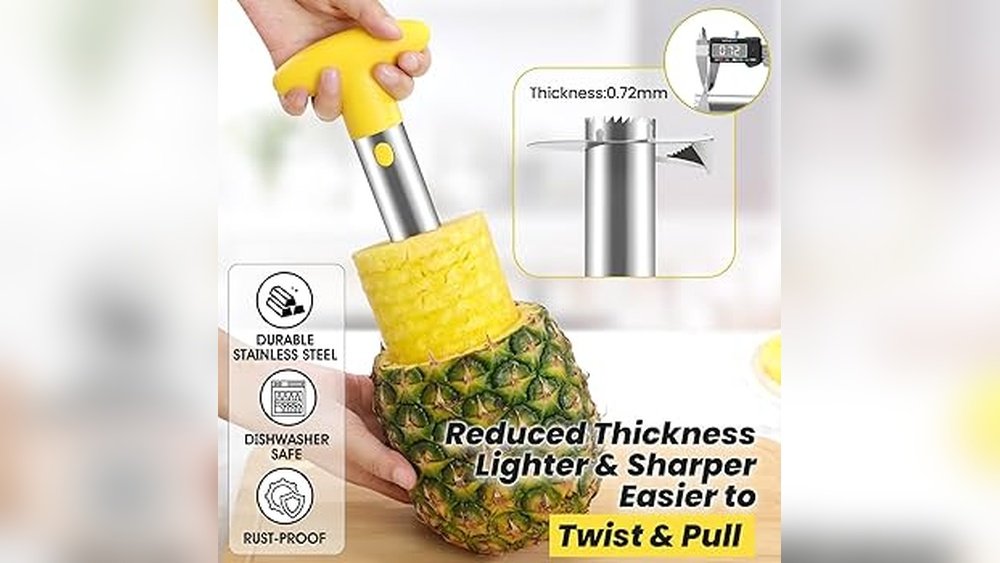
Choose a corer made from strong, durable materials. Stainless steel blades stay sharp longer and resist rust. Handles should be sturdy and comfortable to hold. A non-slip grip improves safety during use. Simple designs with fewer parts are easier to control.
Size And Compatibility
Pick a corer that fits most pineapple sizes you use. Some corers work only with large or small pineapples. Adjustable or medium-sized corers offer more flexibility. Make sure the corer is not too big or small for your fruit. A proper fit prevents slipping and accidents.
Ease Of Cleaning
Look for corers that are easy to clean after use. Dishwasher-safe corers save time and effort. Avoid tools with many small parts that trap fruit residue. A simple, smooth design cleans faster and stays hygienic. Clean corers work better and last longer.

Credit: spice.alibaba.com
Preparing The Pineapple
Preparing the pineapple correctly makes using a pineapple corer safer and easier. Proper preparation helps avoid slips and injuries. It also ensures you get the best fruit quality and taste. Follow these steps to prepare your pineapple before coring.
Selecting A Ripe Pineapple
Choose a pineapple that smells sweet and fresh. The skin should be golden yellow, not green. Avoid pineapples with soft spots or mold. A ripe pineapple is easier to core and tastes better.
Removing The Top And Bottom
Use a sharp knife to cut off the leafy top and the bottom. Cut straight across to create flat surfaces. This makes the pineapple stable and easier to handle. Make sure your knife is clean and sharp to reduce the risk of slipping.
Stabilizing The Fruit
Place the pineapple on a cutting board with one flat end down. Hold it firmly with your non-dominant hand. Keep fingers away from the corer’s path. A stable pineapple stops it from moving and prevents accidents.
Safe Coring Techniques
Using a pineapple corer can make preparing fresh pineapple fast and easy. Safety is important to avoid accidents. Learning safe coring techniques helps protect your hands and ensures smooth operation. Follow these simple steps for a safer and more enjoyable pineapple coring experience.
Proper Hand Placement
Hold the pineapple firmly on a stable surface. Keep one hand on the pineapple’s side to prevent slipping. Place your other hand on the corer’s handle. Avoid putting fingers near the blade area. This prevents cuts and injuries during coring.
Controlled Twisting Motion
Turn the corer slowly and evenly. Use steady pressure to push the blade down. Avoid quick or jerky movements that can cause slips. Controlled twisting keeps the blade aligned and cuts smoothly through the fruit.
Avoiding Excessive Force
Do not force the corer into the pineapple. Pineapples have tough cores but forcing may break the tool or hurt your hand. If the corer feels stuck, stop and adjust the angle. Gentle pressure ensures safe and clean coring every time.
Handling Sharp Components
Handling the sharp components of a pineapple corer requires care and attention. The corer’s blade is designed to cut through tough pineapple skin and core with ease. This sharpness can cause injuries if mishandled. Following basic safety steps keeps your hands safe and the corer in good condition.
Using Protective Gloves
Wear protective gloves before using the pineapple corer. Gloves provide a barrier between your skin and the sharp blade. They reduce the chance of cuts or scratches. Choose gloves made from cut-resistant materials for better protection. Gloves also help maintain a firm grip on the corer. This prevents slipping during use, which can lead to accidents.
Storing The Corer Safely
Store the pineapple corer in a secure place out of children’s reach. Use a blade cover or sheath if available. This prevents accidental contact with the sharp edges. Keep the corer in a dry area to avoid rusting. Proper storage preserves the tool’s sharpness and extends its life. Avoid placing it loosely in kitchen drawers where it can damage other utensils.
Inspecting For Damage
Check the corer for any damage before each use. Look for bent or dull blades that can cause unsafe cutting. Damaged blades may slip or require extra force, increasing injury risk. If you find cracks in the handle, avoid using the corer. Replace the corer if it shows significant wear. Regular inspection ensures safe and effective pineapple coring every time.
Cleaning And Maintenance
Proper cleaning and maintenance keep your pineapple corer safe and durable. Regular care prevents rust and damage. It also ensures hygienic use every time you prepare pineapple. Follow these simple steps to clean and maintain your tool.
Disassembling The Corer
Start by carefully taking apart the pineapple corer. Remove the handle and separate the coring tube if possible. This allows you to clean all parts thoroughly. Avoid forcing pieces apart to prevent breaking them. Check the manufacturer’s instructions for guidance on disassembly.
Safe Washing Methods
Wash each part with warm, soapy water. Use a soft brush to remove pineapple residue from the blades. Avoid harsh scrubbers that can dull or damage the corer. Rinse well to remove soap and food particles. Do not soak wooden handles or parts that may absorb water.
Drying And Storage Tips
Dry all parts completely before storing. Use a clean towel or air dry in a well-ventilated area. Store the corer in a dry place to prevent rust and mold. Keep it in its original box or a protective case if available. Avoid storing it with other sharp tools to maintain the blade’s edge.

Credit: www.walmart.com
Common Mistakes To Avoid
Using a pineapple corer makes slicing easier and faster. Yet, some common mistakes can cause injury or damage the tool. Avoid these errors to stay safe and get the best results.
Using A Dull Corer
A dull corer requires more force to cut through the pineapple. This increases the chance of slipping and hurting your hand. Always check the blade before use. Sharpen or replace the corer if it feels blunt. A sharp corer glides smoothly, making cutting safer and cleaner.
Ignoring Fruit Stability
Place the pineapple on a stable, flat surface. Holding the fruit in your hand can cause it to move while coring. This leads to accidents and uneven cuts. Use a cutting board or countertop. Keep the fruit steady with one hand and core with the other. Stability helps control the tool and prevents slips.
Rushing The Process
Take your time while coring the pineapple. Rushing leads to mistakes like uneven cuts or tool slips. Slow, steady pressure works best. Let the corer do the work. Pausing gives you control and helps avoid injuries. Enjoy the process for safer, better results.
Emergency Measures
Using a pineapple corer is simple but accidents can happen. Knowing emergency measures helps you stay safe. Quick action can reduce harm from small injuries or tool problems. This section explains how to handle common issues like cuts and jams. It also guides when professional medical help is needed.
Dealing With Minor Cuts
Small cuts are common when using sharp tools. Wash the cut with clean water right away. Use mild soap to remove dirt and germs. Pat the area dry with a clean cloth. Apply an antiseptic cream to prevent infection. Cover the cut with a sterile bandage. Change the bandage daily or if it gets wet. Avoid using the corer until the cut heals.
Handling Corer Jams
Corer jams occur when the tool gets stuck in the pineapple. Stop twisting the corer immediately. Gently pull it out without forcing. If it won’t come out, twist the pineapple slightly to loosen the grip. Clean the corer to remove any stuck fruit pieces. Check the tool for damage before using it again. Never use excessive force to avoid injury.
When To Seek Medical Help
Not all injuries need a doctor, but some do. Visit a doctor if the cut is deep or bleeding does not stop. Seek help if you notice redness, swelling, or pus around the wound. Head to the emergency room if you feel numbness or loss of movement. If the corer causes severe injury, call emergency services immediately. Prompt medical care prevents serious complications.

Credit: www.amazon.com
Alternative Pineapple Cutting Methods
Alternative pineapple cutting methods offer simple ways to enjoy fresh pineapple without special tools. These methods can be safer and just as effective as using a pineapple corer. Learning different techniques helps you pick the best option for your kitchen and skill level.
Using A Knife Safely
Start by placing the pineapple on a sturdy cutting board. Use a sharp knife to cut off the top and bottom. Stand the pineapple upright and slice off the skin from top to bottom. Cut the pineapple into quarters. Remove the tough core by cutting it out from each quarter. Keep your fingers away from the blade. Use slow, steady cuts. Always cut on a flat surface to avoid slipping.
The Pineapple Pull-apart Hack
This hack works best with very ripe pineapples. First, twist and remove the leafy top. Roll the pineapple on a hard surface to loosen the fruitlets inside. Tap the base gently to help separate the sections. Grab a section and pull it apart by hand. This method avoids knives but can be messy. It requires a soft, ripe pineapple for easy pulling.
Comparing Tools And Techniques
A knife gives you control and precision but needs careful handling. The pull-apart hack is quick but less clean and needs ripe fruit. Pineapple corers make the job faster and neater but require buying a tool. Choose a method based on your comfort, pineapple ripeness, and available tools. Safety should always come first during cutting.
Frequently Asked Questions
What Is The Best Way To Core A Pineapple?
Cut off the pineapple top and bottom. Slice it into quarters. Cut out the tough core from each quarter using a knife at an angle.
Is It Safe To Eat A Pineapple Corer?
Eating a pineapple corer is unsafe due to its sharp metal edges and non-food materials. Use it only for coring pineapples.
Does The Pineapple Hack Actually Work?
The pineapple hack can work if the fruit is very ripe. It loosens fruitlets for easy pulling. Results vary and can be messy. Sometimes, a knife is still needed. It’s a fun but imperfect method, not a guaranteed solution.
How Do I Use A Pineapple Corer?
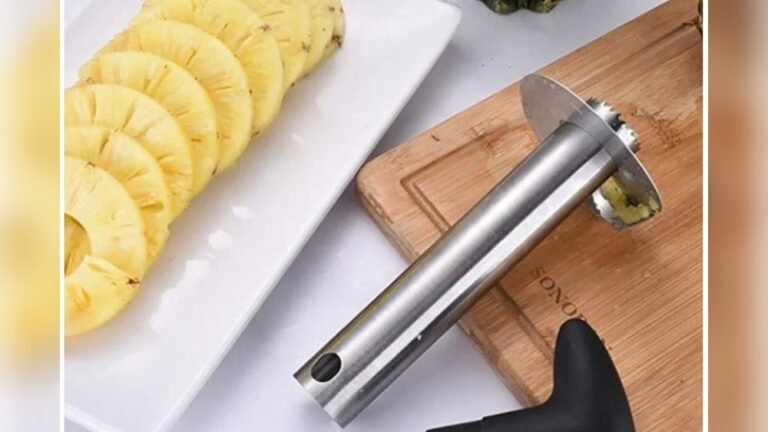
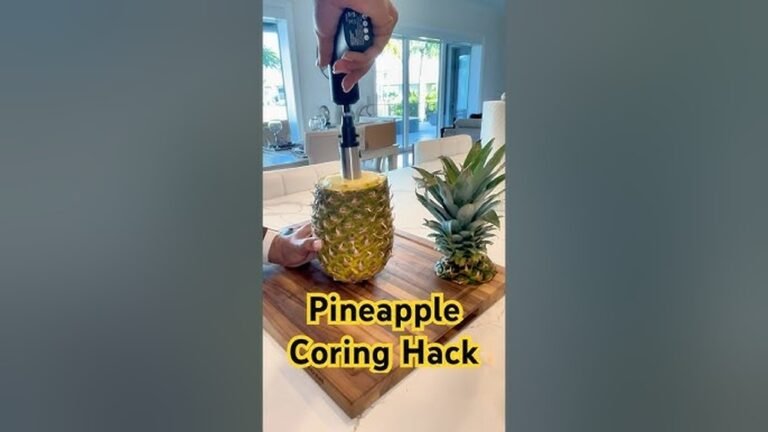
To use a pineapple corer, cut off the top, place the corer on the core, twist downwards, then pull out the cored pineapple ring.
Conclusion
Using a pineapple corer can save time and effort in the kitchen. Always handle the tool carefully to avoid cuts or slips. Keep your hands dry and work on a stable surface for better control. Clean the corer promptly after use to maintain hygiene and tool life.
Following simple safety steps makes pineapple preparation easy and safe. Enjoy fresh pineapple slices without worry or hassle. Safety matters most when using any kitchen tool.

Hi, I’m Emma Carter, a passionate home cook with over 12 years of hands-on experience in home kitchens. I love testing kitchen tools, trying new recipes, and helping everyday cooks make smarter buying decisions. Every review and guide I write is based on real cooking experience, practical testing, and honest opinions, not marketing claims.