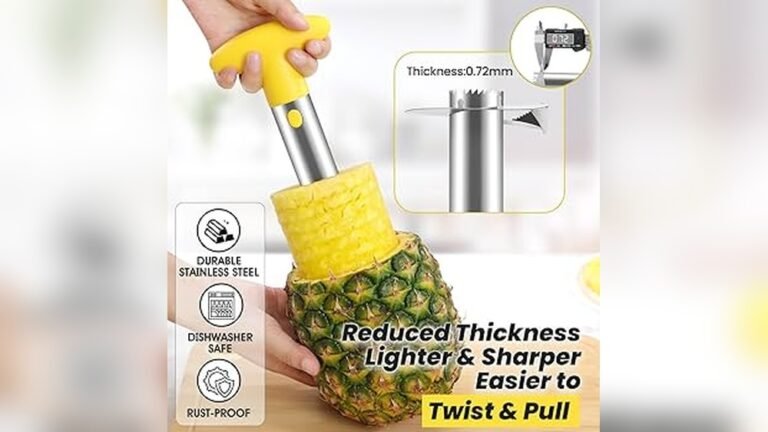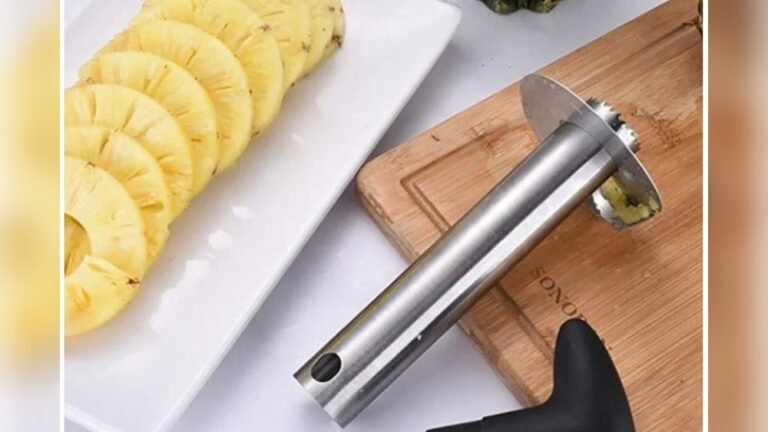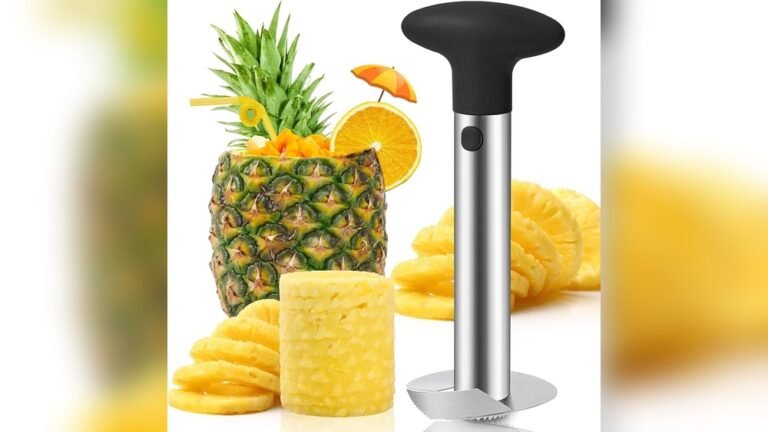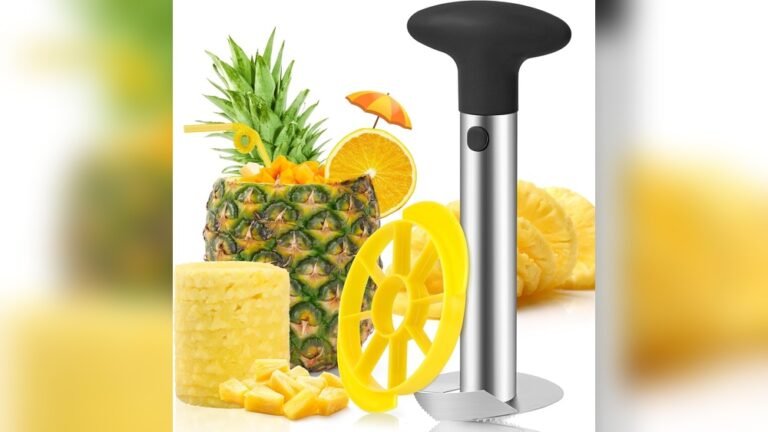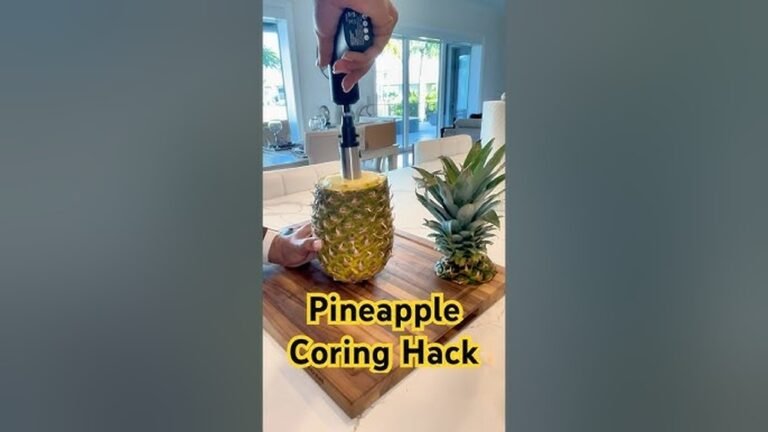
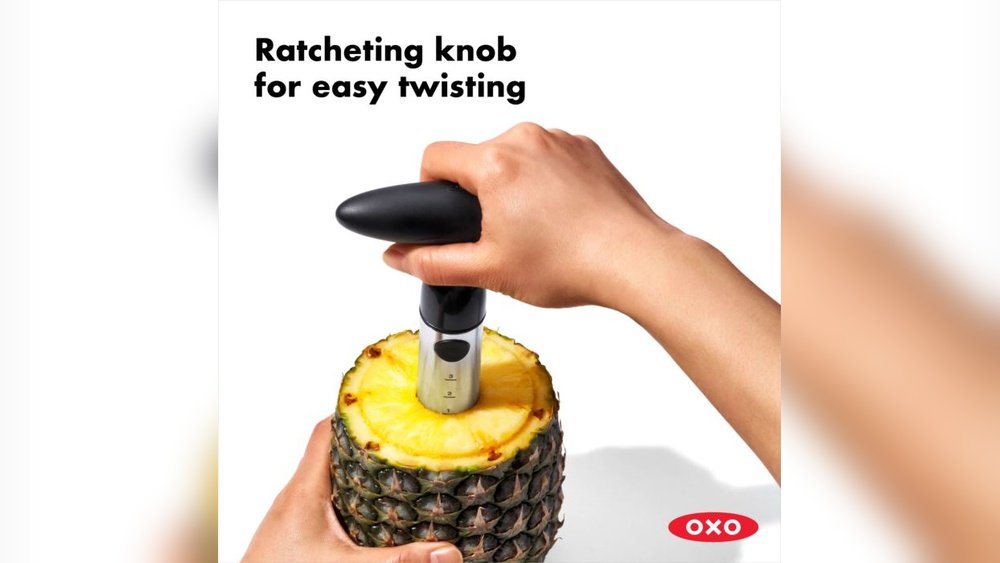
How to Store Pineapple Corer – Easy Tips for Safe Keeping
You love the fresh, juicy taste of pineapple, and your pineapple corer makes it easy to enjoy this tropical treat anytime. But have you ever wondered how to store your pineapple corer so it stays sharp, clean, and ready to use whenever you need it?
Proper storage not only keeps your tool in great shape but also saves you time and frustration in the kitchen. You’ll discover simple, effective ways to store your pineapple corer that protect its blades and make your kitchen more organized.
Keep reading to learn how to get the most out of your favorite fruit tool!

Credit: www.amazon.ae
Cleaning The Corer
Cleaning the pineapple corer after use keeps it ready for the next time. Proper cleaning removes sticky fruit residue and prevents odors. It also protects the corer’s sharp blades and extends its life. Follow simple steps to clean the corer thoroughly and safely.
Disassembling The Parts
Start by taking apart the pineapple corer. Most models have removable handles and blades. Separate the blade, handle, and any other detachable pieces. This makes cleaning easier and reaches hidden areas. Handle the blades carefully to avoid cuts.
Removing Fruit Residue
Rinse each part under warm water to remove juice and pulp. Use a soft brush or sponge to clean tight spots. Pay attention to the blade edges where fruit often sticks. Avoid letting fruit residue dry on the corer, as it becomes harder to clean.
Dishwasher Vs Hand Wash
Check if your corer is dishwasher safe by reading the manual. Dishwasher cleaning is quick and effective for many corers. Place parts on the top rack to prevent damage. Hand washing allows more control and is gentler on sharp blades. Use mild soap and warm water, then dry all parts completely to stop rust.
Drying And Preventing Rust
Proper drying and rust prevention keep your pineapple corer in top shape. Moisture can cause rust and damage the metal parts. Drying the corer correctly after each use extends its life and keeps it safe for food.
Air Drying Tips
After washing, place the pineapple corer in a dish rack. Let it dry naturally in a well-ventilated area. Avoid closing it in a drawer while still wet. Air drying reduces moisture and helps prevent rust.
Using Towels For Drying
Use a clean, dry towel to wipe the corer carefully. Dry all parts, especially the blade and handle. A soft cloth absorbs water faster than air alone. Drying with a towel speeds up the process and stops water from sitting on the surface.
Avoiding Moisture Build-up
Store the pineapple corer in a dry place away from humidity. Avoid keeping it near the sink or dishwasher. Use a container or pouch with ventilation holes. Preventing moisture build-up stops rust and keeps the corer fresh for longer.
Storage Options
Choosing the right storage option helps keep your pineapple corer safe and ready for use. Proper storage prevents damage and makes it easy to find when needed. Several simple ways exist to store this handy kitchen tool neatly and efficiently.
Using Kitchen Drawers
Kitchen drawers offer a convenient spot for your pineapple corer. Choose a drawer with enough space to avoid bending or damaging the corer. You can lay it flat or use drawer dividers to keep it separate from other utensils. This method keeps your corer within easy reach while protecting it from dust.
Storing In Cabinets
Cabinets provide a secure and clean place for your pineapple corer. Select a cabinet shelf that is not crowded to prevent scratching or bending. Placing the corer upright or on a small tray helps keep it organized. This option also protects the tool from moisture and kitchen splashes.
Containers And Holders
Containers and holders create a dedicated space for your pineapple corer. Use a small plastic or metal container to keep it safe and clean. Some holders come with slots designed for kitchen tools, which can hold the corer firmly. This option keeps your countertop tidy and the corer easy to grab.
Maintaining Sharpness
Keeping your pineapple corer sharp improves its performance and safety. A sharp blade cuts smoothly, reducing effort and avoiding slips. Sharpness extends the tool’s life and keeps pineapple slices neat. Maintain your corer’s blade by checking it often and sharpening as needed.
Regular Blade Inspection
Look at the blade after each use. Check for dull spots, rust, or damage. Run your finger carefully near the edge to feel sharpness. A dull blade feels smooth or rounded. Clean the blade fully before inspection. Dry it well to prevent rust.
Sharpening Techniques
Use a small sharpening stone or a fine file for the corer blade. Hold the blade at a low angle and move it gently across the sharpener. Repeat the motion evenly on both sides. Avoid using electric sharpeners as they may damage the blade. After sharpening, wash and dry the blade before storing.
When To Replace Blades
Replace the blade if it is chipped, bent, or too dull to sharpen. A worn blade makes coring harder and less safe. Some pineapple corers allow blade replacement; check your model. Keep a spare blade ready for quick change. Using a fresh blade ensures clean cuts every time.
Extending Corer Lifespan
Extending the lifespan of your pineapple corer helps you enjoy fresh fruit longer. Proper care keeps the tool sharp and functional. Simple storage habits prevent damage and rust. Follow these tips to make your corer last many seasons.
Avoiding Harsh Chemicals
Use mild soap and warm water to clean your corer. Harsh chemicals can dull the blade and weaken the handle. Avoid bleach or strong detergents that cause corrosion. Gentle cleaning protects the metal and keeps it safe for food use.
Proper Handling
Handle your pineapple corer with care to prevent bending or breaking. Do not apply excessive force while coring. Hold it firmly and twist slowly for smooth cutting. Rinse and dry immediately after use to stop rust from forming.
Storing Away From Heat
Keep your corer in a cool, dry place. Heat can warp plastic parts and damage the blade. Avoid storing near stoves or dishwashers. A kitchen drawer or cabinet is ideal for maintaining its shape and sharpness.

Credit: www.kitchenstuffplus.com
Storing Pineapple After Coring
After coring a pineapple, proper storage keeps the fruit fresh and tasty. Pineapple spoils quickly if left out. It is best to store it right away. Using the right containers and methods helps maintain flavor and texture. This section explains how to store pineapple after coring for the best results.
Using Airtight Containers
Airtight containers lock in pineapple’s natural juices. They prevent exposure to air, which causes spoilage. Choose containers made of glass or BPA-free plastic. Make sure the lid seals tightly to keep freshness. Avoid containers that let air in. Store the pineapple pieces in one layer for even cooling.
Refrigeration Tips
Keep pineapple in the fridge to slow down spoilage. The ideal temperature is between 32°F and 40°F (0°C to 4°C). Place the airtight container on a middle shelf, away from strong-smelling foods. Pineapple can absorb odors easily. Consume the pineapple within five to seven days for best taste and safety.
Freezing Pineapple Pieces
Freezing extends the life of pineapple for months. Spread pineapple pieces on a baking sheet to freeze them individually. Once frozen, transfer pieces into freezer bags or containers. Remove as much air as possible from bags before sealing. Frozen pineapple is great for smoothies or desserts. Use within 10 to 12 months for optimal quality.
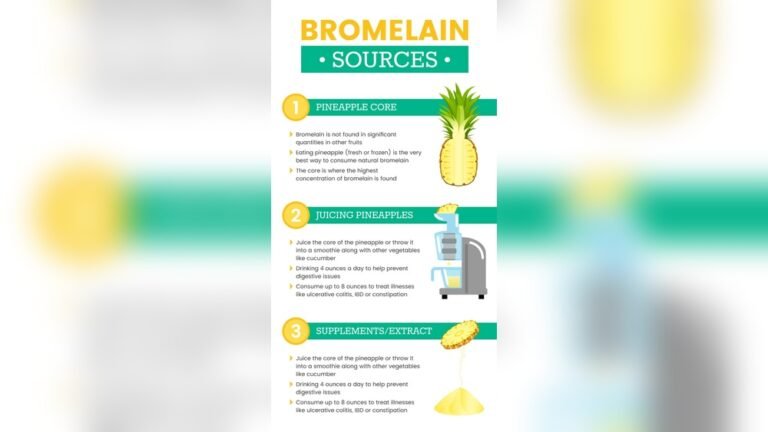
Reusing Pineapple Cores
Reusing pineapple cores helps reduce food waste and adds flavor to many dishes. The core is firmer and less sweet than the flesh but still edible. It offers a unique texture and nutrition that can enhance recipes. There are simple ways to use leftover cores in your kitchen.
Making Smoothies And Juices
Blend pineapple cores with other fruits to make tasty smoothies. They add a mild pineapple flavor and extra fiber. Cores work well in green smoothies or tropical juice blends. Chop them into small pieces before blending for a smoother texture. Using cores in drinks saves money and reduces waste.
Cooking With Cores
Cook pineapple cores to soften their texture. Boil or simmer them in water until tender. Then, chop the cores and add them to soups or stir-fries. They bring a subtle sweetness and a bit of crunch. You can also grill or roast cores for a unique side dish. Cooking cores is a great way to enjoy their flavor in meals.
Freezing For Later Use
Freeze pineapple cores to use later in recipes. Cut them into small chunks and place in airtight bags. Frozen cores keep well for several months. You can thaw them for smoothies, cooking, or juicing. Freezing helps preserve the fruit and reduces spoilage. Keep frozen cores handy for quick and easy use.

Credit: www.webstaurantstore.com
Frequently Asked Questions
How Long Does Cored Pineapple Last In The Fridge?
Cored pineapple lasts 5 to 7 days in the fridge when stored in an airtight container. Keep it cold and sealed.
Can I Freeze Pineapple Core?
Yes, you can freeze pineapple core. Cut it into pieces, place in an airtight bag, and freeze for up to a year.
How To Clean A Pineapple Corer?
Rinse the pineapple corer under warm water immediately after use. Use a brush to remove pulp from blades. Dry thoroughly before storing. For thorough cleaning, wash with mild soap and warm water. Avoid abrasive cleaners to keep the corer sharp and in good condition.
What To Do With The Pineapple Core?
Use the pineapple core by boiling it briefly to soften. Blend into smoothies, soups, or cocktails for added flavor and nutrition. Freeze cores for later use in marinades or syrups. Avoid waste and enjoy its unique taste and health benefits.
Conclusion
Storing your pineapple corer properly keeps it clean and ready to use. Always dry it well after washing to avoid rust. Use a protective cover or place it in a kitchen drawer. Avoid clutter by storing it separately from heavy utensils.
Regular care extends its life and maintains sharpness. A well-kept corer makes pineapple prep quick and easy. Simple steps help you enjoy fresh pineapple anytime. Keep your kitchen organized and your tools in top shape.

Hi, I’m Emma Carter, a passionate home cook with over 12 years of hands-on experience in home kitchens. I love testing kitchen tools, trying new recipes, and helping everyday cooks make smarter buying decisions. Every review and guide I write is based on real cooking experience, practical testing, and honest opinions, not marketing claims.